

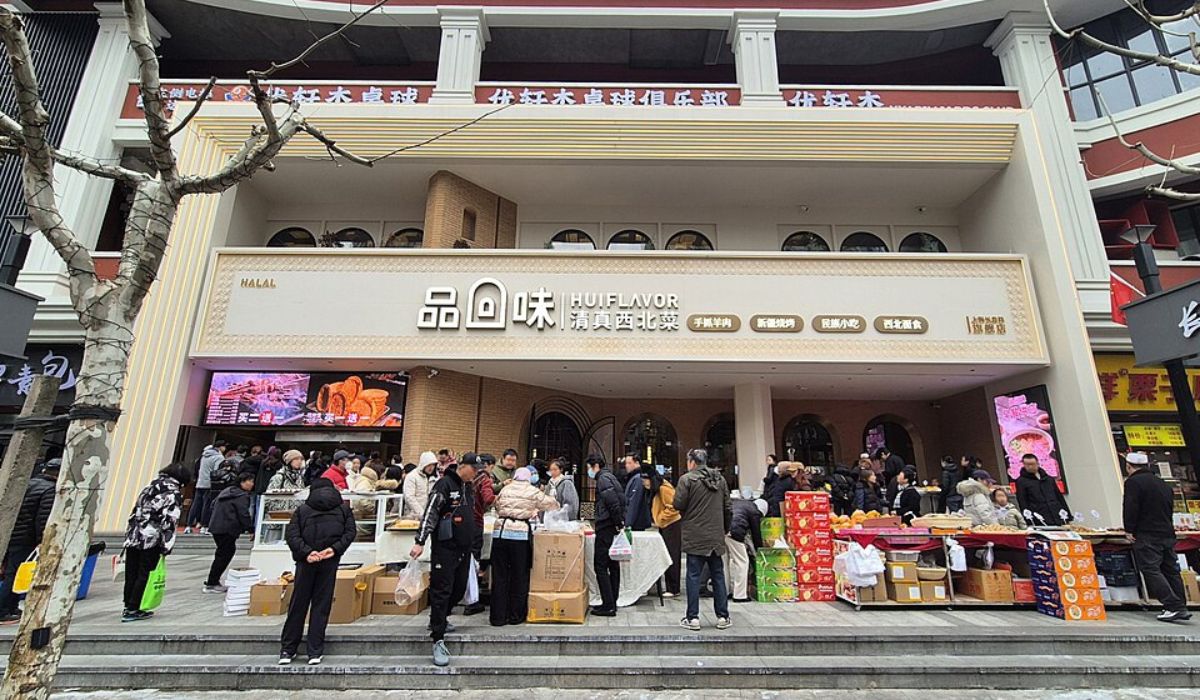
China’s cuisine looks irresistible to a large part of the world with dishes like sweet and sour pork and delicious stir-fries. However, to most muslims, these dishes are off-limits. With the amount of pork and cooking wine used in Chinese dishes, it is understandable that most muslims wouldn’t think of Chinese food as accessible. Consequently, if they want to visit China, they may hesitate for this very reason. However, as this guide will prove, China not only has Halal food options, but also a large number of local, indigenous Muslim populations where Halal food is very easily found. This unstumbled guide will tell you how you can find Halal food in China, what to say to restaurants and staff, and where in major cities you can find Muslim-friendly meals.
How To Find Authentic Halal Food In China?
The Qingzhen (清真) designation is the key to finding halal food in China. When looking for halal food, you should look for restaurants with the green 清真 sign, Arabic حلال (Halal) calligraphy, or the distinctive green geometric dome motifs often displayed on modern street façades. These signs generally indicate that halal food is available at the establishment.
Not many people know this, but China has two major Muslim culinary traditions, Hui and Uyghur. Hui-style restaurants and food items are scattered across the country and are particularly known for hand-pulled beef noodles, beef dishes, and steamed buns.
Xinjiang Uyghur restaurants, on the other hand, have a more Middle Eastern influence. They typically specialize in foods such as wood-fired lamb skewers, baked samsa (savory pastries), and fragrant pilaf.
Additionally, muslim travelers may be relieved to know that traditional Qingzhen establishments maintain strict dietary rules. Pork and pork-derived ingredients are not permitted, and alcohol, too, is generally disallowed. Many establishments also do not permit customers to bring outside alcohol or pork products onto the premises.
For Muslim travelers seeking dietary peace of mind, there are no better places than these Qingzhen restaurants.
What Muslims Should Be On The Lookout For
1. Lard (Zhū Yóu) Usage
Several standard non-Halal Chinese kitchens frequently use rendered pork fat for stir-frying vegetables and crisping pastry doughs. Muslims ordering pastries and similar roadside snacks should be very careful about it. Just because a dish looks vegetarian or halal doesn’t mean that it is.
2. Chinese Cooking Wine (Shaoxing Rice Wine)
Chinese stir-fries, soy sauces, and marinades often contain Shaoxing rice wine for flavor elevation. If you’re ordering food from an establishment that isn’t explicitly Qingzhen, make sure you confirm that the broth or sauce or any of the ingredients aren’t cooking wines.
3. Hot Pot And Soup Broths
Some of the most tempting food items in China are the hot pots and soup broths. However, it is important to keep in mind that non-Qingzhen hot pot bases and vegetable noodle soups commonly rely on pork bone (Zhu Gu) broth. Always confirm with the staff before you eat.
Also Read: Where To Find Vegetarian Food In China? Complete Veg Food Guide For Indians
What To Say To Restaurants To Order Halal Food?
Here are a few phrases that will help you navigate restaurants and better communicate with the staff there for your food needs.
- Is this Halal or Qingzhen? 这是清真食品吗? (Zhè shì Qīngzhēn shípǐn ma?)
- I am Muslim: 我是穆斯林 (Wǒ shì Mùsīlín)
- I cannot eat pork: 我不吃猪肉 (Wǒ bù chī zhūròu)
- Does this contain pork fat/lard?: 这里面有猪油吗? (Zhè lǐmiàn yǒu zhūyóu ma?)
- Please do not add cooking wine: 请不要放料酒 (Qǐng bùyào fàng liàojiǔ)
It is better to show these phrases on your phone to the person you’re trying to communicate with than trying to sound the words out.
What Halal Dishes Can Muslims Try In China?
Since there are a few authentically halal dishes in China, here is a list of the ones you can consume without too much hassle or worry:
1. Lanzhou Lamian (Hand-Pulled Beef Noodles)
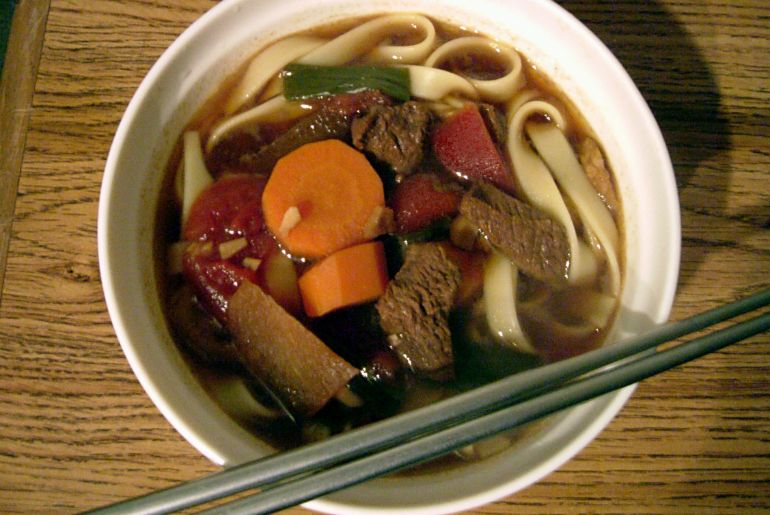
These are springy hand-pulled wheat noodles that are served in a clear, spiced beef broth. Topped with tender beef slices, chili oil, and fresh cilantro, this dish is comfort in a bowl.
2. Xinjiang Lamb Skewers (Chuan’r)
Quite similar to tandoori, these are tender chunks of lamb seasoned generously with ground cumin, chili flakes, and coarse sea salt. They are then charcoal-grilled to perfection for that iconic combination of charred and juicy.
3. Polu (Xinjiang Rice Pilaf)
Who knew China had its own version of Pulao? Polu is fragrant rice cooked with sweet yellow/orange carrots, onions, raisins, and tender braised mutton pieces.
4. Beef or Lamb Samsa (Kǎobāozǐ)
Not just Pulao, China even has its own version of samosa! Kǎobāozǐ are flaky clay-oven-baked pastries filled with minced lamb, onions, and black pepper. They look more like the chicken patties or puff pastries you get at local eateries in India.
5. Xinjiang Big Plate Chicken (Dàpánjī)
Dàpánjī is a rich, aromatic stew of braised chicken, potatoes, and bell peppers served over flat, wide belt noodles. A wholesome and deliciously filling meal!
Where To Find Halal Food In China? City-By-City Guide
These are the cities and areas you should stick to if you want easy access to Halal Food.
Beijing
- Niujie Mosque Food Street: This food street is the heart of Beijing’s Muslim quarter. It features famous spots like Bao Duji (instant-boiled tripe) and Turpan Restaurant.
- Dong Lai Shun: Dong Lai Shun is a famed historic and heritage Halal brand offering certified Halal copper-pot mutton hot pot.
Shanghai
- Shanghai Friday Muslim Market: The weekly outdoor market outside the Huxi Mosque serves fresh pilaf, baked samsa, and grilled meats. Muslims can dine here without a second thought.
- Yelixiali (Yelken): This is an upscale Xinjiang restaurant chain across Shanghai. It serves certified Halal Central Asian cuisine. Think muslim McDonald’s.
Xi’an And Guangzhou
- Xi’an Muslim Quarter (Huimin Jie): This is a world-famous street food haven for Yangrou Paomo (crumbled bread in mutton soup) and beef cold noodles. All Halal, and all muslim-friendly!
- Guangzhou: Guangzhou has several excellent options near Huaisheng Mosque. In addition to this, it also has Middle Eastern, South Asian, and Hui Halal dining spots near the major trading hubs.
Also Read: How To Apply For A China Visa As An Indian: Complete Step-by-Step Guide
Author’s Note
On my budget trip to China, the Dianping App was my lifesaver. Dianping is basically China’s version of Swiggy and Zomato. If you search Qingzhen (清真) or similar keywords, you will easily be able to find eateries and establishments that serve Halal food. What is more, you will also find reviews and photos on the app, so it can further assist you in making an informed decision!
Another tip I can give you is to always check the packaging when consuming packaged foods. If you’re particular about avoiding accidentally consuming Haram food items, make sure you don’t consume anything that doesn’t have the green Arabic Halal sign. This goes for all packaged food items, including beverages.
Summing Up
Finding Halal food in China is not difficult at all. With sufficient knowledge of Qingzhen signage and a few Mandarin phrases up your sleeve, you can navigate food in China with relative ease. Halal Chinese is akin to a cuisine of its own, and missing out on this delicious food would be very unfortunate simply because the popular image of China seems very non-Halal-friendly. The Muslim population in China, who have been there for centuries, have masterfully adapted the cuisine to suit their own dietary restrictions. In doing so, they have also created a family of food that is unique and delicious.



One Response