

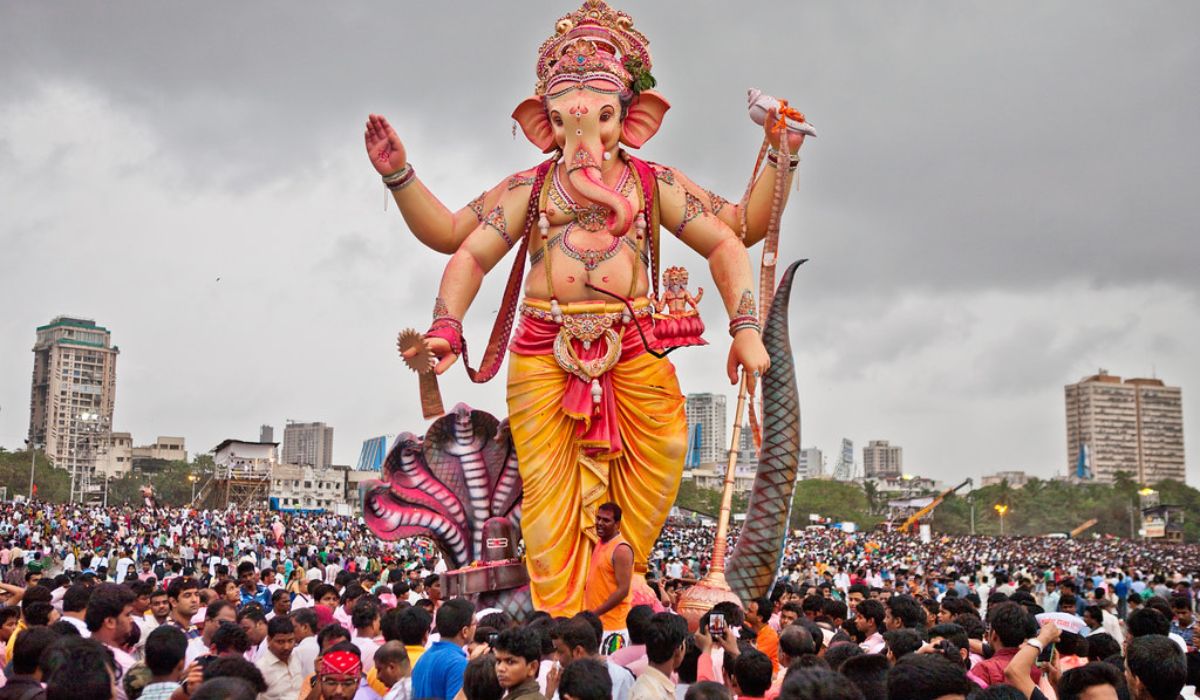
As the Indian monsoon reaches its vibrant middle phase, the rhythm of raindrops echoes across temple roofs and neighborhood pandals. The fragrance of rain-soaked earth rises into the humid air, while devotional chants of “Ganpati Bappa Morya!” reverberate through streets filled with anticipation. Rivers flow full, fields glow emerald green, and communities prepare to welcome Lord Ganesha, the revered deity of wisdom, auspicious beginnings, and the remover of obstacles. But why do Lord Ganesha and his annual festival always arrive during the heart of the monsoon? The timing is far from accidental. The placement within the rainy season reflects a convergence of Vedic calendrical astronomy, agricultural rhythms, ecological awareness, and spiritual philosophy.
Why Lord Ganesha Arrives In Monsoon
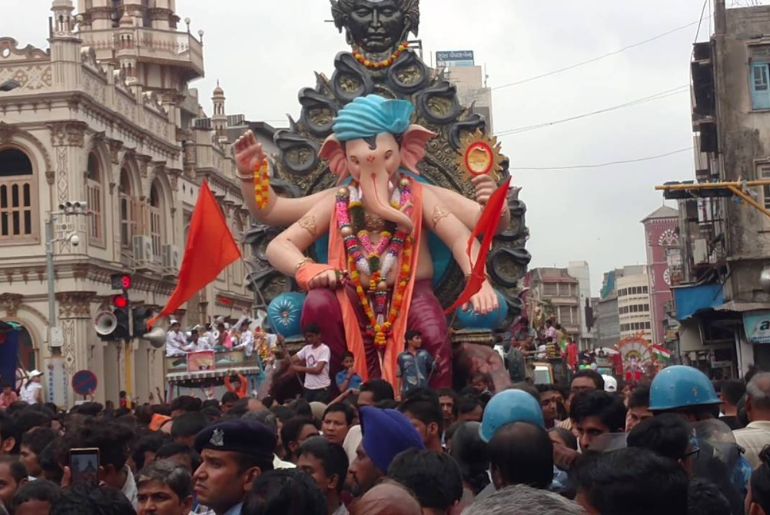
Ganesh Chaturthi is observed on Bhadrapada Shukla Chaturthi, a date determined by the Hindu lunisolar calendar rather than the Gregorian calendar. Chaturthi is the fourth lunar day, and Shukla Paksha refers to the waxing phase of the moon. For centuries, the festival has celebrated not only the birth of Ganesha but also nature’s cycle of renewal, where earth, water, vegetation, and human devotion come together in harmony.
Within many Hindu astrological traditions, Bhadrapada Shukla Chaturthi is regarded as an especially auspicious time for invoking Lord Ganesha. Classical ritual texts recommend this tithi for Prana Pratishtha, the ceremonial invocation of divine presence into an idol. While devotees believe that this lunar alignment creates a spiritually favorable period for worship, this understanding belongs to the domain of religious belief and tradition rather than empirical science.
The Connection To Agrarian Calendars
Long before Ganesh Chaturthi became a large public celebration, it was deeply connected with India’s agrarian landscape. The monsoon transforms rivers and lakes across much of the Indian subcontinent.
As seasonal waters slow along riverbanks, they deposit fine alluvial silt and natural clay, traditionally known in western India as Shadu Mati. This soft, workable clay became the preferred material for sculpting Lord Ganesha’s idols because it was readily available, biodegradable, and easily returned to nature through immersion after worship.
The timing also aligns with the growth stage of Kharif crops such as rice, sugarcane, millets, cotton, pulses, and maize. By Bhadrapada, sowing has largely concluded, and farmers await healthy crop development sustained by consistent rainfall.
Worshipping Lord Ganesha during this period symbolizes prayers for prosperity, protection from natural uncertainties, and a successful harvest. In Maharashtra and several neighboring regions, the festival also coincides with the worship of Gauri, a form associated with Goddess Parvati.
Gauri’s arrival shortly after Ganesha symbolizes maternal abundance, fertility, and the nourishing qualities of the Earth. These Gauri-Ganesha celebrations show a reverence for nature’s regenerative capacity during the rainy season, when forests, fields, and rivers reach their annual peak of vitality.
Historically, this close relationship between agriculture, seasonal ecology, and religious observance enabled communities to synchronise spiritual life with the rhythms of the natural world.
The Cycle Of Water And Creation
Ganesh Chaturthi beautifully mirrors the five elements (Pancha Mahabhutas) that occupy a central place in Hindu philosophy. Every stage of the festival reflects humanity’s relationship with nature.
| Natural Element | Seasonal Reality (Monsoon) | Spiritual Symbolism (Ganesha Worship) |
| Earth (Prithvi) | Rain-soaked clay (Shadu Mati) | Form (Sakar): Sculpting the physical idol. |
| Water (Jala) | Swelling rivers and lakes | Essence (Nirakar): Dissolving back into the infinite during Visarjan. |
| Vegetation (Aushadhi) | Lush greenery and wild herbs | Durva grass (21 blades) and Patri (21 sacred leaves) offered in puja. |
| Air (Vayu) | Monsoon winds | Chants and breath-carrying mantras (Prana Pratishtha). |
One of the festival’s most profound teachings lies in Ganesh Visarjan. Philosophically, this represents the impermanence of physical form and the eternal nature of consciousness. Just as rain falls from clouds, nourishes the earth, flows through rivers, and eventually returns to the sea, the clay idol completes its own natural cycle. From earth to worship and back to nature.
Traditionally, this symbolism was inherently ecological because natural clay dissolved harmlessly into water. Today, many communities increasingly encourage eco-friendly clay idols and natural colors to preserve the environmental spirit embedded within the original tradition. Rather than representing an ending, Visarjan expresses continuity. Creation, sustenance, dissolution, and renewal are understood as interconnected phases of the same cosmic rhythm.
The Role Of Ekavimsati Patri (21 Botanical Offerings)
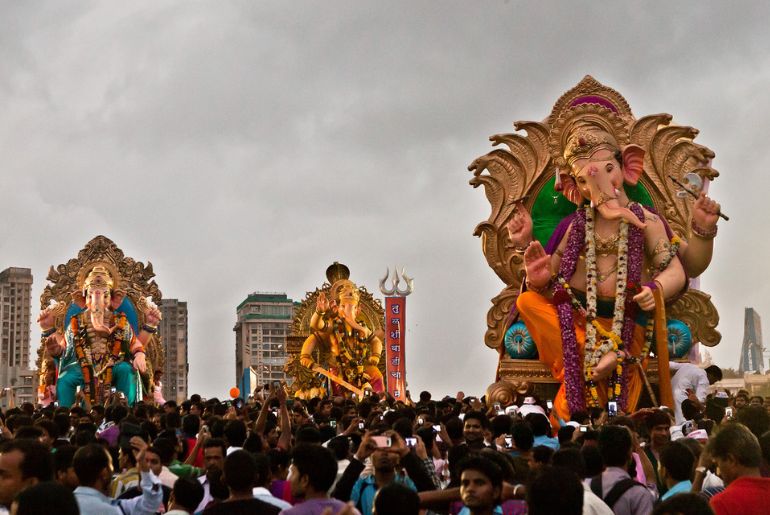
An important yet often overlooked aspect of Ganesh worship is the offering of Ekavimsati Patri, a traditional collection of twenty-one sacred leaves used during the puja. Depending on regional tradition, these may include plants such as Apamarga (Achyranthes aspera), Datura, Bael (Bilva), Arka (Madar/Mudar), and several other locally available species.
Many of these plants naturally flourish during the monsoon, when increased rainfall supports abundant medicinal vegetation. In the classical traditions of Ayurveda and regional folk medicine, several of these species have long been valued for their therapeutic properties. These include uses related to skin health, digestion, respiratory conditions, and seasonal wellness. Their ritual use should therefore be understood primarily within religious and traditional medicinal contexts rather than as clinically proven treatments.
Also Read: What Is Maghi Ganesh Chaturthi? Meaning, Significance & How It Differs From Ganesh Chaturthi
Summing Up
Lord Ganesha’s arrival during the monsoon is much more than a seasonal coincidence. It represents a timeless synthesis of lunar astronomy, agricultural wisdom, ecological balance, and spiritual philosophy. The rains nourish the earth, rivers provide the clay, vegetation flourishes, and communities gather in gratitude for nature’s abundance. Welcoming Ganpati Bappa beneath rain-filled skies reminds us that life itself follows the same rhythm as the monsoon. It is a continuous cycle of creation, growth, gratitude, transformation, and renewal. As the clay idol returns to the waters from which it ultimately came, the festival gently teaches that while forms are temporary, the values of wisdom, harmony, and devotion remain eternal.

One Response