


For many Indian travelers, Indonesia’s vibrant food culture can feel challenging at first. The country’s culinary identity is closely associated with seafood, grilled satay, and slow-cooked meat dishes such as rendang. This may lead many vegetarians to wonder whether suitable meals will be easy to find. Fortunately, Indonesia also has a long tradition of soy-based foods and vegetable dishes that make vegetarian dining much more accessible than many first-time visitors expect. This unstumbled guide helps Indian vegetarian travelers navigate Indonesian cuisine with confidence.
What Indian Vegetarians Need To Be Wary Of In Indonesia
Although Indonesia offers many vegetable-based dishes, some recipes contain animal-derived ingredients that are not immediately obvious. Knowing what to look for can help you avoid accidental non-vegetarian food.
The Terasi (Shrimp Paste) Trap
One of the most common hidden ingredients is terasi, a fermented shrimp paste used to add savory flavor to many Indonesian dishes. It frequently appears in traditional sambal (chili paste), fried rice, noodle dishes, and some vegetable stir-fries. Even meals that appear vegetarian may include terasi unless you specifically request “tanpa terasi” (without shrimp paste).
Fish sauce may also be used in certain recipes, particularly in restaurants serving a mix of Indonesian and Southeast Asian dishes.
Krupuk
Many restaurants serve complimentary krupuk (crispy crackers) alongside meals. While some varieties are made from tapioca or other starches, many popular types are flavored with seafood, including krupuk udang (shrimp crackers) and krupuk ikan (fish crackers). If you are unsure, ask before eating them.
Hidden Broths And Egg Ingredients
Vegetable dishes are not always completely vegetarian. Stir-fries such as cap cay and soups such as sayur lodeh may sometimes be prepared with kaldu ayam (chicken stock) or other meat-based broths, depending on the restaurant.
Eggs may also be added to noodle dishes, fried rice, or fritters unless requested otherwise. If you avoid eggs, ask for “tanpa telur” (without egg) when ordering.
When in doubt, politely explain your dietary requirements and confirm that your meal contains no meat, seafood, shrimp paste, fish sauce, or meat-based stock before it is prepared.
Bahasan Indonesia Phrases Vegetarians Should Learn
When traveling in Indonesia, you will inevitably have to interact with restaurant or food-serving staff. Unless you or someone you’re with knows Bahasa Indonesia, it would be prudent to learn a few phrases that will help you navigate communication and ease the language barrier:
- I am a vegetarian: Saya seorang vegetarian
- No meat, chicken, fish, or shrimp: Tanpa daging, tanpa ayam, tanpa ikan, dan tanpa udang
- No shrimp paste: Tanpa terasi
- No egg (if vegan/Jain): Tanpa telur
- Cooked with vegetables only: Dimasak hanya dengan sayuran
Also Read: How To Apply For Indonesia Visa? Step-By-Step Guide For Indians
Local Indonesian Dishes That Are Authentically Vegetarian
While Indonesian cuisine is very non-vegetarian-food-heavy, there are still a number of dishes that are quite naturally vegetarian. Indonesia is widely regarded as the birthplace of tempeh, a fermented soybean cake that has been a staple of Javanese cuisine for centuries. Think of it as Indonesia’s very own paneer, but tougher and made from soy. Alongside tahu (tofu), tempeh is inexpensive, widely available, and served everywhere from neighbourhood warungs (small local eateries) to modern cafés and upscale restaurants. Vegetarian and vegan restaurants have also become increasingly common in popular destinations such as Bali, Jakarta, and Yogyakarta. Here are a few vegetarian Indonesian dishes to be on the lookout for:
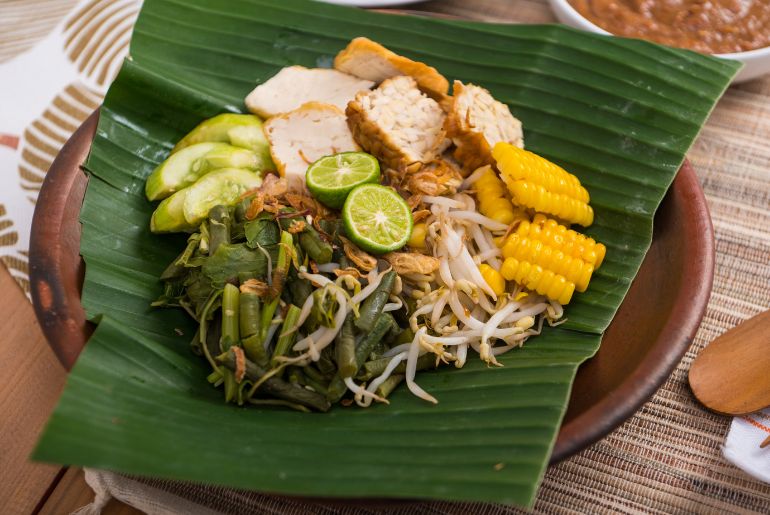
- Gado-Gado: Steamed vegetables, boiled potatoes, bean sprouts, tofu, and tempeh tossed in a rich, warm peanut dressing (always request tanpa terasi and tanpa krupuk udang).
- Nasi Campur Vegetarian: A customizable white or red rice platter accompanied by sautéed greens, spiced tempeh (Tempe Manis), fried tofu, and corn fritters.
- Bakwan Jagung (Dadar Jagung): Crispy, aromatic sweet corn fritters seasoned with lime leaves and coriander, a staple street food snack.
- Sayur Asem: A tangy, tamarind-based vegetable broth filled with sweet corn on the cob, long beans, and chayote squash.
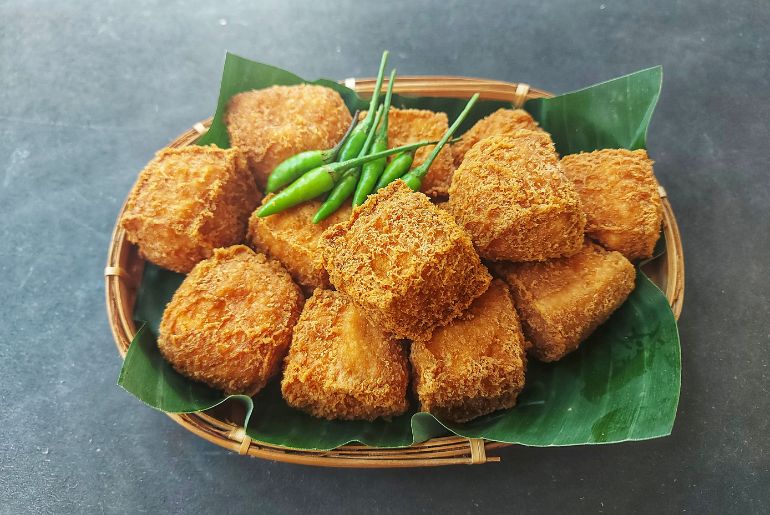
- Tahu and Tempeh Penyet: Crispy pressed tofu or tempeh served with fresh cucumber slices and garlic-chili dip.
Indian And Vegetarian Dining Spots In Indonesia
Here are a few recommendations for where you can find the absolute best and most popular vegetarian food items in Indonesia:
Bali (Ubud, Seminyak, Canggu, Kuta)
Ubud
- Sayuri Healing Food (raw plant-based)
- Lazy Cats Cafe
- Indian Tandoor Ubud
Seminyak And Kuta
- Spice Mantraa
- Queens Tandoor
- Gateway of India
- Chai’Ba Street Kitchen
Canggu
- Mumbai Station Pure Vegetarian Cafe (Sattvic and Jain-friendly South Indian dosas).
Jakarta
- Ganesha Ek Sanskriti
- D Bollywood (a premier spot for authentic North Indian curries, dal makhani, and naan)
- FEZ Kinara
- Namaste Restaurant (popular for Punjabi specialties, chaats, and South Indian options)
Yogyakarta And Surabaya
- Warung Sosis Veggie
- Local Chinese-Indonesian Veg Eateries (serving mock-meat versions of local Indonesian dishes)
- Pardesi
- Royal Indian Restaurants (catering to Indian tourists visiting Prambanan and Borobudur temples)
Supermarket Hacks And Travel Apps
In order to find reliable packaged vegetarian snacks, you can always saunter through their supermarket chains like Indomaret and Alfamart. At these chains, you will find quick grabs including roasted peanuts, fresh fruit cups, soy milk, and dried banana chips (Kripik Pisang). Additionally, you will also find vegetable instant noodles. However, you should always look for the green vegetarian mark on whatever packaged food items you’re purchasing.
The language barrier in such countries is also very real. If you have trouble navigating the signs written in Bahasa Indonesia, you can utilize the camera feature in Google Translate. You should also use it to scan packaged snack ingredients for terms like Ikan (fish) or Udang (shrimp). It is also useful in food delivery via Gojek (GoFood) and GrabFood.
Also Read: Can You Visit Indonesia On A Budget? Hacks And Tips For Indians
Note: This article was compiled after verifying current publicly available business information.
Summing Up
Indonesia is a rewarding destination for Indian vegetarians with a little preparation. Thanks to its abundance of fresh tropical fruits, widely available tempeh and tofu, naturally vegetable-based dishes, and growing number of Indian restaurants in major tourist destinations, travelers can enjoy diverse, satisfying meals throughout their journey while avoiding common hidden non-vegetarian ingredients through careful ordering.



One Response