“Social Media Has Made Everyone A Critic”: Chef Rahul Akerkar On Restaurants, Customers & More
Chef Rahul Akerkar shared his valuable experiences, tips and views on India's culinary scene.
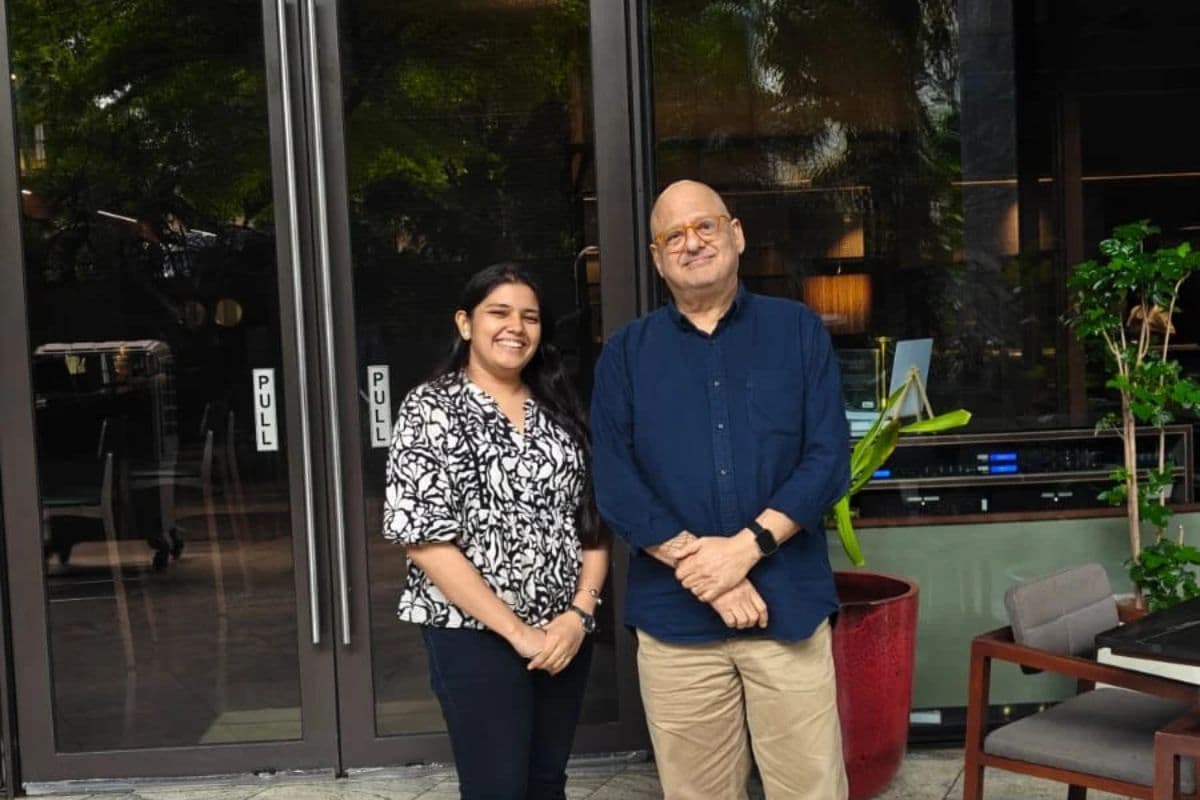
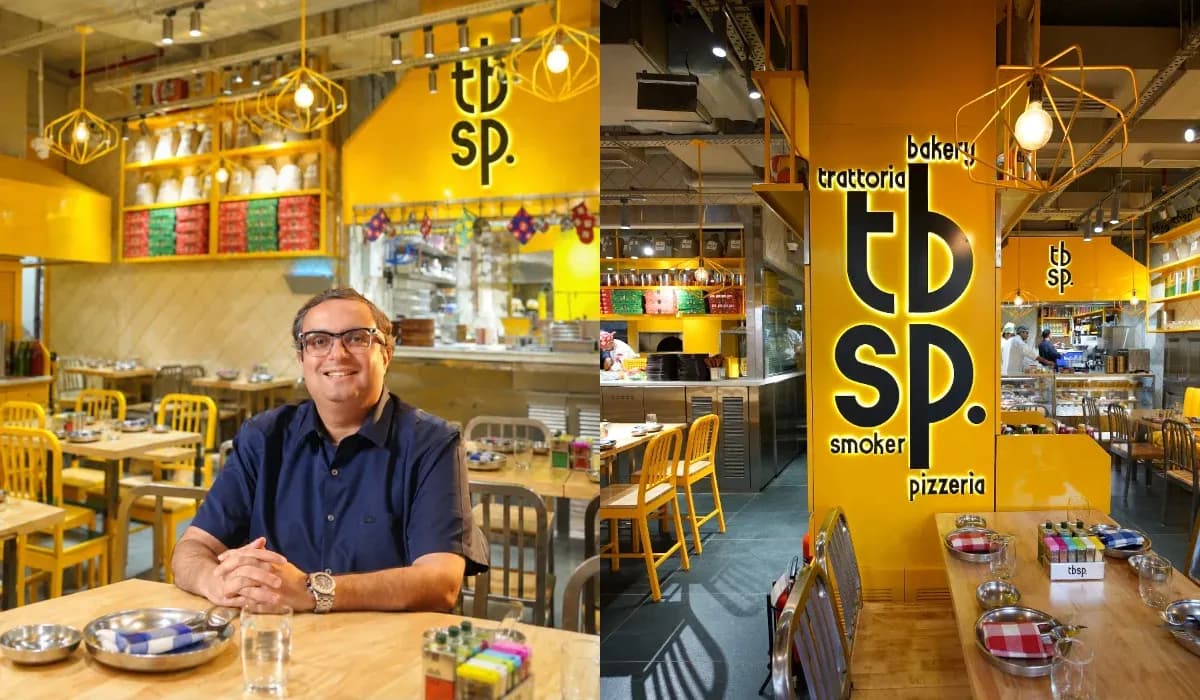
unstumbled x Chef Rahul Akerkar | Photo Credits: Team
Way before India’s culinary scene witnessed the concept of independent global eateries, it was Chef Rahul Akerkar’s leap of faith that forever changed the fine-dining scene in teh country. After trading a path in chemical engineering for the bustling kitchens of New York, he came to Mumbai and launched a pioneering standalone fine-dining restaurant that became an inspiration for many. Now with Ode, he is shaping this conversation, offering a blend of European and Maharashtrian cuisines. We at unstumbled got the opportunity to meet him and also sit down for a fun chat. Here are the excerpts:
Excerpts From Chef Rahul Akerkar’s Interview
Career Transition, Indigo & Dining Scene In India
unstumbled: As per your academic background, you were in chemical engineering before getting into the food industry. How did this transition happen?
Chef Rahul Akerkar: While pursuing degrees in biology and biochemical engineering, I began working in New York restaurants simply to eat well and pay the bills. So, what began as a convenient, well-paying side gig in an exciting dining scene like New York actually turned into a career, and I decided to simply go with it.
unstumbled: Your restaurant Indigo was a stand-alone fine-dining European and Mediterranean restaurant in Mumbai. It was the pioneer that changed India’s fine-dining scene. Tell us about your Indigo experience.
Chef Rahul Akerkar: A guest once told me he couldn’t label our cuisine as strictly French or Italian, but he said that the food was exceptionally good and that captured Indigo perfectly. We focused on ingredient-driven, technique-led dishes that were simply my food. We approached hospitality like welcoming guests into our own home, pairing attentive, unfussy service with genuine warmth. At a time when stand-alone Western fine-dining barely existed in India, we proved that great hospitality and heartfelt cooking could truly connect with people.
unstumbled: In the late 1980s and 90s, fine dining in India was not widely explored. What gave you the confidence to break away and launch something like Indigo?
Chef Rahul Akerkar: There was no confidence. If I’d really thought it through, I probably would have been too scared to do it. My original business plan was absurdly ambitious and made zero sense on paper, but I just went ahead because my heart was in it. Maybe a little bit of foolishness takes you a long way, as they say.
unstumbled: Currently, with so many premium elevated dining experiences available in India, how do you think things have changed now?
Chef Rahul Akerkar: Dining has evolved from nuanced, hotel-bound premium meals to a vibrant, independent restaurant scene with diverse concepts and cuisines. Today's diners are far more traveled, adventurous, and equipped with a better vocabulary for food. Additionally, vastly improved supply chains and ingredient availability have transformed the culinary landscape from strictly local roots to limitless choices.
Also Read: Good Food & Grounded Vibes: In Conversation With Actor Jibraan Khan
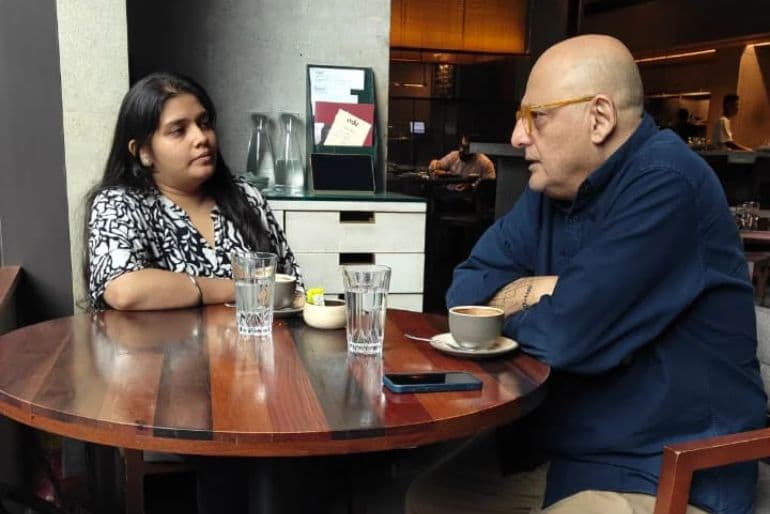
Chef Rahul Akerkar | Photo Credits: Self
Social Media, Lessons & Myths
unstumbled: The exposure that the audience has today through traveling and social media is that a boon or a bane for the restaurant or the restaurateur?
Chef Rahul Akerkar: Audience exposure is a double-edged sword. While it brings greater appreciation and culinary awareness, social media turns everyone into a critic and makes diners hesitant to form their own independent opinions.
unstumbled: How do you think the modern dining concept in India is evolving as compared to other countries?
Chef Rahul Akerkar: We are increasingly embracing our own indigenous identity and creating uniquely modern Indian concepts rather than aping overseas restaurants.
I would like to add something here. Indian diners often happily spend heavily on meals abroad but scrutinize pricing in India. This disconnect hampers the industry's ability to properly compensate hospitality staff. To sustain world-class experiences and attract top talent, diners must embrace paying fair prices.
unstumbled: What was the hardest lesson you learned during your early years as an indie restaurateur that no culinary school could have taught you?
Chef Rahul Akerkar: No culinary school can teach you patience or how to manage public perception. Understanding people's tastes comes from the time you spend in the kitchen. Similarly, culinary expertise and technique comes with years of repetition and muscle memory.
unstumbled: What do you think are some myths that people have about chefs?
Chef Rahul Akerkar: A major myth is that the restaurant business is highly lucrative and we chefs make a lot of money. What people need to know is that the margins are actually very tight. People often forget that hospitality is entirely human-driven. It relies on emotions, perceptions, and teamwork, where someone’s single bad day can disrupt the entire experience chain. It is a thankless job requiring long hours on your feet.
Also Read: Supperclub Mumbai Feeds Your Soul: Our Experience & Conversation With Chef Raji Gupta
Ode, Dietary Demands, & Success Mantra
unstumbled: Ode is celebrating your mixed Maharashtrian and European heritage. How do you bridge two distinct flavors?
Chef Rahul Akerkar: Bridging distinct flavors without making them feel gimmicky can happen only with restraint, deep experience, and trusting your own palate. I only combine flavors and textures when I genuinely enjoy the result. Because taste buds rarely lie, I rely on the confidence that if I truly love a dish, the customer will too.
unstumbled: Diners are increasingly asking for plant-forward, gluten-free, or low-sugar options. How does a chef balance personal artistic vision with a crowd that arrives with heavy dietary demands?
Chef Rahul Akerkar: While I accommodate reasonable allergies and dietary restrictions, handling a literal list of self-imposed demands actually turns a restaurant into a private kitchen. If someone walks in with countless restrictions like being vegan, gluten-free, and lactose intolerant all at once, they might be better off eating at home. After all, a restaurant has a trained team executing a specific menu, not a list of self-imposed demands.
unstumbled: What is the one comfort dish you crave after coming home from a long trip abroad?
Chef Rahul Akerkar: Chaat and Sushi
unstumbled: What is the biggest reason for a restaurant to succeed or fail?
Chef Rahul Akerkar: There is no single formula for restaurant success, as it depends on a mix of food, consistency, hospitality, location, timing, and consumers. Sometimes a restaurant can get everything right and still fail for reasons unknown. Furthermore, modern dining habits are constantly shifting, which makes businesses vulnerable to countless human factors.
Also Read: "We Elevated, Not Westernized": Founder Dr. Harmitsingh Sikh on Building IKAI
About Ode
Address: Gate No. 4, Raheja Altimus, Pandurang Budhkar Marg, opposite Doordarshan Kendra, B Wing, BDD Chawls Worli, Worli, Mumbai, Maharashtra 400018
Timings: 12:00 PM to 1:30 AM
Cost For Two: INR 3,500 for two
- Published:
- Updated:
Related stories