

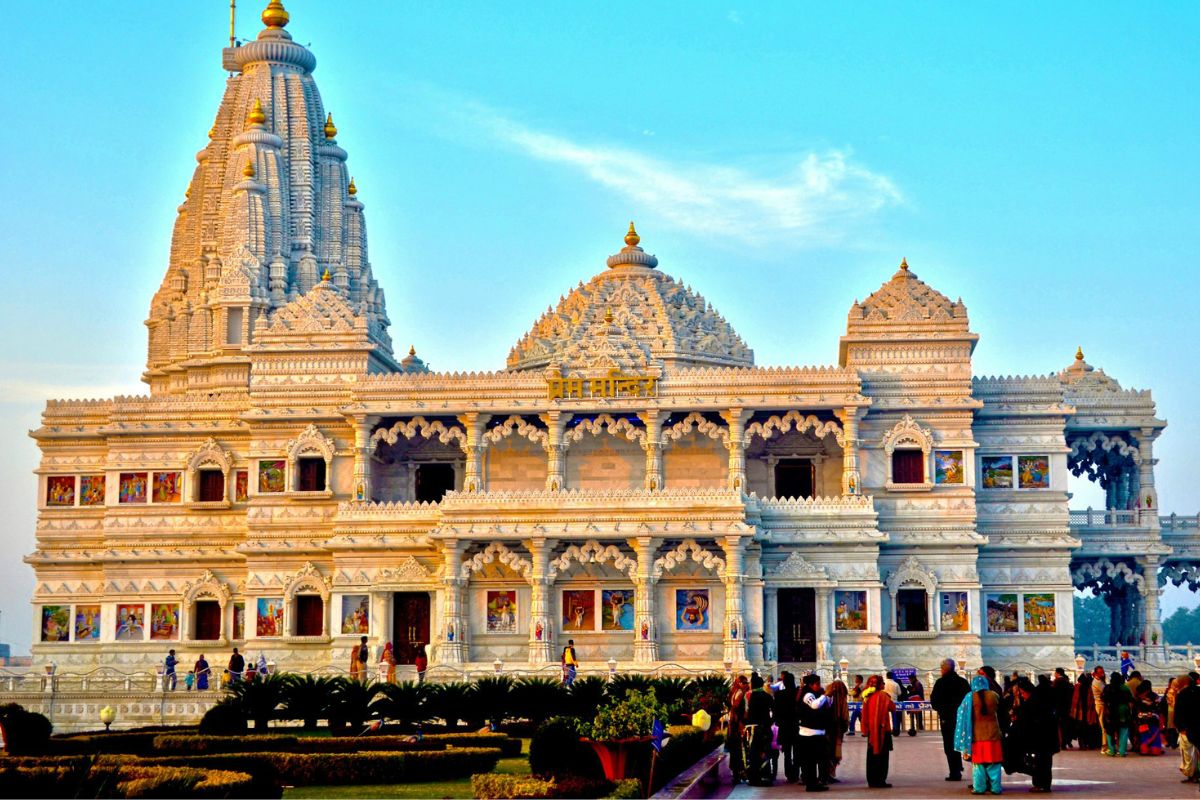
Vrindavan, the heart of the ancient Braj region, is known as one of the prime destinations for Krishna devotees. Located along the banks of the Yamuna River in Uttar Pradesh, this holy town is home to many temples dedicated to Lord Krishna and Goddess Radha. Be it the misty-cool mornings during winter seasons or the celebration of Holi during the onset of summer or the rain-washed greenery during monsoon, Vrindavan is beautiful to visit the entire year. But the best time to visit Vrindavan completely depends on your preferences. So here is a month-by-month breakdown of the best time to visit this holy town.
Vrindavan: Month-By-Month Breakdown
October To March
Most pilgrims and travelers tend to visit Vrindavan between October and March. This is considered to be the best month to visit this holy town as it offers a combination of ideal weather and the most prominent events on the Hindu calendar. The temperatures are comfortable between 10 degrees Celsius and 25 degrees Celsius. During December and January, they tend to sometimes drop down to 5 degrees Celsius.
October to November is considered to be the Kartik month as per the Hindu calendar and is one of the most holy months. It draws devotees globally, with various ceremonies held on the banks of the Yamuna River.
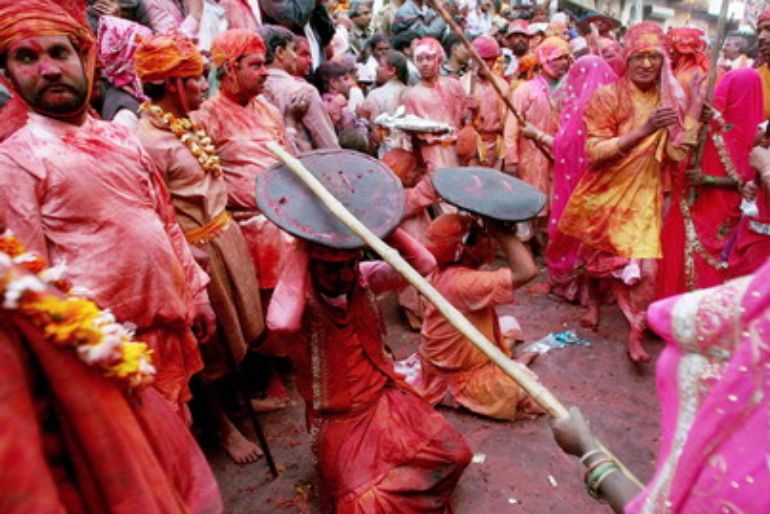
Then comes Diwali, which lights up the entire Vrindavan, followed by Govardhan Puja. On this day, people offer mountains of food to Lord Krishna across all temples. Next comes Braj ki Holi, which, unlike single-day celebrations in other parts of India, spans over a week here. This includes Phoolon ki Holi, Lathmar Holi and Widows’ Holi.
April To June
Vrindavan from April to June is very hot and dry as spring transitions to summer. Temperatures tend to go from 35 degrees Celsius in April to 40-45 degrees Celsius in May or even June. This is the time when the tourists are fewer, hotels get cheaper, temples are less crowded, queues at the temples are shorter, and puja samagri is also cheaper. But the temperatures during the day bring strong heat.
Guest houses, boutique resorts, and various cab services offer their best prices of the year during this period. The world-famous shrines like Radha Raman, Prem Mandir, or Banke Bihari temples have shorter queues. This makes your darshan way more peaceful and more reflective. Some temples also host Chandan yatra and Phool Bangla during which deities are smeared with chandan paste to offer symbolic relief from heat.
Also Read: Top 10 Places To Visit In Vrindavan For A Spiritually Nourishing Trip
July To September
The arrival of southwest monsoon brings relief from the summer heat. The average daily temperature during this time falls to 25 degrees Celsius to 34 degrees Celsius. If you love lush greenery with high humidity, then July is the best month. The temperatures go further down as it transitions to the post-monsoon period in September.
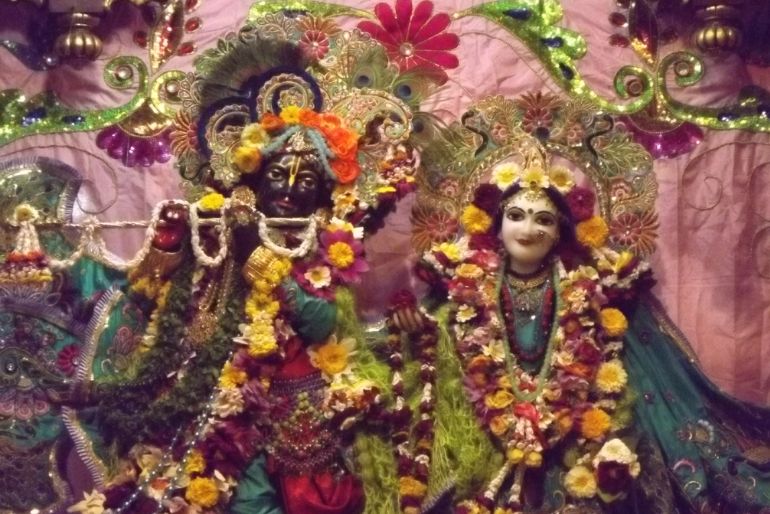
During monsoon season, deities across Vrindavan are placed in gold or silver swings. There is traditional, devotional music everywhere to celebrate the playful rain between Krishna and Radha. August marks the birth of Lord Krishna, and it is the single grandest celebration across Mathura and Vrindavan. These shrines include Prem Mandir, ISKCON, and Banke Bihari temple.
They host flower decorations, midnight rituals, and holy bath or abhisheka ceremonies, which draw many devotees and pilgrims. September is special as it is the month when Radhaasthami is celebrated. It is celebrated 15 days after Janmashtami, marking the birth of Radha Rani. There are grand processions, devotional gatherings, and special feasts during this month.
Also Read: Where To Stay In Vrindavan: Area-Wise Guide For Every Budget
Which Month Is Best For Visiting Vrindavan?
October to March can easily be termed as the peak season to visit Vrindavan. It is because the weather gets cool and pleasant, and the temperatures are perfect for outdoor activities. This period offers the best time for long temple walks, evening aartis, and outdoor sightseeing. These months host grand and most important celebrations as well in the holy town with vibrant festivities and colorful clothes. The most well-known temples like Prem Mandir and Banke Bihari Mandir restrict vehicles in the winter season, making it easy to walk barefoot on the temple stone for long distances. You can also easily participate in early morning aartis and go out for late-night strolls in the soothing, cool climate.
Travel Tips For Visiting Vrindavan
- If you are thinking of visiting in the December to March period, make sure you carry a good amount of warm clothes with you.
- During peak season like Janmashtami, Radhashtami, and Govardhan Puja, make sure you book your travel and accommodation well in advance.
- Make sure you check the Hindu calendar for the exact date os festivals if you wish to attend them.
- If you are visiting in the April to June bracket, make sure you keep sightseeing and temple visits for mornings and evenings. This is because the temples soar high during the afternoon.
- Wear comfortable footwear as visiting the temples here in the Braj section might require a lot of walking.
- Carry umbrellas or raincoats if you are visiting between July and September.
Also Read: Budget Stays In Vrindavan Under INR 2,000
Summing Up
Vrindavan is one of those holy towns that can be visited any time of the year. But the experience changes as per the season, and hence you can choose when to visit based on your personal preferences. You can check what you wish to experience between fewer crowds, pleasant weather, and religious celebrations and plan accordingly.
And if you want a travel guide on Mathura or the best time to visit Mathura, do visit our website.



One Response