

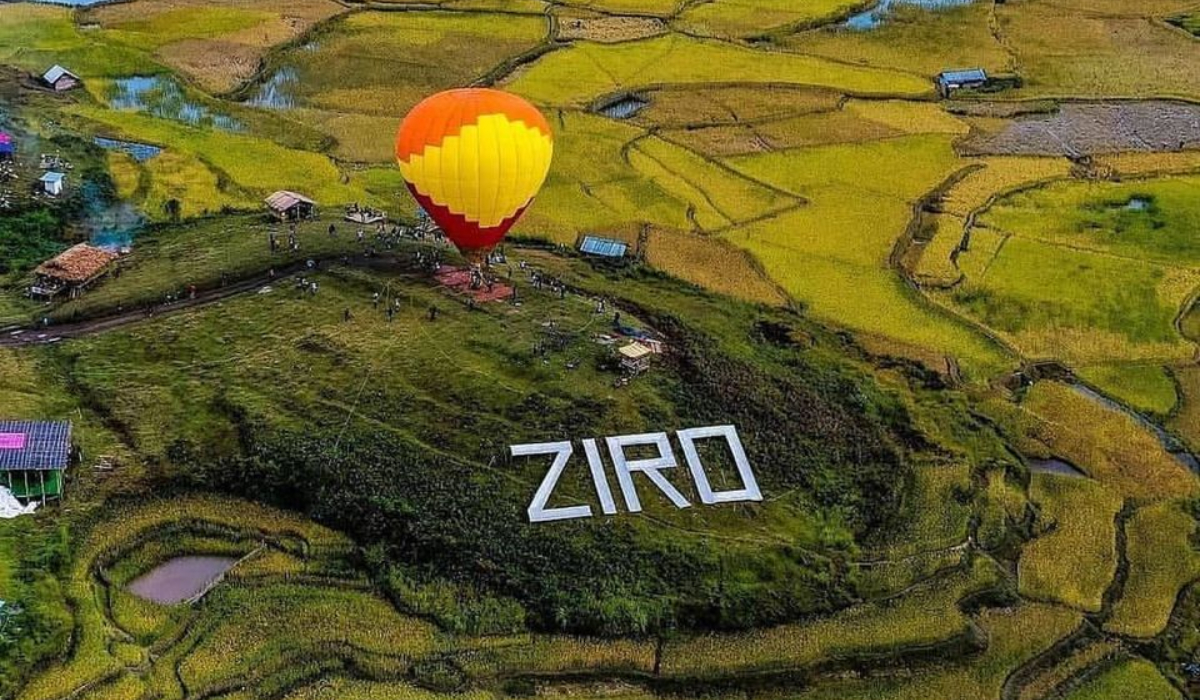
The Ziro Festival of Music may be the reason many travelers first consider visiting this part of Arunachal Pradesh, but the festival represents only one side of the valley. Stay a little longer, and Ziro opens up through its Apatani villages, carefully cultivated paddy fields, pine forests, viewpoints, local crafts, and traditional farming practices.
Exploring Ziro beyond the music festival also provides a better understanding of the Apatani community and its relationship with the surrounding landscape. The Apatani Cultural Landscape is included on UNESCO’s Tentative List for its distinctive land-use practices and cultural traditions. For travelers wondering about the best things to do in Ziro, these 12 places and experiences are worth considering.
What Are The Best Things To Do In Ziro Besides The Music Festival?
1. Explore The Traditional Apatani Villages
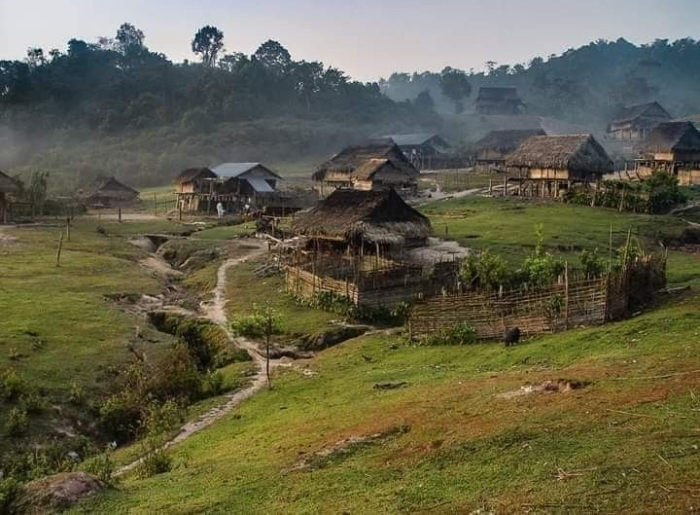
The traditional Apatani settlements are among the most culturally significant places to visit in Ziro. Villages such as Hong, Hari, and Bulla offer opportunities to observe traditional houses, bamboo structures, agricultural areas, and community spaces that remain integral to everyday life. Rather than moving quickly between villages for photographs, spend time walking through them and observing how the settlements connect with the surrounding farmland. These are living communities, so visitors should seek permission before photographing residents, homes, or cultural activities.
2. Walk Through Ziro’s Paddy Fields
The paddy fields stretching across the valley floor are central to Ziro’s identity. Narrow irrigation channels distribute water between the fields, while villages, bamboo groves, and forested hills form the surrounding landscape. A walk through these agricultural areas reveals details that are easy to overlook from a vehicle. The fields are particularly striking during the growing season, although their carefully organized layout remains an interesting part of the landscape throughout the year.
Planning to explore Northeast India? Here’s how you can explore Arunachal Pradesh in 2026 and experience the state beyond its better-known destinations.
3. Understand The Apatani Rice-Fish Farming System
Ziro’s paddy fields are also notable for the traditional Apatani practice of cultivating rice and rearing fish together. The system allows the same agricultural land and water resources to support both forms of food production. Understanding this method changes the way the valley is experienced. What initially appears to be a scenic expanse of rice fields is also the result of generations of knowledge about farming, irrigation, and the careful use of available land.
4. Visit Tarin Fish Farm

Tarin Fish Farm offers a closer look at another aspect of fish cultivation in the valley. Located approximately 3.5 km from Hapoli, the government-run farm breeds fish and supplies fingerlings during the paddy cultivation season. It is particularly worthwhile after visiting the rice fields, as the stop provides additional context for understanding the role of aquaculture in the region.
5. Spend Time In The Pine Grove
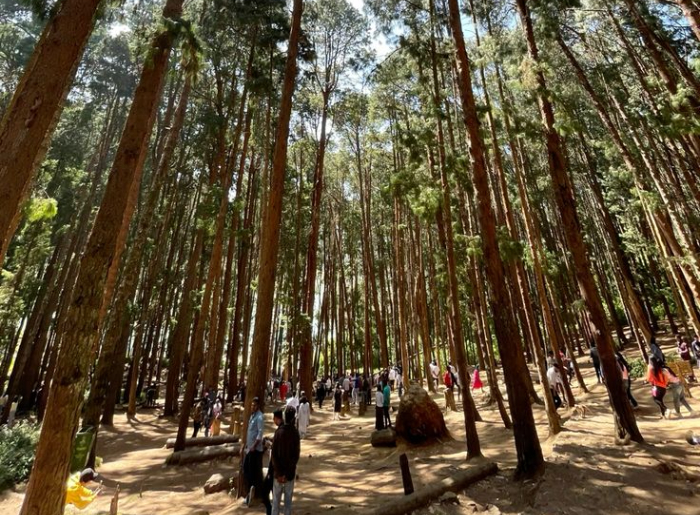
The Pine Grove offers a quieter contrast to Ziro’s open agricultural landscape. Tall pine trees create a shaded setting suitable for walking, photography, or simply spending some time outdoors without following a packed sightseeing schedule. Located a few kilometers from Old Ziro, the grove can conveniently be combined with nearby villages and viewpoints. It is a simple stop, but one that shows another side of the valley’s landscape.
6. See The Valley From Kile Pakho
Among the better-known Ziro Valley attractions, Kile Pakho is particularly worthwhile for its elevated perspective. From this viewpoint, visitors can look across the cultivated valley floor and the surrounding hills. The viewpoint is best visited after exploring Ziro at ground level. Seeing the fields and settlements from above makes it easier to understand how closely the valley’s villages, agricultural land, and surrounding terrain are connected.
Wondering what permit you need before traveling? Here’s how to apply for an Inner Line Permit for Arunachal Pradesh, including its cost and validity.
7. Spend A Quiet Afternoon At Siikhe Lake
Siikhe Lake, also known as Seeh Lake, is an artificial lake located approximately 2.5 km from Hapoli. Originally developed as a water conservation project, it has since become a recreational space where visitors can spend a quieter part of the day. Boating is available, but the lake is equally suited to an easy walk or some time beside the water. After several busy festival evenings, its slower pace can be particularly welcome.
8. Discover Apatani Handlooms And Crafts
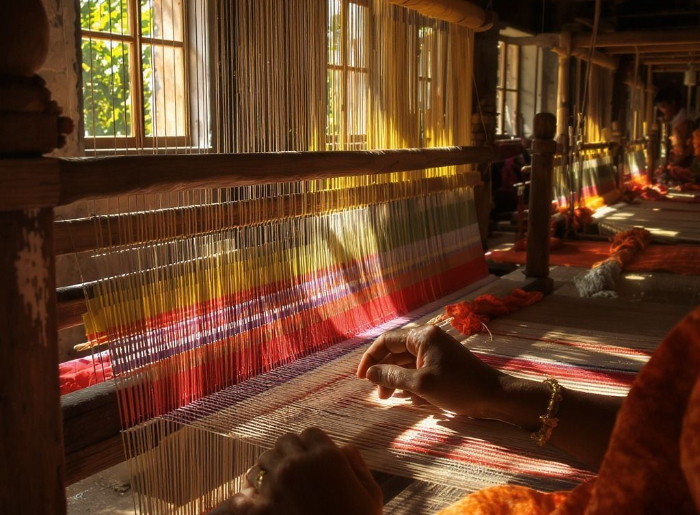
A Ziro travel itinerary should leave some room for the valley’s traditional crafts. The Apatani community is known for weaving as well as bamboo and cane work, and locally produced items offer a more meaningful alternative to generic souvenirs. Look for textiles, woven products, and bamboo or cane pieces while exploring the villages. Where possible, purchasing directly from local craftspeople also provides an opportunity to understand the work and skills behind each item.
9. Visit The Shiva Lingam At Kardo Forest
Kardo Forest provides a different experience from Ziro’s villages and agricultural areas. The forest is home to a naturally formed Shiva Lingam associated with the Sidheshwar Nath Temple and has become an important religious site in the area. The forested surroundings are part of the appeal, making the visit suitable for travelers who want to combine a religious stop with time outdoors.
10. Explore The Talley Valley Region
Travelers interested in a more active excursion can consider the Talley Valley region, known for its forests and biodiversity. Unlike a short visit to a viewpoint or village, exploring this area requires more time and preparation. Weather and local conditions can affect trekking plans, so routes should be checked locally and appropriate guidance arranged before setting out.
11. Stay In A Local Homestay
A homestay can make a visit to Ziro, Arunachal Pradesh, considerably more engaging. Rather than treating accommodation simply as a place to sleep, a locally run property provides an opportunity to experience everyday life in the valley more closely. Meals can be an important part of the stay as well. Local ingredients and preparations vary between households and seasons, making the experience different from relying entirely on restaurants during the trip.
12. Learn About Apatani Festivals And Traditions
The music festival is not the only important celebration associated with the valley. Traditional Apatani festivals include Myoko and Dree, both of which are connected with different aspects of community life, agriculture, prosperity, and well-being. Even when travel dates do not coincide with these celebrations, learning about them provides valuable cultural context for the villages, agricultural practices, and traditions encountered elsewhere in Ziro.
How Many Extra Days Should You Keep For Ziro?
If travel to the Ziro Festival is the main purpose of the journey, consider adding two or three additional days before or after the performances for sightseeing. This provides enough time for the villages, paddy fields, viewpoints, local crafts, and quieter outdoor locations without trying to fit them around festival timings. The extra time also allows for a more relaxed sightseeing itinerary. Ziro is better experienced through unhurried walks and longer stops than by attempting to cover every attraction in a single day.
Planning your journey to Ziro? Here’s how to reach Ziro Festival by flights, trains, buses and road trip routes.
Author’s Note
Having been to music festivals in both India and England, I’ve realized that some of the best parts of these trips happen outside the festival grounds. I always like keeping some extra time to explore the place I’m visiting instead of arriving just for the music and leaving straight after. With Ziro, that extra time can be spent discovering the villages, paddy fields, local food, crafts, and the valley itself.
Summing Up
The Ziro Festival of Music may provide the initial reason to visit, but the valley has enough to justify a longer stay. Its paddy fields are part of a sophisticated agricultural system, its villages remain closely connected with Apatani traditions, and its forests, farms, crafts, and viewpoints add considerable variety to the experience. For travelers interested in Ziro beyond the music festival, a few additional days can turn an event-focused visit into a broader exploration of the valley and the community that has shaped it.




One Response