

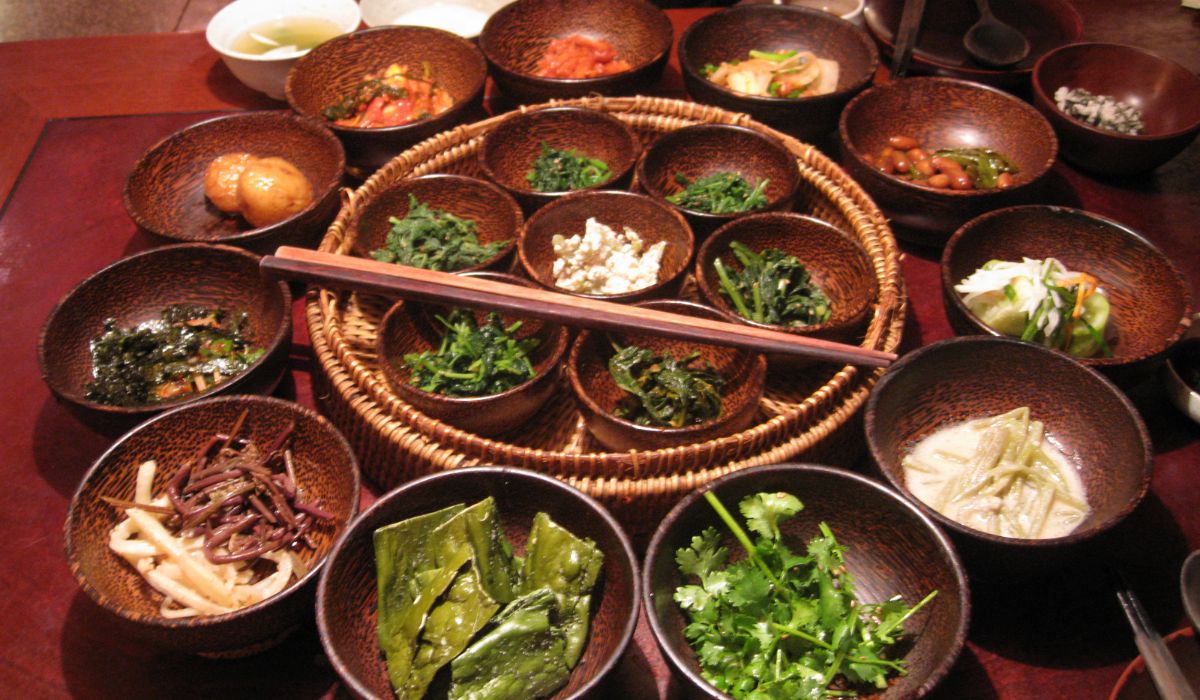
For many Indian vegetarians, South Korea can feel like a challenging destination. The country’s global food identity is closely associated with Korean barbecue, seafood markets, fried chicken, and meat-heavy street food. This has led many travelers to wonder whether they’ll find enough vegetarian food in South Korea. While that concern is understandable, the country has become significantly more accommodating to plant-based diners over the past decade. Vegan cafés, Buddhist temple cuisine, dedicated vegetarian restaurants, and clearly labeled plant-based products have become much easier to find, especially in cities such as Seoul and Busan. However, hidden animal ingredients remain common in traditional Korean cooking. This unstumbled guide explains what Indian vegetarians need to watch out for, essential Korean phrases to use while dining, authentic vegetarian-friendly Korean dishes, recommended restaurants, convenience store hacks, and the best digital tools to make eating in South Korea easier and more enjoyable.
What Vegetarians Should Know Before Visiting South Korea
One of the biggest surprises for first-time visitors is that many dishes that appear vegetarian are not actually meat-free. Here’s a list of items that you need to be careful about:
1. The Hidden Anchovy Broth Trap
Many Korean soups (guk), stews (jjigae), noodle broths, and even the sauce used for tteokbokki are traditionally prepared using dried anchovy (myeolchi) broth, often combined with kelp. Even when no visible meat is present, the base stock may contain fish. Always ask whether a dish contains 멸치 육수 (myeolchi yuksu) before ordering.
2. Fish Sauce In Kimchi
Kimchi may look like a simple fermented vegetable side dish, but traditional recipes commonly include jeotgal, fermented seafood such as shrimp, or fish sauce. As a result, most standard restaurant kimchi is not strictly vegetarian or vegan. Some vegan restaurants and Buddhist temples prepare kimchi without seafood, but it should never be assumed.
3. Hidden Pork, Beef, And Fish Ingredients
Several vegetable-based dishes often contain hidden animal ingredients unless specifically requested otherwise. Examples include Vegetable gimbap, which may contain ham, imitation crab, tuna, or fish cake. Japchae is frequently cooked with beef or meat-based stock. Kimchi fried rice is often prepared with bacon, ham, or pork. Vegetable stir-fries may also be cooked using oyster sauce or meat stock. When ordering, ask for vegetables only and clearly specify that you do not eat meat or seafood.
Korean Phrases To Know For Navigating Restaurants
Keeping a few Korean phrases handy can make dining much easier.
- I am vegetarian: 저는 채식주의자예요 (Jeoneun chaesikjuuijayeyo)
- Please remove the meat: 고기 빼주세요 (Gogi bpae-juseyo)
- No meat, no seafood, no eggs: 고기, 해산물, 계란 없이 주세요 (Gogi, haesanmul, gyeran eops-i juseyo)
- Is there anchovy broth in this?: 멸치 육수 들어가나요? (Myeonchi yuksu deureoganayo?)
- Please make it with vegetables only (Jain/Pure Veg): 채소만 넣어주세요 (Chaeso-man neoh-eojuseyo)
If you follow a strict Jain diet, it is also advisable to explain separately that you do not eat onion and garlic, as this is not automatically understood by restaurant staff.
Korean Dishes That Are Authentically Vegetarian
While South Korea may seem tough to navigate for vegetarians, fret not! Here is a list of local dishes that are vegetarian, vegan, and even, in some instances, Jain-friendly!
1. Sachal Eumsik (Korean Temple Food)
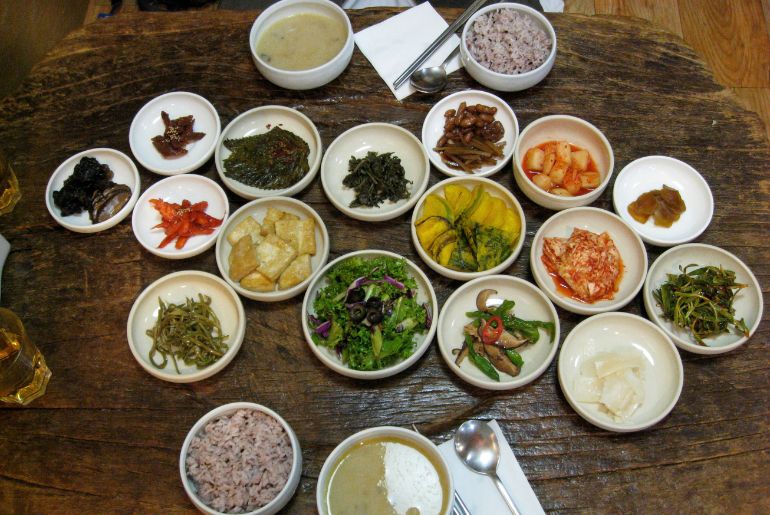
Temple food is one of the safest dining experiences for vegetarians. Rooted in Korean Buddhist traditions, it excludes meat, poultry, seafood, and animal stock. Many temple dishes also avoid the five pungent vegetables like garlic, onion, chives, scallions, and leeks. This makes them suitable for many Jain travelers. Recipes vary by temple, so confirming ingredients remains advisable.
2. Vegetable Bibimbap (Yachae Bibimbap)
Bibimbap consists of steamed rice topped with seasoned vegetables and gochujang (Korean chili paste). Ask for: No egg, no minced beef; sesame oil optional, according to preference
3. Vegetable Gimbap (Yachae Gimbap)
Vegetable gimbap can be an excellent quick meal when prepared without ham, tuna, crab sticks, or fish cake. Always verify the filling before ordering.
4. Kongguksu
A refreshing summer specialty, kongguksu features noodles served in freshly ground soybean broth. It is naturally vegetarian in many restaurants, although checking the noodles and broth ingredients is still recommended.
5. Pajeon And Bindaetteok
Green onion pancakes (pajeon) and mung bean pancakes (bindaetteok) can sometimes be prepared without seafood or meat. Since recipes vary, confirm that the batter and filling do not contain seafood, meat, or eggs if required.
6. Gimmari/Kimmari
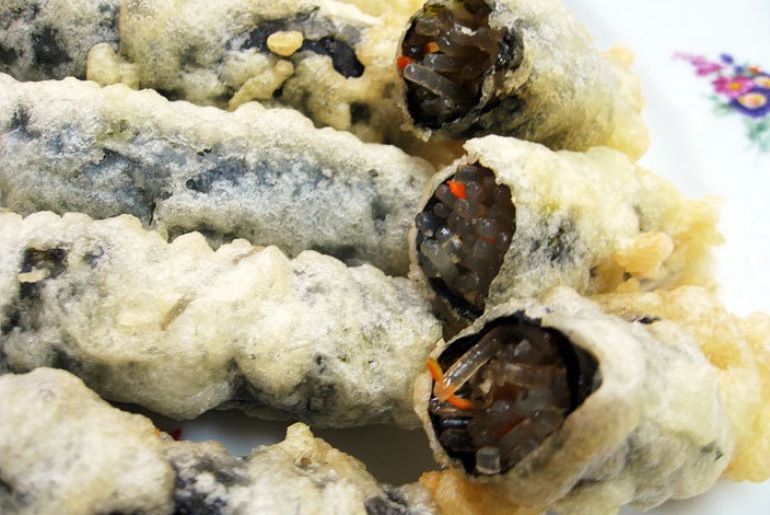
Gimmari is a popular Korean street food made of seasoned glass noodles wrapped in dried seaweed, coated in batter, and deep-fried. The key components are sweet potato glass noodles (dangmyeon), dried seaweed sheets (gim), and a light frying batter.
Where To Find Vegetarian Food In South Korea
Growing interest in sustainable eating, health-conscious lifestyles, and increasing international tourism has encouraged restaurants and convenience stores to expand vegetarian offerings. Here is a short list of places you can check out in two of the major cities in South Korea, Seoul and Busan:
Seoul
Plant (Itaewon and Yeonnam): It is one of Seoul’s best-known vegan cafés, offering vegan brunches, desserts, sandwiches, pasta, and baked goods.
Veg Green: They serve vegan buffet-style meals featuring Korean-inspired dishes and seasonal vegetables.
Vegan Insa: Located in the Ikseon-dong area, Vegan Insa specializes in traditional Korean cuisine prepared without animal products.
Jyoti Indian Restaurant: For Indian food, Jyoti Indian Restaurant is a popular choice among Indian travelers. It offers vegetarian menus and accommodates requests for Jain-style preparations when possible.
Chakraa: Another restaurant that’s well-known for Indian food. As with any restaurant, confirming specific dietary requirements before ordering is recommended.
Busan
Nayantara: This restaurant is well known for vegetarian Indian curries, dal, rice dishes, and freshly baked naan.
Punjab Indian Restaurant: This restaurant is particularly popular around the Haeundae area and serves North Indian vegetarian classics.
Home Vegan Café: This cafe offers plant-based bowls, sandwiches, smoothies, and coffee in a casual café setting. As restaurant ownership, menus, and operating hours can change, checking current listings before visiting is advisable.
Convenience Store Hacks And Helpful Apps
Major convenience store chains such as CU, GS25, and 7-Eleven increasingly stock vegetarian-friendly snacks. Safer options often include roasted sweet potatoes, roasted chestnuts, bananas, plain nuts, salted edamame, fresh fruit, and some certified vegan products. Vegan gimbap is available at selected locations but should be identified by its packaging and ingredient list rather than assumed.
For navigation, Naver Map generally provides more accurate local information than Google Maps within South Korea. Pairing it with HappyCow makes locating vegetarian and vegan restaurants much easier. Meanwhile, Papago, developed by Naver, includes image translation that can scan Korean menus and ingredient labels, helping identify hidden meat, seafood, or fish-based additives.
Also Read: Can You Visit South Korea On A Budget? Guide & Budget Hacks For Indians
Summing Up
South Korea is no longer an impossible destination for Indian vegetarians. While hidden seafood and meat ingredients remain common in traditional cooking, learning a few Korean phrases, choosing Buddhist temple cuisine, using reliable restaurant apps, and checking ingredients carefully make vegetarian travel both practical and enjoyable. With a little preparation, you can experience Korean cuisine without compromising your dietary preferences.