How To Explore Udupi: Temples, Beaches And Coastal Flavours
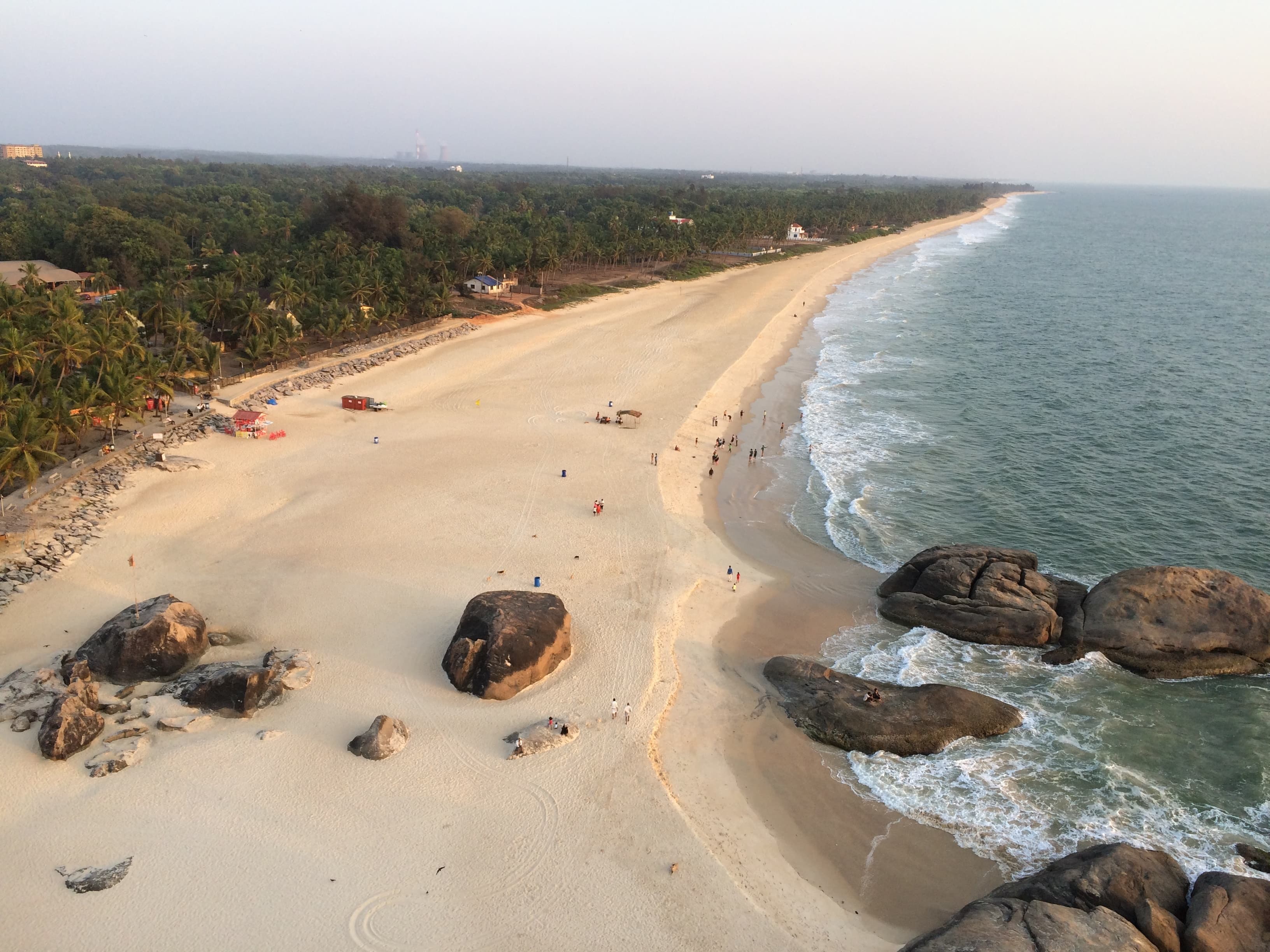
Apart from being a place massively popular for its temples, Udupi is known for its beautiful beaches. Here's our ultimate Udupi travel guide for you.
How To Explore Udupi: Temples, Beaches And Coastal Flavours
There are various legends associated with the name Udupi. For one, it's believed that it’s a direct derivation from its Tulu name Odipu, and many have been convinced by this fact. Another legend states that the name originates from two Sanskrit words Udu and Pa, which mean “stars” and “lord”. Many people claim that Chandra prayed at the Chandramouleshwara temple at Udupi, where he constructed that linga which can be seen to this very day. According to this legend, Udupi is called the “Lord of the Stars”.
Other such interesting legends emboss the surroundings of Udupi, specifically in its temples. This city, located 60 km from Mangalore, has an immense temple culture. Each temple tells a unique story and that’s why many from far and wide come just to sit in reverence in its corridors. The Krishna Temple is one such temple you need to visit for its history and legends surrounding its creation.
Also Read: How To Explore Udupi In 2-Days, Top 10 Places And Restaurants To Visit
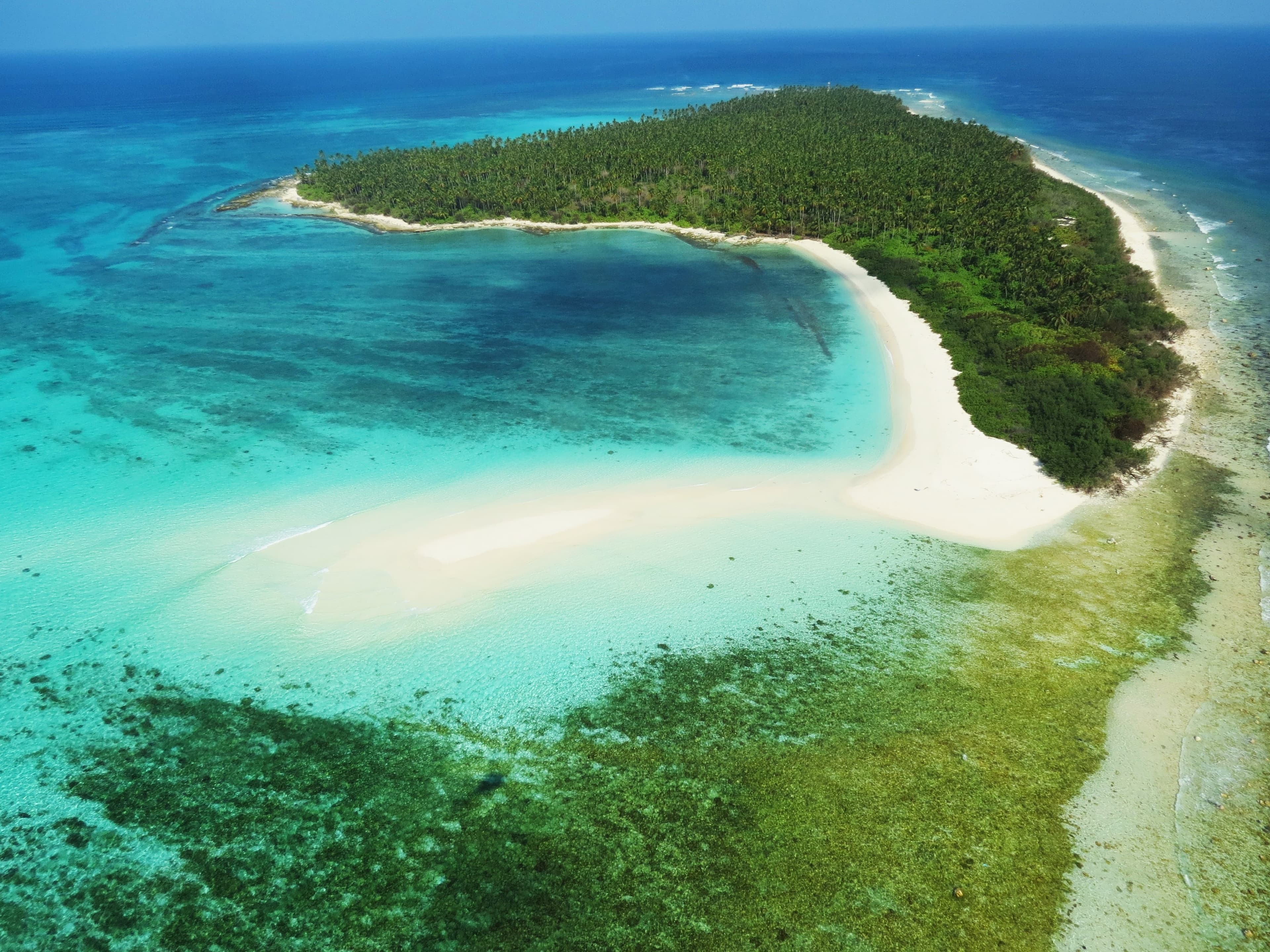
Apart from being a place massively popular for its temples, Udupi is known for its beautiful beaches. One such beach is the Malpe beach, famous for its shacks selling fresh seafood. You’ll find Manipal, one of India’s most prestigious educational institutes located in urban Udupi. These are just a few of the many wonders we’ve described; Udupi offers more. Continue reading our Udupi travel guide to know more about what this city has in store for you.
History And Culture Of Udupi
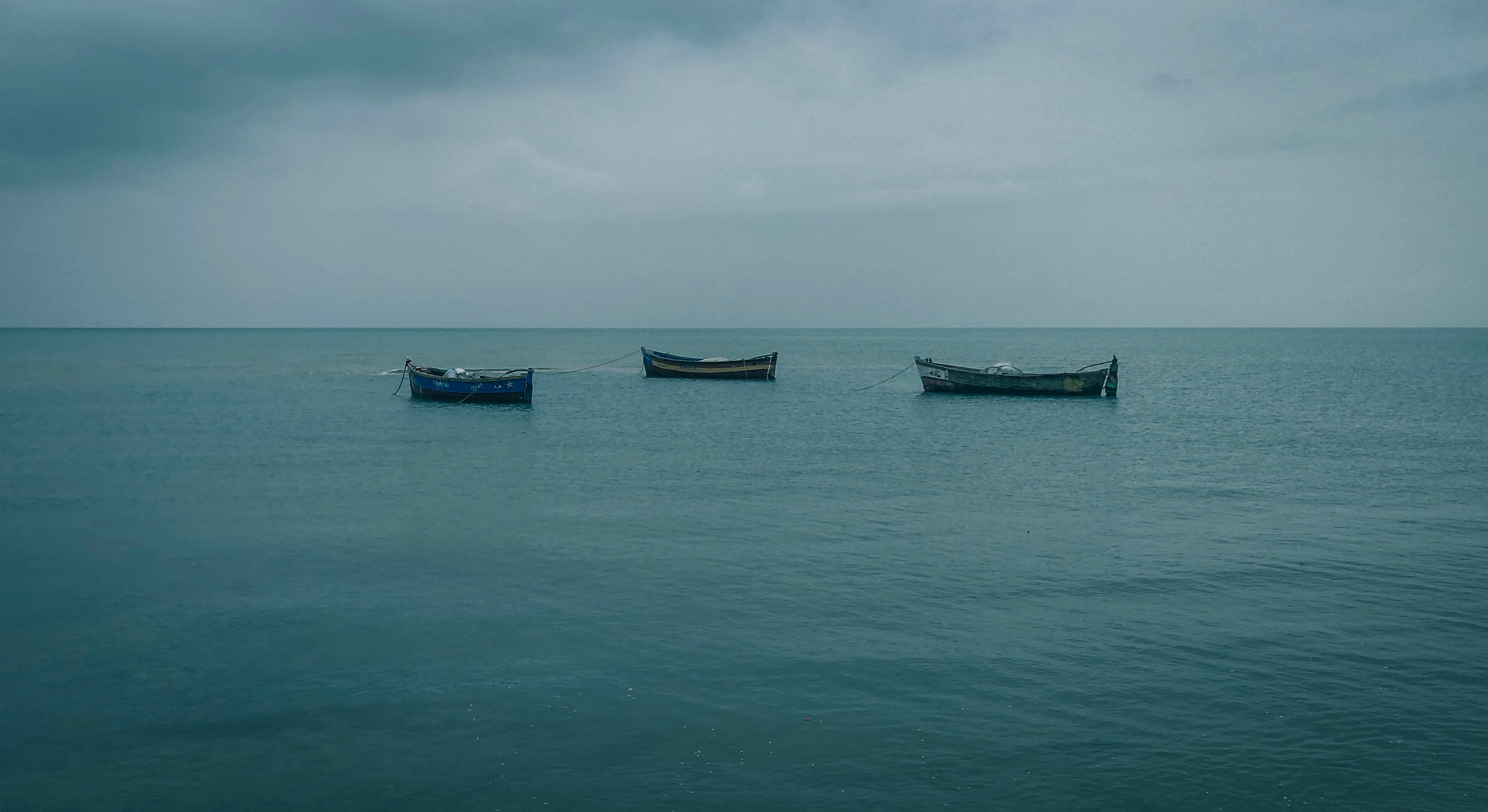
Udupi’s history dates back to the 13th century when a sage named Madhvacharya established Sri Krishna Temple. It is said that Madhvacharya somehow miraculously saved a ship using his supernatural powers from a raging storm in which it carried an idol of Lord Krishna. The ship was sailing from Dwaraka, Krishna’s once before hometown. As a form of gratitude, the captain of the ship rewarded the sage with the idol, after which it was enshrined by the sage in the Krishna Temple.
During his tenure at Udupi, Madhvacharya went on to establish eight Mathas (monasteries) where each Matha was overseen by one of his main disciples. These monasteries have been christened according to the village they are situated in Palimaru, Adumaru, Krishnapura, Puttige, Shiroor, Sode, Kaniyooru, and Pejavara.
Also Read: Udupi Reimagined: Viewing My Hometown Through A Different Lens
Paryaya Festival
Once every two years on the 18th of January, the Paryaya festival is celebrated in the halls of the Krishna temple. It’s one of Udupi’s most revered festivals, where the puja (ritual) rights are passed from the Swamiji (priest) of one Matha to the Swamiji of the other Matha. Each priest from the 8 Mathas gets a chance to perform the rituals of the Krishna temple and this tradition continues till this very day. People from each of these villages come together in communal harmony to decorate the Krishna temple and indeed it’s a sight to behold.
Krishna Janmashtami
Another festival that constitutes the culture of Udupi is Krishna Janmashtami. Here, men dress themselves up in various tiger costumes and go door-to-door for donations. Since Krishna Janmashtami marks the birth of Lord Krishna, people offer delicacies and prasad to the idol. You could even partake in some of the ongoing rituals if you happen to be in Udupi during that time. In addition to the rituals, locals take part in Pili Yesa, a traditional folk dance exhibited on the streets. Pilli literally translates to “Tiger” in Tulu.
Bhuta Kola
Udupi is one of India’s spiritual hubs, and it won't be surprising to know that this city has a variety of spiritual traditions. The Tulu community reveres Bhuta Kola, a traditional ritual that invokes the spirits for their blessings of prosperity and fertility. “Bhuta” means spirits, or supernatural beings, whereas “Kola” means to worship.
Yakshagana is another cultural tradition that is deeply observed in this city. The term literally translates to “songs of the Yaksha” and it’s a form of theatre where locals perform a myriad of songs, dances, and dialogue. From costume design, to stage setting, everything is included while performing Yakshagana. The music comprises Carnatic compositions inspired by various ragas, and these tunes are known as “Mattu” and “Yakshagana Tala”. The dramatical plays are enactments of Indian Epics, and stories from ancient scriptures such as the Puranas.
Udupi Cuisine
Last, but not least, we come to Udupi’s cuisine. Every city in India has a cuisine far distinct from the other, and Udupi is not short of any scrumptious delicacies. Although this city’s cuisine is strictly vegetarian, it has a variety of delicacies catering to different taste buds. For starters, the well-renowned Indian delicacy, the dosa, is said to have begun from Udupi. Finding dosas in this city is as easy as spotting a car on a busy street. And the best part is, they’re served at any part of the day, irrespective of whether it’s breakfast, lunch, or dinner.
Next, we have kadubu or moode, idlis in cylindrical form steamed in jackfruit leaves and served with a hot bowl of curry. Goli Baje, a popular deep-fried snack made with flour, maida, curd, green chilies, and ginger, goes well with your cup of tea. And pathrade, a dish made up of cut-up colocasia leaves with black gram paste and rice; it’s steamed first and then fried.
Also Read: Experiencing A Day Trip To St. Mary’s Island Near Udupi
How To Get To Udupi
From Bangalore, the capital of Karnataka, Udupi is approximately 406 km. If you live in the capital, a train journey would be the most feasible option, but traveling by car is equally rewarding, as it gives you enough opportunity to inhale the state’s beauty. Especially the drive at Agumbe ghats, it’s beautiful and surreal!
By Air: Unfortunately, there’s no direct flight to Udupi. You’ll have to make your stop at the Mangalore Airport, which is approximately 60 km away from the city. You can book a taxi once you reach the airport, and it’ll take you around one and a half hours to reach. Getting a flight won't be a hassle as nearly every major airline flies to the Mangalore Airport. But, ticket prices fluctuate according to the season, so you need to be a bit mindful of that if you’re traveling on a budget.
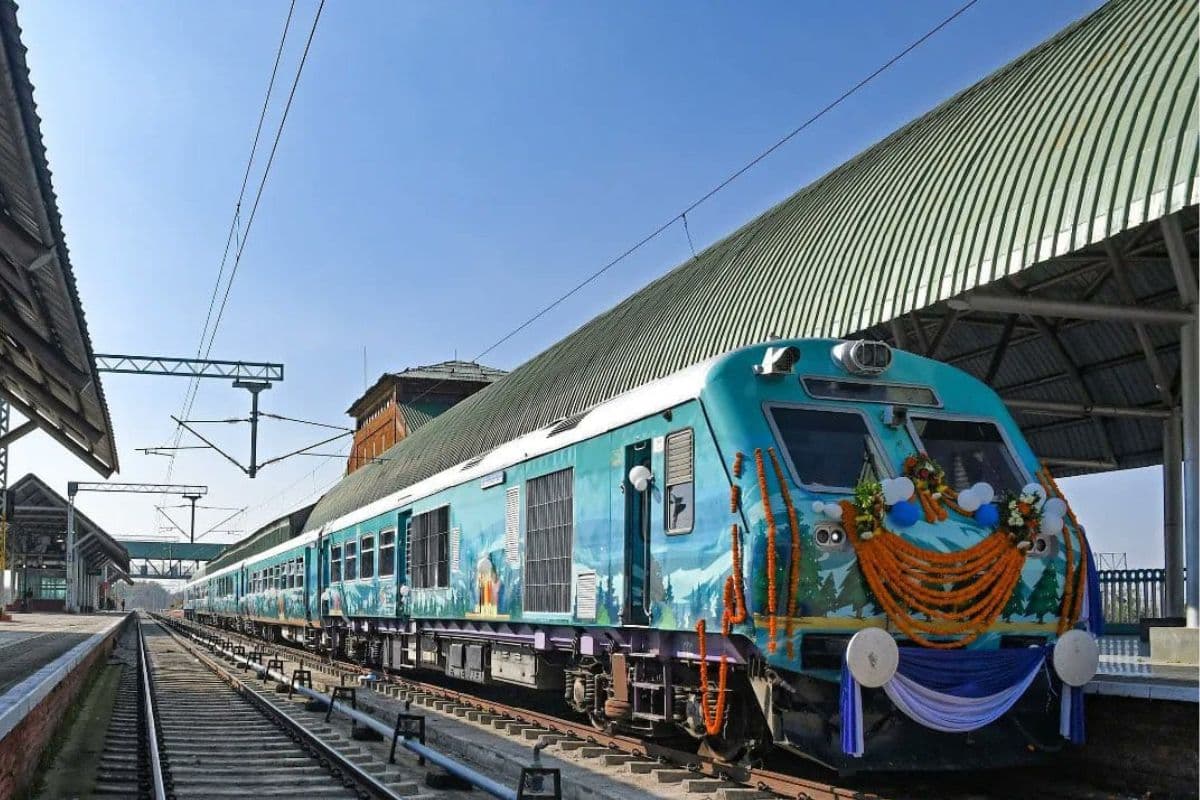
By Rail: You have the Udupi Railway Station on the Konkan Railway route. You’ll find trains such as the Mangaluru Express, Netravati Express, the Panchganga Express making frequent stops at this station. There’s a lot of frequency, so where availability is concerned, you won't have a problem.
By Road: Udupi has a well-integrated network with other cities on the western coast. Right through Udupi, you have the NH-66 connecting Mumbai, Goa, Mangalore, and Kochi. Drive only if you have enough experience of driving on Indian roads, if not hire a cab driver. If you prefer to travel by bus, then you won’t be disappointed. Many buses travel to and fro from major southern cities and Maharashtra to Udupi. You can choose Volvos, which are particularly AC buses, Airbuses, or KSRTC buses; it all depends on your budget.
If you’re traveling from Bangalore, you’ll have to pass Mangalore via ghats that can get a bit too dangerous, especially during the monsoons. So, make a few calls in advance and enquire if it’s safe to travel on those ghats.
Best Time To Travel To Udupi
If you’re looking for a season that’s just pleasant enough to enjoy the climate while sightseeing, then you should visit Udupi during the winters (October - February). Temperatures fall between the 10°C to 30°C range, which is a great relief from the otherwise oppressive summers. Winters are peak tourist season since many of Udupi’s cultural festivals are celebrated during this time.
The monsoons (July - September) aren’t lenient to Udupi residents. If you plan to visit Udupi during this time, you may have to reschedule excursion plans as it’s impossible to go out. The only plus side is you get to see Udupi covered in a sea of green velvet during this time. The greenery around you will certainly refresh and rejuvenate your mind.
Now we come to Udupi’s summers (March -June). Although daytime temperatures rise to unbearable levels, evenings are generally cooler. This is the city’s off-season, and it’s the least crowded. So, if you’re looking to enjoy a day in the sand without much disturbance, then visit during summers. Don’t forget your sunscreen and summer hat though!
Also Read: 10 Best Bioluminescent Beaches In India You Must See
Getting Around Udupi
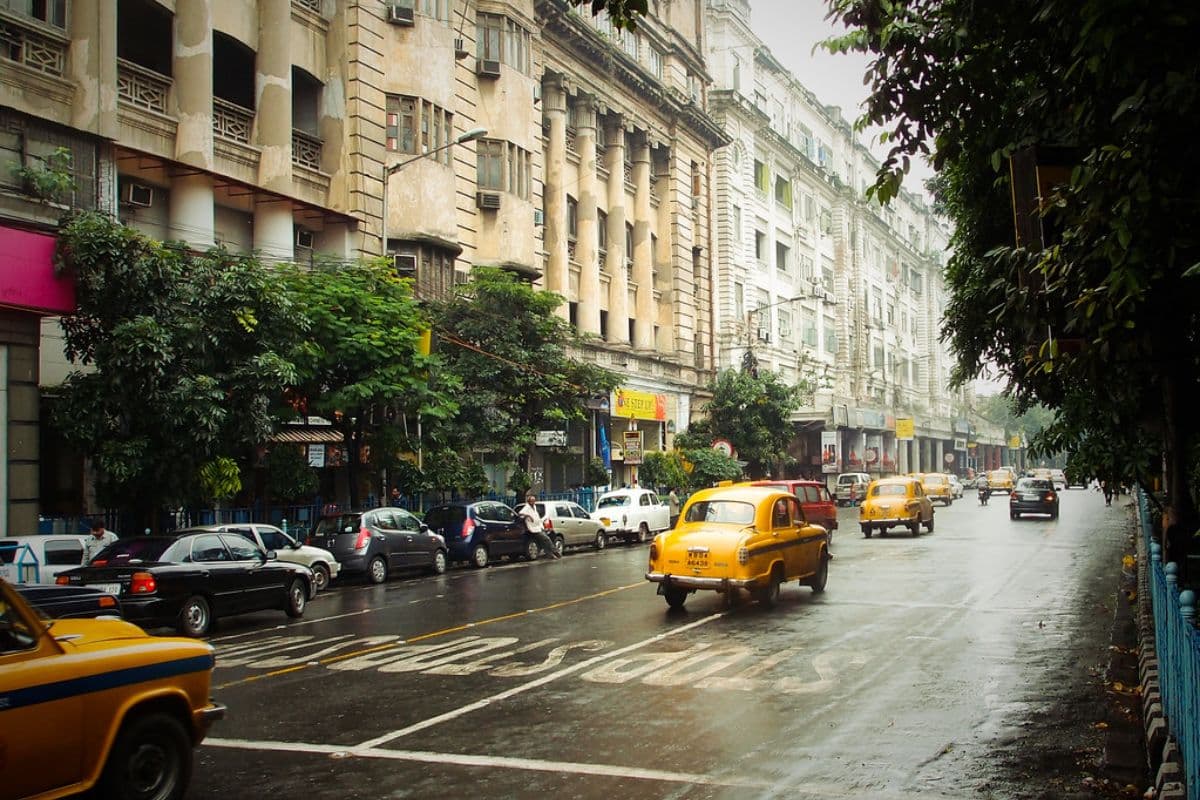
By Cab: Taxis are easily available at taxi stands and they’re in every nook and corner of the street. Make sure that they’re metered, so you don’t end up paying more than you should. Or, you could always Ola or Uber your way to get around.
By Rickshaw: Rickshaws are a great way to travel around the city and experience some of that hustle and bustle. Also, they're cheap and can be easily halted while they’re on road. Fares start at INR 17 for the first kilometer, and they increase in small amounts after that. Again, make sure that the rickshaw goes by the meter to avoid being scammed.
By Bus: Udupi has one of the nation’s well-planned private bus transportation systems. They can be seen operating on every street, and many locals still use this system to complete daily chores. Bus fares start at INR 12 for 6.5 km. After that, the rate increases going up to around INR 85 for 71.5 km.
Breaking Stereotypes About Udupi
“Udupi=Dosa”
Udupi restaurants indeed make some of the best dosas in the country, but Udupi is more than just its wonderful cuisine. Its unexplored forests, warm beaches, deep-rooted temple history, and legends surrounding the genesis of this city are enough proof to scrap away that stereotype.
Malpe Beach
Considered as one of Udupi’s more serene beaches, this little pocket of heaven is situated just 6 km from Udupi. Apart from appreciating its calming palms, and golden sands, you’ll notice the bustling fishing harbor, which is not far away from the beach. After you’ve had your share of enjoying this pleasant atmosphere, you can then visit the Balarama Temple and Malpe’s oldest tile factory, which is again, not far from the shore.
Mary’s Island
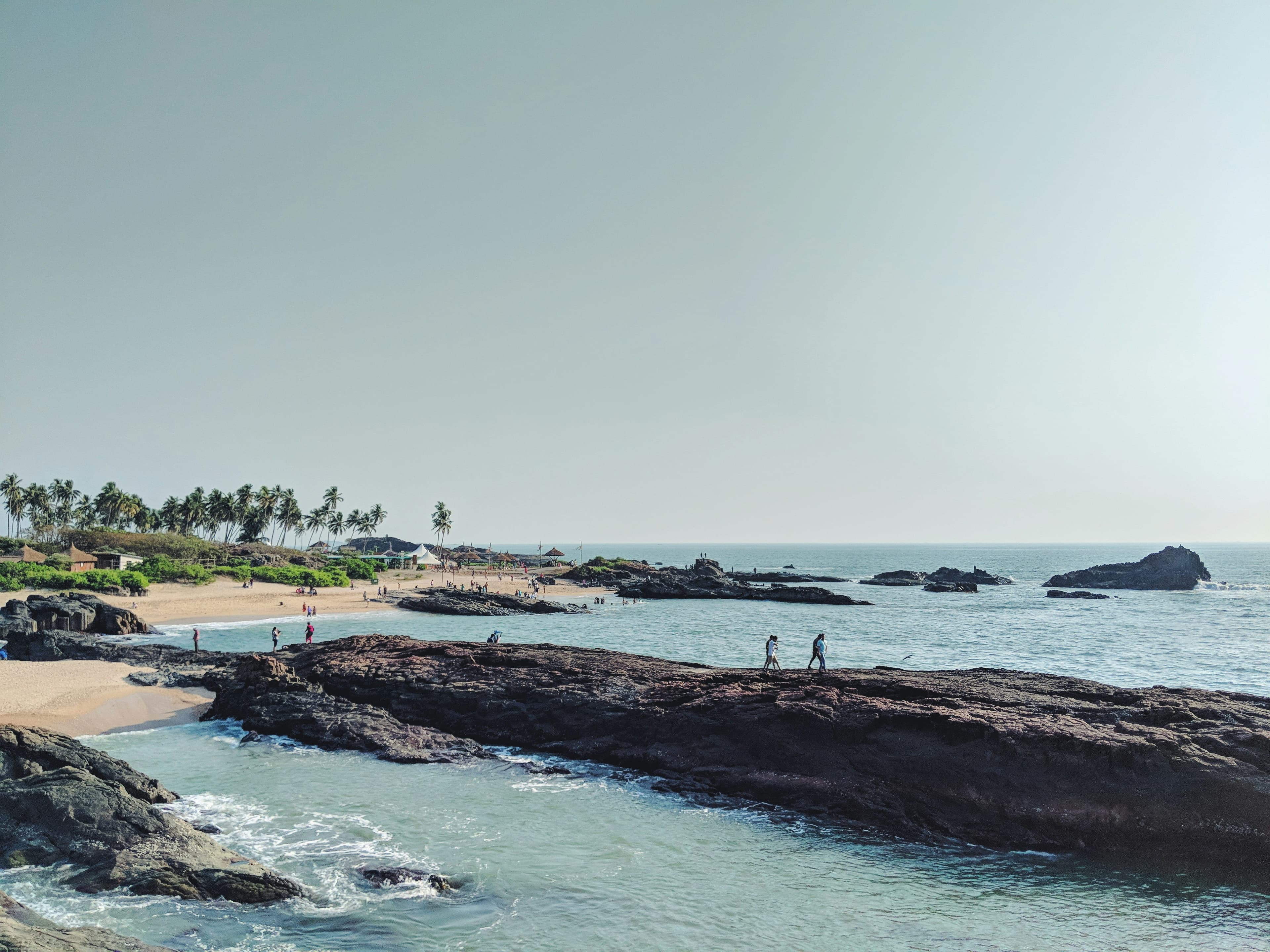
Being surrounded by serene waters is quite an enthralling experience. St. Mary’s Island, which is just a 30-minute boat ride from Malpe harbor, will make sure your eyes are pampered. What makes this island a must-visit is the fact that it’s revered for its rock formations. Due to this geological significance, this place has been declared as a National Geological Monument. Also, the cross that Vasco Da Gama affixed on the island is still there to date.
Kollur Mookambika Temple, Kollur
The Kollur Mookambika Temple is embedded against the backdrop of the Western Ghats, and it makes for a calming environment if you want to take your mind off things. This temple is regarded as one of Udupi’s most sacred spots of worship to honor the Goddess of immense power and strength. It is said that Adi Shankaracharya, the philosopher, might have roamed through the walls of this temple while atoning his sins.
Summing Up
Udupi is every nature lover's dream. From a rich history to amazing food and fun experiences to try, there's something for everyone. The next time you're in Udupi, do not forget to make use of our handy Udupi guide!
- Published:
- Updated:

Related stories