Forgotten Recipes, 13 Regional Zones: Inside The Great Indian Feast Trail In Mumbai
Explore The Great Indian Feast Trail in Mumbai from November 27–29, 2026, with 13 regional zones, 400+ dishes, traditional kitchens and chef-led experiences.
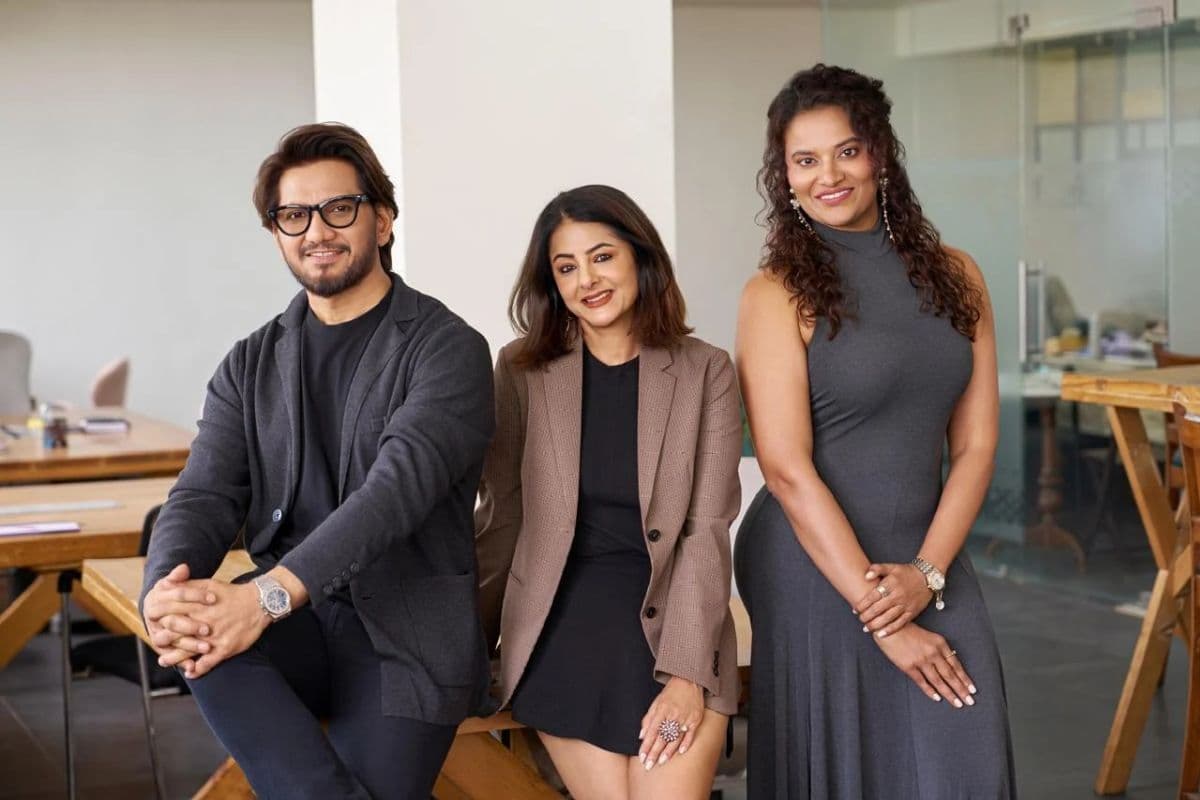
They say when great minds come together, the result is always amazing. That is exactly how the Great Indian Feast Trail was born! The Experience Edit aims to bring India’s lost, forgotten, and some unexplored recipes and cuisines to the people through this event. It is India’s first immersive food and cultural festival and will be hosted for three days (November 27, 28, and 29) at the Jio World Garden, BKC, Mumbai. We, at unstumbled, met the founders behind this experience, Sapanjeet, Riyaz & Khushbu, to understand the concept even better.
In Chat With Sapanjeet, Riyaz & Khushbu, Co-Founders, The Experience Edit
unstumbled: What sparked the idea of creating The Great Indian Feast Trail?
Between the three of us, we've spent decades building brands, running large businesses, and producing experiences in India, and we kept noticing the same gap. Every region, community, and household in India has its own food story, yet none of it had a single big stage. India has film festivals, music festivals,s and literature festivals, but nothing at scale that celebrates our regional food and culture together.
The food India actually eats at home is very different from what's on restaurant menus, and most of it never travels beyond its own community. When we started The Experience Edit, we wanted our first IP to be something only India could create, and the world would want to experience. GIFT came from a simple question: what if you could walk across India in an afternoon, through its food?
Also Read: Ooty Vs Kodaikanal In November: Which Is Better For A 3-Day Trip?
unstumbled: How do you think this festival will help change the way the world perceives and experiences Indian cuisine beyond standard restaurant stereotypes?
For most of the world, Indian food still means a handful of North Indian restaurant dishes. That's a tiny part of the story. At GIFT, you'll eat foraged Himalayan food, smoked North-Eastern dishes, tribal cooking, sattvik temple food, and recipes from royal kitchens that have never been served publicly.
More importantly, you'll meet the people who cook them. When food comes with its context (who makes it, why, and for which occasion), people stop seeing “Indian food” as one cuisine and start seeing a hundred. That's the shift we want to take to London, Dubai, Singapore, New York,k and Toronto.
unstumbled: How difficult was the process of creating such a massive 13-zone immersive cultural journey logistically?
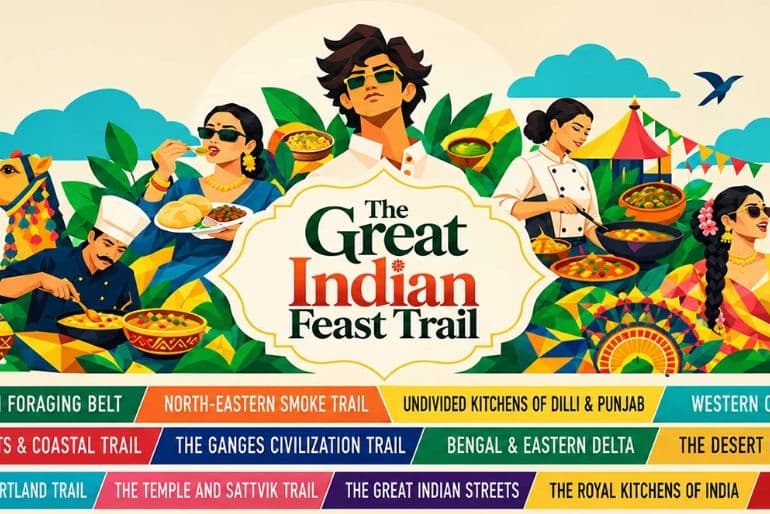
Honestly, it's like producing 13 festivals under one roof. Each trail has its own chefs, ingredients, artisans, music, and design language, and many participants are travelling to Mumbai for the first time with recipes that depend on very specific produce. We built the production plan across 13 parallel workstreams, and we've had to adapt traditional cooking methods to the venue's rules. The hardest part wasn't scale. It was keeping every zone authentic while making it all feel like one seamless journey.
unstumbled: How did your team track down indigenous, forgotten, or hyper-local regional cuisines that rarely make it out of their home communities or native geographies?
We decided early that a national search would only find the usual names. So we hired regional specialists for each of the 13 zones: people who know the communities, speak the language, and know whose kitchen to knock on. That's how we found home cooks, community kitchens, tribal chefs who are coming especially for GIFT, and royal households willing to open their palace kitchens to the public for the first time. A lot of this food has never left its home community. Earning that trust took longer than anything else.
Also Read: Where Is Nankana Sahib? Can Indians Visit Guru Nanak's Birthplace In Pakistan?
unstumbled: If a first-time visitor walks in with only a few hours to spare, which specific trail or dish do you think they must not miss?
Start with The Royal Kitchens of India. Having royal households from Rampur, Kangra, and Dhenkanal serving palace food at a festival is a first. Then go to the Forest & Tribal Heartland Trail, which is food you simply won't find in a city. If you want comfort food, go for the legends from Delhi, like Al Kausar's kebabs or Sitaram's chole bhature. Try to arrive after 4 PM, when regional dancers perform in their own trails, and catch one of the evening masterclasses on the main stage.
unstumbled: What is the long-term roadmap for The Great Indian Feast Trail? Do you plan to take this intellectual property to other cities?
GIFT was built in India but designed for global scale from day one. After Mumbai, we plan to take it to London, Dubai, Singapore, New York,k and Toronto by 2028, where Indian diaspora audiences and global food lovers are both hungry for something deeper than the curry-house version of India. We're also building communities around GIFT that live all year, beyond the three festival days. And GIFT is the first of several IPs from The Experience Edit.
Also Read: Where Is This Scenic Train Journey? Traveller's Video Sparks Curiosity
About The Great Indian Feast Trail (GIFT)
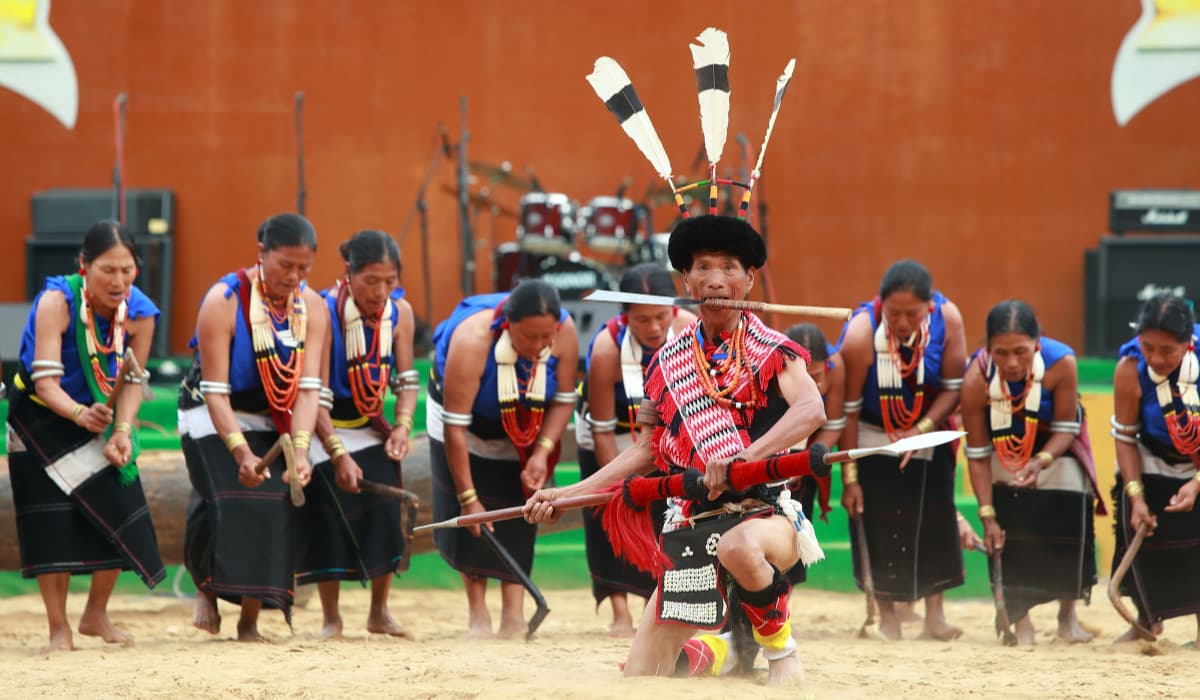
The Great Indian Feast Trail is India’s first immersive food and cultural festival. It is set to feature about 13 regional zones with 100 stalls and 400 dishes. You can walk into the region, meet the people who carry these amazing recipes, and taste the culture behind every dish. It is not just food; there will be folk dances and decor too to give you a wholesome and unforgettable experience.
The event will also host masterclasses where there will be live sessions with some of the maestros from the culinary world. This includes Gauranga Das, Chef Ajay Chopra, Chef Suresh Pillai, and Chef Varun Inamdar.
Dates: November 27, 28, and 29
Timing: Gates open at 11 AM
Venue: Jio World Garden, BKC
Ticket Price: INR 499
Book tickets: BookMyShow
- Published:
- Updated:
About the author
Vaishalee Kalvankar
Vaishalee Kalvankar writes about travel and food for unstumbled. With five years of content and event management experience, she has worked at Curly Tales India, Curly Tales Middle East, Tit Bit Foods, Minority, and Seventy Seven Entertainment. She holds a postgraduate degree in media, entertainment, and marketing from KES Shroff College in Mumbai. Apart from writing, she is a traveller at heart who also loves dancing, drawing, and reading. Her expertise in festive travel recommendations and...
Related stories