
Things You Should Never Do While Flying: 10 Mistakes To Avoid
Flying comes with important safety rules that every traveler should know. From ignoring cabin crew instructions and mishandling power banks to standing up too early, here are 10 common mistakes to avoid during a flight.
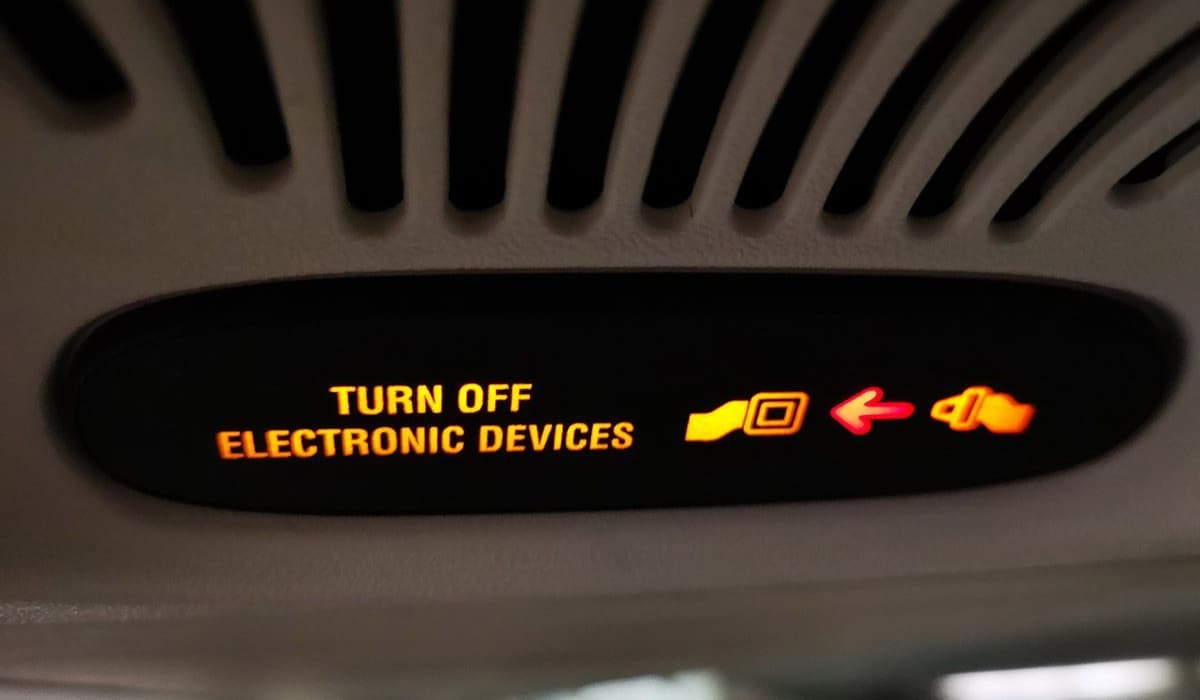
Flying can be exciting, whether you're heading out on a vacation, visiting family, or traveling for work. However, even frequent flyers sometimes overlook basic rules that make air travel safer and more comfortable. From ignoring seatbelt signs to mishandling electronic devices, certain habits can cause unnecessary trouble during a flight.
While some mistakes are simply poor travel etiquette, others can put passengers at risk or violate aviation safety regulations. Knowing what to avoid can make your journey smoother and help you stay prepared for unexpected situations. Here are 10 things you should never do while flying.
What You Should Not Do On A Flight
1. Never Ignore The Seatbelt Sign
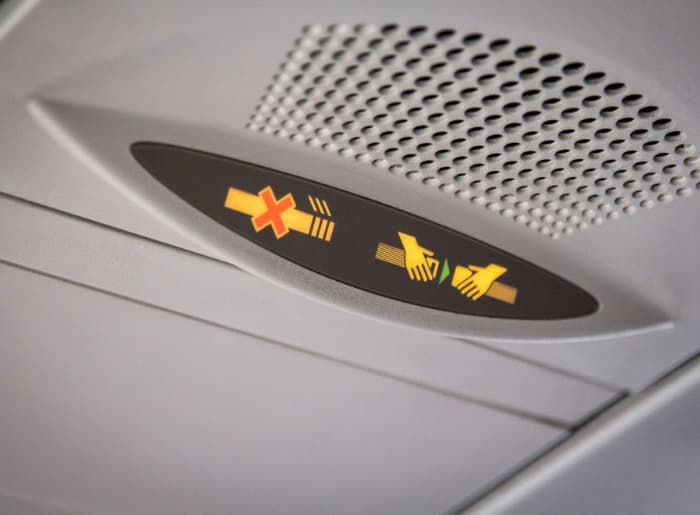
Unfastening your seatbelt as soon as the aircraft reaches cruising altitude might seem harmless, but unexpected turbulence can occur without much warning. Sudden movements can cause injuries, particularly when passengers are standing or sitting without their seatbelts fastened.
The Federal Aviation Administration (FAA) recommends keeping your seatbelt fastened whenever you're seated, even when the sign is switched off. You should also avoid standing during takeoff, landing, or whenever the cabin crew instructs passengers to remain seated.
2. Never Ignore The Safety Demonstration
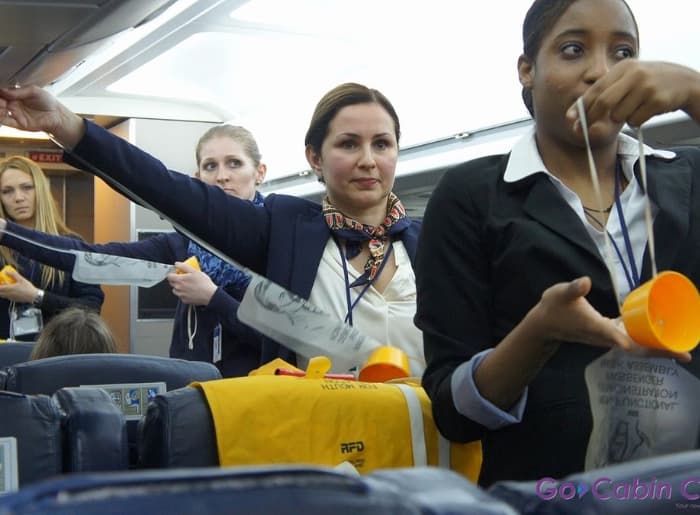
Frequent flyers often skip the safety demonstration because they've heard the instructions countless times. However, emergency exits, safety equipment, and evacuation procedures can differ depending on the aircraft.
Pay attention to the cabin crew's instructions and locate the nearest emergency exits before takeoff. Reading the safety information card can also help you understand what to do during an unexpected situation.
3. Never Use Power Banks Against Airline Rules
Power banks are convenient for keeping your devices charged, but they come with important restrictions. In India, the Directorate General of Civil Aviation (DGCA) issued an advisory in November 2025 asking airlines to prohibit passengers from using power banks to charge electronic devices during flights.
Under international aviation guidance introduced in 2026, passengers are limited to two power banks of up to 100 watt-hours each. These must be carried in cabin baggage, not checked luggage. Passengers must not recharge power banks onboard, and airlines may impose stricter rules. Always check your airline's policy before traveling.
Missed your connecting flight because of a delay? Find out what the airline actually owes you and what compensation or assistance you may be entitled to.
4. Never Smoke Or Vape Inside The Aircraft
Smoking inside an aircraft is prohibited, including in the lavatories. Attempting to smoke secretly or tampering with smoke detectors can lead to serious consequences. Electronic cigarettes and vaping devices are also subject to strict restrictions, and their use onboard is prohibited.
If you're traveling with an electronic cigarette, check the applicable rules before packing. Some countries and airlines prohibit these devices entirely, while others have specific restrictions on carrying them. Never assume that something permitted at your departure airport will also be allowed during the flight.
5. Never Ignore Airplane Mode Instructions
Your phone might be an essential travel companion, but that doesn't mean you can use every feature throughout the flight. Airlines have rules governing cellular connections and other electronic devices.
Switch your phone to airplane mode or disable its cellular connection when instructed. You can generally use onboard Wi-Fi if the aircraft provides it and the airline permits it. Following these instructions helps ensure that passengers comply with the airline's operational requirements.
Curious about international flights from Navi Mumbai Airport? Discover the new routes, airlines, and everything travelers need to know
6. Never Block The Aisle Or Emergency Exits
Leaving your backpack in the aisle or placing luggage near an emergency exit might seem convenient, especially when overhead storage is full. However, improperly stored baggage can obstruct movement and create problems during an emergency.
Keep your belongings in the designated storage spaces and follow the cabin crew's instructions. Avoid standing in the aisle unnecessarily during boarding or disembarkation. Passengers seated near emergency exits should also understand their responsibilities and inform the crew if they cannot assist during an evacuation.
7. Never Recline Your Seat At The Wrong Time
Reclining your seat is generally permitted during parts of a flight, but timing matters. During takeoff and landing, passengers are usually required to keep their seatbacks upright. Ignoring these instructions can interfere with cabin safety preparations.
Even when reclining is allowed, consider the person sitting behind you. Check before moving your seat backward, particularly during meal service or when someone is using a laptop. A little consideration can prevent unnecessary disagreements in an already crowded cabin.
8. Never Stand Up Before The Aircraft Stops
The moment an aircraft lands, some passengers begin unfastening their seatbelts, reaching for overhead luggage, and preparing to leave. However, landing doesn't mean the aircraft has finished moving.
Wait until the aircraft has stopped and the seatbelt sign is switched off before standing. Avoid rushing to open overhead compartments, as bags may have shifted during the flight. Standing too early can increase the risk of injury if the aircraft brakes or moves unexpectedly.
9. Never Take Your Luggage During An Emergency Evacuation
One of the most dangerous mistakes passengers can make is attempting to retrieve their luggage during an emergency evacuation. Even a few seconds spent collecting a suitcase can delay other passengers trying to leave the aircraft.
The FAA and the International Air Transport Association (IATA) advise passengers to leave all belongings behind during an evacuation. Bags can block aisles, damage evacuation slides, and cause injuries. Follow the cabin crew's instructions, move toward the nearest safe exit, and never stop to take photographs or videos.
10. Never Disrespect Cabin Crew Or Fellow Passengers
Air travel involves sharing a limited space with people who have different needs and preferences. Playing loud music, watching videos without headphones, arguing over armrests, or repeatedly disturbing other passengers can make the journey uncomfortable.
Treat cabin crew members respectfully and follow their safety instructions. Avoid excessive alcohol consumption or behavior that could disturb others. While basic courtesy makes flying more pleasant, refusing legitimate safety directions can also lead to serious consequences.
Planning to book flights before your visa is approved? Find out what to make refundable and the important details to check before booking.
Author's Note
This article draws on official aviation safety guidelines issued by the Federal Aviation Administration (FAA), the International Air Transport Association (IATA), and India's Ministry of Civil Aviation. These sources provide information on in-flight safety procedures, seatbelt use, electronic devices, power bank restrictions, cabin baggage, and emergency evacuation protocols.
Summing Up
A comfortable flight isn't just about choosing the right seat or packing the perfect carry-on bag. It also involves understanding aviation rules, respecting other passengers, and following safety instructions throughout the journey.
Whether you're flying for the first time or taking your hundredth flight, these simple precautions are worth remembering. Paying attention to cabin crew instructions, handling electronic devices responsibly, and staying prepared for emergencies can help make your next journey safer and less stressful.
- Published:
- Updated:

About the author
Ayush Shashidhar
Social Creative Manager
Ayush Shashidhar is a Social Creative Manager at Moe’s Art, where he writes content for unstumbled. Ayush’s work involves researching topics, developing ideas, and writing informative content that is easy to read and engaging. Before joining Moe’s Art, Ayush worked as a Marketing Associate on projects with Titan Company Limited and boAt lifestyle. At Titan, he contributed to campaigns such as the Fastrack Smart Metal Series and the Titan Smart Crown Collection, working on campaign ideas,...
Related stories