

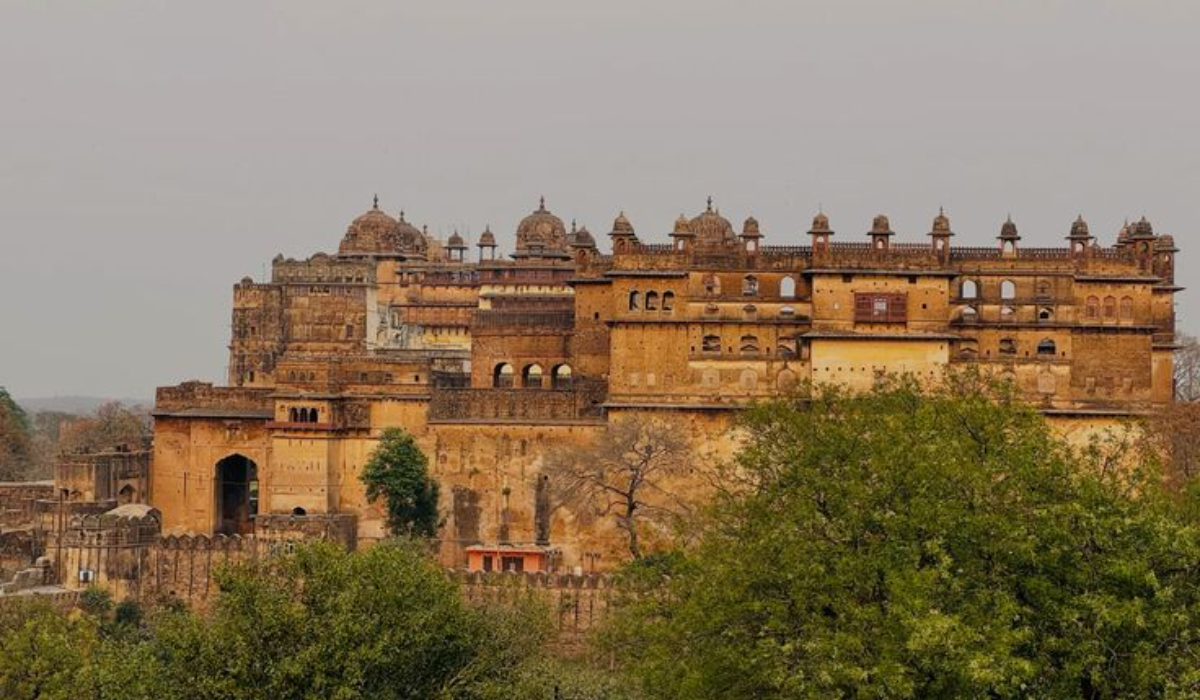
Imagine a city wherein history is not limited to museums and stories but rather a place where it survives through hilltop forts, palaces, temples, and most notably, in the story of Rani Lakshmibai. Jhansi, located in southern Uttar Pradesh, became one of the most significant centers of resistance during the 1857 uprising. Today, the city is best known for Rani Lakshmibai, Jhansi Fort, and its Bundelkhand heritage. For travelers interested in Indian history, Jhansi affords a chance to explore places directly connected with the events and personalities that shaped the country’s struggle against British rule.
Why Is Jhansi Famous For?
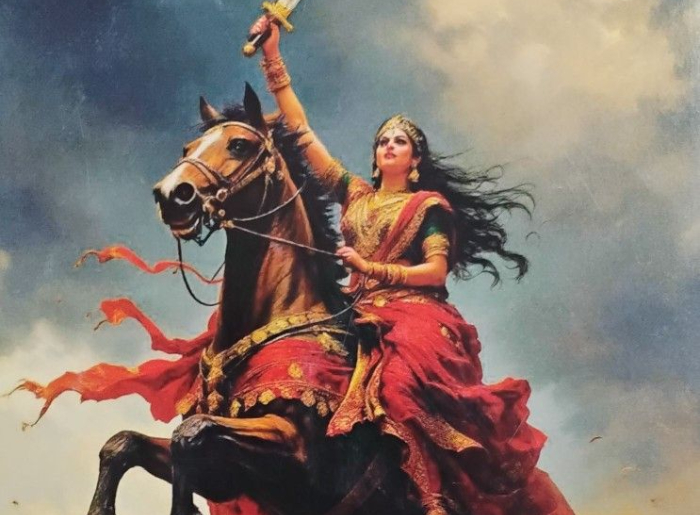
Jhansi is most famous as the city of Rani Lakshmibai, the warrior queen who became one of the defining figures of the 1857 uprising. Her resistance to British rule turned Jhansi into a lasting symbol of courage and opposition. The city is also known as the Gateway to Bundelkhand, reflecting its historical and geographical connection to the wider region. Its imposing fort, royal buildings, museums, temples, and monuments help visitors explore different chapters in the history of Jhansi, formerly known as Balwantnagar, a fortified settlement that developed around the strategic hill on which Jhansi Fort stands.
What Is The History Of Jhansi?
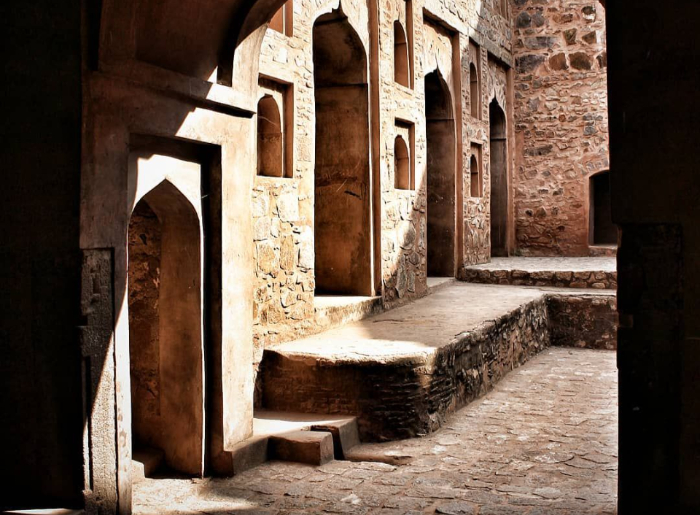
Jhansi’s early history is connected to the Chandela dynasty. The city grew in prominence after Raja Bir Singh Ju Deo of Orchha constructed Jhansi Fort on Bangra Hill in the 17th century. The fortified settlement around it was known as Balwantnagar. Jhansi later came under Maratha influence, and additions were made to the fort during this period.
The city’s most consequential chapter took place in the 19th century when Raja Gangadhar Rao ruled Jhansi and married Manikarnika Tambe, who became Rani Lakshmibai. After the death of their infant son, the king adopted Anand Rao and renamed him Damodar Rao. Following Gangadhar Rao’s death, the British refused to recognize the adopted heir under the Doctrine of Lapse and annexed Jhansi. This dispute became closely embedded in Jhansi’s role in the 1857 uprising.
Planning a trip to Orchha? Discover its top attractions, historic landmarks, and useful tips for exploring this heritage town.
Why Is Rani Lakshmibai Famous In Jhansi?
Her life changed following her husband’s death and the British decision not to recognize her son as the legitimate heir to the throne. She challenged the annexation, but the British ultimately took control of Jhansi. During the 1857 unrest, Lakshmibai rose as a military and political leader. She first defended Jhansi against neighboring forces and later faced a British siege. British troops recaptured Jhansi Fort in April 1858, but Lakshmibai escaped and continued resisting British forces. She eventually reached Gwalior and died in battle on June 17, 1858. Her command and death were immortalized as one of the most enduring figures associated with resistance to British rule.
Why Is Jhansi Fort Famous?
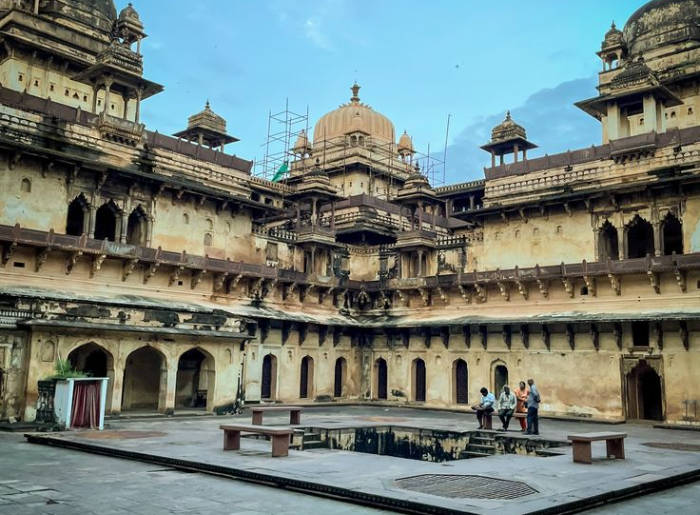
Raja Bir Singh Ju Deo of Orchha built it on the rocky Bangra hill, giving the fort a naturally commanding position. It has ten historic gates, including Khanderao Gate, Datia Darwaza, Unnao Gate, Laxmi Gate, Sagar Gate, and Orchha Gate. Visitors can see the Kadak Bijli cannon, temples, sculptures, memorials, and other remnants of the fort’s military past. Panch Mahal is another notable structure and was used by Rani Lakshmibai as a temporary war room during the 1857 uprising. The fort is also associated with her dramatic escape as British forces closed in. Together, these sites make Jhansi Fort much more than a viewpoint or architectural landmark.
Want to step into India’s past? Add these must-see forts to your itinerary for a journey through history, architecture, and remarkable views.
Places To Visit In Jhansi
Jhansi’s major attractions are closely connected with its royal, military, and religious history. If you are visiting the city, these are some of its most significant places to explore in Jhansi:
- Jhansi Fort: The city’s defining landmark is the starting point to understand Jhansi. Walk through its gates and explore the cannons, temples, memorials, ramparts, and structures associated with Rani Lakshmibai and the events of 1857.
- Rani Mahal: Once the residence of Rani Lakshmibai, this 18th-century palace is known for its painted walls and ceilings. It now functions as a museum and houses sculptures dating from the 9th to 12th centuries.
- Jhansi Government Museum: Visit for a better look at the region’s history and art. Its collection includes weapons, sculptures, manuscripts, paintings, terracotta objects, bronzes, and gold, silver, and copper coins.
- Raja Gangadhar Rao Ki Chhatri: Located near Lakshmi Tal, this cenotaph commemorates Raja Gangadhar Rao. Rani Lakshmibai had the memorial constructed after her husband died in 1853.
- Mahalakshmi Temple: This 18th-century temple dedicated to Goddess Mahalakshmi stands near Lakshmi Tal, outside the historic Laxmi Darwaza.
- Ganesh Mandir: The temple holds a special place in Jhansi’s royal history because the marriage ceremony of Rani Lakshmibai and Raja Gangadhar Rao took place here.
- Barua Sagar: Located outside the main city, Barua Sagar is known for its lake as well as historical fort and temple remains. It is worth adding if your Jhansi itinerary goes beyond the city’s principal monuments.
Exploring beyond Triveni Sangam? Discover 10 places in Prayagraj that showcase the city’s history, culture and heritage.
Best Time To Visit Jhansi?
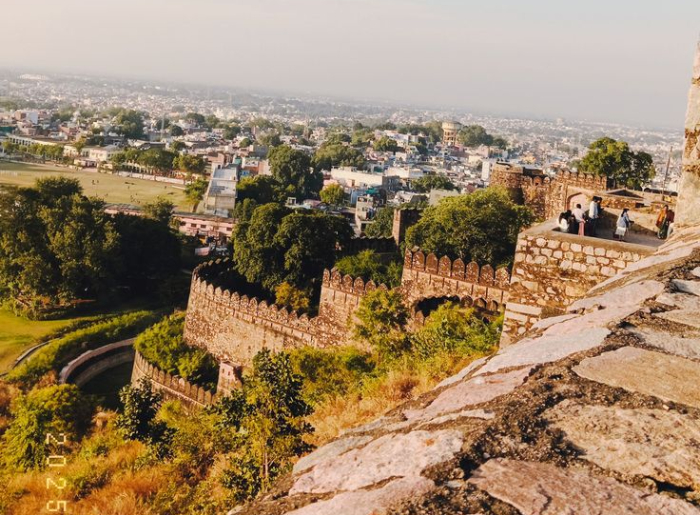
Visiting Jhansi in the summer months is not ideal due to the hot summers, thereby making the cooler months are generally better suited to touring its forts, palaces, museums, and other historical attractions.
- October to March: This is the best period to visit Jhansi, with cooler conditions making sightseeing and walking around Jhansi Fort more comfortable.
- April to June: Summers can be extremely hot, making extended outdoor sightseeing difficult, particularly during the afternoon.
- July to September: The monsoon brings some relief from the summer heat, but rain and humidity can affect outdoor sightseeing plans.
Ready for a train ride through the wild? Uttar Pradesh has introduced India’s first Vistadome jungle safari train for a unique wildlife experience.
unstumbled Authors Note
As a student, history was always one of the subjects that interested me most, regardless of the period or place we were studying. I especially enjoyed learning about the people behind major historical events, which is why Jhansi’s connection to Rani Lakshmibai stands out to me. Reading about a chapter in a textbook is one thing, but being able to visit the forts, palaces, and other places where that history actually unfolded makes it feel far more real.
Summing Up
So, what is Jhansi famous for? Above everything else, it is remembered for Rani Lakshmibai and the 1857 resistance. Jhansi Fort provides the physical backdrop to that history, while Rani Mahal, royal memorials, museums, and temples help visitors discover other layers of the city’s past. For visitors, this close connection between a historical figure and the places where her story took place is what makes Jhansi a particularly compelling city to visit.

One Response