
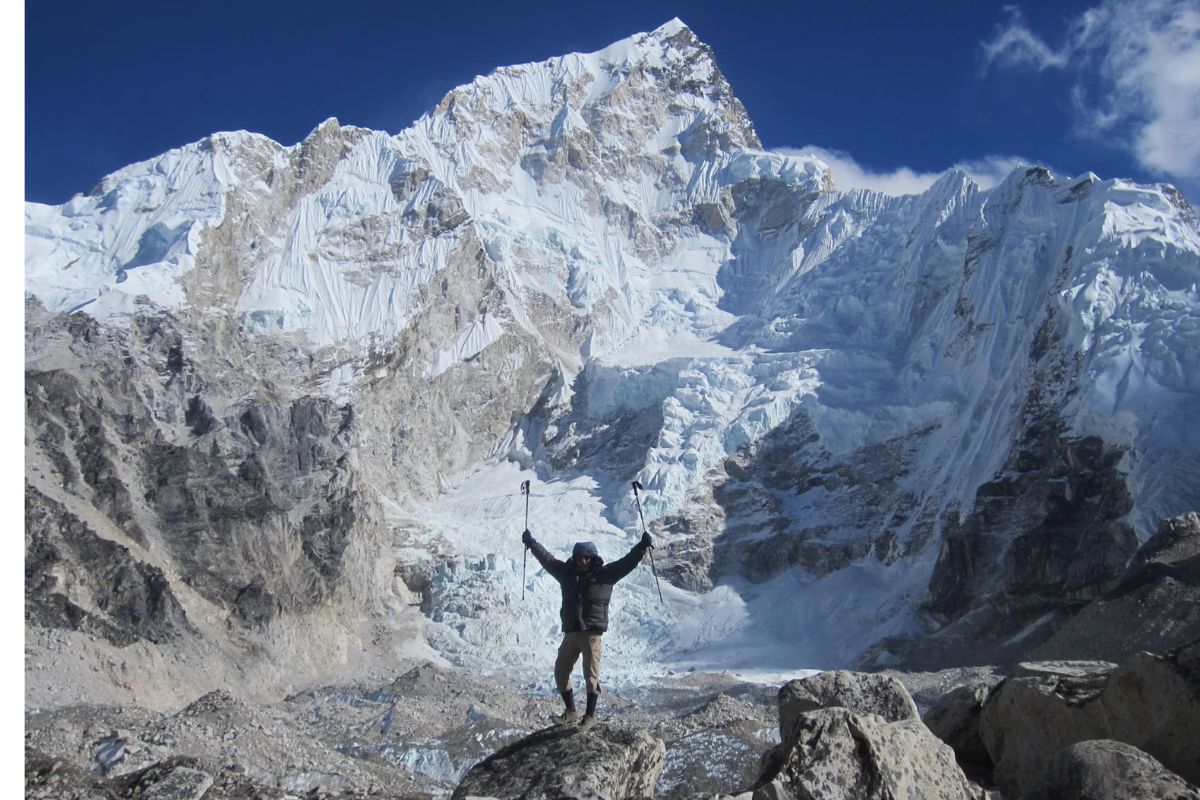
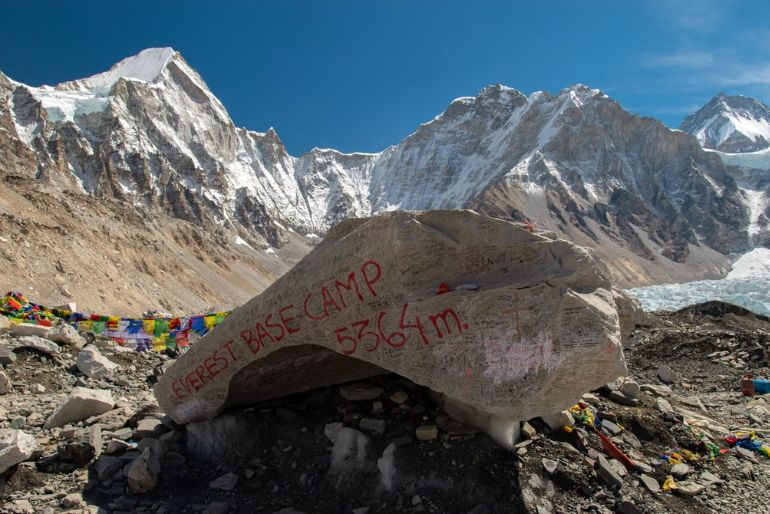
For many trekkers, reaching Everest Base Camp is the epitome of adventure. Standing close to one of the world’s highest mountains is a once-in-a-lifetime experience showcasing breathtaking Himalayan landscapes. The Everest Base Camp Trek is physically demanding, taking you through rugged mountain trails, steep ascents, high-altitude villages, and glacial terrain over several days.
Success isn’t determined by age or athletic ability alone, but rather it comes down to preparing your body, understanding the effects of altitude, carrying the right gear, and approaching the journey with patience. If you’re planning this iconic trek, here’s everything you need to know before setting foot on the trail.
Understanding the Everest Base Camp Trek
Before you begin training, it’s important to understand what the trek actually demands. The classic Everest Base Camp route covers approximately 111 km over 15 days, including acclimatization days, and reaches a maximum altitude of 18,200 ft (Kala Patthar). On most trekking days, you’ll spend 5 to 8 hours walking through changing terrain that includes stone staircases, suspension bridges, steep mountain trails, glacial moraines, and rocky paths.
While the trek doesn’t involve technical climbing, it is considered difficult because of the combination of long walking hours, significant elevation gain, and reduced oxygen levels at high altitudes. Fitness makes the journey easier, but proper acclimatization and pacing play an even bigger role in successfully reaching Everest Base Camp.
1. Start Preparing at Least 8 to 12 Weeks Before Your Trek
One of the biggest mistakes first-time trekkers make is assuming they can prepare in the final few weeks before departure. In reality, Everest Base Camp requires gradual conditioning. Giving yourself 8 to 12 weeks allows your body to build endurance, strengthen key muscle groups, and adapt to sustained physical activity without increasing the risk of injury.
Instead of focusing on intense workouts, build your fitness progressively. Increase the duration and difficulty of your training every week while allowing enough time for recovery. A steady routine is far more effective than trying to push yourself too hard right before the trek.
2. Build Your Fitness the Right Way
Everest Base Camp isn’t about speed. You’ll spend several hours walking every day, often at a slow but consistent pace. Because of this, your training should focus on endurance rather than explosive strength.
3. Improve Your Cardio Endurance
Cardiovascular fitness is one of the most important aspects of Everest Base Camp preparation. As you gain altitude, oxygen levels decrease significantly, forcing your heart and lungs to work harder. Regular cardio training helps improve your stamina and allows your body to perform more efficiently in low-oxygen environments.
Aim for three to five cardio sessions each week. Walking, jogging, cycling, swimming, or climbing stairs are all excellent choices. As your fitness improves, gradually increase the duration of your workouts instead of focusing only on intensity.
Also Read: Top 3 Institutes In India To Learn Mountaineering And Conquer The Peaks
4. Strengthen Your Legs and Core
Strong legs make steep ascents easier, while a stable core helps you maintain balance on rocky and uneven trails. Exercises such as squats, lunges, step-ups, calf raises, and planks prepare your body for the continuous climbing and descending you’ll experience in the Himalayas.
Two full-body strength sessions every week are usually enough for most trekkers. Rather than lifting extremely heavy weights, focus on controlled movements, higher repetitions, and building muscular endurance.
5. Practice Hiking Before You Go
Nothing prepares you for trekking better than trekking itself. If you have access to hiking trails, make them a regular part of your training. Begin with shorter hikes and gradually work toward walking for five to six hours with minimal breaks. Choose routes that include climbs, descents, and uneven terrain whenever possible, as these conditions closely resemble what you’ll encounter on the Everest Base Camp trail. If you don’t live near mountains, long walks, treadmill incline workouts, and stair climbing can still provide excellent preparation. The goal is to spend more time on your feet while gradually improving your endurance.
6. Train With the Backpack You’ll Carry
Many trekkers focus only on fitness while forgetting that they’ll be carrying a daypack for several hours every day. Even if your main luggage is transported separately, your backpack will typically contain water, extra clothing, snacks, medications, and other essentials.
Start training with the same backpack you plan to use during the trek. Add weight gradually until it feels comfortable and learn how to adjust the straps for proper support. This simple habit helps strengthen your shoulders and back while reducing the chances of discomfort once you’re on the trail.
Also Read: 15 Monsoon Treks Ranked By Difficulty, Safety & Scenic Beauty
7. Prepare for High Altitude
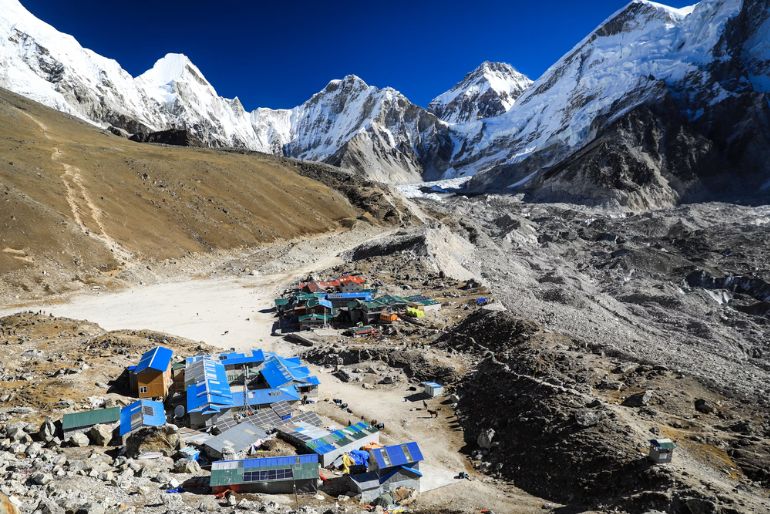
Altitude is often the biggest challenge on the Everest Base Camp Trek. As you climb above 10,000 ft, oxygen levels begin to decrease noticeably, increasing the risk of Acute Mountain Sickness (AMS). Even experienced trekkers and highly fit individuals can develop altitude-related symptoms if they ascend too quickly. Most itineraries include acclimatization days at key locations such as Namche Bazaar and Dingboche to help your body adjust. During the trek, walk at a comfortable pace, stay hydrated, eat well, and avoid rushing to keep up with others.
8. Choose the Right Gear Before You Leave
Packing smart is just as important as training. Wear layers instead of one heavy jacket, break in your trekking boots well before the trek, and carry only the essentials to stay comfortable throughout the journey.
Essentials to Pack:
- Waterproof trekking boots
- Thermal layers and insulated jacket
- Waterproof outer layer
- Gloves, beanie, and sunglasses
- Comfortable daypack
- Trekking poles
9. Understand the Terrain Before You Arrive
One reason the Everest Base Camp Trek is considered difficult is the variety of terrain you’ll encounter. While some sections consist of well-defined mountain trails, others involve steep staircases, rocky paths, suspension bridges, glacial moraines, and uneven boulder fields. Long descents can be just as demanding as climbs, placing considerable stress on your knees and leg muscles. Several stretches deserve extra attention, including the steep climb to Namche Bazaar, the challenging ascent from Dingboche to Lobuche, and the final approach to Kala Patthar, the highest point of the trek at 18,200 feet. Knowing what lies ahead allows you to prepare both physically and mentally instead of being surprised by the trail’s difficulty.
Also Read: 5 Beginner-Friendly Winter Treks In Himachal Pradesh And How To Plan Them
10. Know What Weather to Expect
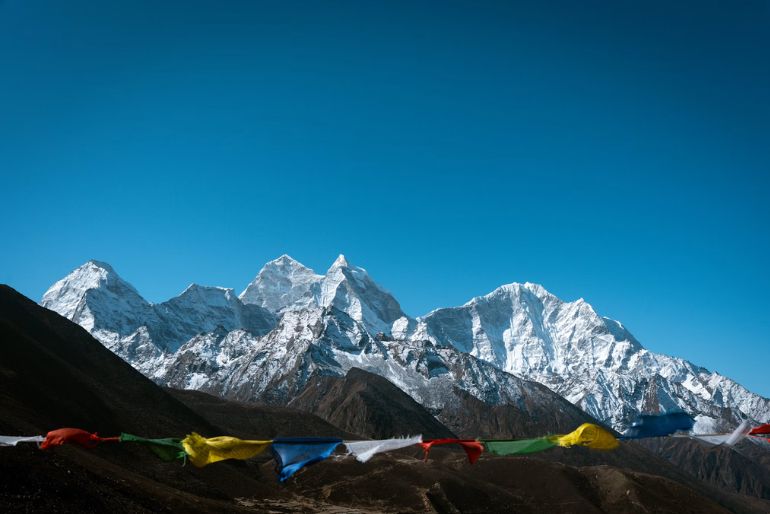
Spring (April) and Autumn (October) are the best seasons for the Everest Base Camp Trek, but temperatures can change quickly, especially at higher elevations.
Season Highlights:
- Spring: Warmer days with possible snow at higher altitudes.
- Autumn: Colder, drier weather with clear mountain views.
- Higher elevations: Expect strong winds and freezing mornings.
11. Don’t Ignore Safety and Insurance
Travel insurance that covers high-altitude trekking and helicopter evacuation is highly recommended before traveling to Nepal. Helicopter rescues are often the quickest evacuation option but can be extremely expensive without adequate coverage. Before departure, consult your doctor, carry any necessary medications, and immediately report symptoms such as headaches, dizziness, or nausea to your trek leader, as early action is essential when dealing with altitude sickness.
Also Read: Best Kid-Friendly Treks In India (Easy Trails For Families)
Common Mistakes First-Time Trekkers Make
Avoid these common mistakes to make your trek safer and more enjoyable:
- Starting training too late
- Wearing new trekking boots
- Carrying a heavy backpack
- Walking too fast
- Not drinking enough water
- Ignoring altitude sickness symptoms
Summing Up
Preparing for the Everest Base Camp Trek isn’t about being the fittest person on the trail but rather about training consistently, packing the right gear, respecting the altitude, and trekking at a steady pace. With the right preparation, you’ll be able to enjoy the experience while giving yourself the best chance of reaching Everest Base Camp safely.