
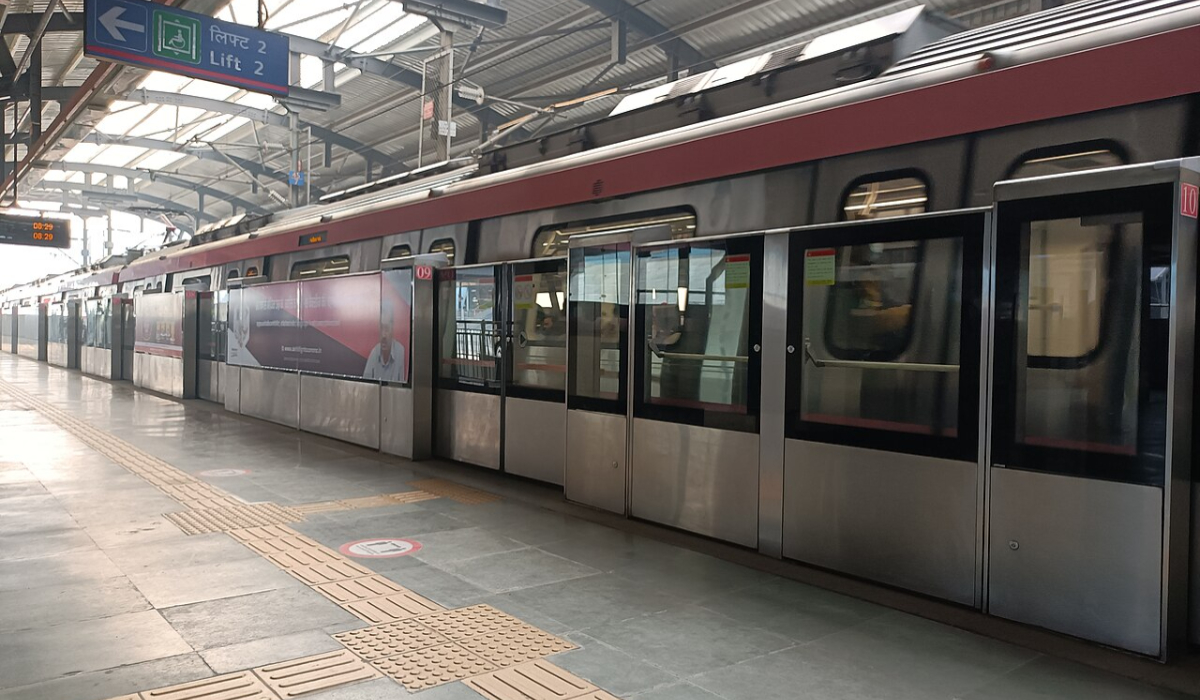
In light of the ongoing fuel shortage due to the West Asia conflict, the Delhi Metro Rail Corporation (DMRC) is taking proactive measures to encourage the use of public transport. From May 18, 2026, Delhi Metro is operating an additional 24 train trips every Monday by deploying six extra trains. This initiative aims to accommodate the anticipated increase in passengers opting for the metro over road transport, ensuring smooth and efficient service during peak times. DMRC will monitor ridership closely and adjust services as needed to respond to increased demand.
To enhance the commuting experience, Delhi Metro is also boosting security and streamlining passenger flow. Initiatives include deploying more security personnel, opening extra ticket counters, and activating additional security equipment like baggage scanners. Efforts are also being made to decrease waiting times at frisking points, ensuring a more efficient journey during busy hours.
What To Know About Delhi Metro And Its Connectivity
Delhi Metro plays a crucial role in modern urban mobility, providing seamless connections with railway stations, major bus terminals, airports, and other transit systems like the Namo Bharat RRTS, Noida Metro, and Gurgaon’s Rapid Metro. This interconnected transport network enables commuters to move easily and reduces reliance on personal vehicles and fuel-based transport.
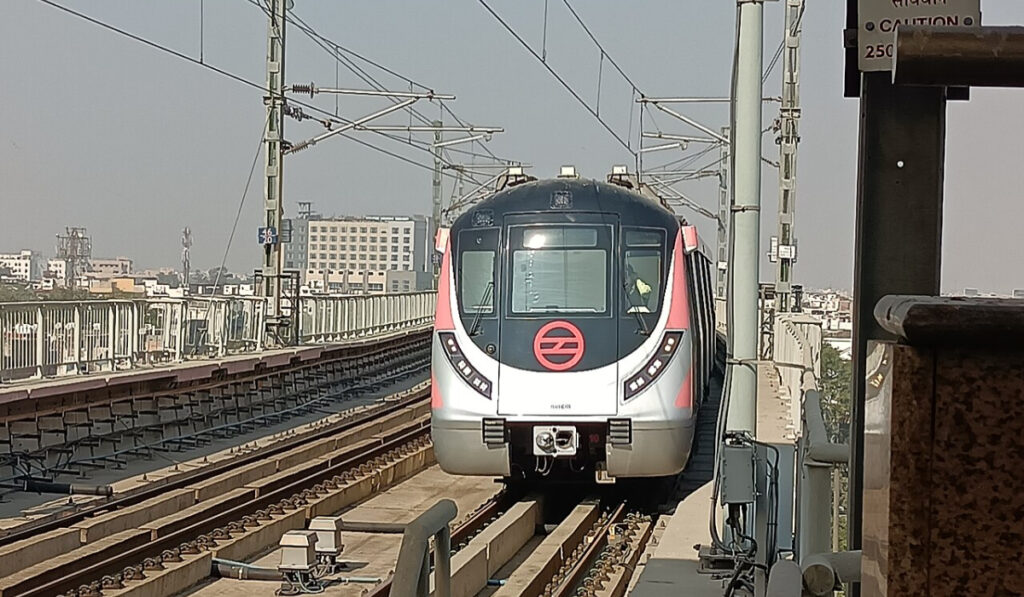
With a wide range of routes connecting essential locations such as marketplaces, government offices, educational institutions, and cultural sites, Delhi Metro ensures accessibility across the Delhi-NCR region. And in an effort to promote the use of public transportation over personal vehicles, there are parking facilities available at 126 metro stations throughout Delhi-NCR. This allows commuters to easily park their cars and continue their journeys using the metro system.
Delhi Metro Aims To Simplify Daily Commute For Passengers
The metro stations are linked with various transport options, such as E-autos, E-rickshaws, bike taxis, and cab services, making it easier for about 100,000 daily passengers to reach their destinations. Recently, hydrogen-powered buses have been introduced to provide last-mile service in the Central Vista area.
Additionally, about 1,500 Devi buses are rolled out at numerous metro stations to enhance commuter convenience.
DMRC is also modernizing ticketing processes. By offering digital solutions like QR code tickets, National Common Mobility Cards, and integrations with popular payment platforms, passengers can now avoid long lines at ticket counters. The metro’s Saarthi app further simplifies travel planning, allowing users to book metro tickets and other transport services in one go, thereby making commuting a more simple experience.
Summing Up
Amid the ongoing fuel shortage linked to the West Asia conflict, Delhi Metro Rail Corporation has stepped up efforts to make public transport more accessible and efficient for daily commuters. Starting May 18, 2026, Delhi Metro introduced 24 additional train trips every Monday by deploying six extra trains to handle the expected rise in passenger traffic.
FAQs
1. Why has Delhi Metro increased train trips in 2026?
It increased train services due to the fuel shortage caused by the West Asia conflict. The additional 24 train trips are aimed at managing the expected rise in commuters choosing public transport over private vehicles.
2. What new facilities are being introduced for Delhi Metro passengers?
DMRC has improved passenger convenience by deploying more security personnel, opening additional ticket counters, improving baggage scanning systems, and promoting digital ticketing options such as QR tickets, National Common Mobility Cards, and the Saarthi app.