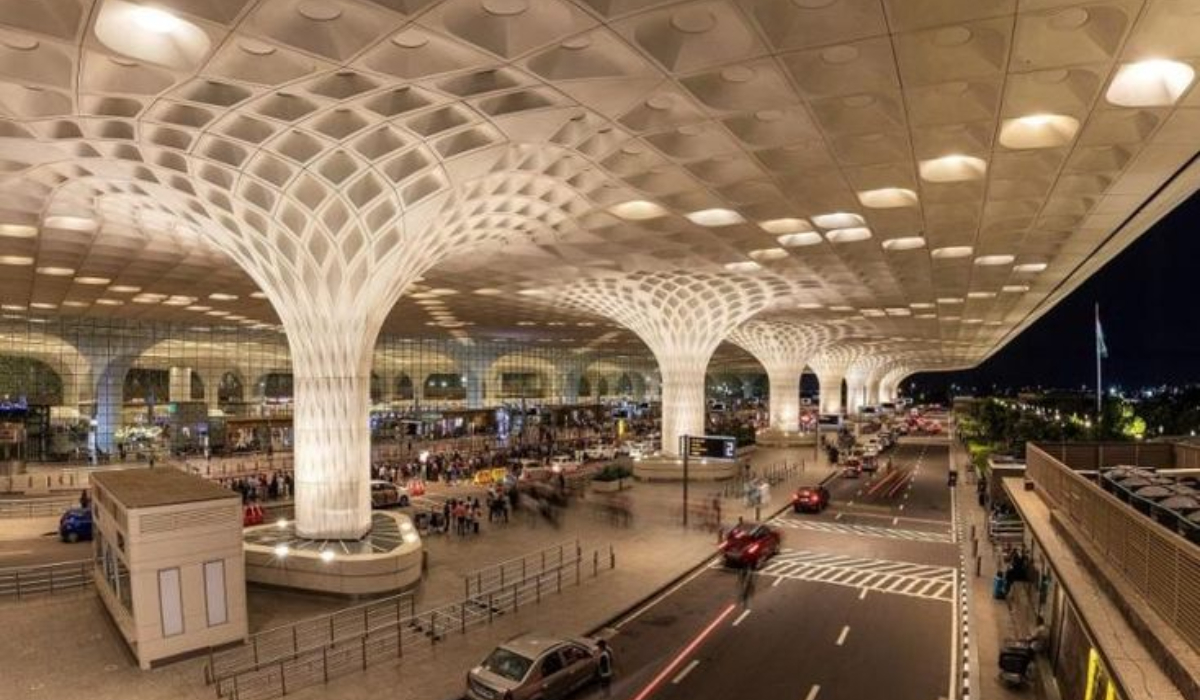

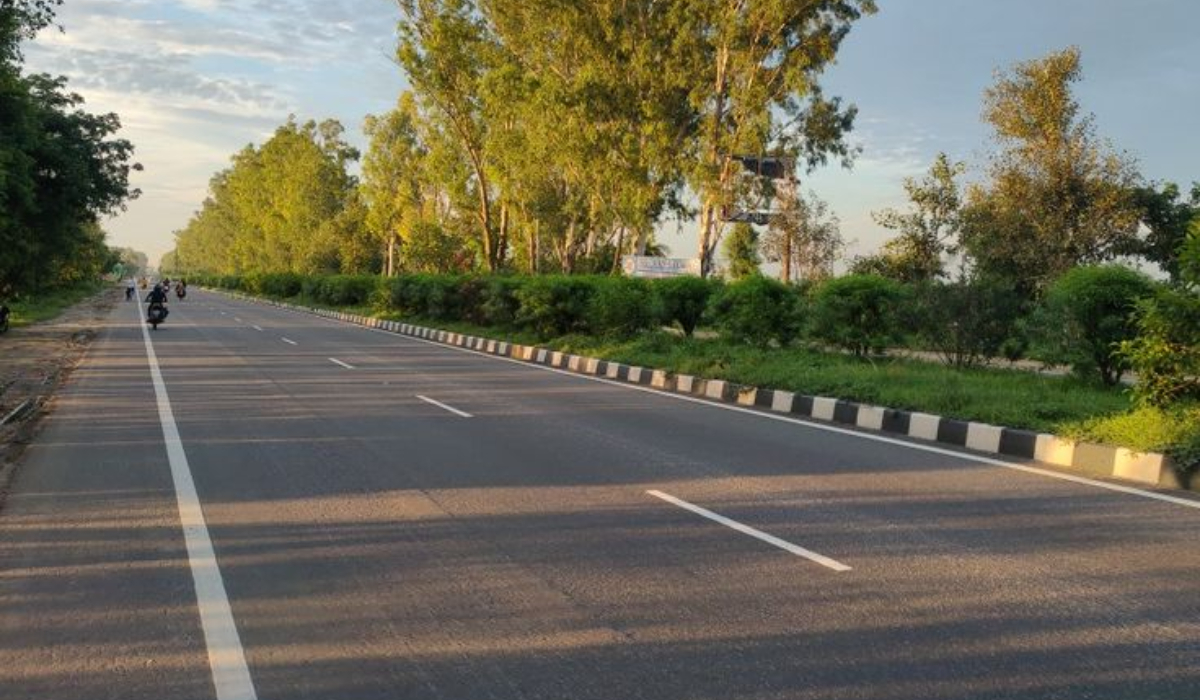
Led by the United Nations, World Environment Day, celebrated on the 5th of June every year, serves as a reminder about the importance of environmental preservation. This global initiative encourages governments, businesses, and individuals to take meaningful action against challenges such as pollution, climate change, biodiversity loss, and deforestation.
While conversations around sustainability often focus on large-scale policies and environmental campaigns, some of the most visible examples of positive change can be found closer to home. Across India, several cities have transformed themselves through better sanitation systems, waste management practices, and community participation. On World Environment Day, these destinations serve as powerful reminders of how collective action can create cleaner and healthier places to live and visit.
Why Clean Destinations Are Worth Exploring
Clean destinations offer far more than attractive streets and well-maintained public spaces, as they often act as a sign of commitment to sustainability, civic responsibility, and quality of life. For travelers, this translates into more enjoyable experiences, better infrastructure, and environments that feel welcoming from the moment they arrive.
Many of India’s cleanest cities have achieved their rankings through years of consistent effort, combining modern waste management systems with active citizen participation. Beyond their cleanliness, these destinations also offer rich cultural experiences, historical landmarks, vibrant food scenes, and unique local identities, making them worthwhile additions to any travel itinerary.
Cleanest Cities To Visit In India
Indore, Madhya Pradesh
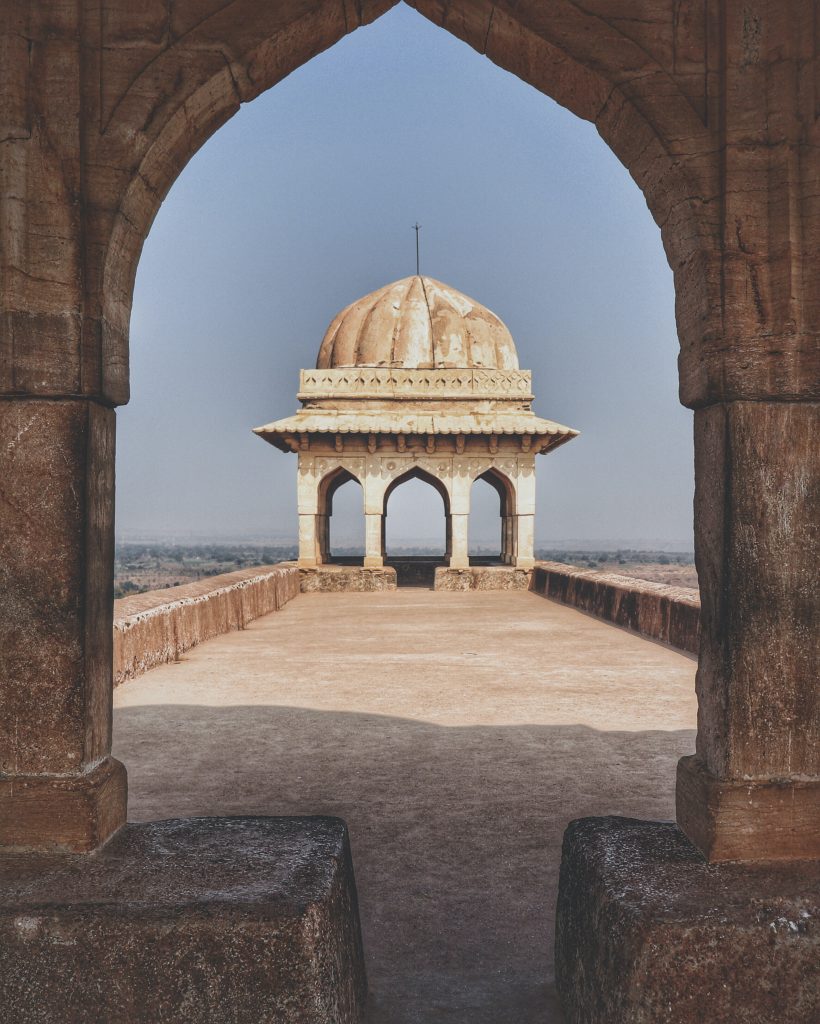
Indore has become synonymous with cleanliness in India, consistently topping Swachh Survekshan rankings thanks to its efficient waste management systems and strong civic participation. However, the city offers much more than spotless streets. Visitors can explore architectural landmarks such as Rajwada Palace and Lal Bagh Palace, sample local delicacies at the famous Sarafa Bazaar, and experience one of India’s most organized urban destinations. Its ability to blend heritage, culture, and sustainability makes it one of the country’s most impressive cities.
Also Read: Street Food In Indore
Surat, Gujarat
Often referred to as the Diamond City of India, Surat has earned recognition not only for its textile and diamond industries but also for its commitment to urban cleanliness. The city’s well-maintained roads, efficient waste management systems, and focus on public sanitation have helped transform it into one of India’s cleanest destinations. Alongside its cleanliness, Surat offers bustling markets, excellent street food, and a vibrant cultural scene that reflects the entrepreneurial spirit of Gujarat.
Navi Mumbai, Maharashtra
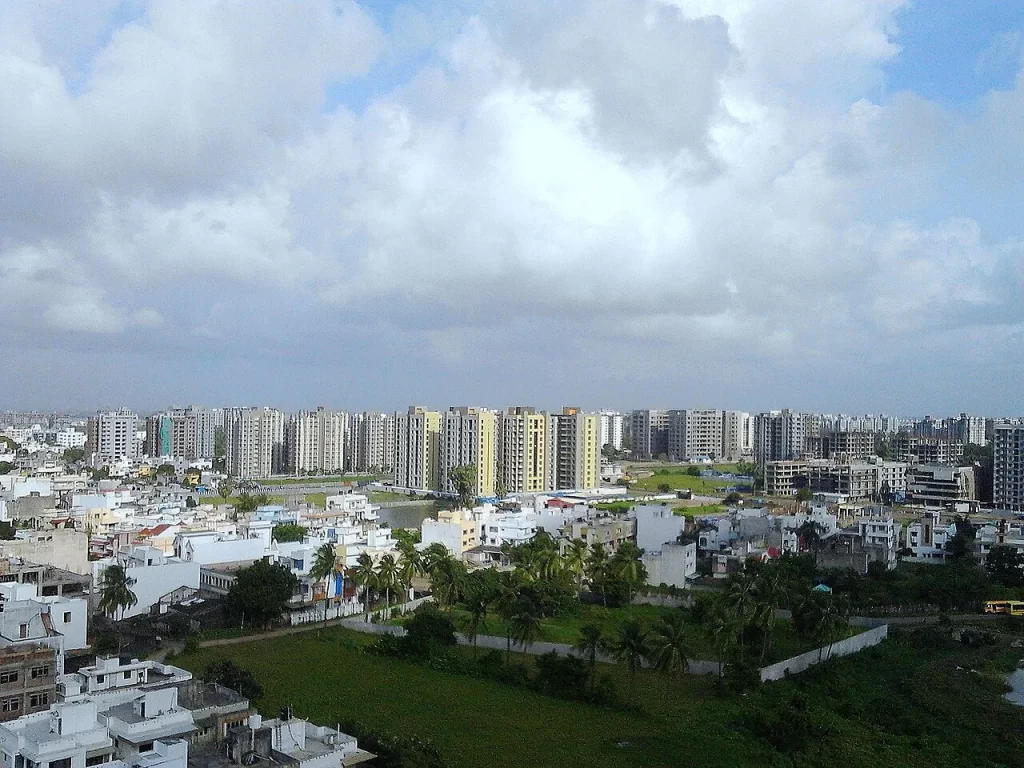
Navi Mumbai’s planned development and organized infrastructure have played a significant role in its reputation as one of India’s cleanest cities. Wide roads, green spaces, modern residential neighborhoods, and efficient sanitation systems create a noticeably different urban experience. While many visitors use it as a gateway to Mumbai, the city has developed its own identity through waterfront attractions, parks, and a strong commitment to sustainable urban planning.
Visakhapatnam, Andhra Pradesh
Set against the backdrop of the Bay of Bengal, Visakhapatnam combines coastal beauty with a growing reputation for cleanliness. The city has invested heavily in maintaining its beaches, public spaces, and waste management infrastructure, helping it consistently rank among India’s cleanest urban destinations. Visitors can enjoy attractions such as RK Beach, Kailasagiri, and Yarada Beach while experiencing a city that has successfully balanced tourism growth with environmental responsibility.
Vijayawada, Andhra Pradesh
Situated on the banks of the Krishna River, Vijayawada has emerged as one of India’s cleanest cities through a combination of community engagement and improved sanitation practices. The city’s focus on waste segregation, cleanliness drives, and public awareness campaigns has significantly improved its urban environment. Alongside its cleanliness achievements, Vijayawada offers visitors a rich cultural heritage, vibrant markets, and important religious landmarks.
Bhopal, Madhya Pradesh
Known as the City of Lakes, Bhopal combines natural beauty with strong environmental initiatives that have helped it secure a place among India’s cleanest destinations. The city has invested in modern waste processing and recycling facilities while preserving its scenic lakes and green spaces. Visitors can explore attractions such as Upper Lake, Bhimbetka Caves, and the State Museum, all while experiencing a city that places increasing importance on sustainability and urban cleanliness.

Ahmedabad, Gujarat
Ahmedabad’s cleanliness success is closely linked to its investments in sanitation infrastructure and large-scale waste segregation programs. As Gujarat’s largest city, it has managed to improve public cleanliness while retaining its historic charm and cultural significance. From the Sabarmati Riverfront to UNESCO-recognized heritage sites, Ahmedabad offers travelers a blend of history, architecture, and modern urban development within a well-maintained environment.

Also Read: Mumbai-Ahmedabad Bullet Train: Surat-Bilimora Section To Begin In 2027, Thane By 2028 & BKC By 2029
Rajkot, Gujarat
Rajkot has steadily strengthened its position among India’s cleanest cities through active community participation and consistent sanitation efforts. Residents play an important role in maintaining cleanliness standards, while local authorities continue to invest in recycling initiatives and waste management systems. Beyond its environmental achievements, Rajkot offers visitors a glimpse into Gujarat’s cultural heritage and its historical connection to Mahatma Gandhi’s early life.
Gandhinagar, Gujarat
As the capital of Gujarat, Gandhinagar is widely admired for its organized layout, abundant green spaces, and well-maintained public infrastructure. The city places a strong emphasis on cleanliness, waste recycling, and sustainable urban planning, creating an environment that feels noticeably calmer than many major metropolitan areas. Its tree-lined roads, parks, and civic spaces make it one of the most pleasant and environmentally conscious cities in India.
Chandigarh
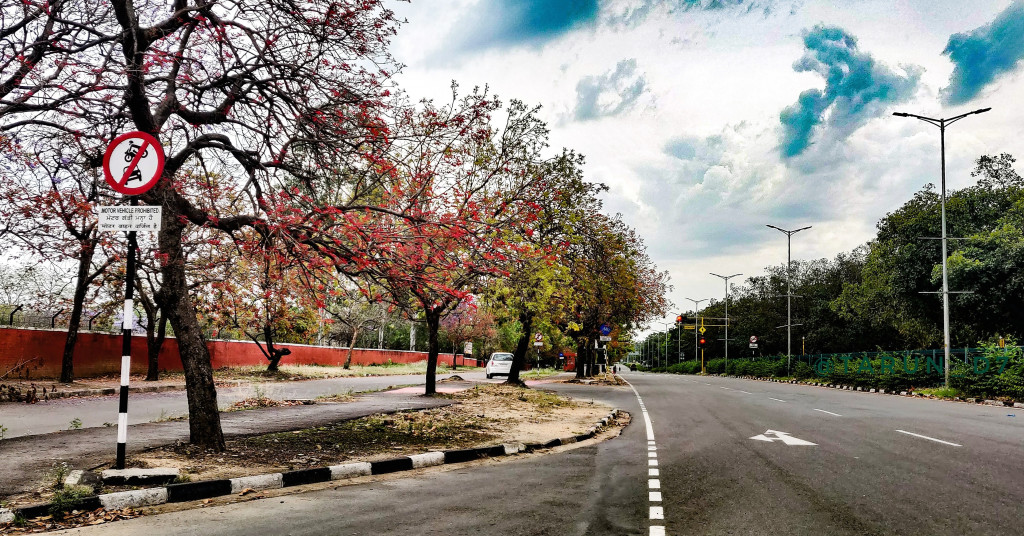
Often referred to as ‘The City Beautiful’, Chandigarh has long been regarded as one of India’s best-planned urban centers. The city combines modern infrastructure with extensive green spaces, efficient waste management systems, and clean public areas. Visitors can spend time at attractions such as Sukhna Lake, the Rock Garden, and Zakir Hussain Rose Garden while experiencing a city that continues to set standards for urban planning and cleanliness.
Also Read: 5 Clean Air Getaways Near Delhi (AQI Under 60)
How Swachh Survekshan Has Changed Indian Cities
Much of India’s progress in urban cleanliness can be traced back to Swachh Survekshan, the annual survey conducted under the Swachh Bharat Mission. Introduced in 2016, the initiative evaluates cities based on factors such as waste collection, segregation, sanitation infrastructure, citizen participation, and innovation in waste management.
The rankings have encouraged healthy competition among municipalities while motivating cities to invest in long-term environmental improvements. As a result, many urban centers have significantly upgraded their sanitation systems and public infrastructure, demonstrating how policy, governance, and community involvement can work together to create cleaner environments.
Also Read: World Environment Day 2026: Best Eco-Lodges & Sustainable Stays In India
Summing Up
World Environment Day is a reminder that environmental protection begins with everyday actions and collective responsibility. The cities featured on this list demonstrate how consistent efforts toward cleanliness and sustainability can transform urban spaces into healthier, more enjoyable destinations for residents and visitors alike. These destinations show that cleaner cities create better experiences for everyone, and their success stories offer inspiration for communities across India and highlight the impact that thoughtful planning and citizen participation can have on the future of urban living.