
Jhansi is a well-known historic city in the Bundelkhand region of Uttar Pradesh. Situated on the banks of the Pahuj River, the city is famous for the brave queen Rani Lakshmibai. She played a central role in the Indian Rebellion of 1857. The city is known as the “Gateway to Bundelkhand” and is a symbol of resistance and courage. Tourists visit this city to explore Bundela and Maratha history. But knowing the best time to visit can help enhance your experience. So here’s a guide on the best time to visit Jhansi.
What Is The Best Month To Visit Jhansi?
October To March (Winter Season)
If you wish to explore Jhansi or the entire Bundelkhand, winter is the finest period. It offers clear skies, cool temperatures ranging from 4 to 24 degrees Celsius, and crisp breezes. Afternoons between October and March are sunny and mild, allowing effortless exploration across Jhansi Fort, bustling bazaars, and Rani Mahal without any heat fatigue.
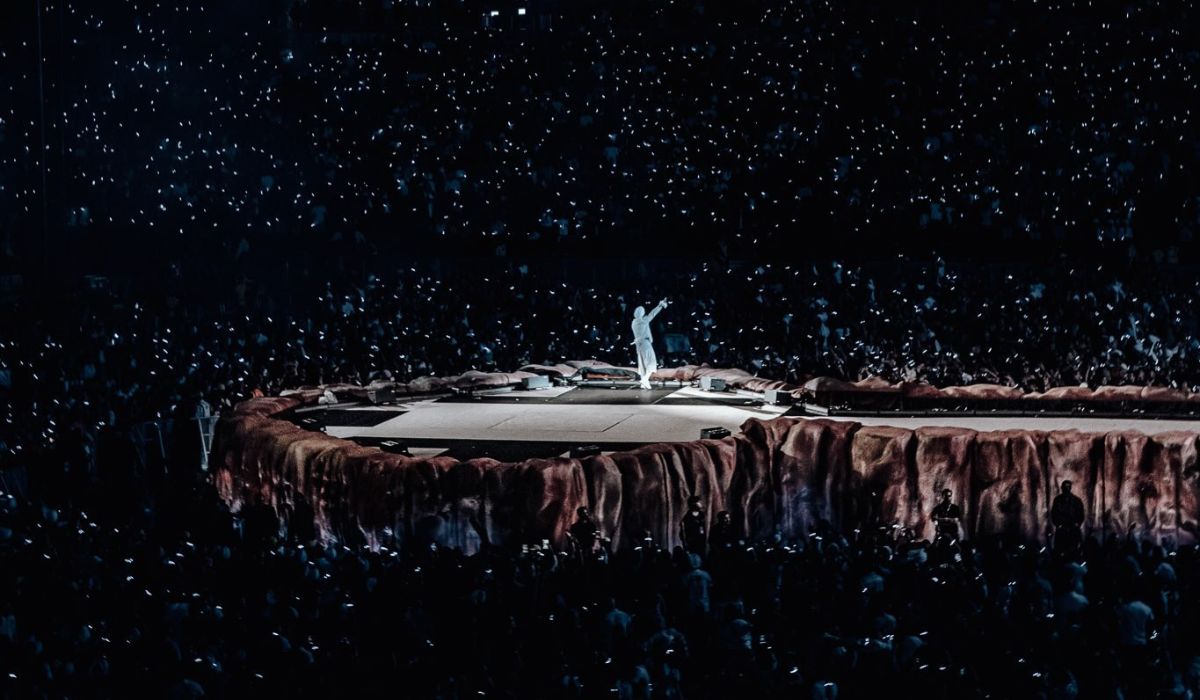
The city comes alive with the vibrant annual Jhansi Mahotsav that celebrates the folk art, traditional dances, handicraft fairs, and heritage of Bundelkhand. Evenings, especially during December and January, get perfectly chilly with the temperatures ranging between 4 and 8 degrees Celsius. During this time, the city forts offer open-air light-and-sound shows, so make sure you carry shawls or sweaters.
This winter window attracts a huge number of tourists and is known as the best season to explore Jhansi. Make sure you book accommodations and travel in advance.
April To June (Summer Season)
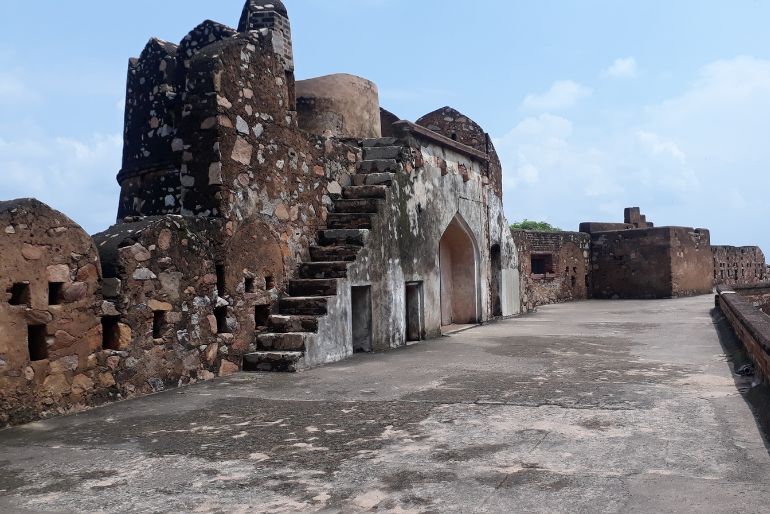
Summer season in Jhansi is relentlessly dry and hot. The daytime temperatures regularly run between 38 and 46 degrees Celsius. The rocky Bundelkhand terrain traps heat, with scorching desert winds sweeping across the plains especially during midday. Exploring the outdoor sites between 11:00 AM and 4:00 PM gets a lot exhausting and might lead to heatstroke.
The tourism footfall drops sharply during these months, which leaves the monuments and hotels deserted. This leads to heavy discounts, making it the perfect time for budget travelers. If you tend to visit during these months, make sure you restrict outdoor explorations to dusk or dawn, wear breathable cotton, carry electrolytes, and explore air-conditioned museums.
Also Read: Traveling To Jhansi: First Trip With My 73-Year-Old Grandma
July To September (Monsoon Season)
The arrival of the southwest monsoon offers relief from the scorching summer season. It helps drop temperatures between 25 degrees Celsius and 34 degrees Celsius with high humidity. The surrounding countryside and rocky hills turn into a lush landscape and revive scenic spots like Pariccha Dam, Barua Sagar, and Betwa River. All the historical peripheries appear fresh and vibrant during monsoon season.
Rainfall might lead to interruptions in your outdoor itinerary, while the stones at the century-old forts might get a bit slippery. The downpour with dramatic skies offers photography opportunities for that perfect picture with fewer crowds around. You must plan flexible sightseeing schedules. The prices for accommodations drop during this period with fewer crowds, making it perfect for budget travelers.
Also Read: Top 10 Places To Visit In Mathura
How Many Days Are Enough For Jhansi?
Ideally, one to two days are enough to explore Jhansi comfortably. You can explore the core city heritage on the first day while visiting the outskirts on the second day.
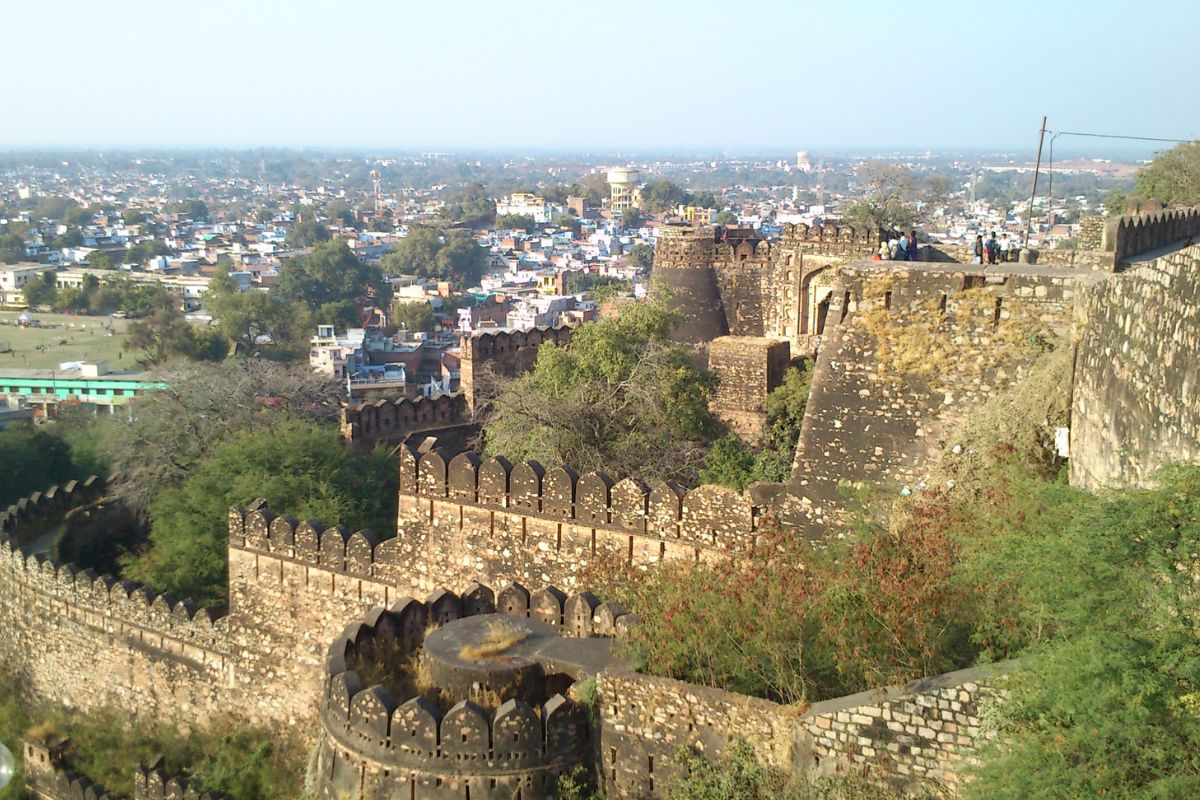
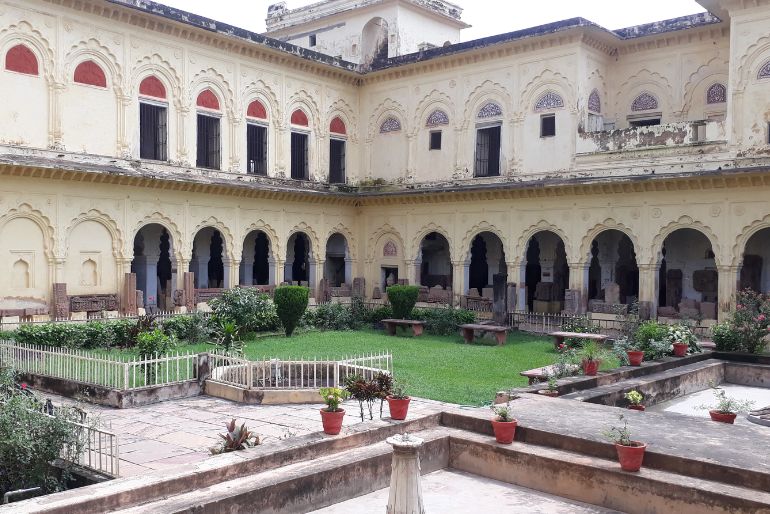
You can spend 2 to 3 hours exploring the iconic Jhansi Fort; then you can also visit the Government Museum or Rani Mahal. Do not miss out on Sadar Bazaar’s vibrant street food stalls. Call it a day by visiting the fort’s Sound and Light show.
On the second day, visit the nearby scenic spots like Parichha Dam and Barua Sagar Lake. You can also spend the day at medieval riverfront forts or palaces of Orchha.
Jhansi Travel Tips
- If you are in Jhansi for two days, you can also explore the neighboring historic hubs like Orchha.
- Do not miss out on visiting the bustling alleys of Manik Chowk and Sadar Bazaar. These places serve the best of Bundelkhandi street food like hot Samosas, Bedmi Puri with aloo sabzi, kachoris, and milk sweets.
- If you are exploring Jhansi between October and March, make sure you carry thermal innerwear, wool socks, fleece jackets, and comfortable sneakers. And if you are visiting between April and June, carry a sun hat, sunglasses, cotton clothes, and UV-blocking creams. Carry an umbrella and raincoats between July and September.
- Allocate at least 2 hours to Ranu Mahal and the Museum.
Author’s Note
If you are a history buff, Jhansi is surely one of the destinations in Uttar Pradesh that you must not miss out on exploring. The Jhansi Fort spans about 49 acres of open stone terrain sitting right up at Bangira Hill. As someone who has visited this place, I would recommend you explore the fort after 3:30 PM and then enjoy the light show from 6:30 PM to 7:00 PM. Also, for local transit, stick to autorickshaws and E-rickshaws for smooth and affordable options.
Summing Up
Winter is surely the best season to visit Jhansi. It is that one season when the temperatures are nice and chilly, allowing hassle-free outdoor exploration. It is hence known as Jhansi’s peak tourist season.
If you wish to explore a Sarnath travel guide or know if Varanasi is safe for tourists, do check our website.