
Himachal Pradesh is known for its snow-covered mountains, winding roads, apple orchards, and picturesque hill towns. However, beyond its landscapes lies a culinary tradition shaped by local ingredients, regional customs, and generations of home cooking. From elaborate wedding feasts to simple dishes prepared in mountain kitchens, the best food in Himachal Pradesh offers a fascinating introduction to the state’s culture.
While traveling through destinations such as Shimla, Manali, Dharamshala, and Chamba, visitors will encounter dishes that vary considerably between regions. Some are served during festivals, others are everyday favorites, and a few are particularly popular during colder months. Here are 11 traditional Himachali foods worth trying, along with a look at the local beverages that accompany them.
Traditional Foods To Try In Himachal Pradesh
1. Dham
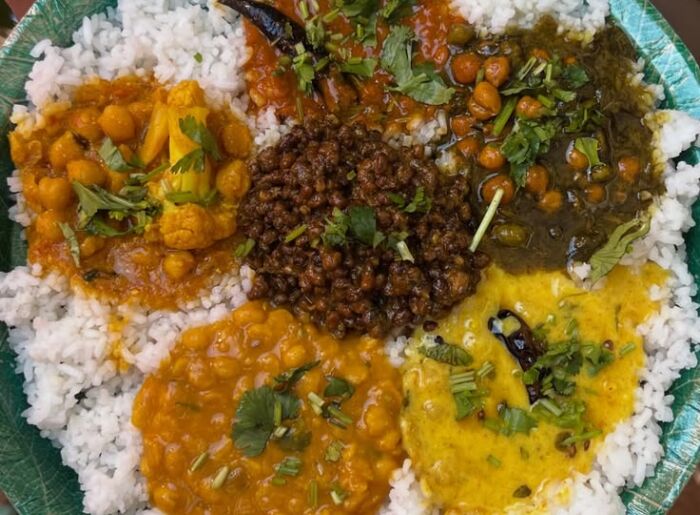
Dham is one of the most celebrated culinary traditions of Himachal Pradesh, particularly associated with weddings, religious gatherings, and festivals. Rather than being a single dish, it is an elaborate vegetarian meal traditionally prepared by specialized cooks known as botis. The food is commonly served in courses on leaf plates, with rice forming the foundation of the meal.
The dishes vary across districts, making a Chamba Dham different from those served in Kangra, Mandi, or other parts of the state. A traditional Chamba-style meal may include moong dal, madra, mash dal, khatta, and mittha. The combination of yogurt-based gravies, lentils, spices, and sweet preparations makes Dham one of the most distinctive food experiences in Himachal Pradesh.
- Where To Try: Traditional Dham meals in Chamba, Kangra, and Mandi, or Himachali restaurants offering regional thalis.
2. Siddu
Siddu is a traditional steamed bread commonly enjoyed in Himachal Pradesh, particularly in the colder mountain regions. Prepared using wheat flour and a leavened dough, it is usually stuffed with ingredients such as walnuts, poppy seeds, or other locally preferred fillings. The dough is allowed to rise before being steamed, giving the bread its characteristic soft texture.
Siddu is traditionally served with ghee, butter, lentils, or chutney, depending on the region and household. Its mildly flavored bread and rich accompaniments make it particularly satisfying during winter. Travelers exploring Shimla, Kullu, and Manali will often find versions of Siddu at eateries specializing in Himachali cuisine.
Where To Try: Traditional Himachali eateries in Shimla, Manali, and the Kullu Valley.
3. Madra
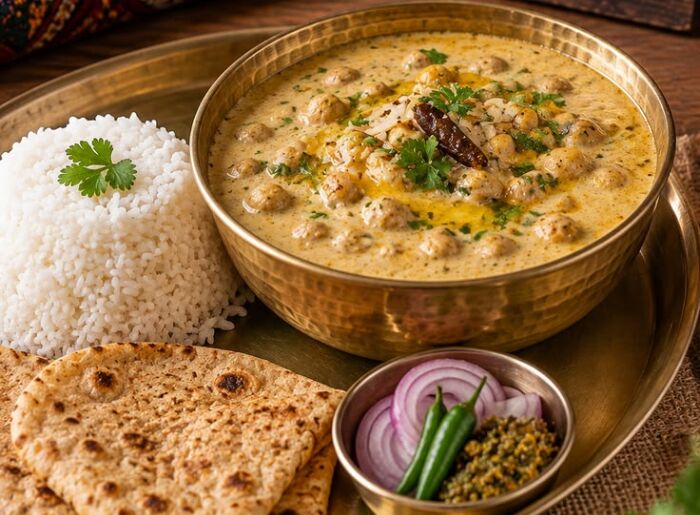
Madra is among the most recognizable traditional dishes of Himachal Pradesh and is particularly associated with Chamba. The dish is prepared using legumes such as chickpeas or kidney beans, which are slowly cooked in a yogurt-based gravy seasoned with aromatic spices. Cardamom, cloves, cinnamon, and cumin contribute to its distinctive flavor.
Unlike many everyday North Indian curries, traditional Madra relies heavily on yogurt and careful cooking to develop its richness. It is frequently served during Dham meals, although variations can also be found in restaurants offering regional cuisine. Madra is generally enjoyed with steamed rice, which complements its thick, mildly tangy gravy.
Where To Try: Traditional Dham meals in Chamba and Himachali restaurants serving regional specialties.
4. Chana Madra
Chana Madra is a specific variation of Madra in which chickpeas are the main ingredient. The chickpeas are cooked in a yogurt-based gravy flavored with spices such as cardamom, cloves, and cinnamon. The preparation requires careful cooking to maintain the gravy’s consistency while allowing the spices to blend with the yogurt.
Although closely related to Madra, Chana Madra deserves recognition as one of the most familiar versions of this traditional dish. It is commonly included in festive meals and pairs particularly well with plain rice. Travelers interested in understanding Himachali cuisine should try Chana Madra alongside other dishes served during a traditional Dham.
Where To Try: Himachali restaurants and traditional Dham meals, particularly in Chamba and Kangra.
5. Tudkiya Bhath
Tudkiya Bhath is a traditional Himachali rice preparation that resembles pulao but has its own distinctive combination of ingredients. It is commonly made using rice, potatoes, lentils, onions, tomatoes, yogurt, and spices such as cinnamon and cardamom. Garlic and ginger contribute additional flavor, while the ingredients are cooked together to create a hearty meal.
The dish is particularly associated with festive occasions and family gatherings, although recipes vary between households. It is often served with mashed dal and a little lime juice, which adds a refreshing contrast to the spiced rice. For travelers looking beyond familiar North Indian rice dishes, Tudkiya Bhath is worth seeking out.
Where To Try: Traditional Himachali kitchens, homestays, and restaurants offering regional meals.
6. Babru
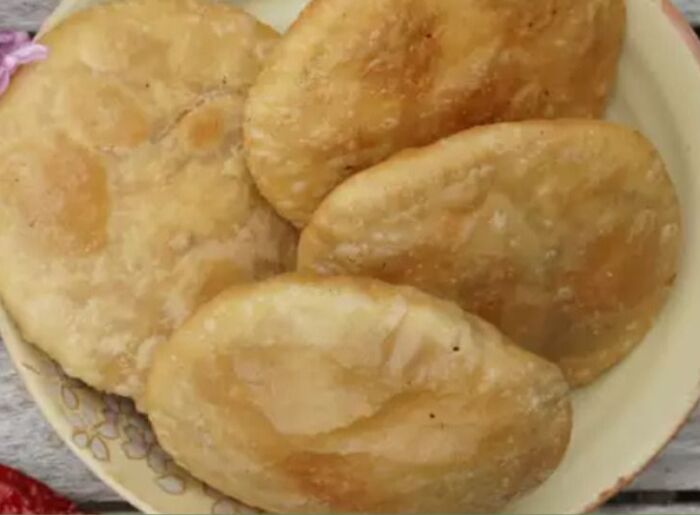
Babru is a popular savory preparation associated with Shimla and the surrounding region. It is made by filling wheat-based dough with a seasoned paste of black gram before frying it until golden brown. Its appearance resembles a stuffed kachori, although the preparation and local accompaniments can differ. The crisp outer layer contrasts with the soft, flavorful filling, making Babru a satisfying breakfast or snack. It can be enjoyed with chutney or other accompaniments, depending on how it is prepared. Unlike elaborate festive dishes, Babru is relatively simple and offers a glimpse into the everyday food traditions of the region.
Where To Try: Traditional snack shops and Himachali eateries in Shimla.
7. Chha Gosht
Chha Gosht is a traditional meat preparation that highlights the importance of non-vegetarian cuisine in several parts of Himachal Pradesh. The dish is commonly prepared using mutton or lamb, which is marinated and cooked in a gravy made with yogurt, gram flour, and aromatic spices.
Ingredients such as cardamom, coriander, ginger, garlic, and other seasonings give the curry its characteristic flavor. The yogurt contributes a gentle tanginess, while the gram flour helps create a rich gravy. Chha Gosht is generally enjoyed with rice or bread and is an excellent choice for traveler’s interested in the state’s meat-based culinary traditions.
Where To Try: Restaurants specialising in traditional Himachali non-vegetarian cuisine, particularly around Kangra and Dharamshala.
8. Aloo Palda
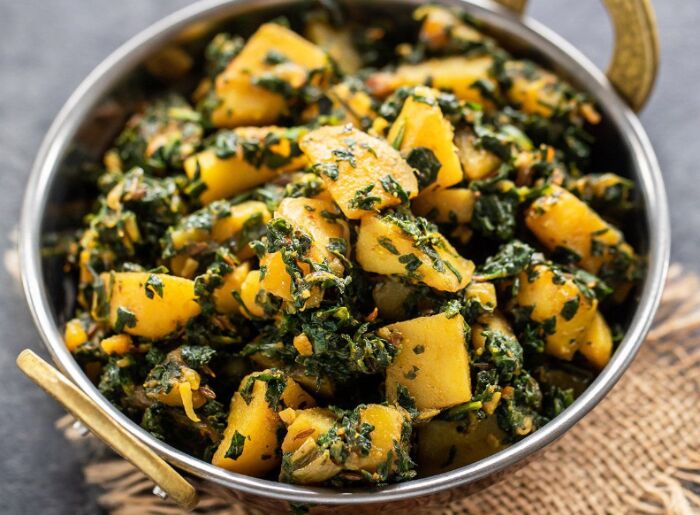
Aloo Palda is a traditional Himachali preparation made with potatoes cooked in a yogurt-based gravy. Unlike heavily spiced potato curries, this dish is known for its comparatively mild flavor, creamy consistency, and balance of tangy and savory notes. Recipes differ between households, with some versions incorporating additional vegetables.
The combination of potatoes and yogurt creates a comforting dish that pairs well with steamed rice or freshly prepared bread. Its relatively simple ingredients reflect the importance of practical, home-style cooking in the region. Aloo Palda is worth trying for travelers who prefer vegetarian food and want to explore preparations beyond the more familiar Madra.
Where To Try: Traditional Himachali homestays and restaurants serving regional vegetarian meals.
9. Mittha
Mittha, also known as Meethe Chawal, is a traditional sweet rice preparation served during celebrations and festive meals in Himachal Pradesh. It is commonly prepared using rice, sugar or jaggery, and ingredients such as raisins and dried fruits. Some variations also include saffron for additional aroma and color.
The dish is particularly associated with Dham, where it is often served toward the end of the meal. Its sweetness provides a contrast to the savory lentils, yogurt-based curries, and tangy preparations served earlier. Although the ingredients are relatively straightforward, Mittha remains an important part of Himachal Pradesh’s festive food traditions.
Where To Try: Traditional Dham meals in Chamba, Kangra, and other parts of Himachal Pradesh.
10. Kullu Trout
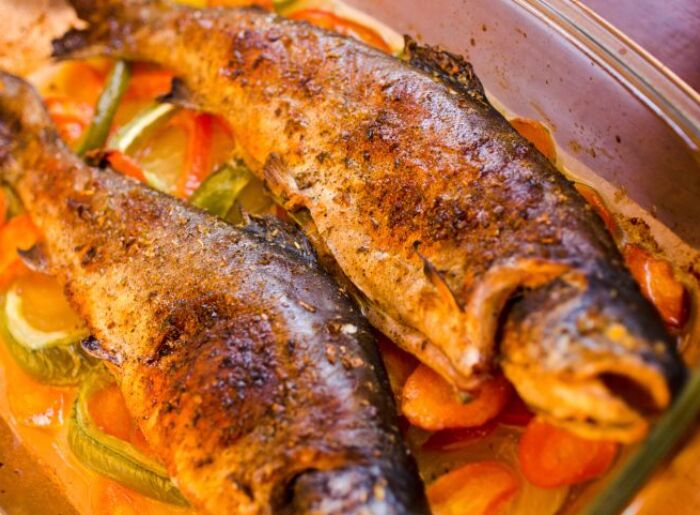
Kullu Trout is a well-known freshwater fish preparation associated with the Kullu-Manali region. Trout is also enjoyed in other parts of Himachal Pradesh, including the Barot and Sangla valleys, where suitable cold-water conditions support trout cultivation. The fish is generally prepared with a relatively restrained combination of spices so that its natural flavor remains prominent. Depending on the recipe, it may be grilled, roasted, pan-fried, steamed, or cooked in a curry. It is commonly served with rice, vegetables, or other accompaniments. Travelers interested in regional nonvegetarian cuisine will find trout a distinctive alternative to the meat curries more commonly associated with North Indian food.
Where To Try: Trout-specialty restaurants and licensed eateries in Kullu, Manali, Naggar, and nearby valleys.
Traditional Drinks To Try In Himachal Pradesh
Himachal Pradesh’s culinary traditions extend beyond its food, with local beverages reflecting the climate, agricultural practices, and cultural influences of different mountain communities. In the higher-altitude regions of Kinnaur and Spiti, salted butter tea is a traditional drink prepared using tea, butter, and salt. Known locally by names including thang, it is especially associated with cold-weather living and the region’s Tibetan cultural influences.
Another traditional beverage found in parts of the Himalayan region is chhang, a fermented drink made from grains such as barley or millet. It is associated with local customs and celebrations in certain communities, although its preparation and availability vary by region. Travelers who prefer nonalcoholic options can explore local tea preparations and other regional beverages at homestays and traditional kitchens. These drinks offer another way to understand how Himachal Pradesh’s cuisine changes across its valleys, from the relatively temperate towns of Shimla and Kangra to the colder landscapes of Lahaul-Spiti and Kinnaur.
Looking for a luxurious escape surrounded by mountains? Discover beautiful places where you can go glamping in Himachal Pradesh for scenic views, comfortable stays, and memorable outdoor experiences.
Where Can You Find Authentic Himachali Food?
Although Himachal Pradesh has plenty of cafés and restaurants serving Indian, Tibetan, and international cuisine, traditional regional dishes are not necessarily available at every establishment. Foods such as Dham and Sepu Vadi are closely associated with weddings, festivals, and community gatherings, while Siddu, Babru, and certain curries may be easier to find at restaurants specializing in local cuisine.
For travelers visiting Shimla, Himachali Rasoi in the Middle Bazaar area is one establishment identified by Incredible India for traditional dishes such as Siddu, Chana Madra, and regional thalis. Elsewhere, local homestays and family-run kitchens can provide opportunities to experience dishes prepared according to regional traditions. It is worth checking menus and availability beforehand, particularly when looking for a specific specialty.
Looking to explore Himachal Pradesh beyond its popular hill stations? Discover 10 unexplored places that showcase the hidden beauty of Himachal Pradesh, from peaceful villages to scenic mountain escapes.
Author’s Note
The information in this article has been compiled using official sources, including Himachal Pradesh Tourism and Incredible India. These sources were used to verify the ingredients, traditional preparation methods, regional significance, and cultural background of popular Himachali dishes such as Dham, Siddu, Madra, Babru, and Chha Gosht. Since recipes and cooking styles can vary across different regions and households, travelers may encounter different versions of these traditional specialties.
Planning a solo trip to Himachal Pradesh? Here’s what to know about Himachal Pradesh’s She Travel Policy and its proposed measures to make solo travel safer for women.
Summing Up
The best food in Himachal Pradesh reflects the state’s diverse geography, agricultural traditions, and cultural influences. From the elaborate courses of Dham and the comforting flavors of Siddu to the yogurt-based richness of Madra and the distinctive taste of Kullu Trout, each dish offers a different perspective on Himachali cooking.
Travelers who explore beyond familiar restaurant menus will discover that the state’s culinary traditions are as varied as its landscapes. Whether you’re enjoying a traditional meal in Chamba, trying Babru in Shimla, or tasting a regional specialty in Mandi, Himachal Pradesh offers plenty of memorable experiences beyond its mountain views.