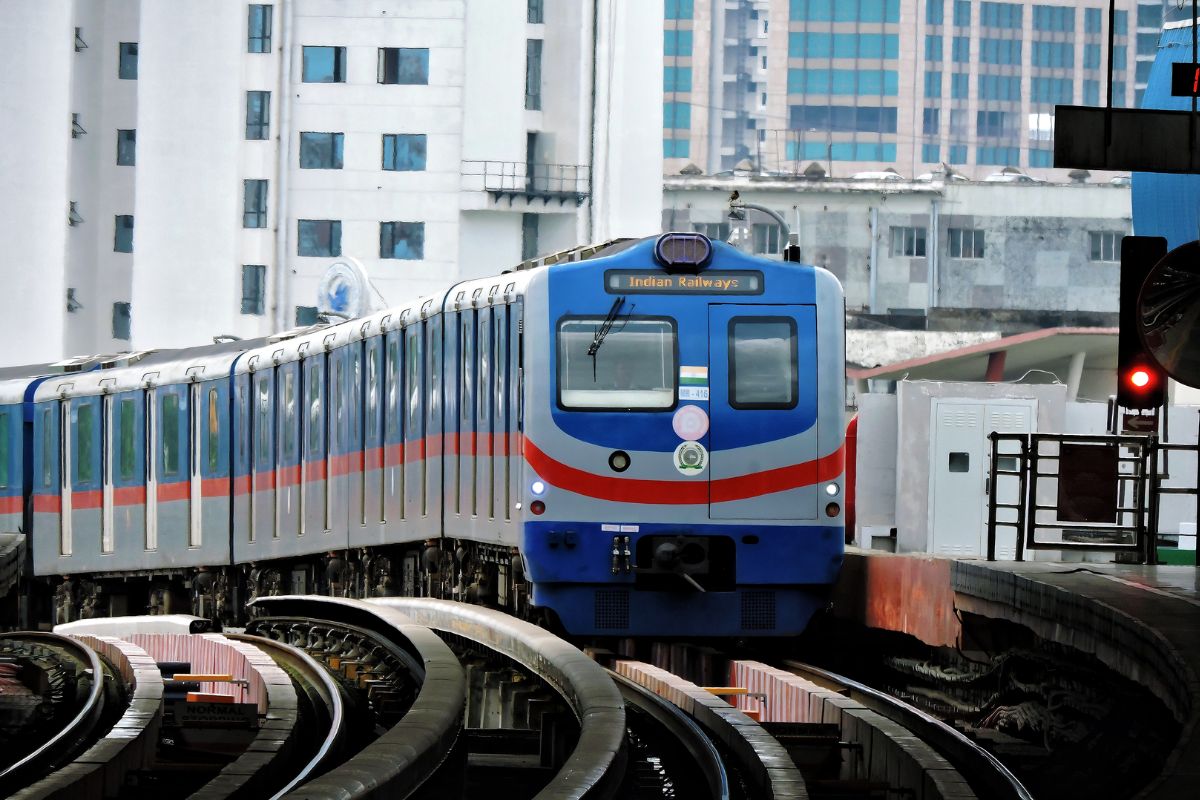

As conversations around sustainable travel continue to grow, more travelers are reconsidering how they move from one destination to another. While flights are often the fastest option, train journeys tend to offer something that air travel cannot: the opportunity to slow down, relax, and experience the natural landscapes between destinations. On World Environment Day, it is worth remembering that trains are generally considered among the more environmentally friendly modes of long-distance transport, producing significantly lower carbon emissions per passenger than air travel.
Beyond sustainability, some railway routes are attractions in themselves. India’s vast rail network passes through mountain ranges, tea plantations, deserts, coastlines, forests, and valleys, offering views that are impossible to appreciate from 35,000 feet in the air. For travelers willing to trade speed for scenery, these train journeys transform transportation into part of the adventure.
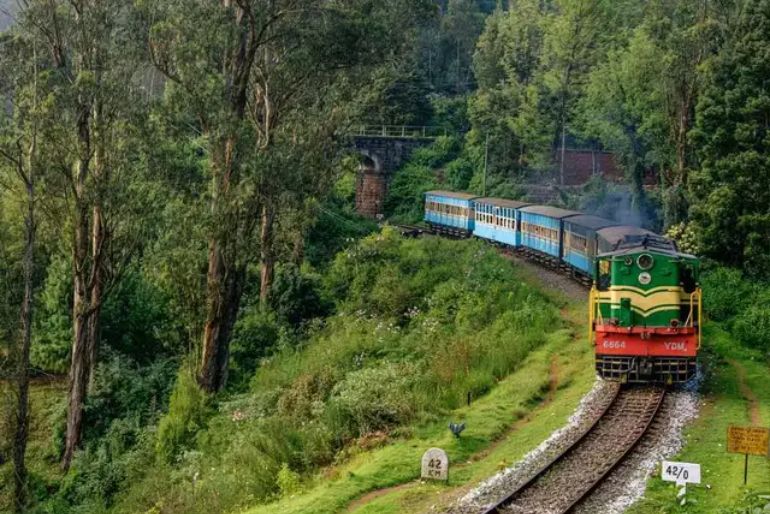
Why Train Travel Is Better For The Environment
Transportation remains one of the largest contributors to global carbon emissions, making the way we travel an increasingly important part of sustainable tourism. Compared to air travel, trains generally consume less energy per passenger and generate fewer greenhouse gas emissions, particularly on longer domestic routes. Choosing rail travel where possible can help reduce the environmental impact of tourism without compromising the travel experience itself.
For destinations connected by scenic rail routes, taking the train often offers a double benefit. Travelers not only reduce their carbon footprint but also gain the opportunity to experience landscapes, local communities, and natural environments that are often missed when flying directly from one city to another. On World Environment Day, these journeys serve as a reminder that sustainable travel can also be one of the most rewarding ways to explore a destination.
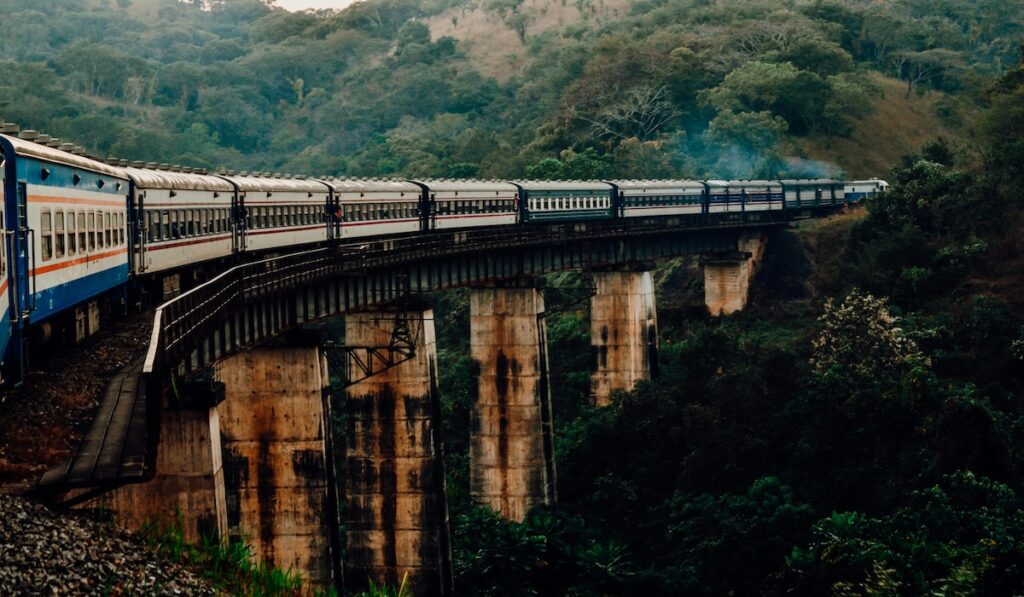
Why Scenic Train Journeys Are Making A Comeback
In an era dominated by quick weekend getaways and short-haul flights, train travel is experiencing renewed popularity among travelers seeking slower and more meaningful experiences. Increasingly, people are viewing the journey itself as part of the vacation rather than simply a way to reach a destination.
Large windows replace airplane cabins, while mountains, forests, rivers, villages, and coastlines unfold gradually outside. The experience feels more connected to the places being visited, allowing travelers to appreciate the changing landscapes in a way that is impossible from the air. As a result, some of India’s most scenic rail routes have become bucket-list experiences for travelers looking to combine sustainability with adventure.
Scenic Train Routes In India
Darjeeling Himalayan Railway, West Bengal
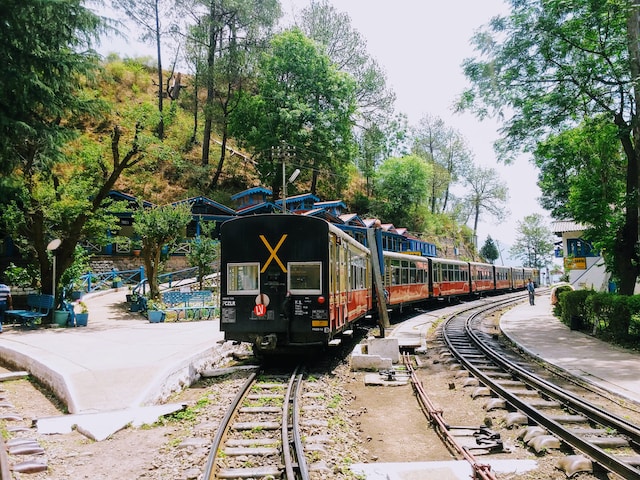
Often referred to as the “Toy Train,” the Darjeeling Himalayan Railway is one of India’s most iconic train journeys. This UNESCO World Heritage railway winds through misty hills, tea estates, mountain villages, and dense forests before reaching Darjeeling, offering spectacular views of the Eastern Himalayas and, on clear days, Kanchenjunga. The combination of heritage locomotives, dramatic scenery, and old-world charm makes it one of the country’s most memorable rail experiences.
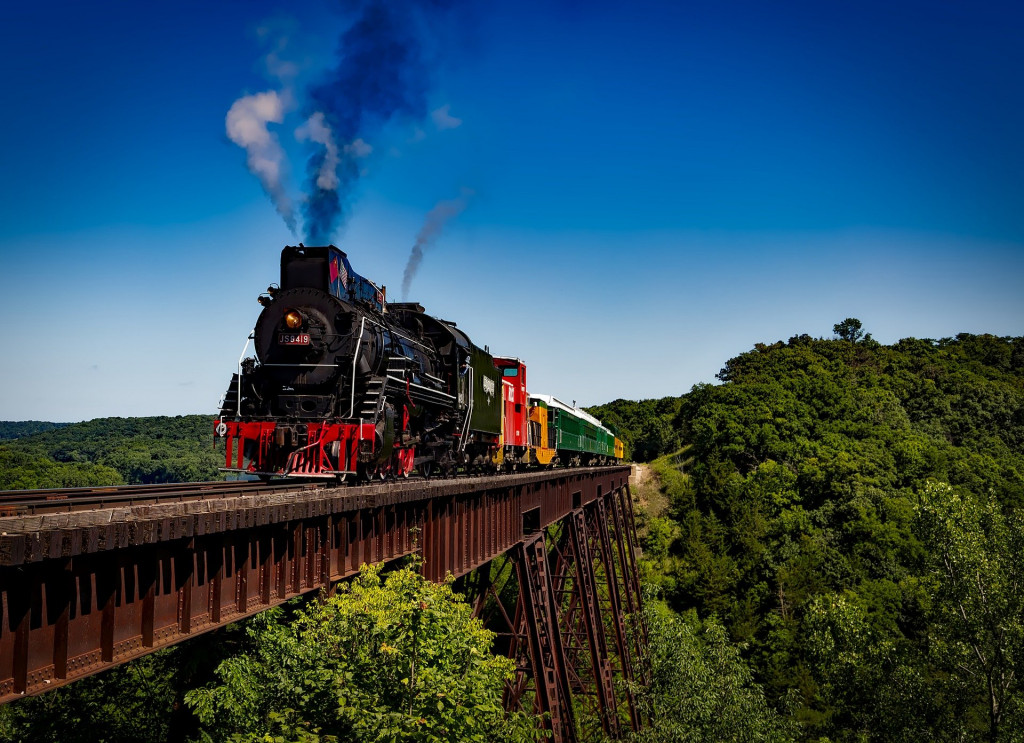
Konkan Railway, Maharashtra To Karnataka
Stretching along India’s western coastline, the Konkan Railway is widely regarded as one of the country’s most scenic routes. Running between Mumbai and Mangaluru, the journey passes through lush forests, rivers, waterfalls, tunnels, bridges, and villages framed by the Western Ghats. During the monsoon season, the landscape transforms into a vibrant green corridor, creating a journey that is every bit as rewarding as the destination itself.
Kashmir Railway, Jammu And Kashmir
The Kashmir Railway offers one of the most spectacular train journeys in India, connecting destinations across the Kashmir Valley while passing snow-capped mountains, meadows, rivers, and picturesque villages. The route is also home to the Chenab Rail Bridge, the world’s highest railway arch bridge, combining engineering excellence with breathtaking Himalayan scenery that few other modes of transport can match.
Also Read: How To Reach Kashmir by Train, Flight And Road: Cheapest Routes
Kalka – Shimla Railway, Himachal Pradesh
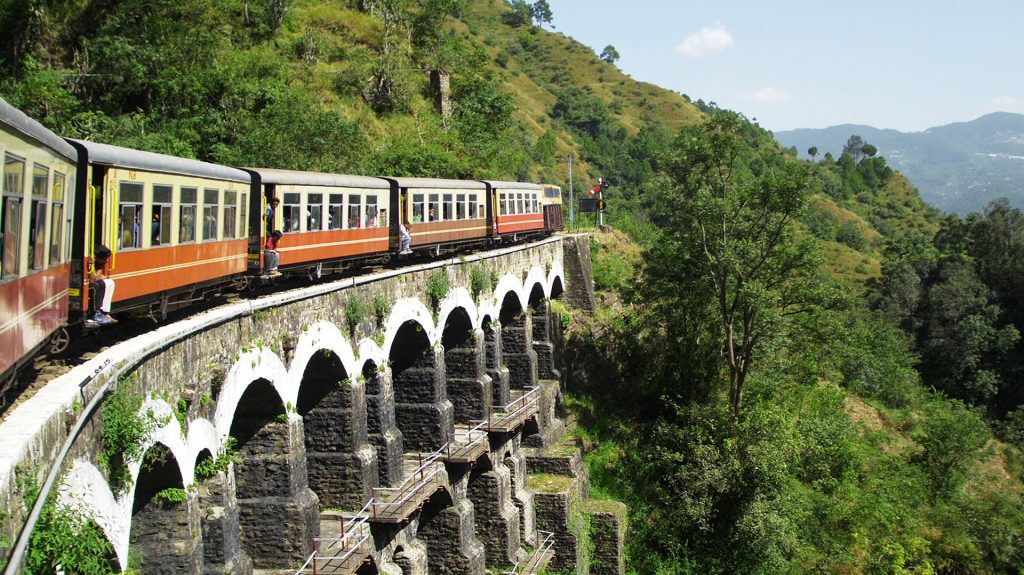
Another UNESCO World Heritage railway, the Kalka-Shimla route winds through the lower Himalayas via more than 100 tunnels, hundreds of bridges, and countless curves. Built during the British colonial era, the narrow-gauge railway treats passengers to views of pine forests, deep valleys, charming hill stations, and mountain landscapes that change dramatically with the seasons, making it one of India’s most celebrated mountain train journeys.
Nilgiri Mountain Railway, Tamil Nadu
Connecting Mettupalayam to Ooty, the Nilgiri Mountain Railway climbs through the scenic Nilgiri Hills using a unique rack-and-pinion system. The route passes dense forests, tea plantations, tunnels, and dramatic mountain viewpoints before reaching one of South India’s most popular hill stations. Its vintage charm and breathtaking surroundings have also made it a favorite filming location over the years.
Vasco Da Gama To Londa, Goa And Karnataka
One of India’s lesser-known scenic routes, the journey from Vasco Da Gama to Londa passes through dense forests, deep valleys, tunnels, and the spectacular Dudhsagar Falls in the Western Ghats. The route is particularly stunning during the monsoon months when the surrounding landscape turns lush green, and the waterfalls are at their most dramatic.
Jaisalmer To Jodhpur, Rajasthan
For travelers looking to experience a completely different side of India, the route between Jaisalmer and Jodhpur offers a remarkable journey through the Thar Desert. Endless dunes, desert villages, grazing camels, and vast open skies define the landscape, while the changing colors of the desert throughout the day create one of the country’s most visually striking railway experiences.
Best Time To Experience India’s Most Scenic Train Routes
While many of these journeys can be enjoyed throughout the year, timing can significantly enhance the experience. The Konkan Railway and Vasco Da Gama-Londa route are particularly spectacular during the monsoon months, when the Western Ghats are covered in lush greenery and seasonal waterfalls. Similarly, the Nilgiri Mountain Railway offers beautiful views throughout the year, although the post-monsoon months provide especially vibrant landscapes.
For mountain routes such as the Darjeeling Himalayan Railway, Kalka-Shimla Railway, and Kashmir Railway, spring and autumn generally offer the clearest views and most comfortable weather conditions. Travelers planning a desert rail journey between Jaisalmer and Jodhpur may prefer the cooler winter months, when Rajasthan’s temperatures are far more pleasant for sightseeing and photography.
Also Read: Top 3 Scenic Train Rides In India To Enjoy The Winter Snow Magic
Summing Up
World Environment Day serves as a reminder that how we travel matters just as much as where we travel. While flights may save time, some journeys are simply better experienced on the ground. India’s most scenic train routes offer travelers the opportunity to reduce their environmental footprint while discovering landscapes that would otherwise remain hidden from view.
From the tea-covered hills of Darjeeling and the mountains of Kashmir to the coastlines of Konkan and the deserts of Rajasthan, these railway journeys prove that sometimes the most memorable part of a trip is not the destination, but the journey itself.