
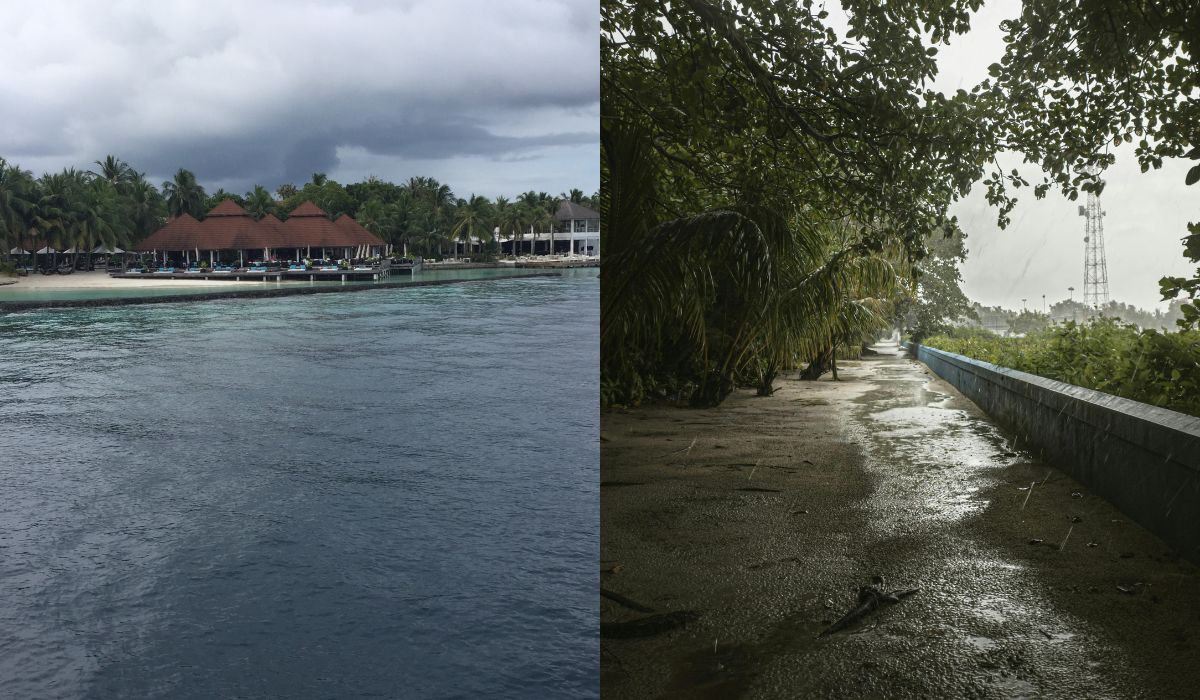
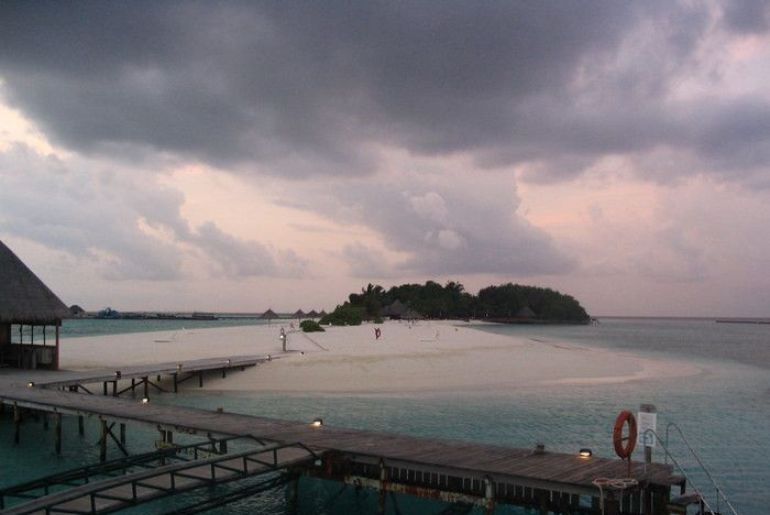
The Maldives is often pictured as a flawless tropical dreamscape with blinding sunshine, crystal-clear turquoise lagoons, and perfectly calm waters stretching endlessly beneath a blue sky. However, this postcard image does not represent the full reality of the country. The Maldives experiences two distinct seasons: the dry Northeast Iruvai (December to March) and the wet Southwest Hulhangu Monsoon (May to November). The wet season brings frequent showers, higher humidity, and stronger winds, but also drastically lower resort prices and incredible diving opportunities. For travelers considering a Maldives holiday during this latter period, the main question is simple: does the significant drop in luxury resort prices justify the possibility of cloudy skies, sudden tropical showers, and occasionally rougher seas? The answer depends entirely on your expectations. A monsoon Maldives trip is highly worthwhile for budget-conscious luxury travelers, couples seeking privacy, and marine life enthusiasts looking for rare underwater encounters. However, it may disappoint those whose dream holiday depends on guaranteed sunshine, uninterrupted tanning sessions, and perfectly calm, glass-like waters for casual snorkeling every day.
Is Maldives Worth Visiting In Monsoon?
The All-Day Rain Myth
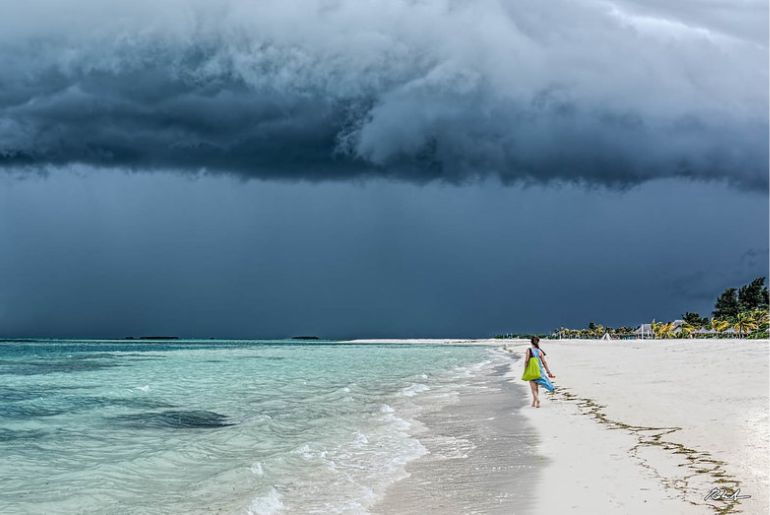
Many travelers imagine the monsoon as weeks of continuous rain, but that is rarely the typical Maldives experience. The country is a low-lying archipelago made entirely of coral islands, with no mountains or large land formations to trap weather systems. Because of this geography, passing weather fronts often move quickly across the islands. A cloudy morning can transform into bright sunshine within hours, and a sudden tropical shower may disappear almost as quickly as it arrives.
What Typical Rainy Days Look Like In Maldives
A normal monsoon day often follows a dramatic but manageable pattern: short bursts of heavy rainfall lasting around 30 to 45 minutes, frequently appearing in the late afternoon, evening, or overnight. These showers are usually separated by long periods of intense tropical sunlight. The unpredictability is part of the experience. While brief rainfall is common, travelers should be aware that the transition periods, especially June and the period from late September through October, can occasionally bring two or three consecutive days of grey skies, stronger winds, and overcast conditions.
Major Pros Of Visiting Maldives In Monsoon
Luxury Resorts Give 30 Percent To 40 Percent Discount
The biggest attraction of visiting during the monsoon is the dramatic reduction in luxury resort pricing. Premium private-island properties that can charge over INR 1,25,000 per night for overwater villas during the January high season may offer significantly lower rates during these months. Travelers can often find villas closer to the INR 60,000-per-night range or receive additional benefits such as complimentary half-board packages, resort credits, spa benefits, or included seaplane transfers. For visitors who want the Maldives experience without peak-season pricing, this period offers some of the strongest value.
Witness Exquisite Marine Life
The southwest monsoon creates a unique advantage for ocean lovers. Seasonal currents push nutrient-rich plankton through Maldivian channels, attracting some of the ocean’s largest and most impressive creatures. One of the most famous locations is Hanifaru Bay, located within the Baa Atoll UNESCO Biosphere Reserve. From May to November, the area can become a gathering point for large numbers of manta rays and whale sharks feeding on plankton-rich waters. It is a spectacular event that is far less common during the dry-season months.
Private Island-Like Experience
Lower visitor numbers during the monsoon create a quieter version of the Maldives. Guests can enjoy nearly empty infinity pools, untouched sandbanks, peaceful beaches without crowds, and a more personalised level of service from resort teams. For honeymooners, couples, and travelers who value privacy over guaranteed sunshine, this slower atmosphere can be one of the season’s biggest advantages.
The Cons Of Visiting Maldives In Monsoon
Rougher Sea Transfers And Possible Delays
The monsoon brings stronger winds and more active seas, which can affect transportation between islands. Speedboat transfers may become noticeably bumpier, especially for travelers sensitive to motion sickness. Regional seaplane operations can also face temporary delays during heavy squalls or poor weather conditions. Travelers with tight international flight connections through Malé should keep some flexibility in their schedules.
Reduced Visibility In Water
While the wet season attracts spectacular marine life such as the aforementioned manta rays and whale sharks, the same plankton-rich waters that create these encounters can reduce underwater clarity. Stronger waves, currents, and suspended particles may make casual reef snorkeling less visually impressive compared with the calmer dry season, when visibility is often at its best.
The Overwater Villa Challenge
Staying in an overwater villa remains one of the Maldives’ signature experiences, but monsoon conditions can introduce a few drawbacks. During periods of stronger winds, waves may hit the villa stilts with noticeable sound, particularly at night. Light sleepers may find the rhythmic crashing of waves relaxing, while others may find it disruptive.
Maximizing The Monsoon Maldives Itinerary
Here is how you can selectively game the monsoon calendar and geography to get the absolute best weather-to-price ratio:
Geography Check: Target The Southern Atolls For Better Skies
During the peak of the Southwest Monsoon (June and July), the southern atolls (like Addu or Gaafu Alifu) historically experience significantly fewer rainy days and lighter wind speeds compared to the northern and central atolls.
Transit Strategy: Prioritize Speedboat-Accessible Resorts Over Seaplanes
Book private islands located within the North or South Malé Atolls. If a passing storm grounds seaplanes due to poor visibility, heavy speedboats can still safely navigate the channels, ensuring you do not get stranded at the main airport.
Villa Selection: Split Your Stay Between Beach And Water Villas
Book a Beach Villa for the first half of your stay to enjoy the natural wind protection provided by the island’s lush jungle canopy. Switch to an Overwater Villa for the final nights once you have acclimatized to the sea breeze.
Resort Amenities: Vet The Resort’s Rainy-Day Infrastructure
Before paying a deposit, explicitly check the resort’s indoor footprint. Look for properties that feature large, covered world-class spas, indoor yoga pavilions, multiple distinct dining rooms, and comprehensive in-villa entertainment streaming systems.
Also Read: 7 Budget Beach Destinations In India That Feel Like The Maldives
Summing Up
Ultimately, the Maldives during the monsoon is an exercise in managed expectations. If you are willing to pack a light rain jacket, download a few movies for a stormy afternoon, and accept a little humidity in exchange for living out an ultra-luxury overwater bungalow dream at a fraction of the standard price, book the ticket. The ocean remains a warm 28°C or 82°F year-round, the palm trees are at their greenest, and the savings are undeniably real.