
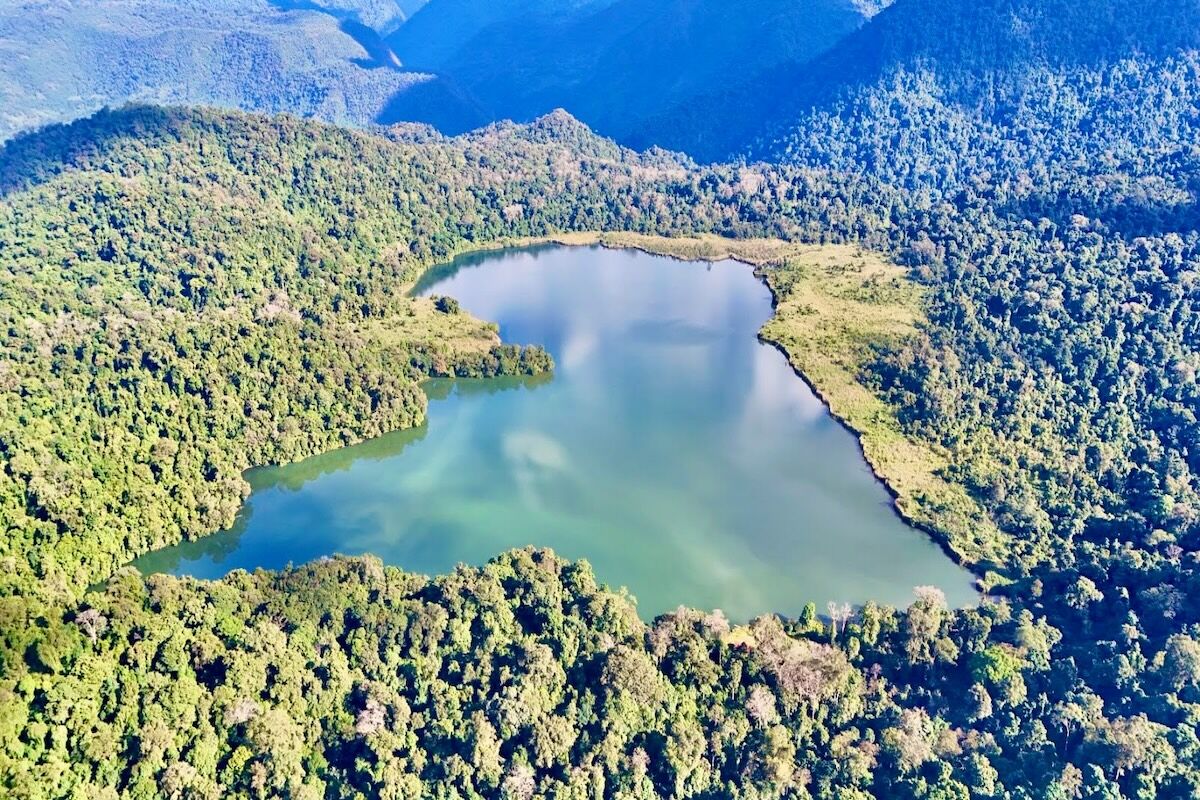
Arunachal Pradesh, often called one of India’s most breathtaking destinations, is home to the Tawang Monastery, the largest in India and the second-largest in the world. And now, Glaw Lake, located in this picturesque state, has achieved a significant milestone by being designated as India’s 101st Ramsar Site, marking a new era for wetlands conservation in Arunachal Pradesh and becoming the state’s first entry on this prestigious list.
Union Minister for Environment, Forest, and Climate Change, Shri Bhupender Yadav, announced the recognition of Glaw Lake, stating that this move is crucial for biodiversity preservation and sustainable livelihoods. On social media, he highlighted the impressive growth of Ramsar Sites in India, which have surged from 26 in 2014 to 101 today. This journey underscores India’s commitment to protecting natural ecosystems and supporting communities that rely on them.
Where Is Glaw Lake And What Should You Know
Nestled within the Kamlang Tiger Reserve and Wildlife Sanctuary in Arunachal Pradesh’s Lohit district, Glaw Lake is a freshwater body that plays a vital ecological role. This Important Bird and Biodiversity Area (IBA) not only supports various wildlife species, including four big cats (Tiger, Leopard, Clouded Leopard, and Snow Leopard), but also provides important habitat for the critically endangered white-bellied heron. Beyond its ecological significance, the lake is home to over 150 tree species and 49 types of orchids, making it a thriving haven for biodiversity.
Powered by 101 🇮🇳🌿
India continues Her journey beyond a century in designating Ramsar Sites.
Delighted to announce Glaw Lake as Arunachal Pradesh’s first Ramsar Site—a significant milestone for biodiversity, water and climate security, and sustainable livelihoods.
Nestled… pic.twitter.com/VnjLwV8Xfs
— Bhupender Yadav (@byadavbjp) August 3, 2026
The local Mishmi community regards Glaw Lake as sacred, reflecting a deep cultural bond with the environment. The tribe’s animistic beliefs emphasize a spiritual connection with nature, fostering a community-led approach to conservation in collaboration with the Forest Department.
How To Visit Glaw Lake?
To reach Glaw Lake, you can either fly to Arunachal Pradesh or get to Assam and then take a cab from there. From there, head to Wakro, where you can start your trek to the lake. Nearby attractions include the Kamlang River, a suspension bridge, lush forests, and mountain streams. The ideal time to visit is between October and March, after the monsoon season.
What Should You Know About The Ramsar Convention
The Ramsar Convention, established in 1971, aims to protect and sustainably manage wetlands worldwide, highlighting India’s substantial commitment with its third-highest number of Ramsar Sites globally. With Glaw Lake’s inclusion, the state takes a significant step forward in environmental stewardship and biodiversity conservation.
Summing Up
Glaw Lake is India’s 101st Ramsar Site, making it the first wetland in Arunachal Pradesh to receive this important designation. Located within the Kamlang Tiger Reserve, which is rich in biodiversity, the lake is a habitat for many rare plants and animals. It is also culturally important to the local Mishmi community.