

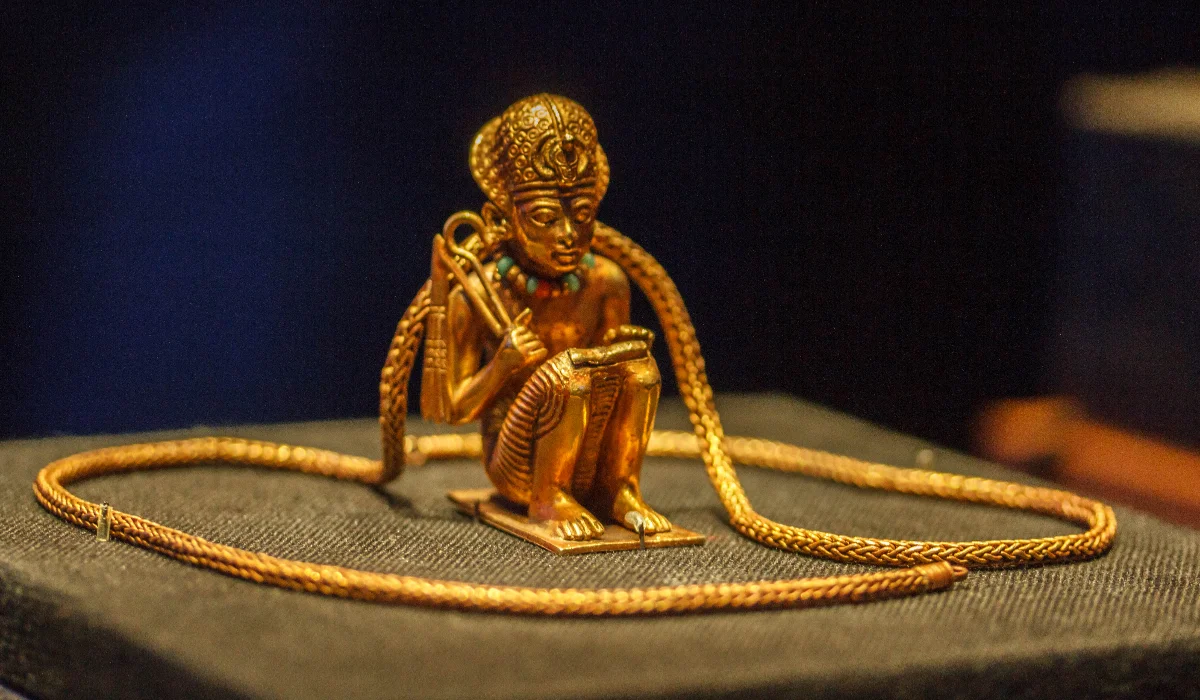
History buffs, you might just have one more reason to visit Egypt. The tomb of pharaoh Amenhotep III in Luxor’s Valley of the Kings has been reopened following a restoration project that spanned more than 20 years. The Tomb of Amenhotep III is believed to be about 3,400 years old. With the tomb now reopened, visitors and researchers can have more access to the inscriptions, wall paintings, and other artifacts inside the tomb.
Tomb Of Amenhotep III Reopens After More Than 20-Year-Hiatus
Restoration That Lasted For More Than 20 Years
The Tomb of Amenhotep III consists of a 36-meter-long passage leading to the three connected chambers inside the tomb. One of them belongs to the pharaoh, while the other two were associated with his queens, Tiye and Sitamun. Located in the Valley of the Kings near Luxor, the 3,400-year-old burial site was off-limits to the public for over 20 years.
Restoration began in 2001 and lasted till 2024 in three phases. Egyptian, Japanese, and international teams were involved in the restoration. More than 260 specialists contributed over two decades, working to conserve the tomb’s structure and its surviving artifacts. The restoration also involved restoring the sarcophagus lid, preserved in place.
Also Read: Air India Launches EasyRoam SIM For International Roaming Access In 30 Countries
Amenhotep III’s Tomb First Located In 1799
French engineers first located the tomb in 1799 during Napoleon’s campaign in Egypt. In 1915, British archaeologist Howard Carter carried out a full excavation but he found that the burial chamber had been looted centuries earlier. Despite the damage done to it, the site remains one of the most significant burial sites in the region, with remarkable wall paintings and hieroglyphs. A lot of this art is from the Book of the Dead, an ancient Egyptian funerary text intended to guide the deceased into the afterlife.
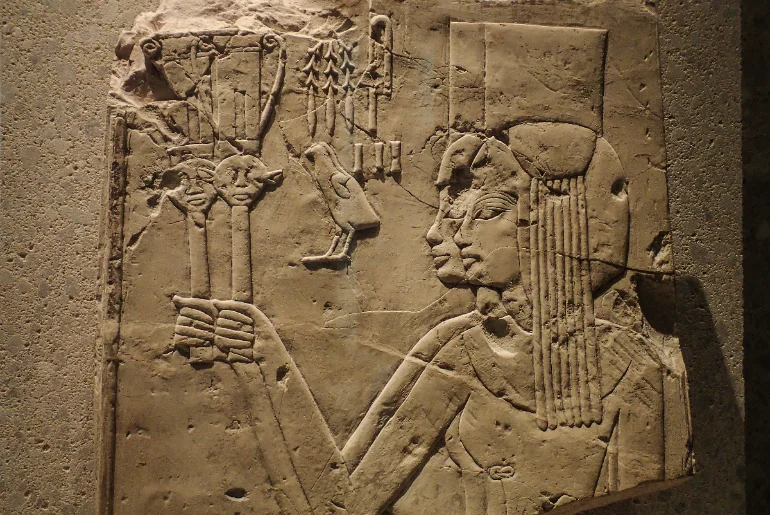
Amenhotep III ruled Egypt from around 1390 to 1350 BC during the 18th Dynasty. This period was associated with the peak of ancient Egypt’s power and prosperity. The ruler left behind a legacy of temples, palaces, and monumental statues, including the Colossi of Memnon near Luxor.
Also Read: Egypt Beyond The Pyramids Of Giza: What To See And Where To Go
Boost In Egypt’s Tourism Numbers
Visitors can descend around 14 meters underground to explore the tomb. The preserved paintings and inscriptions provide visitors with valuable information about Egyptian traditions and burial practices.
The pharaoh’s mummy no longer rests inside the complex – ancient priests moved it to the tomb of his grandfather, Amenhotep II, for protection. Today, it is displayed at the National Museum of Egyptian Civilization in Cairo alongside 16 other royal mummies.
Egypt’s tourism ministry is counting on this addition to the Valley of the Kings. Additionally, it is also counting on the first year of the newly opened Grand Egyptian Museum to draw international attention.
Also Read: Egypt Visa Fee 2027: What Changes From January And What Indian Travelers Should Know
Summing Up
The tomb of Amenhotep III has been reopened to the general public after a hiatus of 20 years. The restoration work on the tomb began in 2001 and ended in 2024, lasting more than 20 years. Now, it is open to visitors looking to explore more of Egypt’s cultural and historical heritage.