


For many vegetarians, food can be one of the biggest questions when planning a trip to Japan. Japanese cuisine is closely tied to seafood and dashi, but it also has a rich tradition of cooking with tofu, seasonal vegetables, rice, seaweed, and other plant-based ingredients, most notably through Buddhist shojin ryori. This culinary heritage sits alongside a growing vegan and vegetarian dining scene, making it easier to explore Japan without missing the connection between food and culture. From understanding hidden ingredients to discovering temple cuisine, vegetarian ramen, local restaurants, and convenient travel-friendly options, this guide covers what Indian vegetarians should know before eating their way through Japan.
What Vegetarian Food Means In Japan
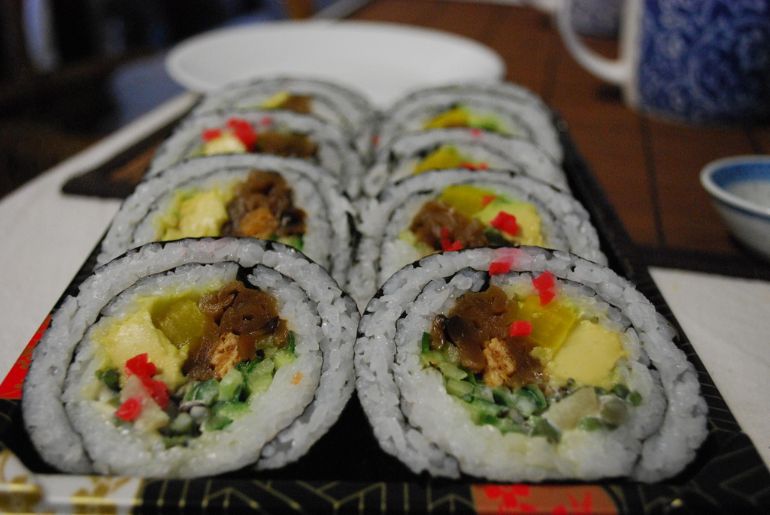
Since meat and seafood are such an integral part of Japanese cuisine, even when food appears to have no meaty items, it may contain non-vegetarian products. Here is a list of items you should be careful around when trying food in Japan:
1. The Dashi (Bonito Broth) Trap
The biggest challenge for vegetarians in Japan isn’t meat; it’s dashi. It is the foundation of countless Japanese dishes. Traditional dashi is prepared using bonito flakes (dried fish) and kelp, giving soups, sauces, and noodle broths their signature umami flavor. Even dishes that appear completely vegetarian, such as vegetable udon, soba, ramen, miso soup, or dipping sauces, often contain fish-based dashi. Unless a restaurant specifically states that it serves vegetarian or vegan broth, it’s safest to assume that fish stock has been used.
2. Watch Out for Katsuobushi (Bonito Flakes)
Another common surprise is katsuobushi. It is paper-thin dried bonito flakes that appear to “dance” when placed on hot food. These fish shavings are frequently sprinkled over dishes such as chilled tofu (Hiyayakko), okonomiyaki (Japanese savory pancakes), grilled vegetables, and other side dishes. Since the flakes are added as a topping, they may not always be mentioned on the menu, making it important to double-check before ordering.
3. Hidden Animal Ingredients In Convenience Foods (Konbinis)
Convenience stores are lifesavers for travelers, but they can also be misleading. Bread, rice balls (onigiri), instant noodles, snacks, and packaged meals may contain pork extract (pōku ekisu), chicken stock, gelatin, lard, or other animal-derived ingredients, even if no meat is visible. Always read ingredient labels carefully or use a translation app to verify packaged foods before purchasing.
Why “No Meat” Isn’t Enough
One of the most common misunderstandings for international travelers is assuming that saying “I don’t eat meat” automatically excludes fish. In Japan, many people interpret “meat” as beef, pork, or chicken, while fish, seafood, shrimp, and fish-based broth are considered separate categories. To avoid confusion, clearly explain that you do not eat meat, fish, seafood, or broth made from fish or meat. Being specific greatly increases your chances of receiving a genuinely vegetarian meal.
Planning a Japan trip without overspending? Find out whether Japan can be a budget-friendly international destination for Indian travelers.
Essential Japanese Phrases For Vegetarians
Here are a few Japanese phrases you can learn to make communication with servers and restaurants easier:
- I am vegetarian: 私はベジタリアンです (Watashi wa bejitarian desu)
- I don’t eat meat, fish, or seafood: 肉と魚介類を食べません (Niku to gyokairui wo tabemasen)
- Does this contain fish broth?: 出汁(だし)は入っていますか? (Dashi wa haintemasu ka?)
- No egg, please: 卵抜きでお願いします (Tamago nuki de onegaishimasu)
- Please make it without onion/garlic (Jain/Buddhist): 五葷(ごくん)抜きで (Gokun nuki de)
Local Japanese Dishes That Are Authentically Vegetarian
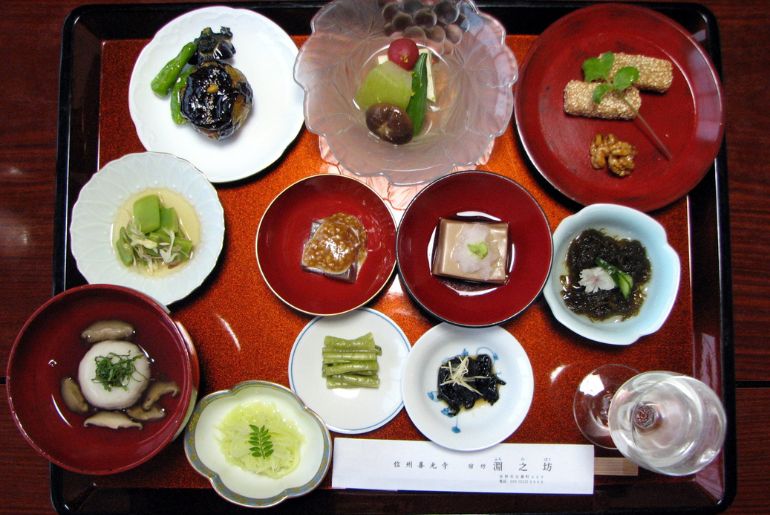
- Shojin Ryori: This is traditional Zen Buddhist temple cuisine. It is purely plant-based, seasonal, and naturally free from meat, fish, garlic, or onions.
- Vegetarian Or Vegan Ramen: Highlight popular chains serving 100 percent plant-based ramen broths, such as Afuri Vegan and T’s Tantan.
- Kushikatsu And Vegetable Tempura: Deep-fried vegetable skewers (lotus root, sweet potato, eggplant) cooked in pure vegetable oil (verify batter does not contain egg/dashi).
- Yudofu (Saga/Kyoto Special): Boiled tofu served in kelp (kombu) broth a clean, warming traditional meal.
Vegetarian And Indian Restaurants In Major Cities
Tokyo
- T’s Tantan (Tokyo Station/Ueno): It is famous for its 100 percent plant-based ramen.
- Siddique Palace: A prominent Indian restaurant offering vegetarian dishes.
- Milan Natraj: Pure vegetarian/Jain-friendly Indian dining in Ginza/Shibuya.
Kyoto
- Shigetsu (Inside Tenryu-ji Temple): World-class Shojin Ryori dining with garden views.
- Godaigo and Mameshichi: These are forms of traditional dining establishments rather than restaurants per se. They’re tofu-centric, making them vegetarian and vegan-friendly.
Osaka
- Paprika Vegan Bistro: This bistro offers Western and Japanese fusion plant-based meals.
- Indian Cuisine Mithila: This Indian restaurant offers halal-friendly and vegetarian options that are great for vegetarians.
- Kobe Indian Hubs: Kobe is a hub for Indian restaurants and offers easy access to veg Indian curries and naan.
How To Navigate Local Konbinis As A Vegetarian
Japan’s konbinis are known the world over. You can find plenty of vegetarian and even vegan options at local konbinis like 7-Eleven, Lawson, and Family Mart. Here are a few items you can pick up if you’re craving a quick vegetarian snack:
- Salted Edamame and Roasted Sweet Potatoes (Yakiimo): Safe, highly nutritious snacks found everywhere.
- Seaweed Onigiri (Kombu Onigiri): How to check for pure seaweed rice balls without added fish extracts.
- Smoothies and Fresh Fruits: Convenient, quick breakfast options for travelers on the move.
Planning an October trip for fall colors? Here’s where Indians can see autumn leaves in October, with Japan, South Korea and Europe compared.
Which Cities Are The Most Vegetarian-Friendly In Japan?
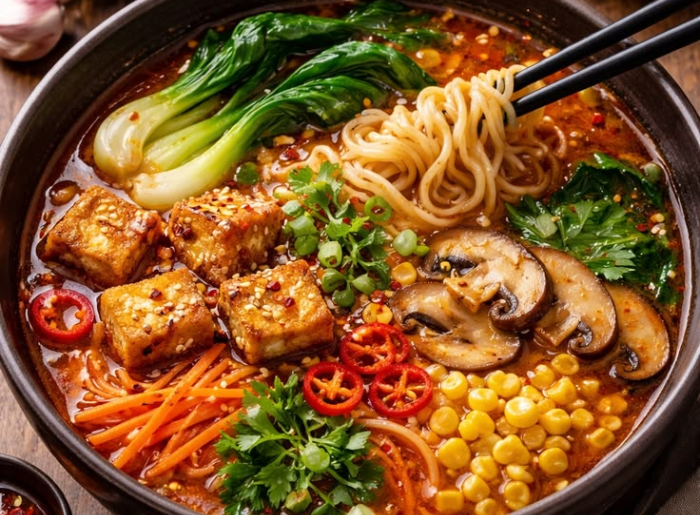
Vegetarian food is generally easier to find in Japan’s major tourist cities, where restaurants are more accustomed to different dietary requirements. For Indian vegetarians, these cities are among the most convenient:
- Tokyo: Probably the easiest city for vegetarian travelers because of the sheer variety available. You can find dedicated vegan restaurants, plant-based ramen, vegetarian Japanese dishes, shojin ryori, and plenty of Indian restaurants. Tokyo’s official tourism organization also publishes a dedicated Vegan & Vegetarian Restaurant Guide, making it easier to identify suitable places before you visit.
- Kyoto: One of the best destinations for travelers who want to experience traditional Japanese vegetarian cuisine. Kyoto’s Buddhist heritage makes it particularly famous for shojin ryori, which centers on seasonal vegetables, tofu, grains, and other plant-based ingredients. The city also has vegan ramen restaurants, tofu specialists, and vegetarian cafés. Strict vegetarians should still confirm whether dashi contains fish.
- Osaka: Despite being famous for meat and seafood-heavy street foods such as takoyaki and okonomiyaki, Osaka has a growing vegetarian and vegan dining scene. Travelers can find plant-based Japanese meals, international restaurants, and even cooking experiences offering vegetarian versions of dishes such as okonomiyaki and sushi.
- Nara: A particularly interesting choice for vegetarians looking for traditional food. Nara’s Buddhist heritage gives travelers access to shojin ryori, while regional ingredients such as Yamato vegetables feature prominently in local cooking. Dedicated vegetarian and vegan restaurants also make Nara an easy addition to a Kyoto and Osaka itinerary.
- Hiroshima: Vegetarian and vegan options have become increasingly available across Hiroshima, including Hiroshima City and nearby tourist destinations such as Miyajima. Dedicated vegetarian restaurants make it easier to explore local cuisine, but travelers should still check ingredients carefully when ordering dishes such as Hiroshima-style okonomiyaki, which traditionally contains meat and other non-vegetarian ingredients.
For a first trip to Japan, Tokyo and Kyoto are probably the easiest choices for Indian vegetarians. Tokyo provides the greatest overall variety, while Kyoto stands out for authentic Japanese vegetarian traditions rather than simply offering substitutes for meat-based dishes.
What Apps To Download To Ease Language Barrier Struggles
- Google Translate Camera Feature: The camera feature of the Google Translate app helps in scanning ingredient lists for keywords like 豚肉 (pork), 牛肉 (beef), 魚 (fish), and 出汁 (dashi).
- HappyCow App: This is the ultimate map tool for finding 100 percent vegetarian, vegan, and Indian restaurants across Japanese train stations.
Wondering where to eat while exploring Japan? Here’s where to find halal food in Japan, including Muslim-friendly restaurants to visit.
Author’s Note
When I visited Japan in April 2026, finding vegetarian food was something I had to think about every day because my girlfriend is a pure vegetarian. What helped us most was doing our research beforehand instead of assuming we would find something wherever we went. We would look up vegetarian restaurants, check menus and ingredients, and save a few options before heading out for the day. Whenever we were unsure, Japanese people were incredibly helpful, often taking the time to understand what we needed and guide us toward something suitable. A little planning made eating vegetarian in Japan much easier than we initially expected.
Summing Up
Traveling to Japan as an Indian vegetarian can require more planning, particularly because fish-based dashi, bonito flakes, and animal extracts can appear in dishes that otherwise look vegetarian. However, finding suitable food has become considerably easier, especially in vegetarian-friendly cities such as Tokyo, Kyoto, and Osaka, where travelers can explore everything from plant-based ramen and tofu dishes to traditional shojin ryori and Indian cuisine.