

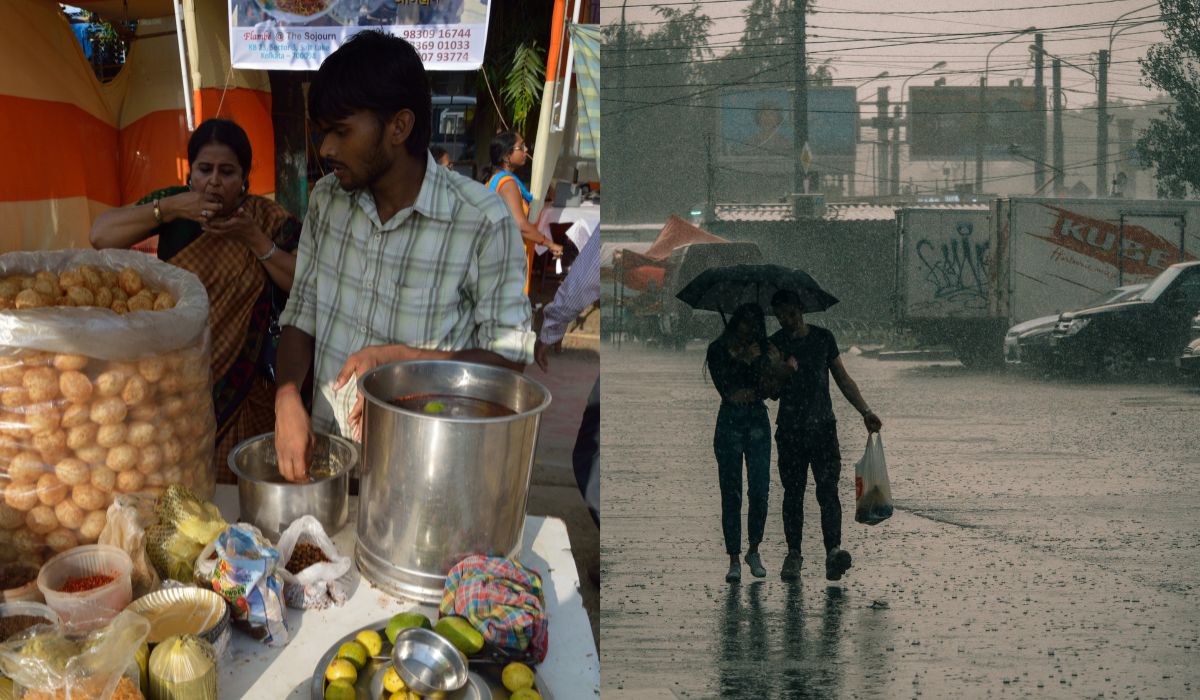
Rain often brings with it a relief from sweltering heat and an irresistible craving for spicy, hot street food. Such cravings are but human. However, the monsoon season creates a breeding ground for waterborne pathogens (E. coli, Salmonella) due to high humidity, stagnant water, and compromised sanitation. So, in order that you don’t get food poisoning or worse, unstumbled has compiled a list of the street food items you should avoid and why you should avoid them. We also have a few recommendations for the street food items you can consider having instead. Here are the top street foods to avoid in the monsoon season to avoid falling sick.
Top Street Foods To Avoid In Monsoon Season
1. Pani Puri/Golgappas/Gupchup
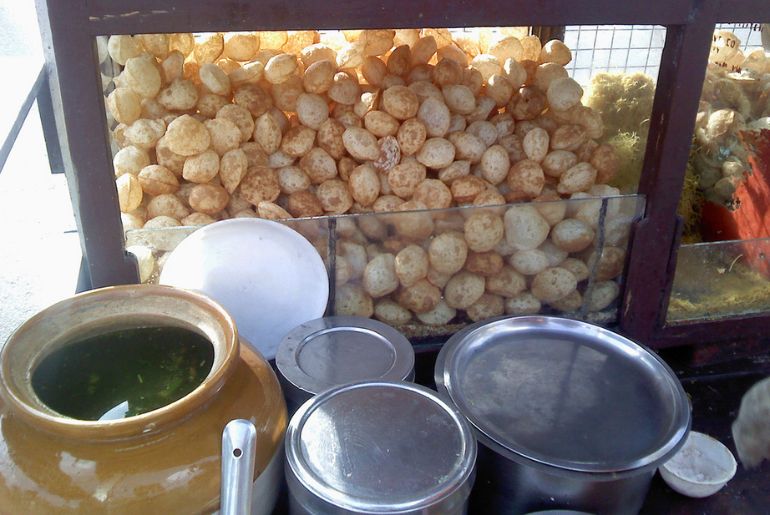
Pani puri tops the list of foods to avoid during the monsoon. The flavored water is often prepared using untreated or unboiled water, making it a common source of waterborne diseases like typhoid and cholera.
Why You Should Avoid It: Contaminated water and repeated hand contact can introduce harmful bacteria and viruses, leading to severe stomach infections.
2. Raw Vegetable Salads/Chutneys
Street-side sandwiches, chaats, and samosas are often served with raw onions, cucumbers, mint, or coriander chutneys. These ingredients are rarely washed with purified water and can carry mud, pesticides, and germs.
Why You Should Avoid It: Raw vegetables can trap bacteria and parasites, increasing the risk of diarrhea and gastrointestinal infections.
3. Pre-Cut Fruits And Fresh Juices
Watermelon, papaya, pineapple, and sugarcane juice sold on the roadside may remain exposed to flies, dust, and humid air for hours. The ice added to juices is also frequently made from contaminated water.
Why You Should Avoid It: Prolonged exposure and unsafe ice can introduce harmful micro-organisms that cause food poisoning.
4. Seafood From Small Stalls
Roadside fish, prawns, and crabs require proper refrigeration, which many small stalls cannot maintain. Monsoon is also the breeding season for many fish species, making seafood quality more unpredictable.
Why You Should Avoid It: Poor storage speeds up spoilage, increasing the risk of bacterial contamination and foodborne illness.
5. Gola And Ice Gola
These colorful frozen treats are made using crushed ice and flavored syrups. Commercial ice blocks are often prepared with untreated water, while syrups may be exposed to dust and insects.
Why You Should Avoid It: Contaminated ice and unhygienic syrups can lead to stomach infections and waterborne diseases.
6. Dairy-Based Street Sweets
Roadside lassi, rabdi, kulfi, and other milk-based desserts spoil quickly in warm, humid conditions if they are not continuously refrigerated.
Why You Should Avoid It: Spoiled dairy can contain harmful bacteria that cause vomiting, diarrhea, and severe food poisoning.
7. Samosas And Vada Pav Left In Open Trays
Although deep frying kills most germs, snacks that sit uncovered for long periods lose that safety advantage. Exposure to moisture, flies, and repeated handling increases contamination.
Why You Should Avoid It: Stale fried foods can become breeding grounds for bacteria despite being cooked at high temperatures.
8. Roadside Chinese Food With Sprouts And Cabbage
Street-style noodles and Manchurian often include raw shredded cabbage or lightly cooked sprouts. These ingredients can harbor harmful bacteria and parasites if not thoroughly cleaned and cooked.
Why You Should Avoid It: Contaminated raw vegetables and sprouts may cause stomach infections, diarrhea, and parasitic illnesses.
9. Open-Air Egg Stalls (Bhurji/Omelet)
Many roadside vendors store eggs in hot, humid conditions without refrigeration. Cracked or improperly stored eggs are more likely to become contaminated.
Why You Should Avoid It: Poor storage increases the risk of Salmonella infection, which can cause fever, diarrhea, and abdominal cramps.
10. Meat Skewers From Roadside Stalls
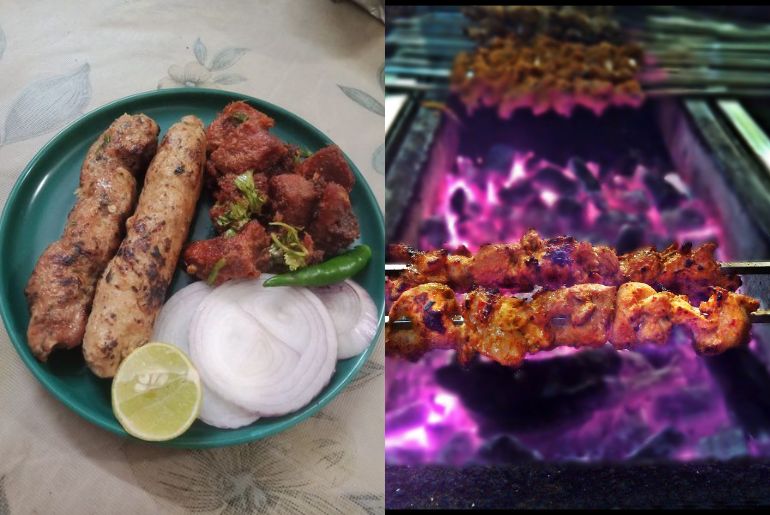
Minced meat kebabs and skewers often remain uncovered for long periods before cooking, especially at roadside stalls with limited refrigeration.
Why You Should Avoid It: Warm temperatures encourage rapid bacterial growth, making undercooked or poorly stored meat a significant food safety risk.
The Science Of Why These Food Items Make You Sick
- Humidity: One of the major reasons is humidity. High humidity accelerates bacterial multiplication on food surfaces.
- Water Contamination: Flooding and heavy rains frequently mix sewage line leakage with municipal water supplies used by unauthorized street vendors.
- Weakened Immunity: The fluctuating monsoon weather can cause your immunity to weaken. This increases the likelihood of you developing infections and fever. It can also lower digestive efficiency, making the body more susceptible to gastroenteritis.
Safe Street Food Items To Have Instead
- Freshly Made, Hot, Fried Snacks: Freshly fried bhajiya, hot pakoras, or roasted bhutta (corn on the cob) eaten immediately off the grill or stove. This is because the high heat kills most pathogens.
- Freshly Cooked Steamed Foods: Hot idlis, steamed momos, or steaming bowls of soup/ramen, provided they are served directly from the steamer.
- Home-Brewed Kadhas And Ginger Tea: While not technically street food, replacing open-stall juices with fresh kadhas or tea made at home helps your immune system to fight germs that do enter your body.
Also Read: From Smoothie Bowls to Sourdough: 7 Mumbai Cafes That Make Healthy Eating Delicious
Tips To Ensure Food Safety
- If a stall or a vendor is close to a garbage pile or in an otherwise unhygienic place, avoid eating from them entirely.
- Make sure the vendor has clean clothes, covered food displays, and tap-water usage (or mineral water bottles).
- If a street food item is not piping hot, avoid consuming it. This goes doubly if the street food item has cooled down to room temperature.
- Always carry a sanitizer with you. If it is alcohol-based, even better.
- Avoid using the reusable steel or plastic cutlery that the stall provides. This is because you cannot know for sure how reliably the vendor has washed the utensils. Instead, opt for disposable cutlery as no one else would have used it before you, which makes it cleaner.
Summing Up
Monsoon and street food are a classic combination, but a little caution can go a long way in protecting your health. The biggest risks during the rainy season come from contaminated water, poor food storage, unhygienic preparation, and ingredients that spoil quickly in humid conditions. Choosing freshly cooked, piping-hot food from clean and reputable vendors can significantly reduce your chances of contracting foodborne illnesses. You don’t have to give up your favourite rainy-day treats entirely. Just be mindful of where you eat and how the food is prepared. By following a few simple food safety practices, you can enjoy the flavours of the season while keeping stomach infections, food poisoning, and waterborne diseases at bay.



One Response