

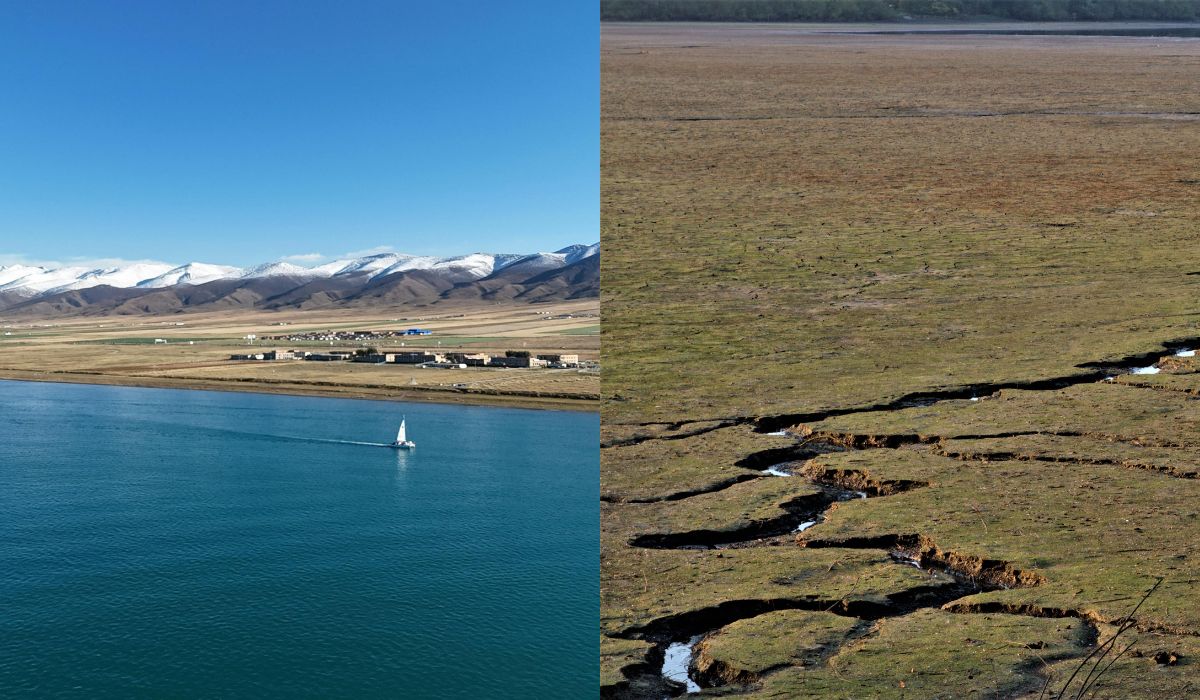
A massive earthquake recently rocked the Qinghai province of China. The quake measured 6.3 magnitudes on the Richter scale and wreaked widespread havoc. So far, it has claimed the life of one person and injured as many as eight. The earthquake struck on Tuesday at 5:06 PM local time. Emergency rescue teams have been deployed to rescue locals from the rubble. Here are all of the other important details that you would need to know about this particular earthquake.
Magnitude 6.3 Earthquake Strikes Qinghai, China

According to the China Earthquake Networks Centre (CENC), the earthquake had a depth of 10 kilometers, and the epicenter was near the Da Qaidam (Dachaidan). It is a major mining region and a known tourist spot on the Qinghai-Gansu tourist route. Early findings from local media, like the Qinghai Daily, confirm that communication, transport, water, and power grids within 50 km of the epicenter are initially operating normally.
Also Read: Bay Of Bengal Hit By 4.6 Magnitude Earthquake: Details Inside
After the first major earthquake, the region also witnessed a number of subsequent tremors and aftershocks. One of the strongest of these measured to around 4.9 magnitudes on the Richter scale. However, the regional lithium chemical production facilities — highly prevalent in the mineral-rich Haixi prefecture — remain largely unaffected.
Also Read: 4.0-Magnitude Earthquake Strikes Delhi, Tremors Felt Across NCR
Response And Relief Operations
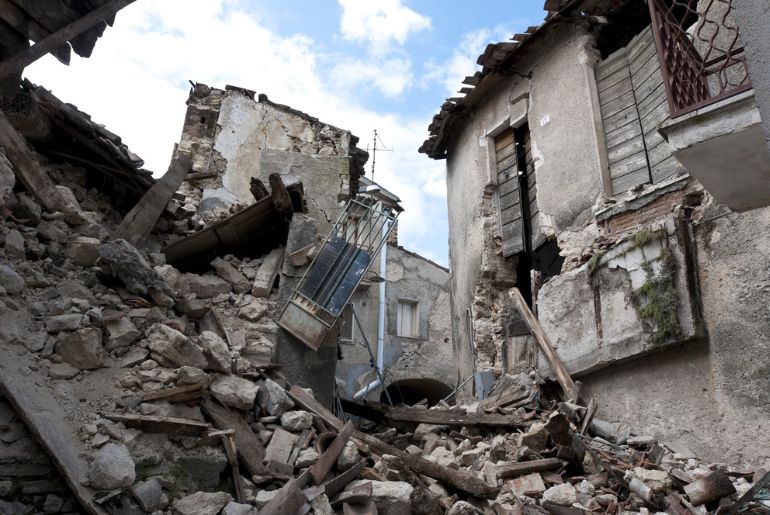
The mines located close to the epicenter were successfully evacuated following a tremor. China’s Ministry of Emergency Management, too, activated a Level-IV emergency response, sending dedicated work teams to guide the disaster relief.
320 national comprehensive fire and rescue workers were deployed. 78 emergency vehicles and 10 search-and-rescue dogs have been sent on-site. 10,000 relief items were also sent to the area (tents, folding beds, quilts, and emergency lighting).
Also Read: Indians Can Now Apply for China Visa Online: Here’s What You Need To Know
These regions in Northwestern China are prone to earthquakes and high-intensity seismic activities owing to their high-altitude topography combined with their proximity to the major tectonic faults bounding the Tibetan plateau.
Also Read: India Reopens Tourist Visas For China After Galwan Freeze
Summing Up
It is hoped that the calamity’s damage can be mitigated. As per reports, the eight injured have received treatment at the local medical facilities and have already been discharged. Officials are also continuously monitoring the seismic shifts in the region.