

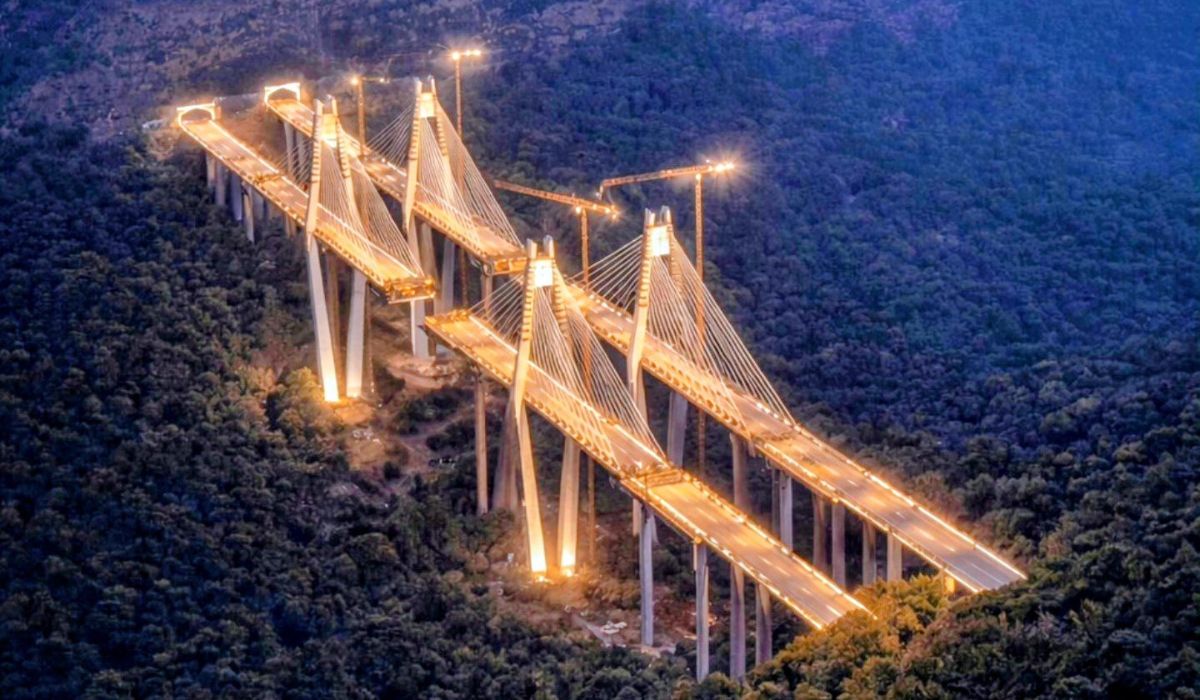
Driving between Mumbai and Pune has long been a test of patience, especially when hitting the notorious Khandala Ghat. But the game has officially changed. On May 1, 2026, the highly anticipated 13.3-km “Missing Link” project was officially opened to the public. This INR 6,695-crore engineering marvel promises to bypass one of the most hazardous, slow-moving stretches of the existing expressway. Here is the complete breakdown of why it is called the “Missing Link,” how it was constructed, and how it is holding up during its very first monsoon season.
Why Is It Called The Missing Link?
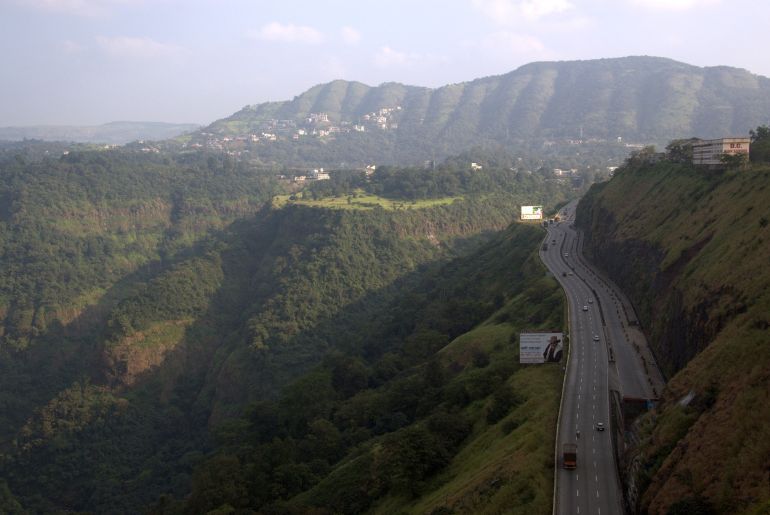
The name sounds like something out of an anthropology textbook, but the reality is pure transportation planning. When the Mumbai-Pune Expressway was opened in 2002, the Khopoli-to-Kusgaon stretch (which winds steeply through the Khandala Ghat) was never fully integrated as a high-speed, six-lane expressway. Instead, traffic from both the Expressway and the old NH-4 National Highway was forced to merge into a single, bottlenecked 10-lane corridor.
Because of the challenging topography of the Western Ghats, engineers initially couldn’t build a straight, wide highway through this section. For over two decades, this 19-km winding bottleneck remained the “missing” high-speed link in an otherwise seamless expressway. The new project literally “plugs” this gap. By cutting straight through the mountains rather than winding around them, it connects Khopoli directly to Kusgaon, effectively completing the expressway’s original design.
Salient Features Of The Infrastructure Project
The Missing Link Project is touted as a masterclass in modern infrastructure engineering. It has the following features:
Asia’s Widest Tunnels: The project features two massive twin tunnels. The first is 1.67 km long, and the second stretches a whopping 8.92 km, making it one of the longest highway tunnels in India. At approximately 23.8 meters wide, these tunnels are built to handle up to 8 lanes of high-speed traffic.
India’s Tallest Cable-Stayed Bridge: To bridge the deep valleys of the ghats, engineers constructed a spectacular 650-meter-long cable-stayed bridge that stands nearly 125 to 132 meters above the valley floor.
Distance and Time Saved: The new route shortens the overall driving distance between Mumbai and Pune by 5.7 km and slashes travel time by 25 to 30 minutes. More importantly, it completely bypasses the accident-prone hairpin curves of the Khandala Ghat.
The Landslide On July 6, 2026, At 4 AM
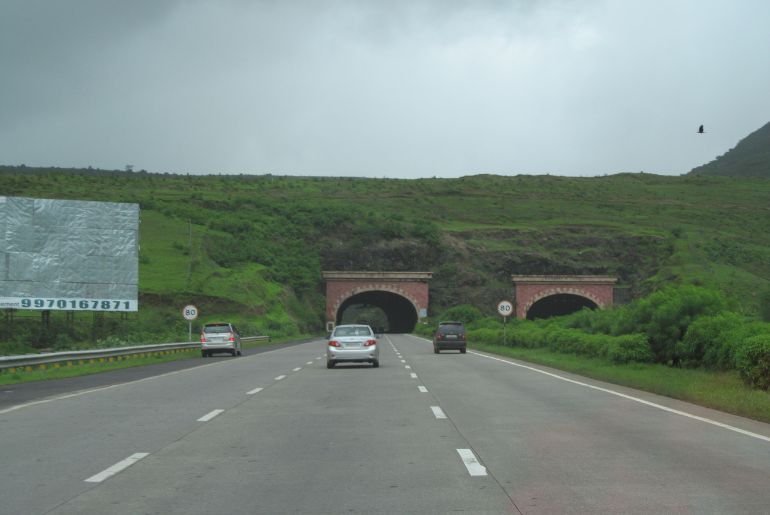
While the project was celebrated as a monumental triumph upon its May launch, the arrival of the heavy July monsoons brought with it a first real-world safety test. Following relentless, historically heavy rainfall in the Lonavala region, a landslide occurred near the exit of Tunnel 2. Debris and large boulders tumbled down from a height of 150 meters, damaging an external ornamental frame of the tunnel portal.
As a safety precaution, authorities temporarily closed the Pune-to-Mumbai carriageway. Traffic was safely rerouted back onto the old Mumbai-Pune Highway (NH-48) while emergency response teams rushed to the site.
Engineers from the Maharashtra State Road Development Corporation (MSRDC) assessed the damage. They confirmed that the internal concrete tunnel structure itself suffered zero structural damage; the slide only affected the outer portal facade.
After a thorough safety audit and debris clearing, the route was fully reopened to traffic. The state government defended the engineering, while simultaneously directing teams to reinforce rock-bolting and steel-mesh mitigation measures further up the hillsides.
Also Read: Mumbai-Pune Expressway Missing Link Opened: Twin Tunnels And Other Advanced Features
Important Guidelines For The Commuters
If you are planning to use the new Missing Link during the current rainy season, keep these essential safety practices in mind:
- Because the Western Ghats can receive over 600 mm of localized rainfall in short periods, always monitor real-time highway police updates before leaving Mumbai or Pune.
- The twin tunnels are heavily monitored by high-tech CCTV systems. Speed limits inside the tunnels are strictly enforced to prevent multi-car pileups in low-visibility wet conditions.
- While the Missing Link significantly cuts travel times, ensure your Fastag is pre-loaded as transit through these high-tech tunnels may feature modified toll structures.
- Ensure that you maintain lane discipline on the highway corridor, as disregarding lane principles, combined with the high speeds of the car, is likely to lead to collisions.
- Avoid honking excessively on the highway as it will create a distraction for other drivers.
Summing Up
The “Missing Link” is the final, crucial piece of the puzzle that completes a fast corridor between Maharashtra’s two powerhouse cities. However, the recent monsoon-induced landslides should be humbling for the authorities. It shows that nature still commands respect in the Western Ghats and that the engineering underlying this project remains in need of improvement for India’s infrastructure to be future-ready and weather-proof.