
With the arrival of the monsoon season, the Western Ghats around Pune turn into a misty, green paradise overflowing with seasonal cascades. However, with recent strict local travel advisories and highway restrictions (like the Highway Patrol banning random shoulder parking on the Expressway), picking a safe, legal, and controlled waterfall is crucial for families and casual travelers. So, unstumbled has compiled a list of safe waterfalls that are near Pune! But first, what really is a “safe” waterfall? Let’s see.
What Makes A Waterfall Safe To Visit?
Officially speaking, a waterfall’s safety is determined by structural infrastructure and active risk-management frameworks enforced by local forest departments or tourism boards. A safe waterfall features designated, high-walled viewing platforms and heavy iron-barricade railings that keep visitors at a secure distance from slippery cliff edges and deep gorge drop-offs.
Geologically, the surrounding paths must be paved with engineered, anti-slip concrete walkways or steps that mitigate landslide and rockfall risks. Furthermore, official safety implies the absence of sudden flash-flood vulnerabilities, clear signage outlining warning zones, and the active presence of local lifeguards, forest rangers, or checkpost authorities monitoring water-discharge levels during heavy downpours.
Also Read: Best Waterfalls Near Nashik for One-Day Trips
Safe Waterfalls To Visit Near Pune
1. Palase Waterfall, Tamini Ghat Road
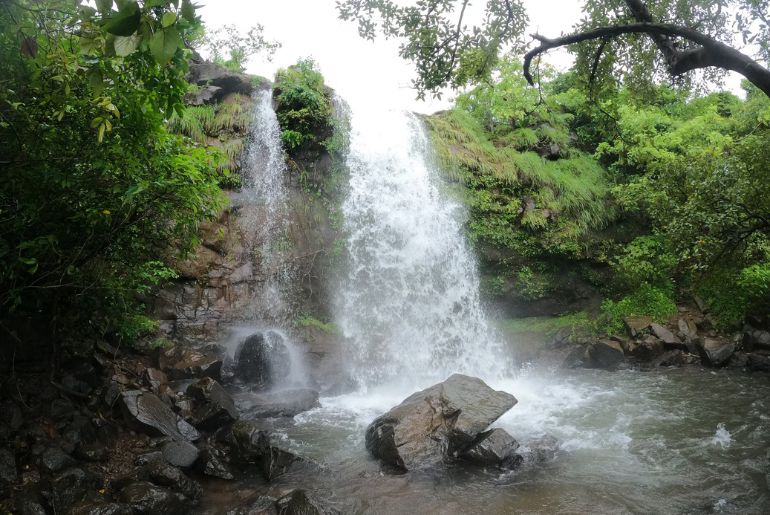
Why It’s Safe: Unlike the deep, restricted wild trails inside the Tamhini Wildlife Sanctuary, Palase features a very short, flat walk off the main road. The lower fall area provides a wide, accessible shelf where families can experience the water without steep cliff risks. To beat heavy weekend traffic, plan to arrive before 9 AM.
Distance From Pune: 55 km from Paud, approx.
2. Kune Waterfalls, Khandala/Lonavala
Why It’s Safe: Standing as India’s 14th highest waterfall, its safety lies in its presentation. Kune is primarily enjoyed from a designated roadside viewing gallery or well-marked perimeter zones, entirely removing the danger of slipping into powerful undercurrents.
Distance From Pune: 70 km approx. via the Old Mumbai-Pune Highway
3. Mulshi Backwater Cascades, Paud Road
Why It’s Safe: The absolute gold standard for zero-risk travel. These are seasonal, gentle streams that roll down the hills straight along the well-paved highway leading to Mulshi. You can pull over into wide, secure asphalt shoulders and enjoy the mist right from your vehicle.
Distance From Pune: 35 to 45 km approx. via Chandni Chowk
4. Lingmala Waterfall, Mahabaleshwar
Why It’s Safe: With a highly engineered safety framework managed by the forest department, it features fully paved forest walkways, secure railings, and structured viewing decks overlooking both the mini-falls and the massive main valley drop.
Distance From Pune: 115 km approx. via NH48
5. Jagtap Waterfall, Momarewadi
Why It’s Safe: Privately managed via Jagtap Agri-Tourism, this unique spot features artificial concrete step-architecture built directly into the waterfall stream (similar to Bhushi Dam but strictly regulated). It enforces a strict “families-only” entry policy, preventing reckless behavior.
Distance From Pune: 55 km approx. via Kanhe Phata (Old Highway)
6. Thoseghar Waterfalls, Satara
Why It’s Safe: A massive, roaring series of cascades safely secured behind heavy iron-barricaded viewing platforms constructed by the forest department. Visitors can stand securely at a distance to witness the raw power of the water crashing into the deep gorge.
Distance From Pune: 135 km approx. via Pune-Bengaluru Highway
7. Umbrella Falls, Bhandardara
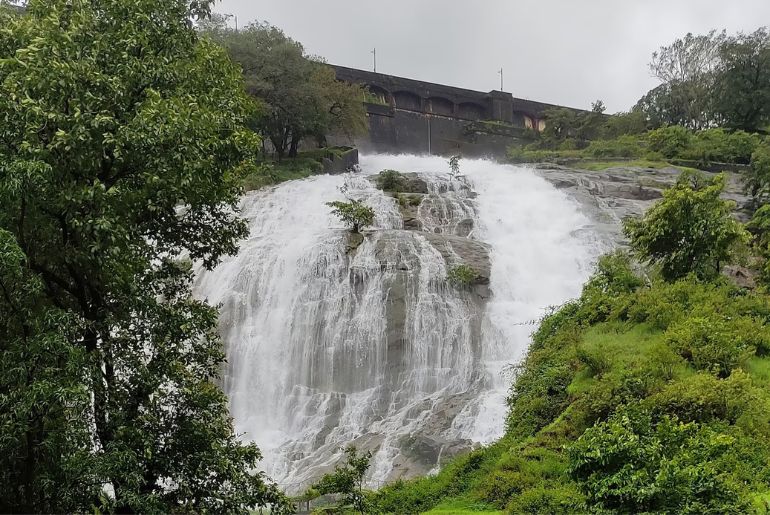
Why It’s Safe: Formed dynamically by the opening of the Wilson Dam gates, this stunning umbrella-shaped cascade is witnessed from a safe, sturdy footbridge positioned right over the stream.
Distance From Pune: 165 km approx. via Nashik-Pune Highway (Best as an overnight stay)
Also Read: Monsoon Waterfalls You Can Reach By Train In India
Why Are Madhe Ghat And Devkund Excluded?
Both Madhe Ghat and Devkund are classified as highly hazardous during the peak monsoon due to their volatile geography and extreme water volumes. Reaching Devkund requires a grueling six-kilometer jungle trek that includes crossing multiple active rivers. During heavy downpours, these streams turn into raging torrents with powerful undercurrents. Because it is a massive plunge fall, sudden cloudbursts can cause flash floods in the pool within minutes, trapping trekkers. Local administrative bodies frequently issue strict seasonal bans here due to past drowning accidents.
Madhe Ghat, too, is notorious for its treacherous, slippery mud trails and sharp cliff edges. The sheer force of the cascading water, combined with heavy fog that reduces visibility to near-zero, makes navigating the edge highly life-threatening without specialized mountaineering equipment.
Also Read: Most Beautiful Waterfalls Within 250 Km Of Mumbai
Safety Tips And Things To Keep In Mind
- Ditch the flip-flops and casual sneakers. Pack sandals with high-friction rubber ridges or standard water-resistant trekking shoes.
- Pack heavy-duty zip-lock bags for phones/wallets, an active dashboard camera (essential for misty ghat navigation), and ensure car wipers are replaced before heading out.
- The Highway Safety Patrol (HSP) has strict fines under the Motor Vehicles Act for parking on the shoulders of the Mumbai-Pune Expressway to look at waterfalls near Kamshet or Lonavala.
- If the water cascading down a stream suddenly turns muddy brown or carries twigs/debris, it indicates a flash surge upstream. Vacationers must move to higher ground immediately.
- Avoid taking younger children or older folks to the waterfall if you’re planning on swimming.
- Even at safe destinations, stepping past designated safety mesh/railings to get a better selfie or entering unmonitored muddy pools can be fatal due to hidden slippery moss and sudden variations in water pressure.
- Heavy rain can trigger sudden land movements or temporary administrative closures in high-intensity areas like Tamhini or Malshej Ghat. Always check local news updates before leaving early in the morning.
Also Read: No-Trek Waterfalls In Maharashtra: Stunning Monsoon Escapes Without The Hike
Summing Up
Experiencing Pune’s monsoon magic doesn’t mean you have to compromise on safety. By steering clear of high-risk dam overflows and unmanaged deep valley plunges, and choosing structured, department-regulated viewpoints like Lingmala or family-friendly roadside cascades in Tamhini, you can enjoy the very best of the Western Ghats with absolute peace of mind.