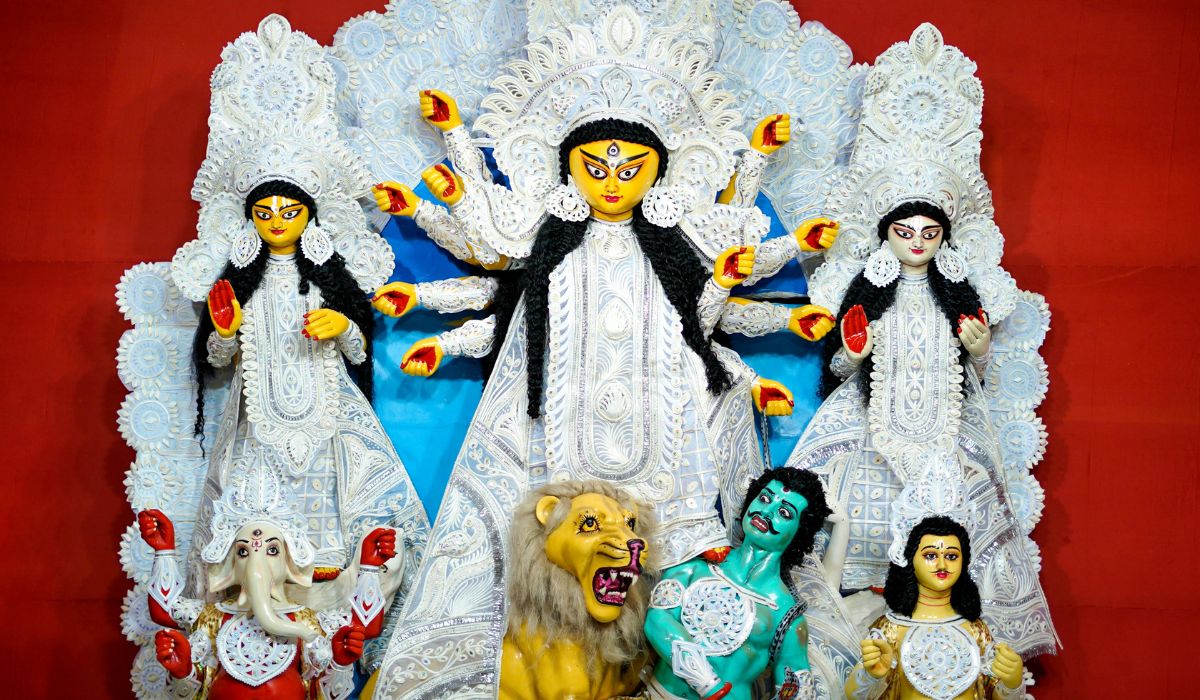

Known as one of the most sacred fasts for Hindu married women in India, Vat Savitri Vrat symbolises the strength of devotion and love. This fast is known to commemorate the strength of Savitri’s love and devotion. On this day, women pray for their husbands’ longevity, prosperity, and worship the huge Banyan trees near their homes. From date, puja muhurat to significance and story, here’s everything you must know about Vat Savitri Vrat 2026.
All About Vat Savitri Vrat 2026
Vat Savitri Vrat 2026: Date And Puja Muhurat 2026
There are two main traditions observing this vrat, which are observed in a gap of 15 days. These are followed as per the Amanata and Purnimata calendars. Even though the dates of these traditions differ, the rituals and legends remain the same.
Basically, the vrat is divided into two parts, as per the region it is followed in. One is Vat Savitri Vrat, and the other is Vat Purnima Vrat.
Vat Savitri Vrat 2026
It is observed on Jyestha Amavasya, or a no-moon day. This year, Vat Savitri Vrat falls on Saturday, May 16, according to the Hindu Lunar calendar. It is observed in regions like Punjab, Haryana, Bihar, and Uttar Pradesh.
The tithi for Vat Savitri Vrat will begin at 5:11 AM on May 16, 2026, and end at 1:30 AM on May 17, 2026. The most auspicious time for performing puja rituals is from 7:12 AM to 8:24 AM. You can also perform the rituals in Abhijeet muhurat, which is observed from 11:50 AM to 12:45 PM.
Vat Purnima 2026
It is observed on Jyestha Purnima, or a full moon day. This year, Vat Purnimai Vrat falls on Monday, June 29, according to the Hindu Lunar calendar. It is observed in regions like Maharashtra, South India, and Gujarat. The tithi for Vat Purnima Vrat will begin at 3:06 AM on June 29, 2026, and end at 5:26 AM on June 30, 2026.
Also Read: Ganga Dussehra 2026: Date, Significance, Puja Vidhi And Snan Muhurat Timings
Vat Savitri Puja Vidhi: Savitri Vrat Rituals
- The day begins with women taking a bath and wearing clean clothes, like a Yellow/Orange/Pink/Green/Red traditional dress or saree.
- They set up an altar with Lord Vishnu’s picture frame or idol and take an oath to fast for the entire day. The fast observed by women on this day is typically observed without water or food. But some women prefer to have a meal at least once in the entire day, or eat fruits and wafers based on their health conditions.
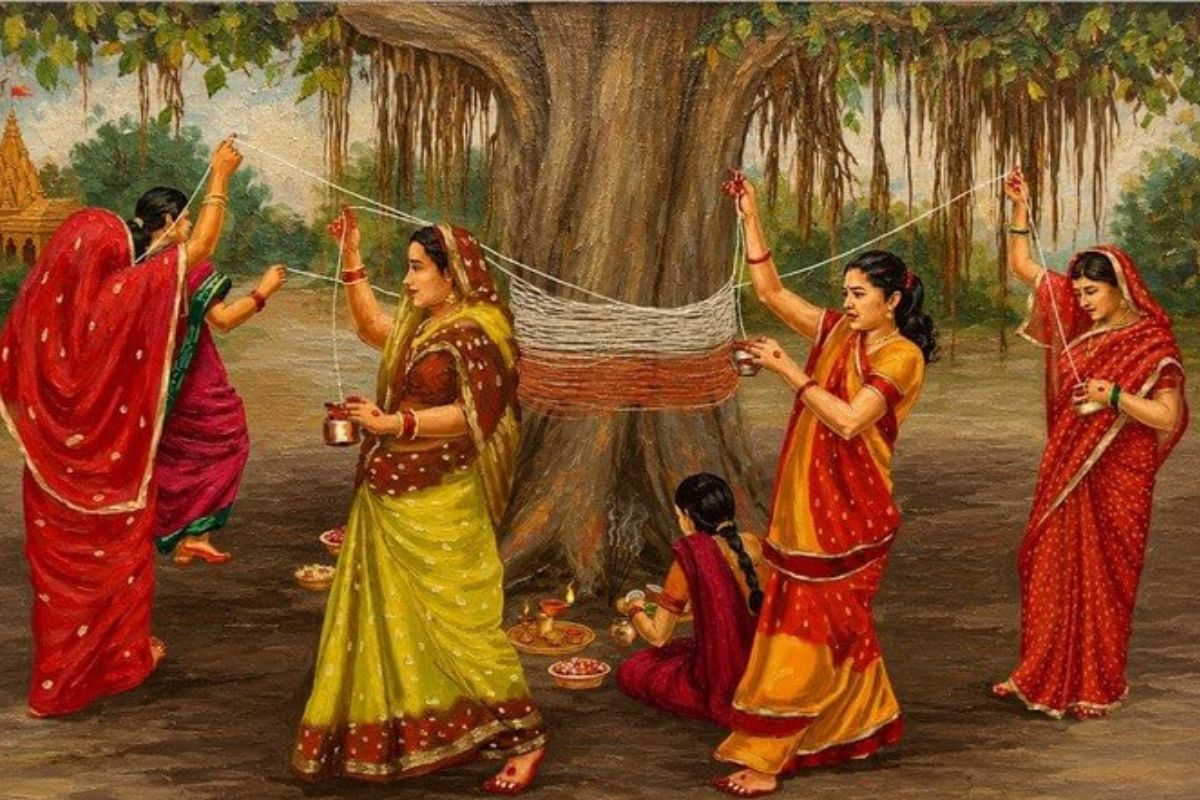
- After this, the women head to a Banyan tree, also known as a Vat tree, near the house. Here, rituals are performed under the shade of the tree.
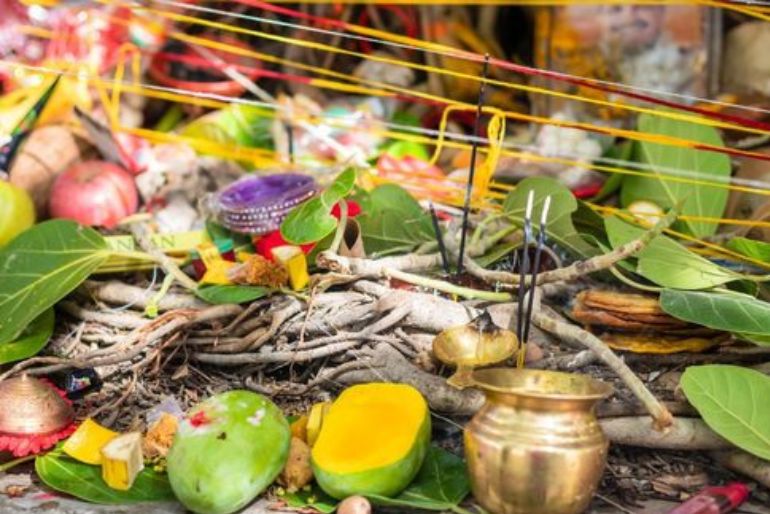
- They offer fruits, flowers, and holy items like kumkum, and also sweets near the roots of the tree.
- The next ritual is one of the most important ones, where women tie a sacred red or white thread to the three. Women walk three, five, seven, or eleven times around the tree while praying for their husband’s good health, well-being, and longevity.
- After this, women share leaves of the Banyan tree with pieces of fruit on it with each other.
- They must come back home and listen to or recite the vrat katha or story.
- The women can break their fast only after they see the moon with their husbands.
Fasting Rules: Vat Savitri Vrat 2026
- Women can either observe a Nirjala fast or a Phalaahar fast. Traditionally, women observe Nirlaja fast, which means that they cannot consume water or food till sunrise or moon sighting. Under the Phalaahar fast, women can consume certain fruits and fruit juices. This type of fast is generally observed by pregnant women, elderly women, or women with health issues.
- If you are fasting for the first time, it is believed that traditionally you must observe the fast and break it at your maternal house.
- The fast can be broken only after offering prayers to god in the evening, performing rituals at the banyan tree, offering water to the moon, and reciting or listening to the vrat katha.
Also Read: Jyeshtha Amavasya 2026: Date, Puja Vidhi, Significance & Amavasya Timings
Vat Savitri Vrat Katha: Satyavaan, Savitri, And Yamaraj Story
The Vat Savitri Vrat is based on a mythological story, which was the testament of a devoted wife, Savitri’s love and devotion. According to the legend, Princess Savitri got married to Satyavan even after being warned by Sage Narada. He had warned Savitri that Satyavan was destined to die within a year of his marriage.
Satyavan went to the forest every day to cut wood, and Savitri would accompany him. When the day arrived, Satyavan collapsed while cutting wood under the huge Banyan tree. Savitri saw Yamaraj, the Lord of Death, walking in to take away her husband’s soul. She began following Yamaraj relentlessly.
Yamaraj was impressed by her conviction, wisdom, and devotion. He offered her to ask for three boons except asking for Satyavan’s life. Savitri very cleverly asked for three boons:
- Vision and kingdom for her blind in-laws.’
- Prosperity for her parents
- 100 children
The lord of death, without thinking for even once, granted all her three wishes. He realised later that Savitri is a virtuous wife and can have 100 children only when Satyavan is alive. Bound by his own words, Yamraj had to give Satyavan’s soul back and restore his life right under the huge banyan tree.
It is believed that the women who observe the Vat Savitri vrat must recite or listen to this vrat katha or story.
Banyan Tree Rituals: Why The Vat Vriksha?
The Banyan tree is not just a backdrop for celebrating Vat Savitri or Vat Purnima. This tree is literally the soul of this festival for various reasons.
The first reason is that this tree is considered to be auspicious in Hindu mythology and spirituality. It is considered to be the symbol of Akshaya, which means immortality or indestructibility.
The second reason is that according to Skanda Purana that this tree is said to be the abode of the supreme Hindu trinity or Trimurti. So when a woman is offering worship under the Banyan tree for her husband, she is simultaneously worshipping the three cosmic energies: Brahma, Vishnu, and Shiva.
The third reason is that this tree was the silent witness to the ultimate victory of Savitri over her husband’s destiny. According to the legend of Savitri, Satyavan and Yamraj, the lord of death, Yamraj restored Satyavan’s life under the Banyan tree.

Also Read: Apara Ekadashi 2026: Fasting Rituals and Spiritual Benefits For Success
Summing Up
Vat Savitri Vrat 2026 will be observed on Saturday, May 16, 2026. It is one of the most auspicious and important fasts observed in the Hindu culture across India. On this day, women observe a fast for the well-being and longevity of their husbands.
FAQs
Are Vat Purnima And Vat Savitri Different?
Yes, even though the legend and rituals remain the same, Vat Purnima is observed on Jyestha Purnima, and Vat Savitri is observed on Jyestha Amavasya. While Vat Purnima is observed in South India, Maharashtra, and Gujarat, Vat Savitri is observed in Bihar, Uttar Pradesh, Punjab, and Haryana.
Who Started Vat Purnima?
According to a Hindu legend, Vat Purnima or Vat Savitri was initiated by a devoted wife, Savitri.
Can An Unmarried Girl Do Vrat Purnima?
Yes, unmarried girls too can observe Vrat Purnima vrat to get a suitable life partner and seek blessings for a happy and long married life.