
In the sacred town of Puri, Odisha, where devotion flows as endlessly as the waves of the Bay of Bengal, Ulto Rath Yatra 2026, popularly known as Bahuda Yatra, marks the homeward journey of Lord Jagannath, Lord Balabhadra and Goddess Subhadra after their annual stay at the Gundicha Temple. Held on the famous Bada Danda (Grand Road), the return procession is among the most cherished events of the Jagannath Rath Yatra celebrations. For millions of devotees, Bahuda Yatra represents the Lord’s return to his abode while reaffirming the values of humility, inclusivity and devotion that define the Jagannath tradition.
When is Ulto Rath Yatra 2026?
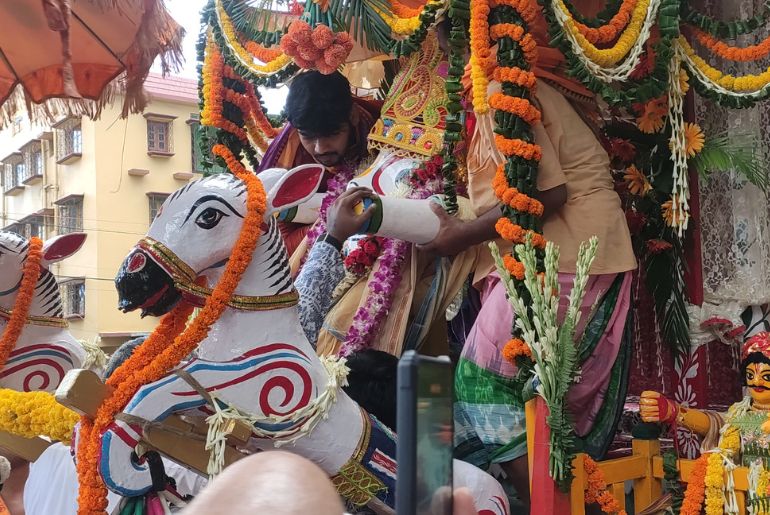
According to the Hindu lunar calendar, Bahuda Yatra is observed on Ashadha Shukla Dashami, the tenth day of the bright fortnight of the month of Ashadha. In 2026, Ulto Rath Yatra will be celebrated on Friday, 24 July. It takes place eight days after the outward Rath Yatra, which begins on Thursday, 16 July 2026. The remaining major rituals of the festival are scheduled as follows:
- Rath Yatra: 16 July 2026 (Thursday)
- Bahuda Yatra (Ulto Rath): 24 July 2026 (Friday)
- Suna Besha: 25 July 2026 (Saturday)
- Adhara Pana: 26 July 2026 (Sunday)
- Niladri Bije: 27 July 2026 (Monday)
A Brief Look at The Jagannath Puri Rath Yatra
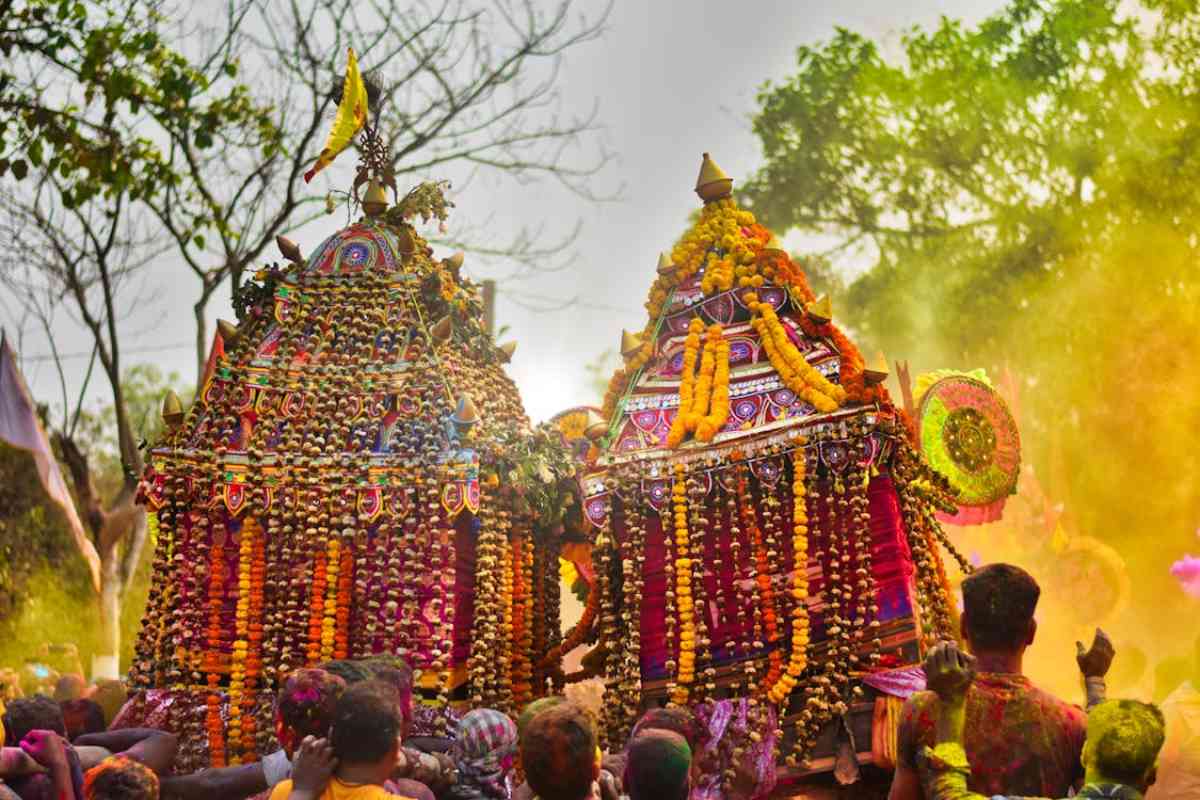
The Jagannath Rath Yatra is one of Hinduism’s oldest and most celebrated festivals. Every year, Lord Jagannath, along with Lord Balabhadra and Goddess Subhadra, leaves the sanctum of the Jagannath Temple and travels to the Gundicha Temple in beautifully crafted wooden chariots.
The festival is unique because it allows devotees from all backgrounds to have darshan of the deities outside the temple premises, making it one of the most inclusive religious celebrations in India.
Names of The Rathas (Chariots):
Each deity travels in a distinct chariot:
- Nandighosha – Lord Jagannath’s chariot with 16 wheels
- Taladhwaja – Lord Balabhadra’s chariot with 14 wheels
- Darpadalan (Devadalana) – Goddess Subhadra’s chariot with 12 wheels
The chariots are built anew every year using traditional techniques and sacred wood, preserving centuries-old craftsmanship.
What Happens During Ulto Rath Yatra?
After spending nine days at the Gundicha Temple, the deities begin their return journey to the Jagannath Temple during Bahuda Yatra. The chariots once again travel along the Bada Danda amid devotional chants, traditional music, and thousands of devotees pulling the massive ropes.
One of the most significant stops during the return procession is the Mausi Maa Temple, where the deities are offered Poda Pitha, a traditional baked rice cake believed to be one of Lord Jagannath’s favourite offerings. This ritual symbolises the affectionate bond between the Lord and his maternal aunt.
Suna Besha and Niladri Bijay, The Grand Finale
Following Bahuda Yatra, the deities remain on their chariots for one of the most spectacular rituals of the festival.
Suna Besha – 25 July 2026
During Suna Besha, Lord Jagannath, Lord Balabhadra, and Goddess Subhadra are adorned with elaborate gold ornaments, including crowns, necklaces, hands, and weapons crafted in gold. Thousands gather to witness this rare and magnificent darshan.
Adhara Pana – 26 July 2026
The following day, a ceremonial sweet drink known as Adhara Pana is offered in large earthen pots placed before the deities. The pots are then broken as part of an age-old temple tradition.
Niladri Bije – 27 July 2026
The Rath Yatra festivities conclude with Niladri Bije, when the deities ceremonially re-enter the Jagannath Temple.
According to temple tradition, Goddess Lakshmi playfully refuses Lord Jagannath entry after he returns from his journey without her. Only after a symbolic reconciliation does she permit him to enter the temple, bringing the annual Rath Yatra celebrations to a close.
Why Rath Yatra Is Celebrated
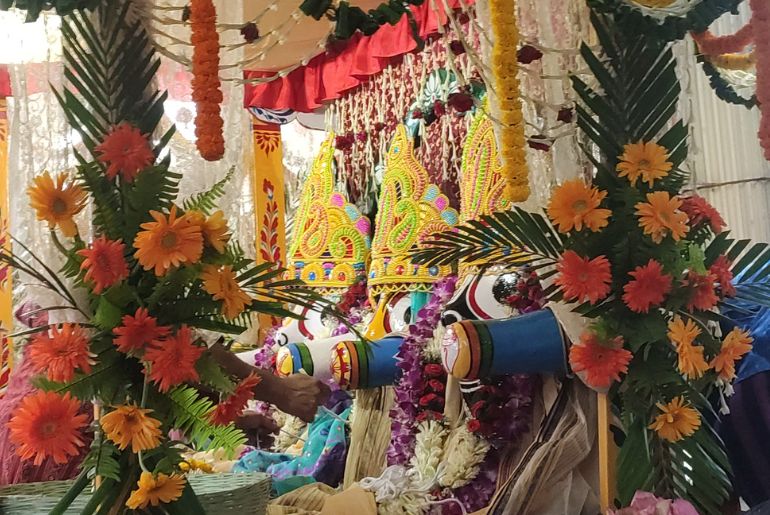
Jagannath Rath Yatra is much more than a grand procession. It symbolises the Lord stepping out of the temple to bless all devotees, irrespective of caste, creed, or social status. The festival reflects the ideals of equality, compassion, and universal acceptance that are central to Jagannath worship. Many devotees also associate the journey with Lord Krishna’s affectionate visits to his devotees, making the festival both spiritually profound and emotionally significant.
Crowd Control And Preparations In 2026
For the 2026 festival, Odisha authorities have implemented extensive arrangements to manage the massive influx of pilgrims expected in Puri. Security personnel, surveillance systems, traffic management plans, medical camps, and emergency response teams have been deployed across key locations, including the Bada Danda and Gundicha Temple route. Authorities have also appealed to devotees to follow crowd-management advisories and official instructions throughout the festival.
Ulto Rath Yatra Beyond Puri
Although Puri remains the spiritual heart of the festival, Bahuda Yatra is celebrated across India and in many countries worldwide. Major celebrations are organised at ISKCON temples and Jagannath temples in cities such as Kolkata, Ahmedabad, Delhi, Mumbai and Bengaluru, while international processions take place in London, New York and several other cities, reflecting the global appeal of Lord Jagannath’s tradition.
Also Read: Rath Yatra 2026 Puri: Complete Guide & Date, Significance, Travel & Where to Stay
Summing Up
Ulto Rath Yatra is not merely the return journey of the deities, but it also marks the culmination of one of Hinduism’s most sacred festivals. The sight of the majestic chariots rolling through Puri, the chants of “Jai Jagannath,” and the devotion of countless pilgrims together create an experience that transcends ritual. As Lord Jagannath, Lord Balabhadra and Goddess Subhadra return to their eternal abode, Bahuda Yatra reminds devotees that the divine is never distant. The Lord comes out among the people, accepts their devotion without distinction, and returns carrying their prayers, hopes, and faith.