
Nestled in the lush hills of Northeast India, the Moatsü Mong festival stands as a vibrant testament to the rich cultural heritage of the Ao Naga people. As one of the most anticipated festivals of Nagaland 2026, it offers a window into a world where ancient tradition meets communal harmony.
Moatsü Mong 2026: Essential Dates
For those planning their cultural itinerary, the Moatsu Mong 2026 date is officially observed from May 1 to May 3, 2026.
While the core rituals are concentrated in these three days, the spirit of the Moatsu festival Nagaland often permeates the entire first week of May. This period marks a transition in the agricultural calendar, specifically the completion of the grueling sowing season.
Moatsü Mong Meaning And Origins
To understand the Moatsu Mong meaning, one must look at the agricultural lifestyle of the Ao tribe festival Nagaland. The word “Moatsü” refers to the period after the hard work of clearing the fields, burning the jungles, and sowing seeds is finished.
It is a season of recreation and “Mong” (celebration). Historically, the festival serves two primary purposes:
- Divine Invocation: To seek the blessings of the Almighty (Lijaba) for a bountiful harvest and protection from natural calamities.
- Communal Bonding: To strengthen the ties between the village elders and the youth through shared labor, storytelling, and feasting.
Traditions And Celebrations
The Moatsu festival Nagaland is characterized by several distinct rituals and lively activities that transform the villages, particularly in the Mokokchung district, into hubs of celebration.
1. Sangpangtu: The Symbolic Fire
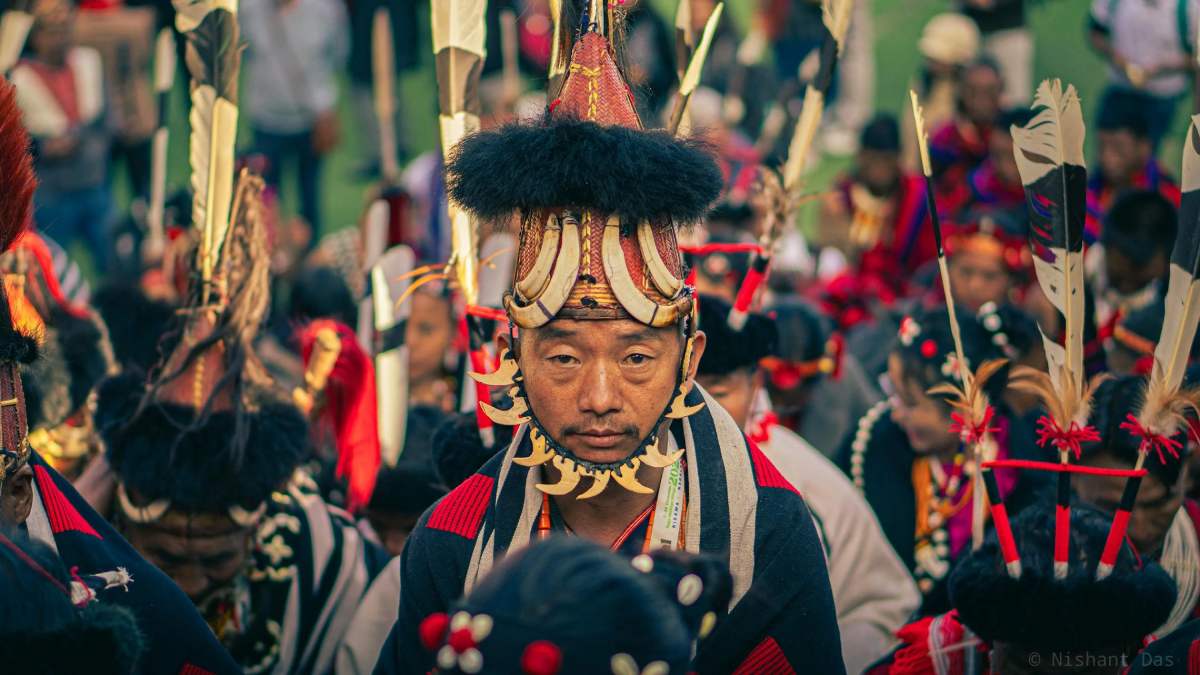
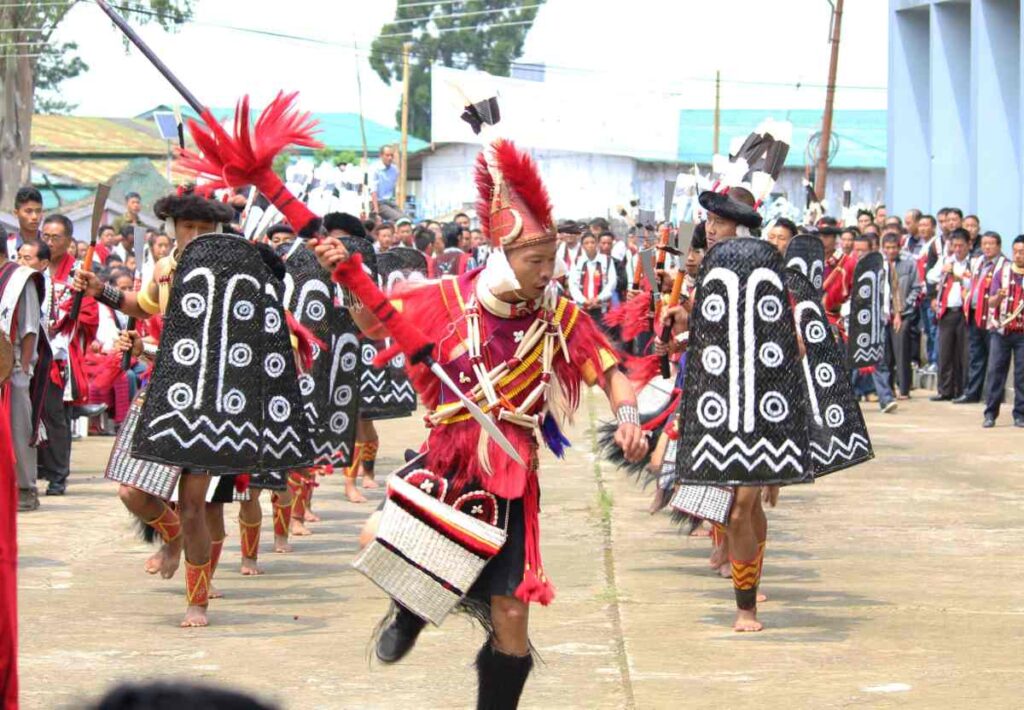
The highlight of the festival is Sangpangtu. A massive bonfire is lit in the heart of the village. Men and women, adorned in their finest traditional attire – often featuring intricate hand-woven shawls and headgears decorated with hornbill feathers – gather around the flames.
2. Traditional Songs And Oral History
Because the Ao Naga culture was traditionally passed down through oral tradition, the songs sung during Moatsü are more than just entertainment; they are archives.
- Warrior Chants: Men perform rhythmic dances and sing of the bravery of their ancestors.
- Love Ballads: Youth engage in singing competitions, often expressing affection and praise for the village.
3. The Tug-of-War
A unique feature of the festival is the symbolic tug-of-war between men and women. In a display of chivalry, it is common for the men to “lose” gracefully to the women, symbolizing the respect and balance between the genders in Ao society.
4. Prophecies And Feasting
Village elders, known as the Putu Menden, observe the fire and the behavior of the sacrificial animals to predict the fortune of the coming year. This is accompanied by massive communal feasts featuring local delicacies like smoked pork, bamboo shoot dishes, and freshly brewed rice beer (Zutho).
Guide for Visitors: Attending Moatsu 2026
If you are planning to witness this spectacle in the Mokokchung district (the cultural heartland of the Ao tribe), keep the following in mind:
| Feature | Details |
| Primary Location | Mokokchung Town and villages like Ungma or Mopungchuket. |
| Travel Access | Nearest Airport: Jorhat (Assam) or Dimapur (Nagaland). |
| Weather | Expect mild temperatures with occasional pre-monsoon showers. |
| Inner Line Permit | Domestic travelers must obtain an ILP to enter Nagaland. |
Summing Up
Moatsü Mong 2026 is more than just a date on the calendar; it is the heartbeat of the Ao people. It marks a moment where the community pauses to breathe, celebrate their hard work, and look toward the future with hope. For travelers and locals alike, the Moatsu festival Nagaland remains a powerful reminder of the enduring beauty of tribal traditions in the modern world.