

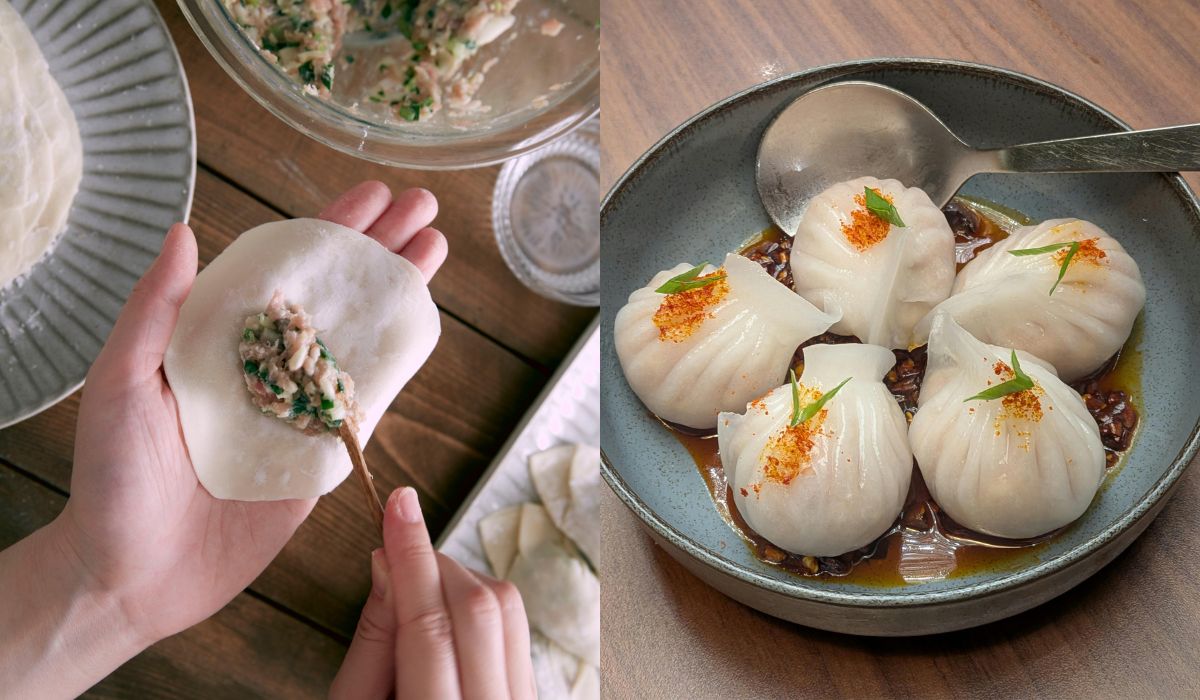
We’ve all seen them, little balls of dough stuffed with savoury filling, often a combination of meat and veggies, paired with a flavorful sauce to go with it. They’re everywhere, from the streets to the fanciest restaurants. Only, we can’t seem to agree upon a name for it! In fancy restaurants, it is often listed under Dim Sum, while on the streets, people call it momo. Sometimes, it is also referred to as dumplings. So, is there a difference between the three things? And if so, what is it? Well, you’ve come to the right unstumbled article to find out.
Dim Sum, Momo, Dumplings: What Are They?
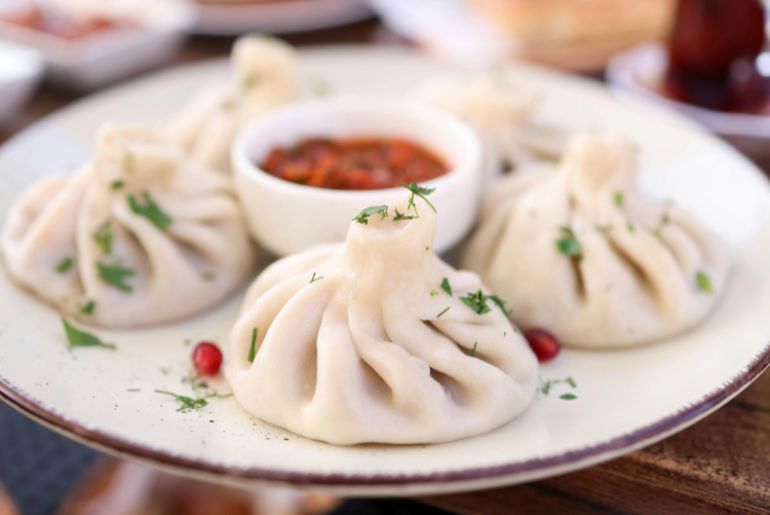
So, let us do away with the confusion once and for all! What is the difference between dim sum, and momo, and dumpling? Here’s the answer.
What Is Dim Sum?
Technically speaking, dim sum is a part of the Yum Cha custom of Cantonese cuisine. It is more a way of eating than a dish. It was born from the culture of Cantonese teahouses and was meant as small plates to go along with tea. While many dim sum dishes consist of dumplings, they are not just limited to that. Dim sum also has a variety of tofu dishes, chicken feet, and much more. Saying dim sum to just refer to dumplings is like saying chaat to refer to just sev puri.
What Is A Dumpling?
Now, this is the interesting part. Technically, anything that’s wrapped in dough and cooked can be a dumpling. That can include everything from Japanese Gyoza to your nukkad wala Samosa! Dumplings are some of the oldest varieties of food humans have been consuming alongside bread and fermented foods. So, strictly speaking, momo is a type of dumpling, and so is the gujiya you eat on Holi, and so is the modak you distribute during Ganesh Chaturthi, and so is the ravioli you order at fancy Italian restaurants.
What Is A Momo?
Momo are the Indian and Nepali variation of the universal dumpling. They originate from the Tibetan region and, as such, early iterations of the dish were made either from yak or beef. However, as they became more popular and spread throughout the mainland, chicken is the most popular choice of meat. There are different types of momo available today. You can enjoy traditional, authentic Tibetan flavors or try the newer Tandoori, kurkure, or pan-fried momo. Jhol momo and kothey momo, traditionally Nepali momo variants, have also gained significant popularity.
Also Read: Where To Get The Best Momos In Mumbai
Difference In Method Of Preparation
The way a particular dumpling is prepared, along with its ingredients, determines what type of dumpling it is. For instance, whether the dough is wheat or corn or rice, whether it has chicken, mutton, beef or vegetables, or whether it is deep fried, steamed, or pan-fried.
Thickness Of Dough
Dim Sum Dumplings: The wrappers of dim sum dumplings are made from wheat or all-purpose flour that are very thin. Some dim dumpling types, like Cheung Fun or Har Gow, don’t use wheat flour. Cheung Fun is made from rice flour, whereas Har Gow is made from wheat flour mixed with potato starch.
Momo: Most momo are made from wheat flour. However, the wrappers are significantly thicker than dim sum dumplings.
Type Of Filling
Dim Sum Dumplings: Based on the type, a dim sum dumpling may be filled with pork, chicken, or prawn, along with a few delicate spices.
Momo: While traditionally it was made from Yak or Buffalo meat, it has since evolved to using chicken as the most popular meat choice. However, vegetarian and prawn momo are also quite popular. The marinade has also evolved. In addition to authentic Tibetan flavours, you can also get achari momo, tandoori momo, cheese momo, and much more!
Method Of Cooking
Dim Sum Dumplings: Dim Sum dumplings are almost always steamed. However, there are a few that are not. For instance, wontons in chilli oil are often boiled, and gyozas or potstickers are often pan-fried.
Momo: Traditionally, momo were steamed or pan-fried. However, since then, the cooking methods have changed. Apart from steaming and frying, making them in a tandoori oven and stir-frying them in sauces have also become popular methods of cooking.
Also Read: Comfort Foods Series: Momo Spots To Visit During Monsoon In Delhi
Who Invented Dumplings? History And Origin
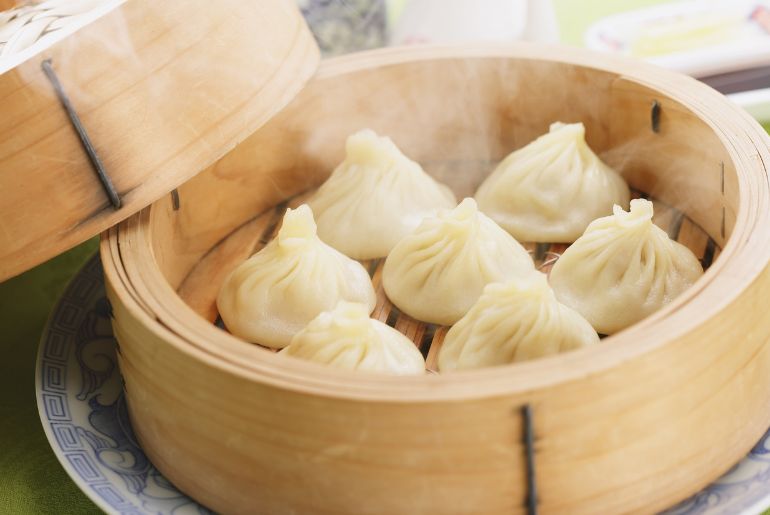
Because of how widespread and universal the concept of dumplings is, it is hard to say where, when and who exactly invented dumplings. Some version or another of this dish has been present in almost every culture throughout the course of history.
However, some experts suggest that it was first made somewhere in Central Asia and was called “Manto” or “Manti”. Then it spread around the world, and each culture added its own twist, its own locally available ingredients, and its own version of the dish.
Also Read: Best Street Food In Mumbai: 15 Must-Try Spots (2026 Guide)
The Role Of Silk Road In The Spreading Of The Dumpling
There is a reason why the Silk Road Trade Route has been a topic of much research around the world. The influence it had in spreading culture and commodities cannot be understated. The spread of dumplings around the world, too, is supposed to be due to the Silk Road. The ancient Manto spread and became “mandu” in Korea, “momo” in Nepal and India, and so on. It didn’t take long for the entire world to be hooked on these little dough parcels!
Also Read: 7 Korean Cafes To Visit In Mumbai For Authentic Korean Experience
Summing Up
As Shakespeare would say if he knew about dumplings and their spectacular history – a dumpling by any other name tastes just as good! Whatever you call it, momo, gyoza, mandu, or bao, it is undeniable that they are delicious. You can dunk them in soup, pop them in your ramen, or saute them in a stir-fry. Humans have been wrapping their delicious savory, and sweet fillings in a comforting layer of dough since time immemorial. Whether it’s the saucy comfort of a ravioli or the spicy softness of a bao, dumplings across cultures make for a delicious and comforting dish.
FAQs
Which Is The Healthiest Of The Three?
Depends on the way it is made. Fried momos are the most indulgent, while steamed vegetarian momos are the healthiest.
What Makes Momo Dough Different From Dim Sum Dumpling Dough?
Momo dough is thicker, and dim sum dumpling dough is thinner.
Why Do Dim Sum Dumplings Come In Bamboo Steamers?
Bamboo retains heat while absorbing moisture, making it an ideal vessel to avoid soggy dumplings.