

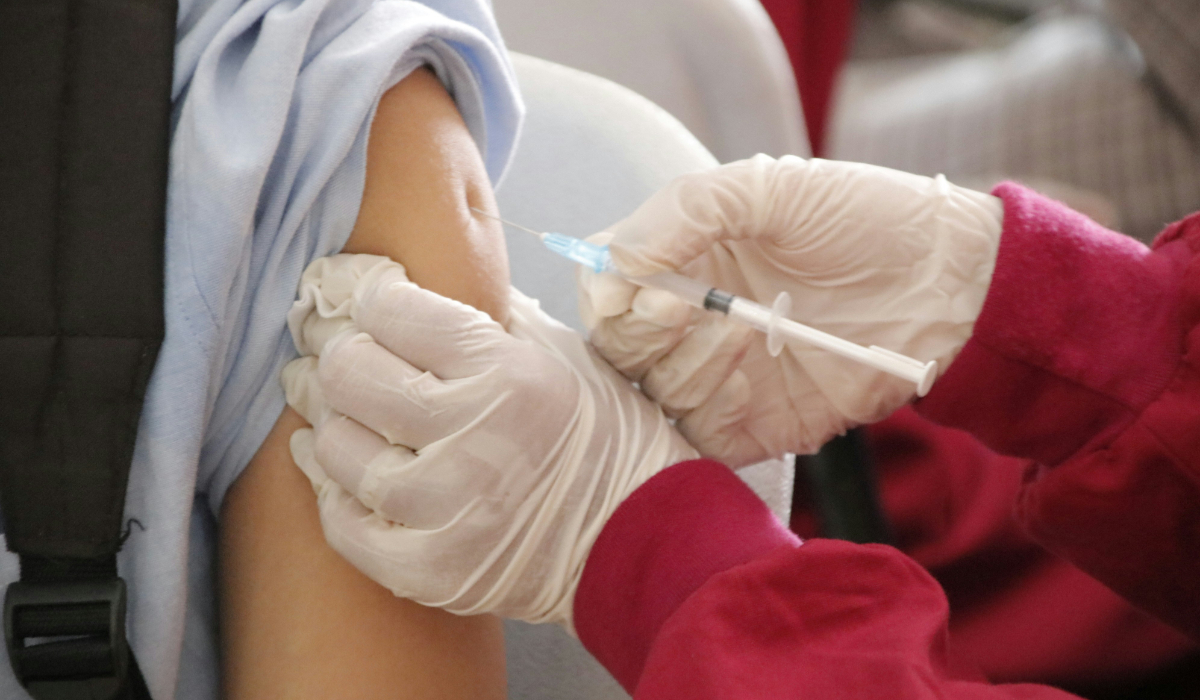
The World Health Organization (WHO) has issued an international emergency as it declares the ongoing Ebola outbreak in the Democratic Republic of Congo (DR Congo) or Congo a Public Health Emergency of International Concern (PHEIC). This is the highest level of global alert as Ebola marks its 17th outbreak in the country. Here’s what travelers must know about the ongoing Ebola outbreak in DR Congo.
Ebola Outbreak In Congo: Updates & Travel Advisories
17th Ebola Outbreak In Congo & Uganda
Ebola was first identified in 1976. This is the 17th time that Congo is going through an Ebola outbreak. The outbreak is confirmed to be the Bundibugyo species of Ebola virus. With a case-fatality rate of 25% to 50%, no vaccine or therapeutics can target this strain.
So far, at least 100 deaths have been reported, with at least 390 cases suspected. However, actual numbers can be likely higher, especially in rural areas. Over the past 50 years, around 15,000 people have died from Ebola across Africa. Confirmed cases have now been reported in neighboring Uganda as well.
DR Congo Ebola Outbreak: Cases So Far
The outbreak is centered in Ituri province in eastern DR Congo. Here, 246 suspected cases and 80 deaths have been reported so far.
According to the WHO, there are currently 8-confirmed cases of Ebola caused by the Bundibugyo virus that has no approved vaccine or treatment. Three health zones, including Bunia, the capital of Ituri province, as well as the gold-mining towns of Mongwalu and Rwampara have reported cases. One confirmed case has also been reported in Kinshasa, DR Congo’s capital. The case involves a patient believed to have traveled from Ituri.
Factors Making The Ebola Outbreak Concerning
WHO Director-General Tedros Adhanom Ghebreyesus reported that there are “significant uncertainties” about the number of cases or its spread. Several factors are making the outbreak especially concerning; these include:

- Ongoing conflict and insecurity in eastern DR Congo
- Large-scale population movement within the region
- Cases coming up in urban centers
- Cross-border trade and travel
- Numerous informal healthcare facilities with limited infection control
What Travelers Must Know About Ebola Symptoms And Transmission
Ebola is severe and can spread through direct contact with the infected person. It can spread through the infected person’s bodily fluids such as blood, saliva, vomit, or diarrhoea.
The Bundibugyo strain in this outbreak has caused death in almost 30 per cent of cases during previous outbreaks. Early signs of contacting this disease resemble the flu and they typically appear between 2 and 21 days after infection. These symptoms include:
- Fever
- Headache
- Muscle pain
- Fatigue
- Sore throat
As the disease takes over your body, you may also experience vomiting, diarrhoea, rash, organ failure, and in some cases, even internal or external bleeding.
No Borders Closed; Precautions Recommended
The WHO has declared PHEIC in DR Congo in response to the Ebola outbreak. However, despite the emergency declaration, the WHO has advised countries to not close borders or restrict travel. It said that such measures are often based on fear rather than science.
While borders haven’t been closed or flights haven’t been grounded, it is advised that travelers must take utmost precaution. While most journeys to unaffected parts of Africa can continue as planned, travelers must take extra caution. If you’re planning to visit DR Congo, Uganda, or other neighboring countries, we advise you to postpone your travel plan, rework the itinerary to avoid affected areas within the country, or cancel it altogether.
Also Read: Busting Common Myths About Kenya: Facts That May Surprise You
East African Countries Tighten Airport Screening And Border Surveillance
East African countries are stepping up airport screening and border surveillance after the WHO declared the Ebola outbreak in Congo a global health emergency.
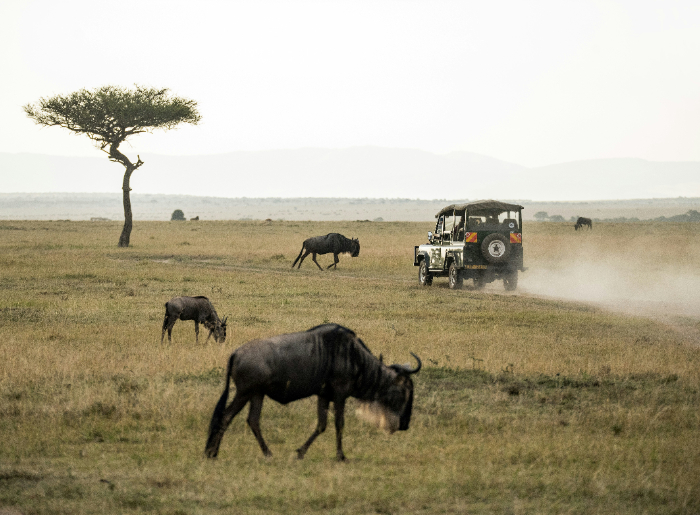
Kenya, East Africa’s largest aviation hub, serves as the gateway for millions of people heading to key safari destinations in Masai Mara, Zanzibar, and Rwanda. The global health emergency comes at the start of peak safari season.
So, the question rises, “Is it safe to travel to East Africa right now?”
While no official travel advisory restricts travel to East Africa as of now, precaution becomes the only essential way of staying away from the deadly virus. It is important for travelers to distinguish between countries reporting confirmed Ebola cases, those on high alert, and those that share borders with the affected countries.
Delhi International Airport Issues Advisories
The Delhi International Airport has displayed a travel advisory specifically for travelers arriving from Ebola-affected countries, such as the Democratic Republic of Congo, Uganda and South Sudan. All of these countries have been categorized as high-risk by WHO.
Passenger Advisory issued at 10:55 hrs.#DelhiAirport #PassengerAdvisory #DELAdvisory@CISFHQrs @BOIndiaOfficial @MoCA_GoI @PIBHomeAffairs @LPAI_Official @shipmin_india @MoHFW_INDIA @BcasHq pic.twitter.com/XWHlr0wjFO
— Delhi Airport (@DelhiAirport) May 21, 2026
Under the advisory, it has been mentioned that travelers must monitor their symptoms, such as:
- Headache
- Fever
- Weakness
- Vomiting
- Sore throat
- Diarrhoea
- Muscle pain
- Unexplained bleeding
India-Africa Forum Summit Postponed; Union Health Secretary Holds Meetings
As per reports, the India-Africa Forum Summit has been postponed in the wake of the Ebola virus outbreak. While there have been no cases detected in India so far, authorities have tightened surveillance and increased preparedness across India.
On May 20, Punya Salila Srivastava, Union Health Secretary, held a meeting with health secretaries of all states and Union territories. This meeting was held to review response measures related to Ebola. In this meeting, detailed Standard Operating Procedures (SOPs) for pre-arrival and post-arrival screening of passengers coming from affected countries, quarantine protocols, laboratory testing, referral systems and case management were determined and shared with all relevant authorities.
Is It Safe To Visit Kenya?
Kenya has not reported or suspected Ebola cases yet. However, Kenya has activated enhanced preparedness and response measures already. This includes intensified screening across airports and other key locations, airstrips, seaports, land border crossings, and transit points. It is also focused on developing and deploying rapid response teams and emergency operation centers.
Similarly, places like Tanzania, Zanzibar, and other non-affected countries are safe to travel with the right precautions. These countries have intensified screening and security measures and are deploying emergency response teams in case of a future outbreak.
Also Read: Kenya Travel Guide For Indians: Visa, Flights, Currency & Everything You Need To Know
Summing Up
WHO has declared the ongoing Ebola outbreak in the Democratic Republic of Congo a Public Health Emergency of International Concern. This is the highest level of international emergency as the fatal disease marks its 17th outbreak in the country, as well as in Uganda. While the WHO has not advised other countries to deploy border closures and other restrictions, countries in East Africa are stepping up airport screenings, emergency response teams, and other preventive measures.
FAQs
How Do Humans Get Ebola?
Humans get Ebola through direct contact with bodily fluids of the infected person, such as sweat, blood, saliva, tears, mucus, etc.
Is Ebola 100% Fatal?
No, Ebola is not 100% fatal. The average fatality rate of Ebola is 50%.
What Are The First Signs Of Ebola?
Initial signs of Ebola include sudden fever, headache, muscle pain, fatigue, weakness, sore throat, and chills.
Which Animal Did Ebola Come From?
The Ebola virus is primarily hosted by fruit bats.
Which Organ Is Affected By Ebola?
Ebola can simultaneously affect multiple organs.