

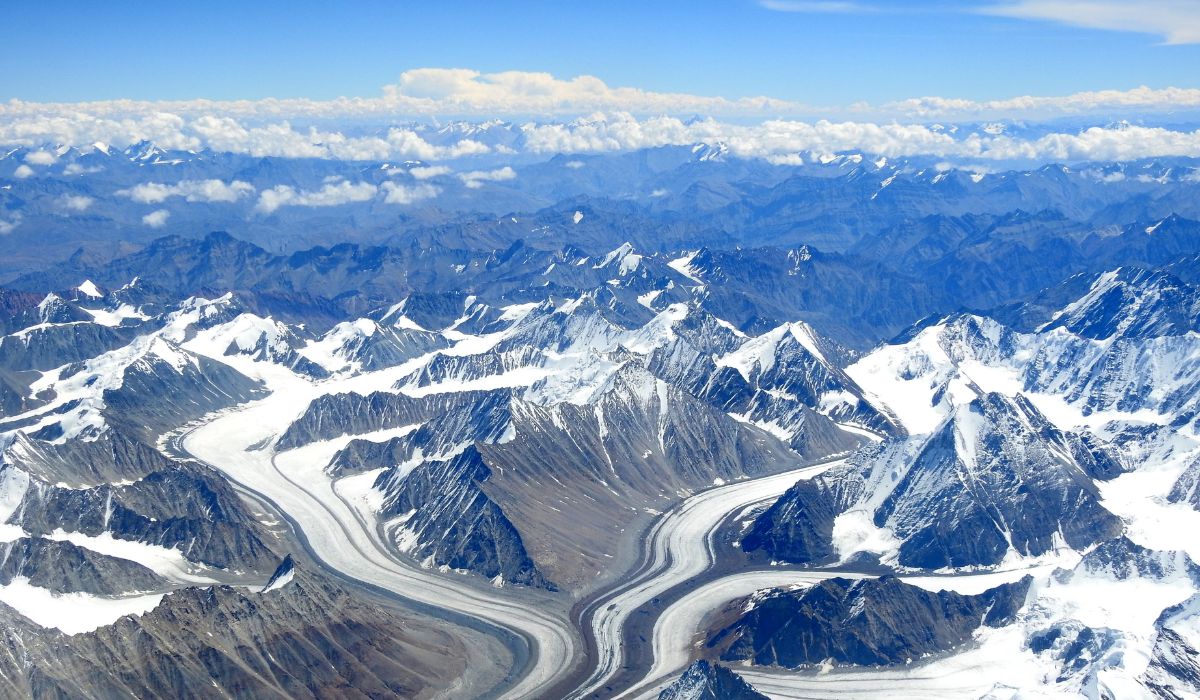
If you’re planning on visiting Ladakh and you’ve never been to such a place before, you need to read this unstumbled article fully. Altitude sickness, especially in Ladakh, is no joke. It can be the difference between a dreamy, fun vacation and a nightmarish health emergency, and can mar or make your trip. Seeing how grave the sickness can be, the Leh District Administration has enforced a 48-hour rest rule for all the tourists who visit. Here’s what altitude sickness is, why it’s so important to give your body a proper 48-hour rest, and how you can recognize symptoms and prevent altitude sickness in Ladakh.
Altitude Sickness In Ladakh: What Is It And Common Symptoms
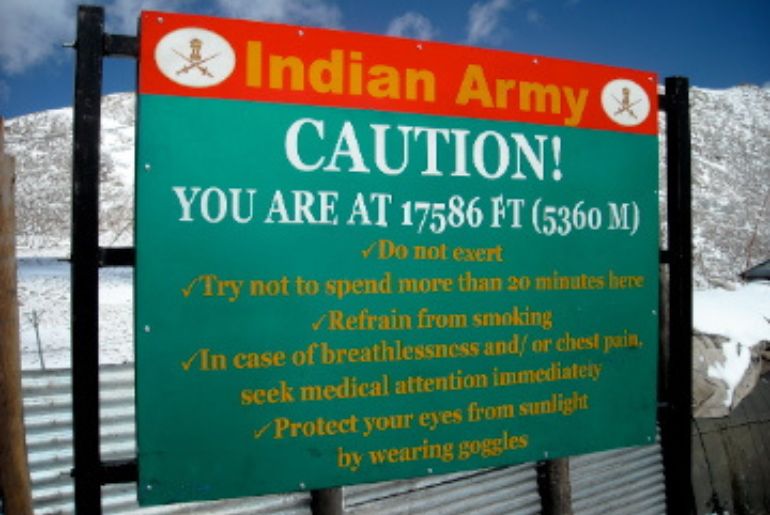
Also known as Acute Mountain Sickness (AMS), what is commonly known as altitude sickness happens when the human body does not get sufficient time to acclimate to areas with lower oxygen levels. This leads to low levels of oxygen in the blood, which can have dangerous consequences.
For this reason, authorities have enforced the 48-hour rest rule. This is not merely a suggestion. Visitors’ travel permits or ILPs are validated based on their date of arrival. This is to ensure that visitors are not skipping rest.
Here are a few common symptoms that will help you identify the condition so that you can take steps for recovery: –
Mild
- Headache that feels like a hangover,
- Nausea,
- Fatigue
- Dizziness
Moderate
- Persistent vomiting
- Periodic breathing or waking up gasping for breath at night
Severe: High-Altitude Pulmonary Edema (HAPE)/High Altitude Cerebral Edema (HACE)
- Confusion
- Inability to walk in a straight line
- Blue lips
- Extreme breathlessness even when resting
How To Prevent It And A Few Other Tips
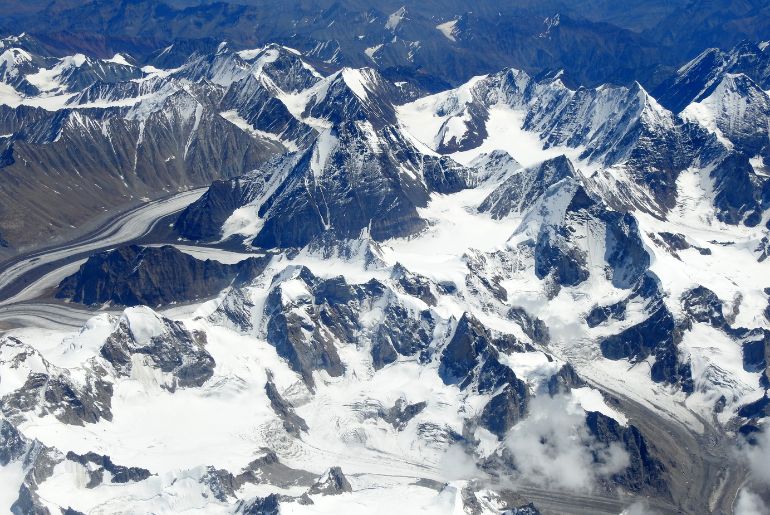
Typically, the blood oxygen saturation level or SpO2 is anywhere between 96-100%. This is considered normal for the human body. However, once you enter Leh and Ladakh and on your first day, it is likely that your SpO2 drops to 85-89%. Therefore, you must take complete bed rest and monitor your oxygen levels.
In case your oxygen levels dip below 80%, you must seek immediate medical intervention. SpO2 levels below 80% are life-threatening and should not be neglected at all.
Tips To Prevent AMS
- Refrain from smoking and consuming alcohol, as it inhibits breathing.
- Complete bed rest for the first day. No walks and no quick trips to nearby places.
- Short walks on day 2 to nearby places may work if your oxygen levels have reached the normal range.
- Drink 3-4 liters of water daily. Add ORS to it for extra energy.
- Eat carb-rich, light food. Avoid meats as they are harder to digest when your blood oxygen levels are low.
- Consult your doctor and see if you can take Diamox (Acetazolamide) as a preventive measure.
Emergency Resources In Leh
Apart from rentable oxygen cylinders, there is a major hospital in Leh that you can go to in case of emergencies, Sonam Norbu Memorial Hospital. You can also dial the emergency helpline number 112 and the CMO Office in Leh: 01982-252012.
FAQs
Is Taking Diamox After Reaching Leh Advisable?
It is a preventive measure, which means one should take it 24 hours before you fly.
Is It Safer To Travel By Road?
No. It’s a common myth, but the 48-hour rule still applies if you travelled by road.
Can I Rent Oxygen Cylinders In Leh And Ladakh?
Yes. Oxygen cylinders are available for rent, especially near Leh and Nubra.
Can I Smoke Or Drink Alcohol In Leh And Ladakh?
It’s not advised, since it inhibits breathing, which is dangerous at this altitude.



One Response