
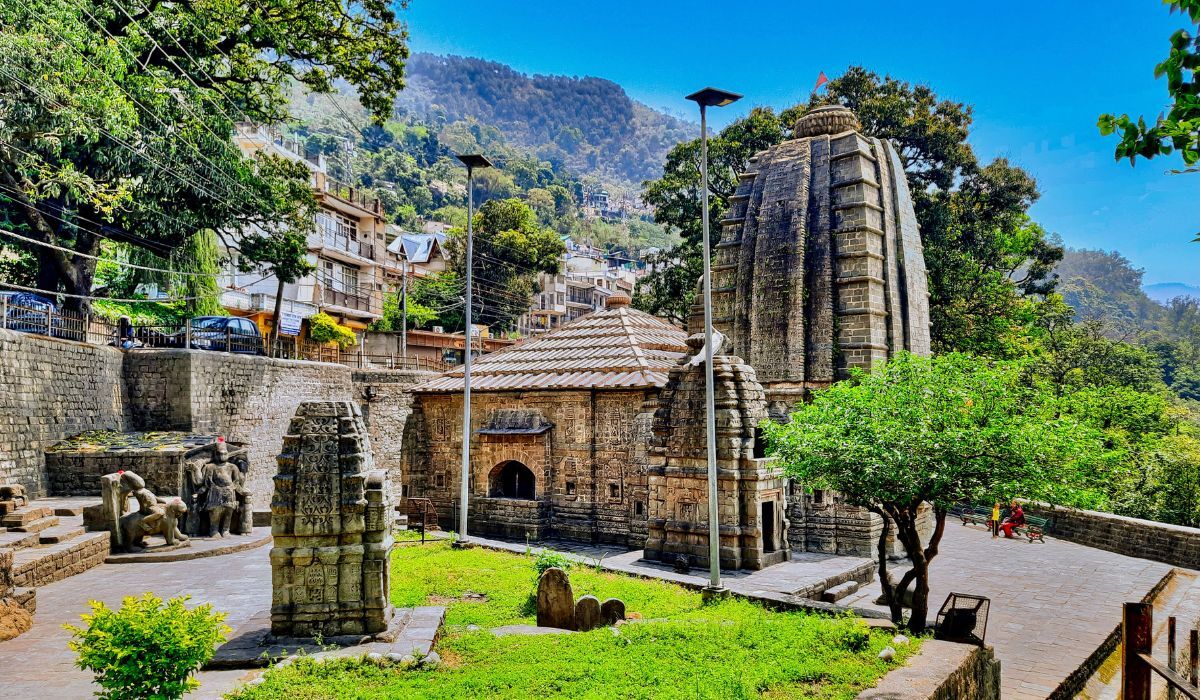
For any temple enthusiast or history aficionado, Himachal’s Trilokinath Temple is one of the most fascinating religious mysteries in the Himalayas. Perched at an elevation of 2,760 meters in the Pattan Valley of Lahaul and Spiti in Himachal Pradesh, this shrine is revered simultaneously as Lord Shiva (“Lord of Three Worlds”) by Hindus and as Arya Avalokiteshvara (Garja Fagspa or Bodhisattva of Compassion) by Tibetan Buddhists. That’s right! This shrine is unlike any other, as shrines generally have a single religious identity. At the Trilokinath temple, however, both the communities share the same sanctum, perform concurrent rituals, and bow before the exact same marble deity! Here are some fascinating details about Himachal’s Triloknath Temple.
The Core Mystery: The Dual Identity Of The Sanctum Deity
Owing to this unique feature of the temple, it is one of the rarest places on Earth where two major faiths merge into a single devotional stream. This particular temple houses a six-armed marble figure within the sanctum sanctorum. The figure is adorned with both a Hindu crown and a tiny image of Amitabha Buddha carved at the top of the head.
The Hindu Perspective
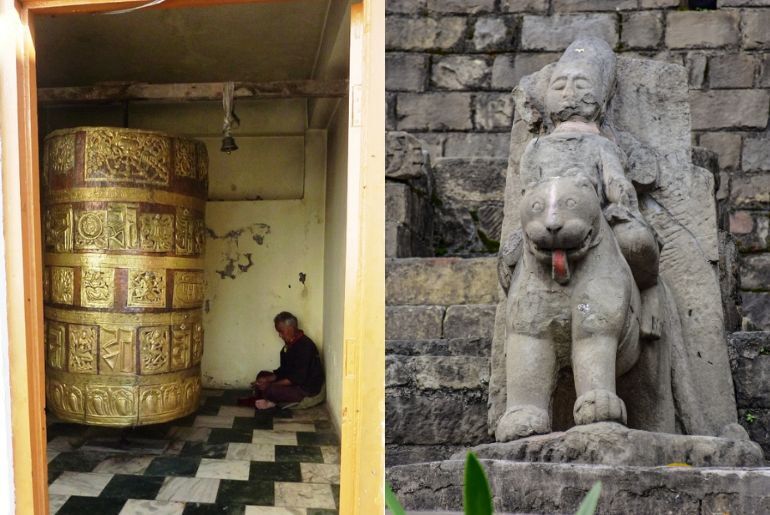
For Hindu worshippers and devotees, the figure represents Lord Shiva. The avatar he has taken on in the figure is his manifestation known as Trilokinath, which translates to Lord of Three Worlds. And, as is typical of a Shiv Mandir, the temple courtyard features a traditional stone Nandi, who is Shiva’s sacred bull, as well as a Shiva Lingam facing the sanctum.
The Buddhist Perspective
For the adherents of the Buddhist faith, the figure carved in marble represents Arya Avalokiteshvara or Padmapani. This translates to “Holder of the Lotus,” which represents the compassionate Bodhisattva. Furthermore, as is generally the case with a typical Buddhist shrine, the outer corridors of the establishment feature traditional wooden Buddhist prayer wheels known as Mani wheels. These wheels are continuously turned by devotees during the circumambulation ritual known as Kora or Parikrama.
Also Read: Dussehra Special: The 136-Year-Old Kanpur Temple That Opens Only Once A Year To Worship Ravan
Himachal’s Trilokinath: Architectural Secrets And Historical Origins
The architecture of the temple is as enigmatic as the rest of it. The structure itself follows a classical Hindu Shikhara architectural style that resembles 9th to 10th century Chamba temples like Laxmi Narayan. It is estimated that the structure was commissioned by and made under the patronage of local rulers like Dvanjra Rana, along with assistance from King Shail Varman of Chamba.
Interestingly, however, local historical tradition and folklore strongly maintain that the site was originally established as an 8th-century Buddhist monastery during the reign of King Lalitaditya of Kashmir. At the time, the shrine was believed to be known as Tunda Vihara.
It is also interesting to note that the Lahaul Valley, where the temple is located, serves as a geographic bridge between Hindu-majority Chamba/Kullu to the south and Buddhist-dominated Spiti or Ladakh to the north. Perhaps this geographical fact, more than anything else, can explain the syncretic cultural identity of the temple where families often observe both traditions.
Shared Rituals And The Famed Pauri Or Pori Festival
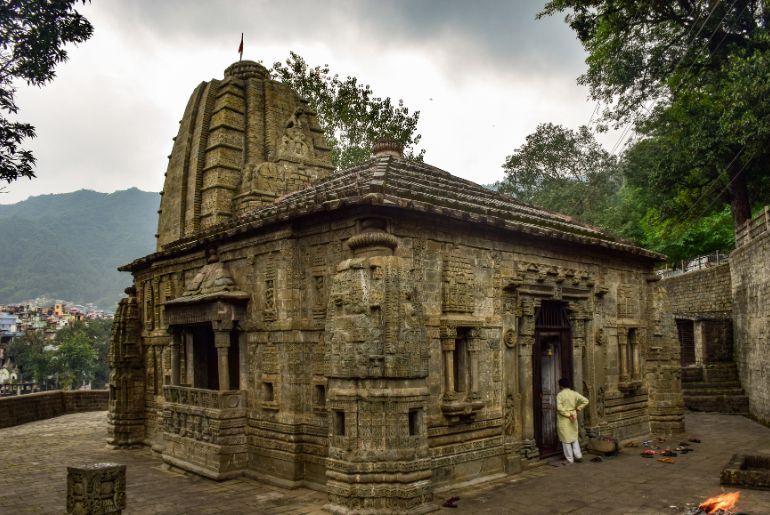
Given its significance for both religions, it is legally recognized as both a Buddhist as well as a Hindu site of worship. The coexistence is quite peaceful. Hindu priests and Buddhist Lamas perform rituals side-by-side without conflict or division.
Every year, during the month of August, a major spiritual gathering draws pilgrims from across Himachal, Ladakh, and Zanskar. This festival is known as pauri or pori, and it goes on for a total of three days. During the festival, visitors can witness a royal horse procession known as Rath or Horse Yatra, community Langar feasts, traditional Nati folk dances, and butter lamp offerings. It is a spectacle worthy of witnessing that only a few people know about.
Also Read: Kolkata Has An Amitabh Bachchan Temple And No, We’re Not Clickbaiting!
Summing Up
If you, too, are fascinated by this temple and would like to visit it sometime, make sure you do so between the months of May and October. The weather, during this time, is pleasant enough for a pilgrimage. During these months, the temple is quite easily accessible via the Atal Tunnel. It is open to the public daily between 6 AM and 6 PM. Trilokinath Temple is easily one of the most unique places of worship in the whole world. The fact that people from two different faiths have been offering prayers at the same shrine for such a long time is truly commendable and worth witnessing.