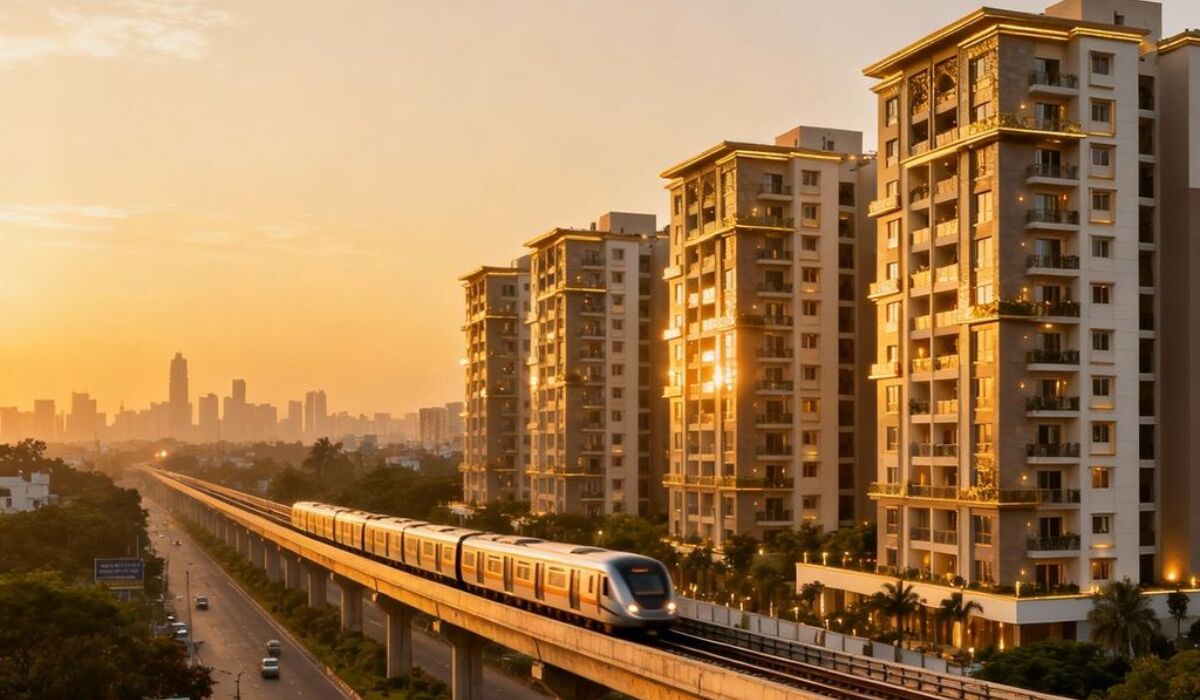

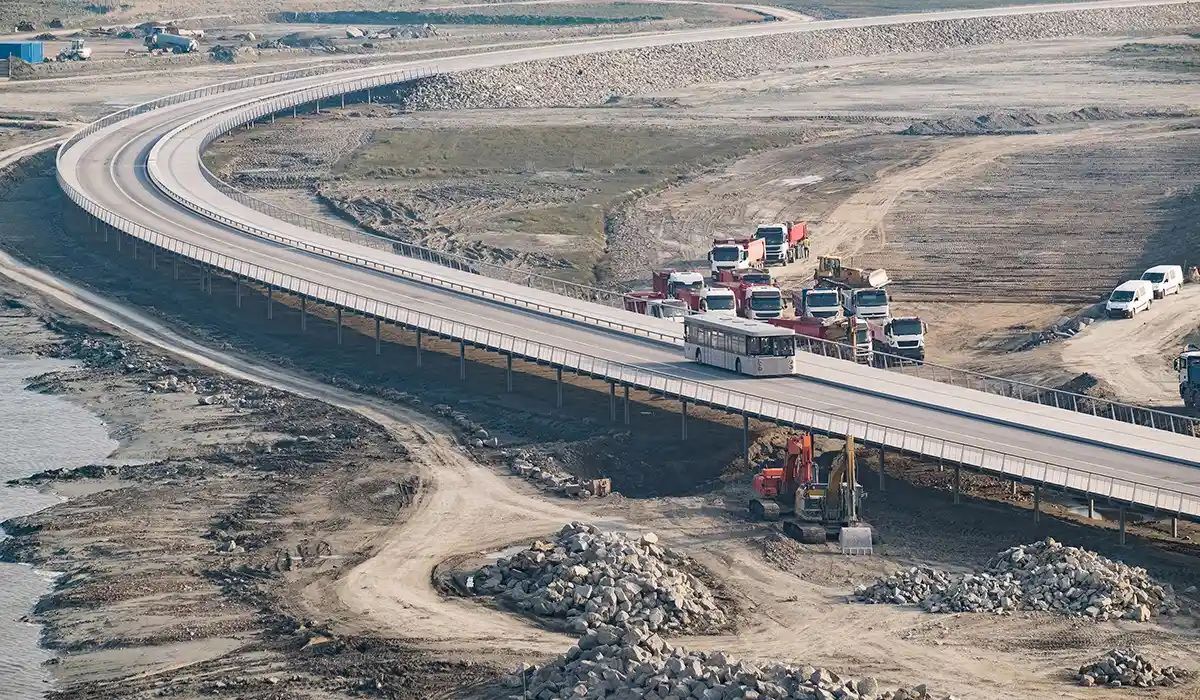
A beautiful destination can exist for decades without attracting large numbers of tourists simply because getting there is difficult. A mountain valley might require an exhausting drive, a pilgrimage town may be hours from the nearest airport, or a scenic region may become inaccessible every winter. The attraction is already there; what is missing is easy access.
That is why better tourism infrastructure, including roads, airports, tunnels, and last-mile connections, can have such a noticeable effect on where people choose to travel. A place that once required an entire day to reach can suddenly work for a weekend trip. But while accessibility can change quickly, turning that opportunity into a successful tourist destination takes more than building a road.
How Does Better Connectivity Change A Tourist Destination?
For travelers, distance matters less than how difficult that distance is to cover. A destination 200 km away that takes nine hours to reach feels very different from one that can be reached in four hours on a reliable highway. The second option is easier for families, weekend travelers, tour groups, and people combining several destinations into a single itinerary.
India’s Ministry of Tourism treats regional connectivity as an important part of tourism development, working with departments responsible for aviation, railways, and roads to improve access to destinations and major tourist markets. Better connectivity can increase visitor numbers, which creates demand for hotels, restaurants, taxis, guides, and other local businesses.
What Happened To Tourism After The Atal Tunnel Opened?
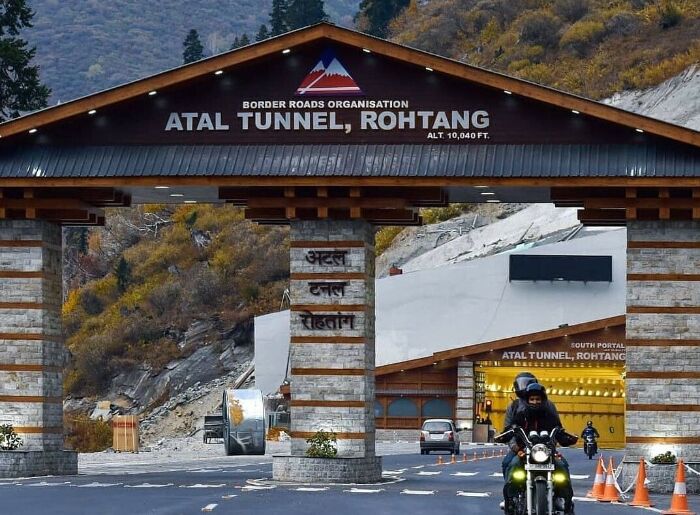
The Atal Tunnel is one of India’s clearest examples. In October 2020, heavy snowfall around Rohtang Pass could leave Lahaul isolated for roughly six months. The 9.02-km tunnel provided all-weather connectivity and shortened the Manali-Sarchu journey by 46 km and approximately four to five hours.
A sharp increase followed the change in tourism. The Border Roads Organization reported an unprecedented increase in tourist arrivals, while the Defense Ministry later said tourist numbers in the area had increased sixfold following construction of the tunnel. A Tourism Ministry destination master plan also recorded approximately 1.7 million vehicle crossings through the tunnel in its first two years, compared with a pre-tunnel traffic inflow figure of around 450,000 vehicles. The tunnel did not create Lahaul’s mountains, villages, or landscapes. It simply made them much easier to reach.
Can A Better Road Really Increase Tourism That Quickly?
In Palawan, Philippines, parts of Honda Bay featured attractive islands but had difficult road access. According to the Asian Development Bank, relatively few tourists were prepared to make the uncomfortable journey. Once the road connecting Puerto Princesa, where the airport and many hotels were located, with the bay was improved, the journey could be completed comfortably in around 45 minutes. Participation in a government-supported island-hopping program subsequently quadrupled to roughly 40,000 tourists annually. It is also a good example of the relationship between road connectivity and tourism. An airport can bring visitors to a region, but reliable roads are still needed to get them from the airport to the attractions themselves.
Planning to explore India by road? Here’s how to plan a road trip in India and everything you need to know before you go.
Can Airports Put Smaller Destinations On The Tourism Map?
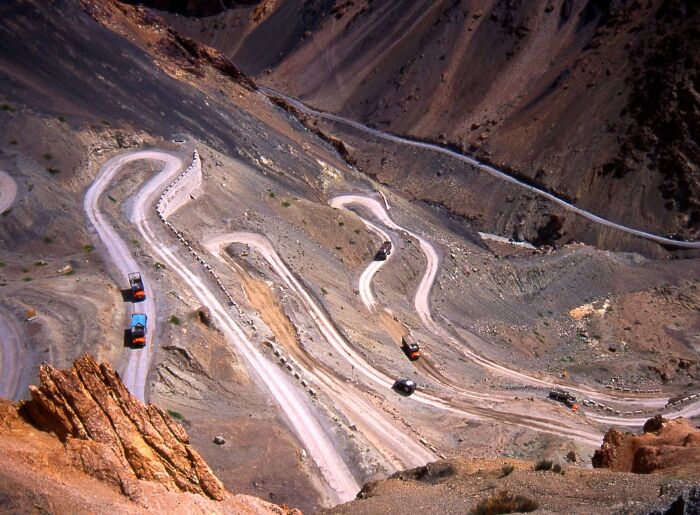
Roads generally improve access from surrounding areas, while an airport can make a destination practical for travelers living hundreds or even thousands of kilometers away. A journey that previously required a long train or road trip may suddenly become realistic for a three- or four-day vacation.
India’s UDAN scheme illustrates the scale of this approach. As of July 15, 2026, 679 routes connecting 95 airports, heliports, and water aerodromes had been operationalized. More than 1.68 crore passengers had traveled on over 3.58 lakh flights under the scheme. The government specifically identifies tourism development in remote, hilly, and island regions as a benefit of improved connectivity.
As an important Buddhist pilgrimage destination, Kushinagar provides a more specific example, as it has an international airport that opened in 2021 to improve access to the Buddhist circuit. The airport did not create Kushinagar’s religious importance. It reduced one of the barriers to reaching it, particularly for pilgrims traveling from other parts of Asia.
Can Infrastructure Turn Seasonal Places Into Year-Round Destinations?
In mountainous regions, better infrastructure can do more than save an hour or two, as it can change when people can visit. The Sonamarg Tunnel, opened in 2025, provides all-weather access through terrain affected by avalanches and landslides. The government expects the improved connection to help Sonamarg develop as a year-round destination, supporting winter tourism, adventure activities, and local livelihoods. Its longer-term tourism impact is still developing, so it is better viewed as an example of what improved year-round access can enable rather than proof of an immediate tourism boom.
Getting ready for a long drive? Here are five of the best car accessories for long drives and road trips.
Why Doesn’t Better Connectivity Always Create A Tourism Boom?
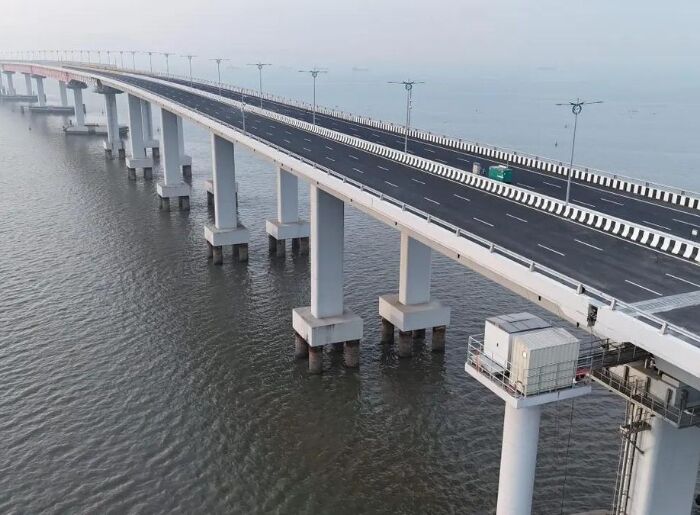
Better access can help existing places develop into more established tourist destinations, but opening an airport or highway does not automatically give people a reason to visit. There still needs to be something worth traveling for, whether that is nature, heritage, pilgrimage, wildlife, beaches, food, culture, or adventure.
Destinations also need to cope with the visitors who arrive. Hotels, restaurants, toilets, reliable water and electricity, waste management, parking, local transport, signage, guides, safety measures, and booking options all become increasingly important as tourism grows. Physical access might improve the day a tunnel opens, but building a mature tourism economy takes considerably longer.
There is another side to rapid growth. Traffic, overcrowding, waste, water shortages, uncontrolled construction, and pressure on sensitive environments can arise when visitor numbers grow faster than local facilities can. Better access therefore needs to be accompanied by planning for the people who live there as well as the travelers who visit.
Planning a road trip and want to make the journey easier? Here are 10 of the best apps for routes, food stops, fuel and more.
Author’s Note
Having traveled to places where the journey can take almost as much time as the stay itself, I’ve realized how much good connectivity can change the way we plan a trip. Better roads, tunnels, and airports do not make a destination more beautiful, but they can make places that once felt too difficult for a short vacation suddenly much easier to consider.
Summing Up
Better roads and airports do not create mountains, beaches, pilgrimage sites, wildlife, or heritage. What they can do, surprisingly quickly, is remove the barrier that kept people away, making new destinations possible in places that already had plenty to offer.
A new tunnel can turn a seasonal valley into a practical year-round trip. A highway can make a distant attraction possible over a weekend. An airport can put an established pilgrimage destination within reach of travelers from across the country or overseas. In each case, the place was already there; better connectivity made it easier to reach.