
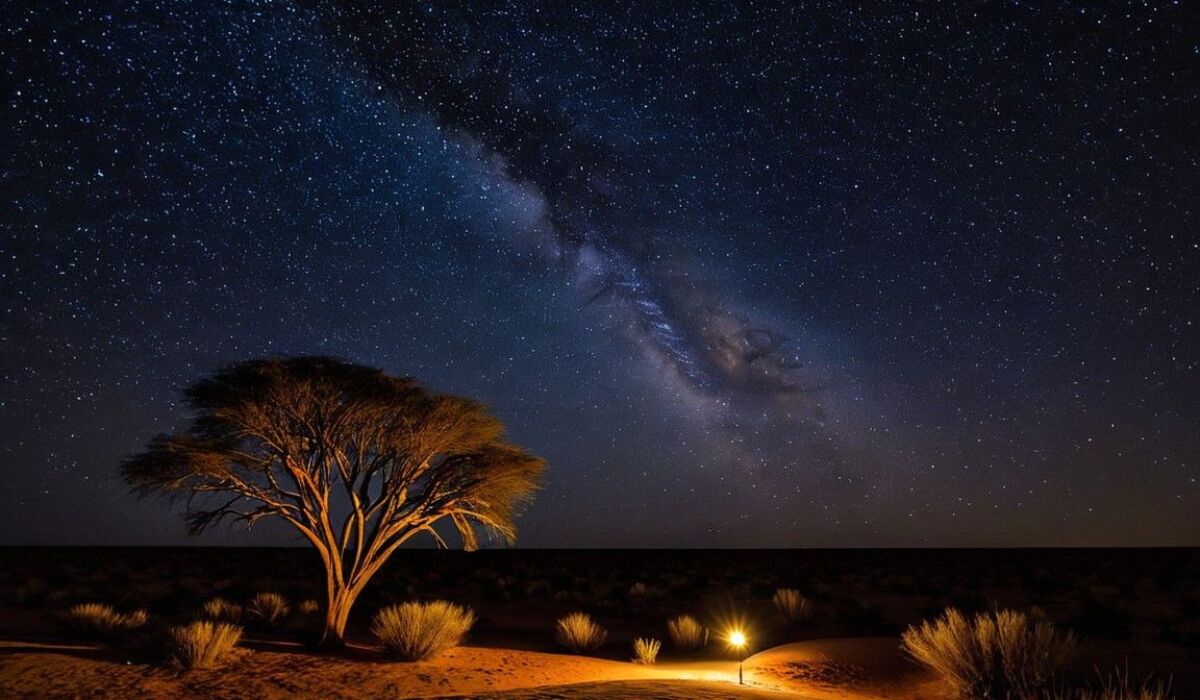
There is a big difference between seeing the night sky from a city and seeing it from somewhere almost completely free of artificial light. In the right conditions, the Milky Way becomes much easier to see, constellations stand out, and parts of the sky that usually appear empty suddenly fill with stars. For some travelers, that experience alone is enough reason to plan a trip.
The good news is that some of the best countries for stargazing also have protected areas free from excessive artificial light. New Zealand, Chile, Namibia, Australia, and South Africa all have officially recognized dark-sky locations.
Which Countries Have The Best Dark Skies For Stargazing?
1. New Zealand
New Zealand gives travelers several opportunities to experience genuinely dark skies. The best-known is the Aoraki Mackenzie International Dark Sky Reserve, covering 4,367 sq km across the Mackenzie Basin and Aoraki/Mount Cook National Park. Designated in 2012, the reserve is known for its exceptionally dark Southern Hemisphere skies.
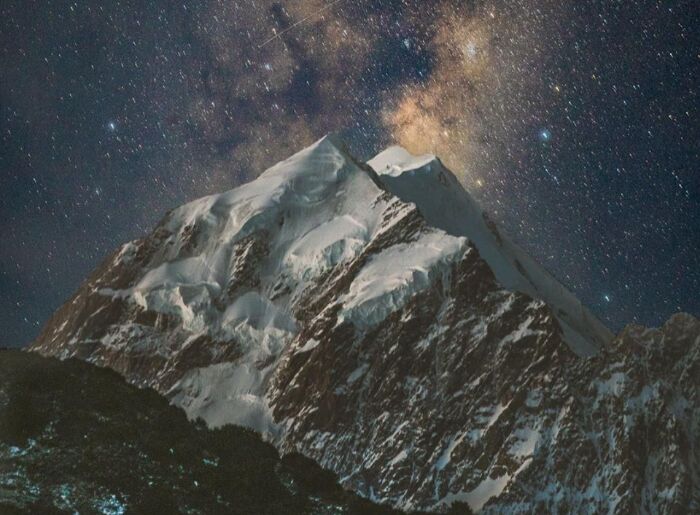
Depending on the season and conditions, you may see the Milky Way, Southern Cross, Large and Small Magellanic Clouds, planets, and southern constellations. The biggest advantage is choice. Stewart Island/Rakiura, Wairarapa, and Kaikōura are other recognized dark sky destinations, making stargazing relatively easy to include in a longer New Zealand road trip.
Where To Go: Aoraki Mackenzie International Dark Sky Reserve
Planning a trip to New Zealand? Here’s what Indian travelers should know about the New Zealand visa application process, cost and requirements.
2. Chile
Chile is particularly interesting for travelers who want astronomy to be a major part of their vacation. The Gabriela Mistral Dark Sky Sanctuary covers 364 sq km within a larger astronomical research site in northern Chile, a region with a long connection to professional astronomy.
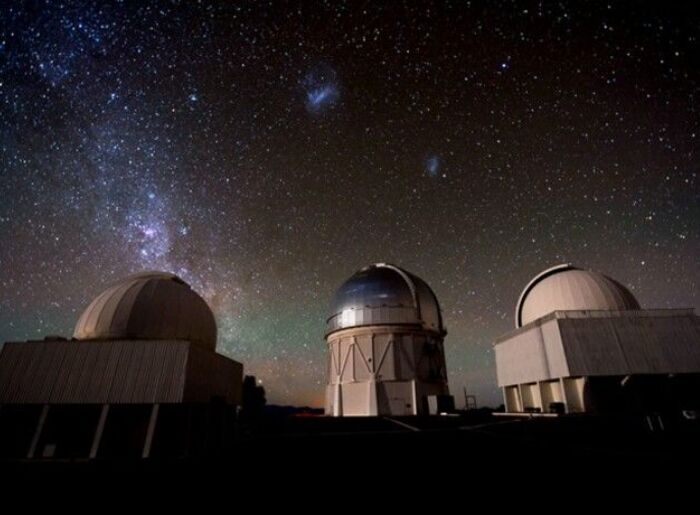
On a suitable night, the Milky Way, Galactic Center, Magellanic Clouds, and Southern Hemisphere constellations may all be visible. The wider Atacama Desert is also internationally important for astronomy. However, travelers should look for public stargazing locations and organized experiences rather than assuming professional observatories are open for unrestricted visits.
Where To Go: Elqui Valley and Gabriela Mistral Dark Sky Sanctuary
3. Namibia
If the idea of looking at the Milky Way above an open desert appeals to you, Namibia is difficult to ignore. NamibRand Nature Reserve sits in the southwestern Namib Desert and is an International Dark Sky Reserve. DarkSky International describes its location as one of the naturally darkest yet accessible places on Earth.
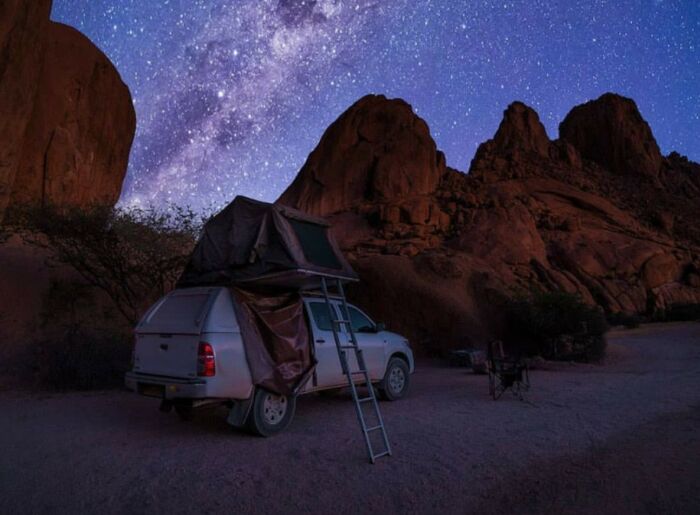
The Milky Way, Southern Cross, Large and Small Magellanic Clouds, and dense star fields are among the sights possible under favorable conditions. For travelers seeking memorable Milky Way destinations, Namibia also offers the added benefit of combining stargazing with a broader desert and wildlife itinerary.
Where To Go: NamibRand Nature Reserve
Looking for travel inspiration? Discover the top 10 most attractive cities in the world in 2026 and what makes them stand out.
4. Australia
Australia has several protected locations for travelers interested in the night sky. Warrumbungle National Park became the country’s first International Dark Sky Park in 2016. It sits next to Siding Spring Observatory and benefits from low levels of light pollution, altitude, and favorable atmospheric conditions.
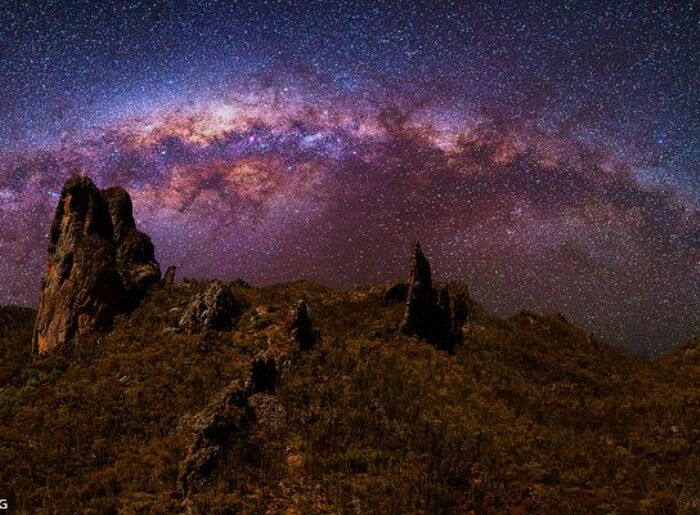
Visitors may be able to spot the Milky Way, Southern Cross, Magellanic Clouds, planets, nebulae, and other Southern Hemisphere constellations. Australia also offers alternatives if New South Wales does not fit the itinerary.
Where To Go: Warrumbungle National Park, New South Wales
5. South Africa
South Africa is a strong choice for travelers who want to combine wildlife and stargazing on the same vacation! Ae! Hai Kalahari Heritage Park became an International Dark Sky Sanctuary in 2019. Its certified area covers approximately 500 sq km, with very little artificial light interfering with views of the night sky.
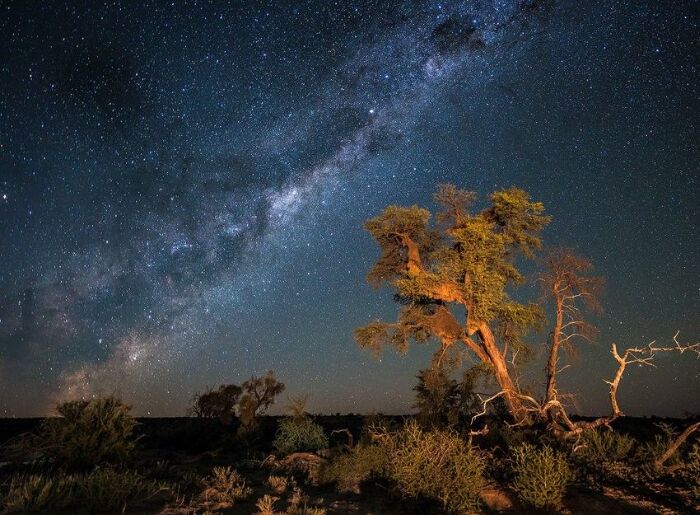
There is now another option as well. Lapalala Wilderness Nature Reserve in Limpopo’s Waterberg region became South Africa’s first International Dark Sky Park in September 2025. This gives travelers two distinct settings: the open Kalahari landscape on one hand and a wilderness reserve where stargazing can accompany wildlife experiences on the other.
Where To Go:! Ae! Hai Kalahari Heritage Park
Curious about a new way to experience South Africa? Here’s what to know as Uber Safari launches in Cape Town, South Africa.
When Is The Best Time To See The Milky Way?
Traveling to a certified dark-sky destination does not automatically mean the Milky Way will be visible every night. Its position and visibility change through the year, and conditions differ between the Northern and Southern Hemispheres. Weather and cloud cover can also make an otherwise excellent stargazing location disappointing on a particular night.
The Moon matters too. A bright full moon can wash out fainter stars, so planning around a new moon generally gives you darker conditions. If you are specifically researching places to see the Milky Way, check the local Milky Way season, moon phase, and weather forecast before fixing your stargazing night.
Wondering which countries have the strongest passports? Here’s what to know as Singapore tops the Henley Passport Index 2026, while Japan, South Korea and the UAE share second place.
Author’s Note
Having traveled through South Africa, New Zealand, and Australia, I’ve had a few nights where simply stepping outside and looking up became one of the most memorable parts of the trip. Away from city lights, the number of stars you can see is incredible, and the sky feels much bigger than it ever does at home. It has made me appreciate why people plan entire trips around finding genuinely dark skies.
Summing Up
There is no single type of dark-sky vacation. New Zealand can combine stargazing with mountains, lakes, and a road trip, while Chile suits travelers who want astronomy to play a bigger role in the journey. Namibia offers exceptionally dark desert surroundings, Australia provides protected locations, and South Africa makes it possible to combine the night sky with a wildlife trip.
Whichever country you choose, plan the timing as carefully as the destination. A dark location, clear weather, the right season, and a moonless night can turn a simple evening outdoors into one of the most memorable parts of the trip.