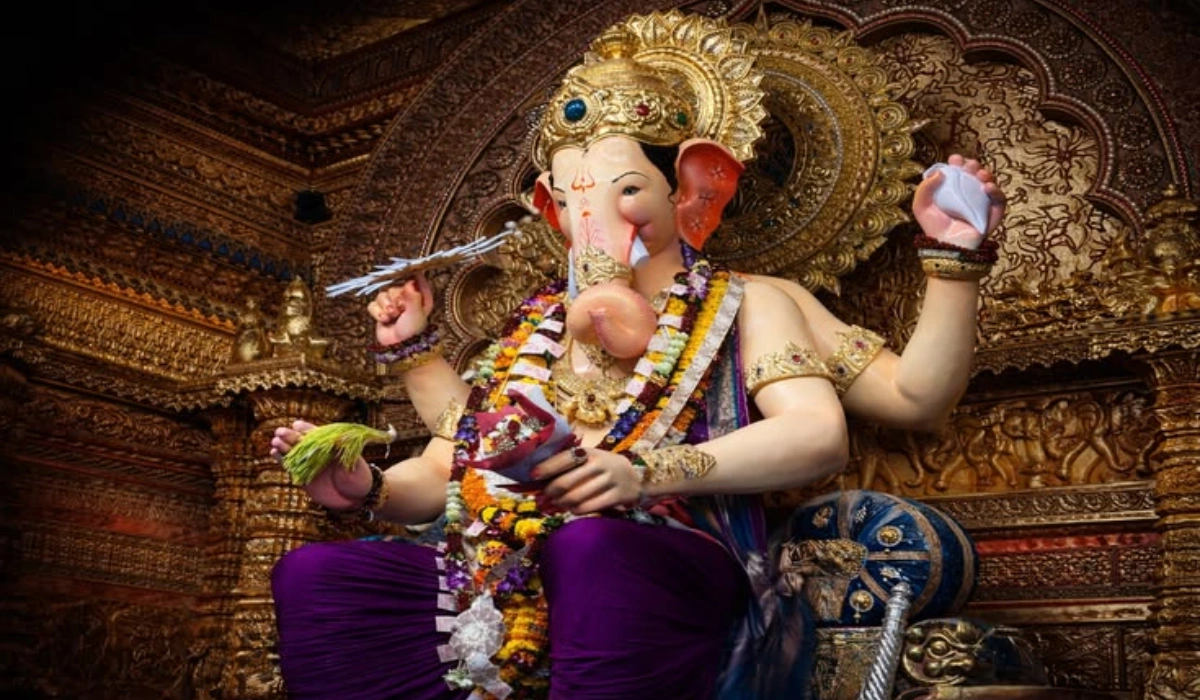

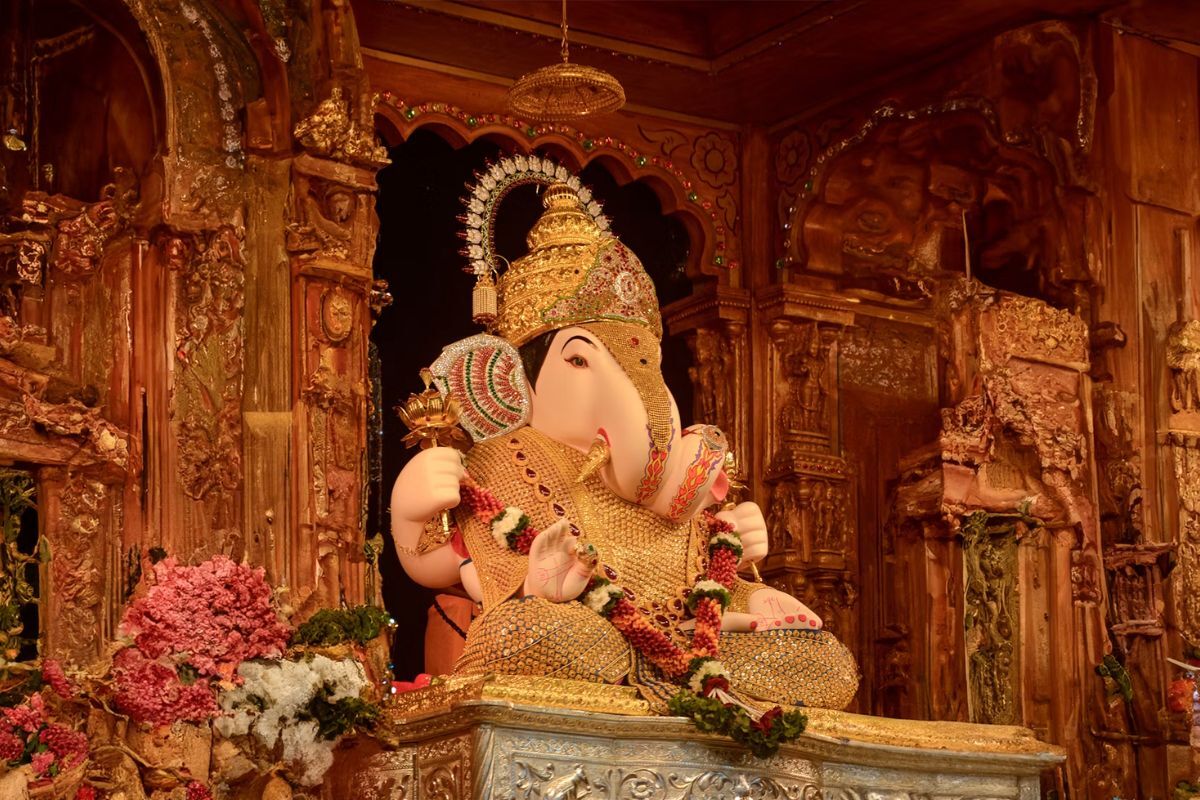
During Ganeshotsav, the narrow lanes of Pune come alive with history, dhol-tasha, devotion, and grand decorations. With thousands of people flocking here for Bappa’s darshan, it can get overwhelming without a plan. The route connects the city’s gram devta, Shree Kasba Ganpati, to Shrimant Dagdusheth Halwai Ganpati, which forms the spiritual spine of Pune’s Ganesh Chaturthi celebrations. It takes you through the historic Pune’s historic Peth areas, covering various Ganpati. Let’s take a look at the best Ganpati route:
The Best Ganpati Route Through Pune’s Old City
1. Start At Shree Kasba Ganpati
Begin your journey at Kasba Peth, which is said to be the oldest neighbourhood in Pune. The Shree Kasba Ganpati idol was established in 1636 by Chhatrapati Shivaji Maharaj’s mother, Jijabai Bhosale, after an idol was discovered near her residence. It is known as the first manacha Ganpati. Every year, as the Gram Devta, Kasba Ganpati leads the Visarjan, or immersion, procession. The temple’s architecture reflects traditional Marathwada design with intricate wooden craftsmanship.
2. Tambdi Jogeshwari Ganpati
Walk walking towards south from Kasba Peth; this will take you to Budhwar Peth. This will lead you to your next stop, which is the Tambdi Jogeshwari Ganpati. It is dedicated to Pune’s patron goddess. The Ganesha idol here is the second Manacha Ganpati on this route, which is known for its religious and historical tradition. It is traditionally carved out of silver and placed inside a wooden palanquin or palkhi. This is where Lokmanya Tilak actively encouraged the public festival in 1893.
3. Bhausaheb Rangari Ganpati
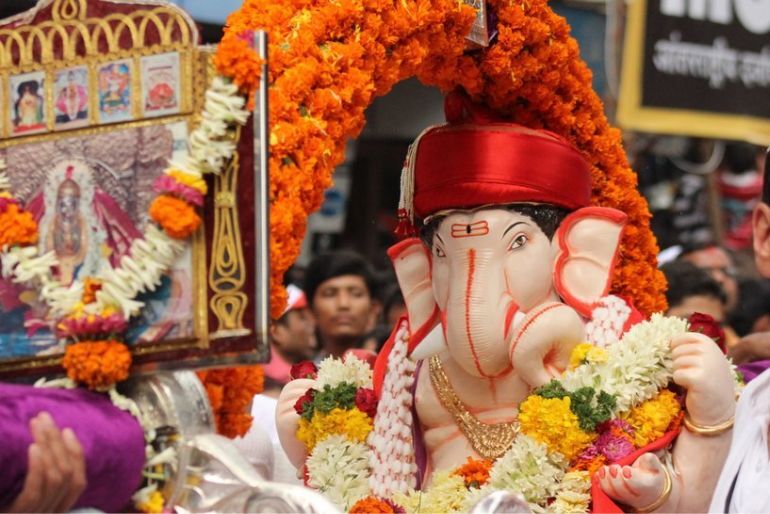
A short walk from the Tambdi Jogeshwari temple will take you to the famous Bhausaheb Rangari Ganpati Mandal. It is the very first public Sarvajanik Ganesh idol. This idol was created by Bhausaheb Rangari, Lokmanya Tilak’s contemporary. He was a renowned royal physician and freedom fighter. The festival was designed to bypass colonial restrictions on public gatherings and unite people across all backgrounds in the struggle for Indian independence.
4. Guruji Talim Ganpati
A short 300-meter walk down Laxmi Road will take you to Guruji Talim, which is situated near Ganpati Chowk. This is the third Manacha Ganpati. It was established in 1887 by Hindu and Muslim wrestling enthusiasts, including Ustad Nalband and Bhiku Shinde. This mandal actually predates Lokmanya Tilak’s public festival campaign. It is known as a powerful symbol of communal harmony in Pune. Guruji Talim is famous for colourful, grand floral decorations. It has elaborate golden or brass background arches.
Also Read: Ganesh Chaturthi 2026: Date, Puja Muhurat, Visarjan Dates & Complete Calendar
5. Tulshibaug Ganpati
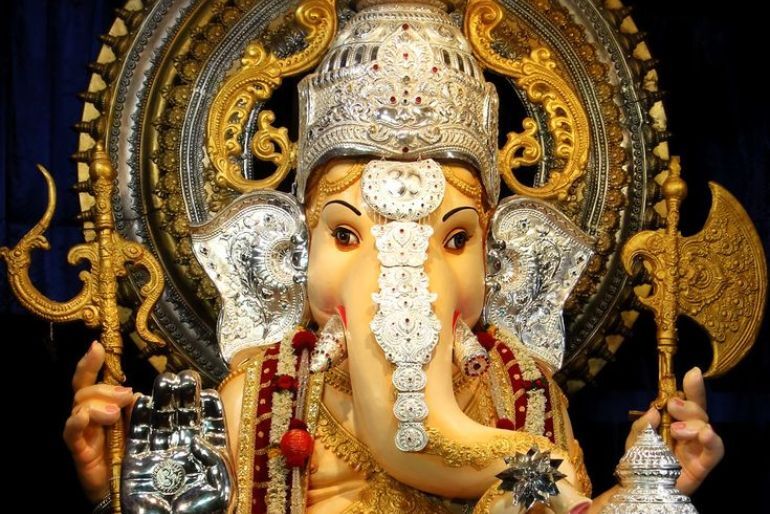
Now walk into the bustling open-air market lanes of Tulshibaug. Here you will visit the fourth Manacha Ganpati, Tulshibaug Ganpati. Unlike the smaller traditional clay idols of the first three mandals, Tulshibaug features a massive glass fiber idol of 13 feet. It is adorned beautifully with silver jewellery, which weighs over 80kg. This stop offers you an authentic taste of everyday Peth life with traditional clothing stalls, flower markets, and brassware vendors. It is known as Pune’s busiest traditional bazaar.
7. Kesari Wada Ganpati
Now walk towards Narayan Peth to visit Kesari Wada. It is said to be the historic residence and office of Lokmanya Bal Gangadhar Tilak. It was from this very courtyard that Lokmanya Tilak transformed a private home ritual of Ganesh Chaturthi into a massive national festival known as Sarvajanik Ganeshotsav. The motive was to mobilize people against the British Raj. You can see the courtyard, which houses a traditional idol, and wall reliefs that document the freedom movement.
8. Conclude At Shrimant Dagdusheth Halwai Ganpati
Walk back towards Shivaji Road to reach the iconic Dagdusheth Halwai Ganpati Temple. This temple is one of Pune’s most famous temples and one of the richest in Maharashtra. The temple was built in 1893 by Dagdusheth Halwai and his wife, Laxmibai. The couple built this temple on the advice of their spiritual guru (to help them heal from their depression) after losing their only son to a plague epidemic.
Also Read: Ganesh Chaturthi In Surat 2026: Famous Ganpati Pandals, Visarjan & Things To Know
Note: This list was compiled after verifying current publicly available business information
Summing Up
The entire walking circuit covers roughly 2 to 2.5 kilometers. It takes about 1.5 to 2 hours of pure walking, as vehicles are generally restricted in these narrow lanes during festivals. Also include extra time for crowds and queues during Ganeshotsav. Try to begin your darshan early in the morning to avoid crowds and long queues.