
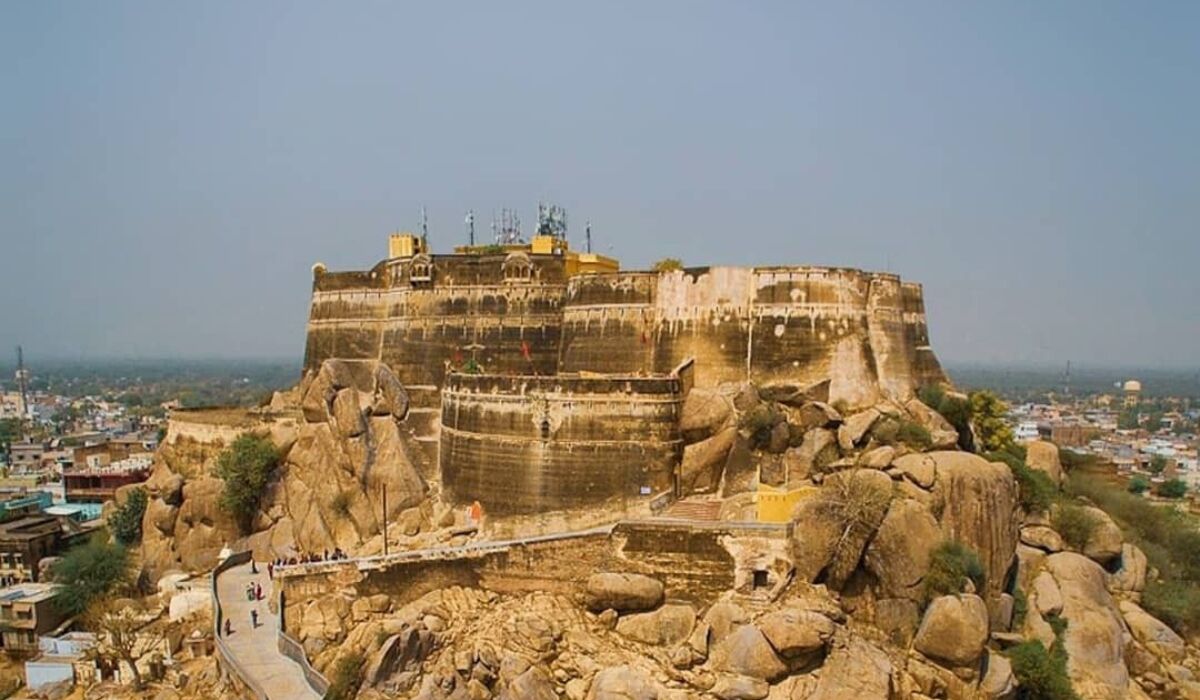
For years, Jaipur, Udaipur, Jodhpur, and Jaisalmer have been the main names associated with tourism in Rajasthan. However, the state’s domestic tourism numbers tell a very different story. In 2026, Sikar recorded 1,56,18,987 domestic tourist visits between January and June, almost twice Jaipur’s 81,49,183 during the same period. Much of this growth is linked to religious tourism. However, Sikar’s story is changing with pilgrimage circuits, destination weddings around places of faith, and increasing hospitality development all contributing to the district’s growing tourism economy.
Sikar Leads Rajasthan’s Domestic Tourism Numbers
Domestic travelers in Rajasthan recorded a staggering 10,92,04,101 tourist visits during the first six months of 2026, with more than 99 percent of these visits, showing just how important the Indian travel market is to the state.
The leading districts for domestic tourist visits between January and June 2026 were:
- Sikar: 1,56,18,987 visits
- Sikar: 1,56,18,987 visits
- Chittorgarh: 1,33,75,121 visits
- Jaisalmer: 1,18,34,038 visits
- Ajmer: 99,28,270 visits
- Jaipur: 81,49,183 visits
Why Is Sikar Attracting So Many Visitors?
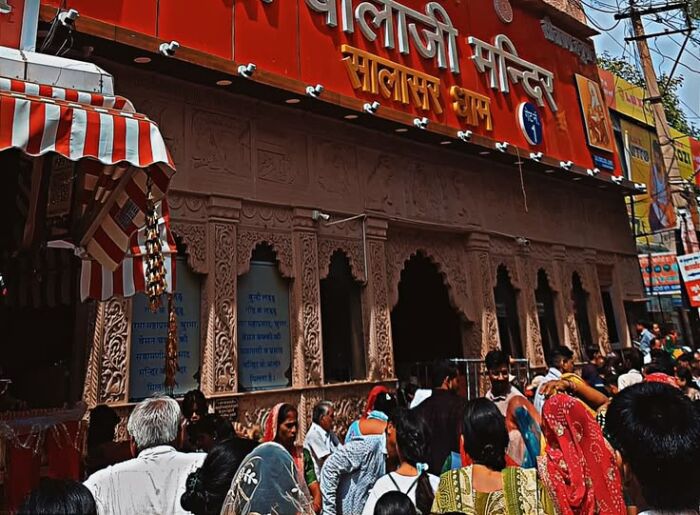
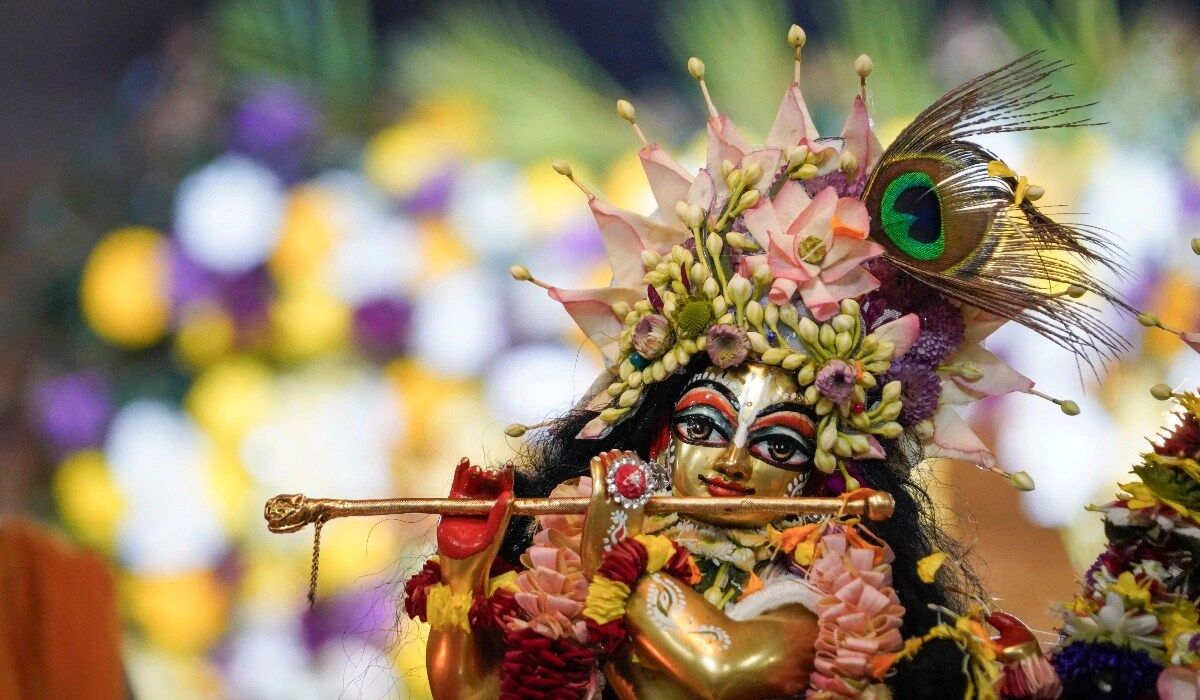
Religious tourism sits at the center of Sikar’s rise. Khatu Shyamji is one of North India’s major pilgrimage centers, but visitors are increasingly exploring a wider religious circuit across the region. Some of the prominent attractions driving this traffic include:
- Khatu Shyamji
- Jeen Mata Temple
- Shakambhari Mata Temple
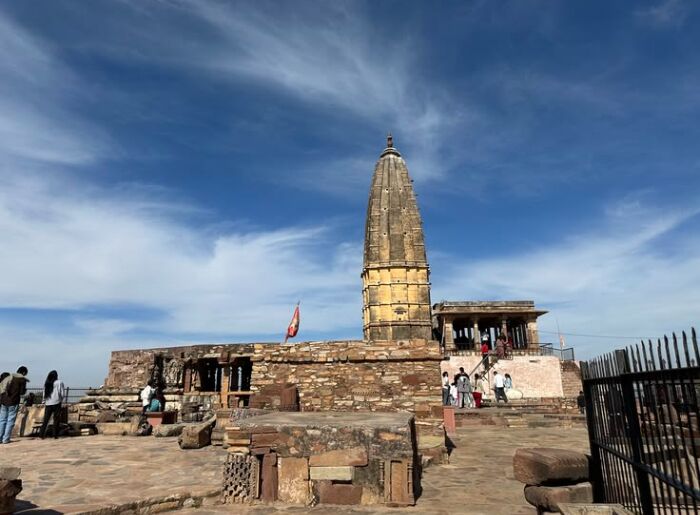
- Harsh Parvat, home to an approximately 1,200-year-old Shiva temple
- Salasar Balaji Temple in neighboring Churu district
Good road connectivity also works in Sikar’s favor, particularly as people traveling to Salasar Balaji and other religious destinations pass through the district. This connectivity strengthens the flow of visitors across Sikar.
Destination Weddings Are Adding To Sikar’s Appeal
Religious tourism is no longer limited to temple visits. Destination weddings around places of faith are emerging as another factor in Sikar’s tourism growth, and the hospitality sector is responding to this changing demand. New hotels and resorts are coming up in Sikar and around Khatu as visitors increasingly combine religious journeys with family trips, leisure, and celebrations.
Dreaming of a royal Rajasthan getaway? Discover 10 luxury heritage hotels where historic architecture, regal interiors, and grand hospitality come together.
Sikar Still Has A Longer-Stay Challenge
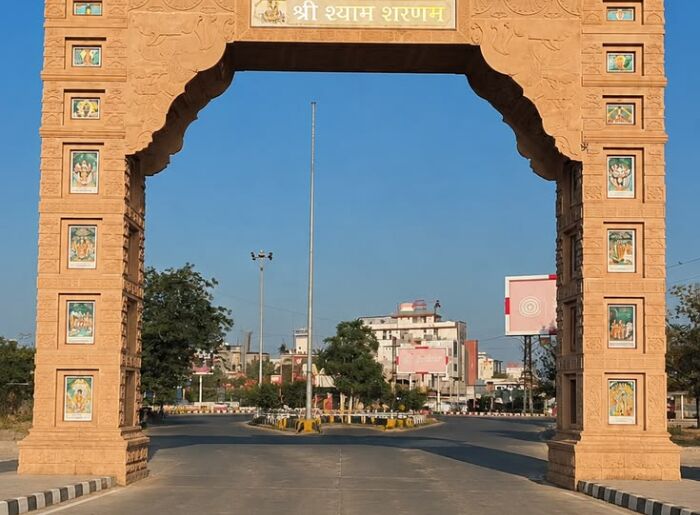
Many tourists continue to treat it as a single-day destination, particularly when visiting Khatu Shyamji and nearby temples. Tourism and hospitality representatives have also highlighted the need for improved facilities and infrastructure to accommodate the growing footfall. If more day visitors stay overnight, the district could benefit more significantly from its tourism boom.
Sikar’s location in Shekhawati also offers an opportunity to expand beyond pilgrimage tourism, as the region is traditionally known for its havelis.
Jaipur Still Leads Among Foreign Tourists
Sikar’s astonishing success applies solely to domestic tourist visits, and not international tourism. By contrast, Jaipur remains Rajasthan’s biggest destination for foreign travelers.
- Jaipur: 2,56,293
- Udaipur: 1,84,045
- Jodhpur: 82,846
- Jaisalmer: 66,433
The numbers reveal an interesting divide in Rajasthan tourism. International visitors continue to favor the state’s established heritage circuit, while domestic travelers are spreading across religious, heritage, wildlife and desert destinations. In this context, Sikar’s rise shows how faith-based travel is reshaping the sources of Rajasthan’s largest visitor numbers.
Want to experience Rajasthan beyond its famous forts? Embrace slow travel through historic towns, local traditions, heritage stays and everyday cultural experiences.
Author’s Note
Rajasthan is so closely associated with Jaipur, Udaipur, Jodhpur, and Jaisalmer that seeing Sikar ahead of them in domestic tourist visits immediately caught my attention. What I find particularly interesting is what the numbers reveal about how Indians actually travel. Tourism is not always driven by famous forts, palaces, or bucket-list landmarks. Pilgrimages, family trips, weddings, and religious circuits can generate enormous movement too, and Sikar is a fascinating example of how faith-based travel can reshape the tourism map of an entire region.
Summing Up
Sikar’s rise to the top of Rajasthan’s domestic tourism numbers reflects how quickly travel preferences are changing. With Khatu Shyamji and other religious sites drawing millions of visitors, along with growing interest in faith-centered destination weddings, the district has developed a tourism identity that extends beyond conventional sightseeing.
The challenge now lies in turning this into enormous footfall and longer stays. That demands better tourism infrastructure, more accommodation, and greater attention to Sikar’s wider heritage attractions, which could encourage visitors to explore beyond its religious sites.