

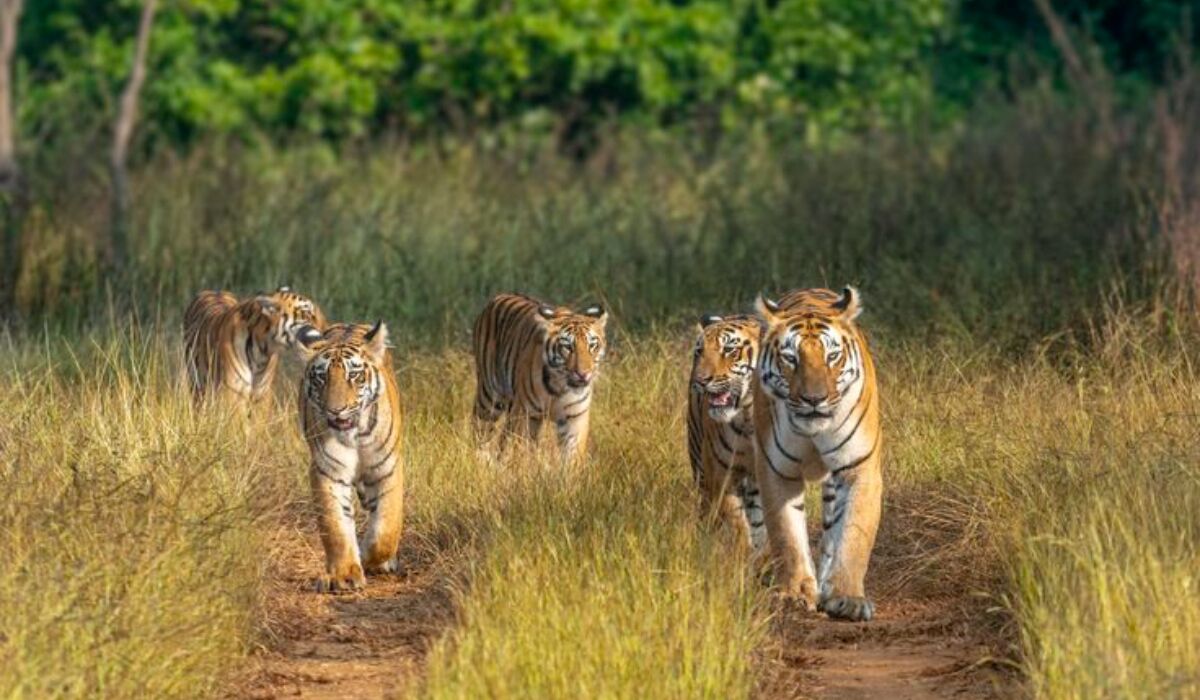
September is not the obvious month for a wildlife holiday in India, and that is exactly what makes it interesting. The monsoon is beginning to retreat in some regions; forests are still intensely green; rivers and lakes are replenished; and the Himalayan landscape has not yet slipped into winter. It is also a month when you need to choose your destination carefully. Many of India’s famous tiger reserves restrict access to core safari zones during the rains because forest tracks become difficult to navigate.
Travel to Ladakh for high-altitude wilderness, Uttarakhand for the final weeks of the Valley of Flowers, Kerala for boat-based wildlife experiences, or Rajasthan for birding in revived wetlands.
Why Visit A National Park In India In September?
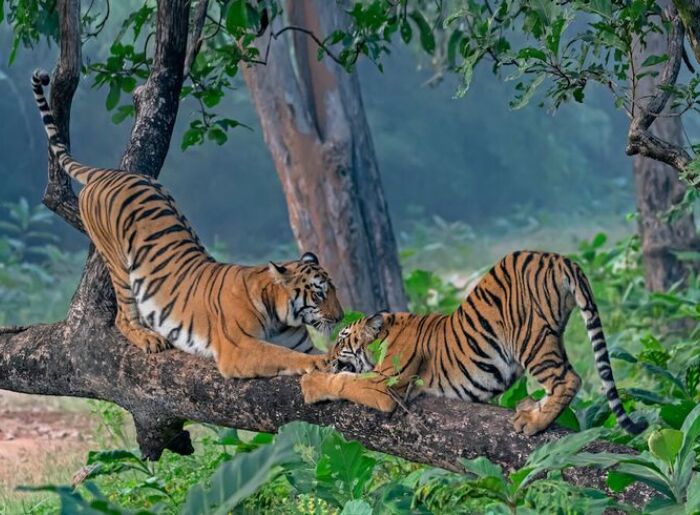
In September, you’ll see landscapes that people who come during the winter months often miss. Forests are thick and green from the monsoon, waterfalls and streams are lively, and wetlands are full. There are usually fewer crowds than in the busy wildlife season.
Thick vegetation can make animals harder to spot, and weather may disrupt safaris, treks, and road journeys. Several major tiger reserves also keep core tourism zones closed during this period, so September works best when the landscape and overall wilderness experience help ensure you have the best possible experience.
India’s First Cheetah Safari Opens At Kuno National Park, Here’s Your Full Booking & Travel Guide
What Wildlife Can You See In India’s National Parks?
India’s national parks cover everything from the Himalayas to mangrove forests, offering a huge variety of wildlife.
- Bengal Tiger: India’s most celebrated big cat inhabits forests, grasslands, and mangrove ecosystems throughout the country.
- Indian Elephant: These highly social animals can be encountered in several southern and northeastern forests.
- Snow Leopard: This elusive high-altitude predator survives amid the rocky mountains of the Himalayas and Trans-Himalayas.
- Greater One-Horned Rhino: Recognizable by its single horn and armor-like skin folds, the species inhabits grasslands and floodplains.
- Indian Leopard: An exceptionally adaptable predator, the leopard occurs across forests, mountains, and rocky landscapes.
- King Cobra: The world’s longest venomous snake occupies forest habitats and primarily preys on other snakes.
- Great Indian Bustard: One of India’s most threatened birds, it survives in increasingly fragmented grassland and semi-arid habitats.
- Indian Star Tortoise: Its distinctive patterned shell makes this dry-land tortoise instantly recognizable, though illegal wildlife trafficking remains a serious threat.
National Parks In India You Should Visit
1. Hemis National Park, Ladakh
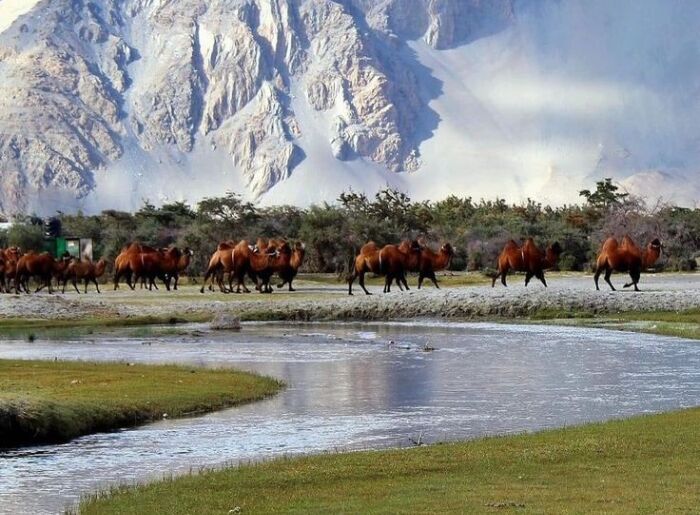
Hemis offers a national park experience focused on mountains, quiet, and vast high-altitude wilderness. Its barren slopes and deep valleys are home to bharal, Himalayan wolves, red foxes, and snow leopards. However, spotting a snow leopard takes patience and luck, so it’s not guaranteed. Ladakh remains relatively accessible before winter begins closing in, and walking through Hemis offers a completely different experience from India’s forest safaris.
- Location: Leh District, Ladakh, Jammu and Kashmir, 194101
- Best For: High-altitude landscapes and trekking
2. Valley Of Flowers National Park, Uttarakhand
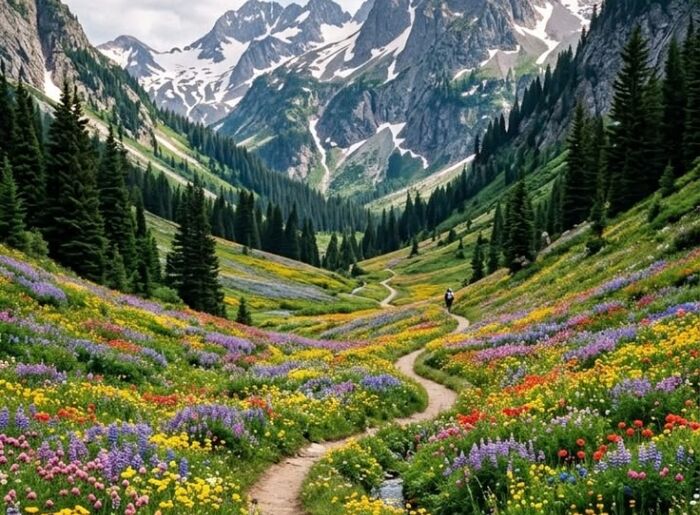
To get to the Valley of Flowers, you hike along a Himalayan trail, crossing streams, waterfalls, and tall mountains. September comes after the main blooming season, but you’ll still see late flowers and, with clearer weather, more mountain views.
For 2026, the Valley of Flowers opened on June 1 and is scheduled to remain open until October 31, making September comfortably within its official visitor season. Forest officials report more than 300 flower species and several rare varieties within the valley.
- Location: Chamoli district of Uttarakhand, India
- Best For: Wildflowers and trekking
3. Periyar National Park, Kerala
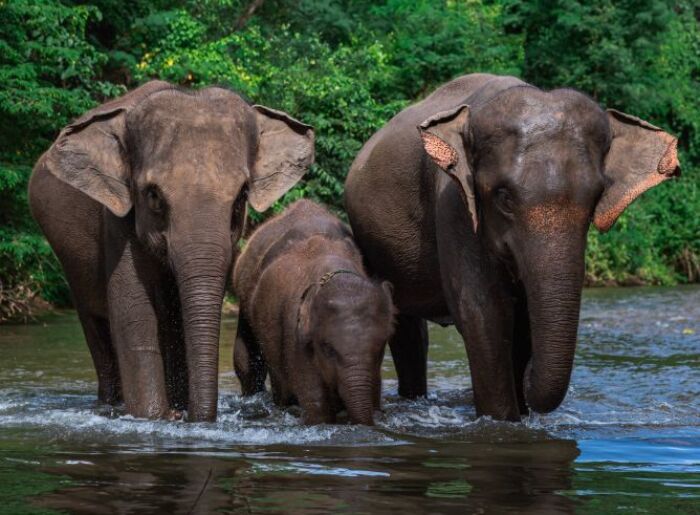
Periyar works particularly well in the monsoon because its signature wildlife experience does not depend entirely on dusty forest roads. Periyar Lake cuts through the reserve, allowing visitors to look toward the forested shoreline for elephants and other animals while exploring the landscape from the water. Bamboo rafting and guided nature programs add alternatives to the conventional jeep safari. Periyar has consequently emerged as one of India’s more reliable options for travelers determined to experience wildlife during the monsoon.
- Location: Thekkady, Idukki District, Kerala, India
- Best For: Elephants, boating and forest experiences
4. Nagarahole National Park, Karnataka
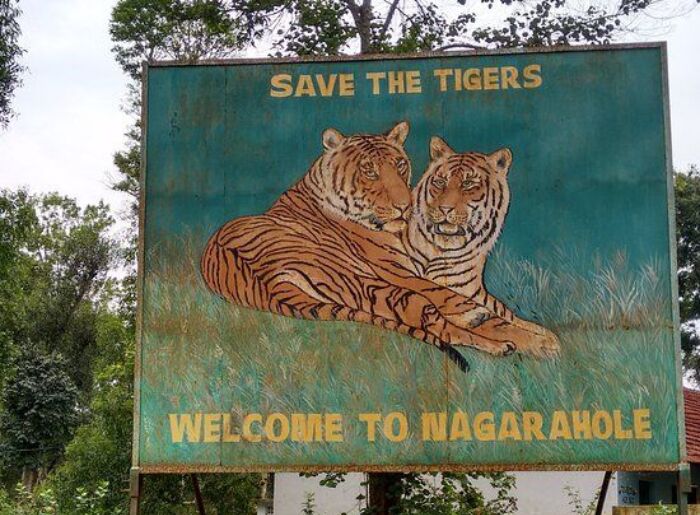
The Kabini landscape brings together wooded terrain and backwaters, creating habitat for elephants, gaur, deer, wild dogs, leopards, and tigers. September changes the visual character of the reserve, replacing the dusty tones of summer with dense vegetation and rain-fed waterways.
It can be harder to spot animals in the thick greenery, but that’s not a bad thing. September in Nagarahole is about enjoying the forest at its most lively, not just rushing to see wildlife.
- Location: Forest Campus, Old BM Road, Hunsur, Karnataka
- Best For: Elephants and forest landscapes
5. Bandipur National Park, Karnataka
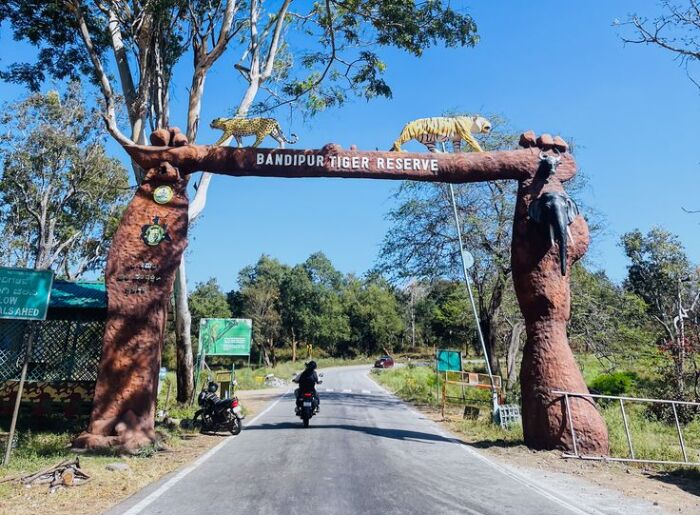
Bandipur is part of a larger wildlife area that includes Nagarahole, Mudumalai, and Wayanad. Elephants travel through these linked forests, and you’ll also find tigers, gaur, sambar, chital, and sloth bears. The forest alone makes the trip worthwhile, particularly for travelers who understand that a successful wildlife trip need not be measured by how many big cats appear beside the road.
- Location: Mysuru-Ooty Highway (NH 766) in Gundlupet Taluk, Chamarajanagar District, Karnataka
- Best For: Elephants and wildlife safaris
6. Sundarbans National Park, West Bengal
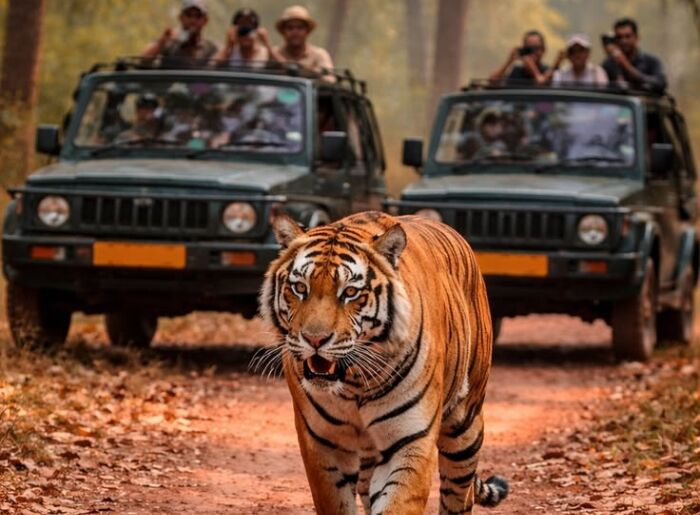
The Sundarbans turns the familiar idea of a national park safari on its head. Here, the routes are waterways, the forest is mangrove, and exploration happens aboard boats moving between tidal creeks and islands. Bengal tigers inhabit this extraordinary environment, but sightings are notoriously unpredictable. Crocodiles, birds, mudflats, tangled mangrove roots, and the constant movement of the tides ensure there is always something to observe.
- Location: Canning Town, South 24 Parganas, West Bengal, India
- Best For: Mangroves, boat journeys and birdlife
7. Sanjay Gandhi National Park, Maharashtra
Sanjay Gandhi National Park offers a large forest area inside one of the world’s busiest cities, so you can escape the traffic without leaving Mumbai. The monsoon turns the park lush; seasonal streams and dense vegetation give the landscape a freshness that fades later in the year. The ancient Kanheri Caves add history to the itinerary, making this more than a conventional wildlife outing.
- Location: Borivali East, Mumbai, Maharashtra
- Best For: Monsoon greenery, trails and Kanheri Caves
8. Jim Corbett National Park, Uttarakhand
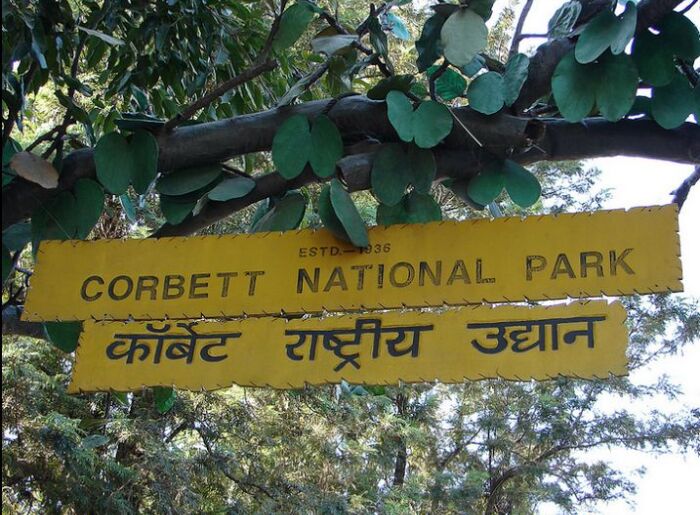
Corbett requires a little more planning in September, as the rains transform the Himalayan foothills into a dense landscape of forests, rivers, and grasslands, but many of the reserve’s famous tourist zones remain closed during the monsoon. Jhirna and Dhela are open for day safaris year-round, as long as the roads and weather are safe. Bijrani opens in October and Dhikala in November. If you go in September, pick your zone first and plan your trip around what’s available.
- Location: Ramnagar, Nainital District, Uttarakhand, India
- Best For: Monsoon forests, elephants and limited-zone safaris
9. Keoladeo National Park, Rajasthan
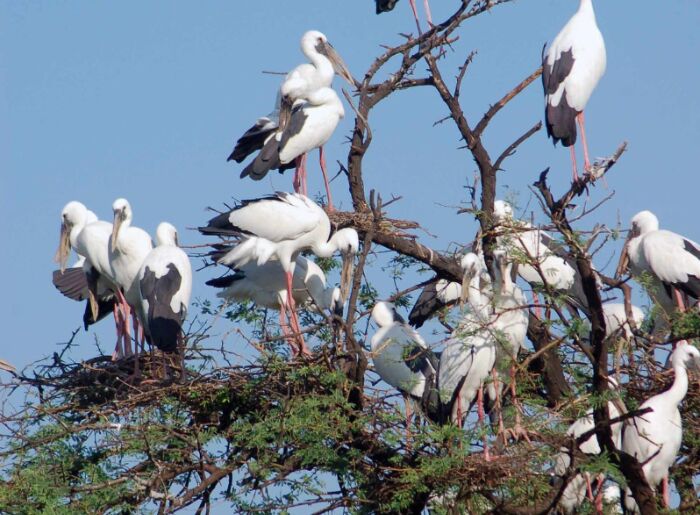
Keoladeo shows that binoculars can be more helpful than a safari jeep. Once a royal hunting ground in Bharatpur, it’s now a famous wetland with shallow water, woods, and grasslands that attract many kinds of birds. September welcomes the big winter migration, but the monsoon fills the wetlands and brings lots of activity. If you explore on foot, by bike, or in a rickshaw, you’ll spot details you’d miss on a quick safari.
- Location: National Highway 21, Bharatpur, Rajasthan, India
- Best For: Birdwatching and wetlands
10. Melghat Tiger Reserve, Maharashtra
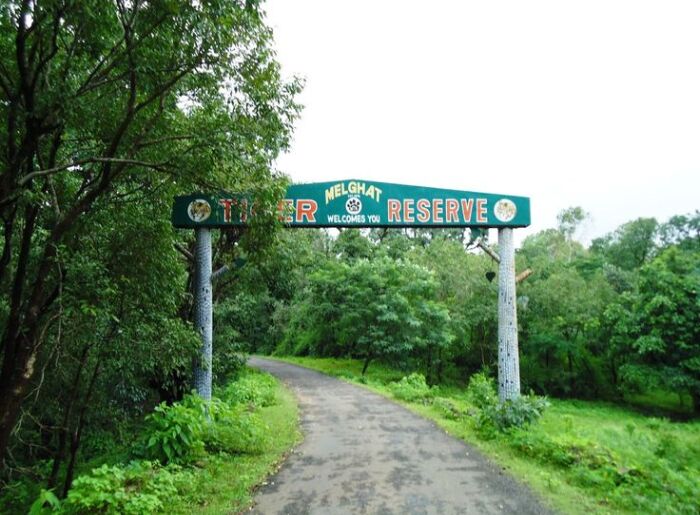
Located in the Satpura ranges, it stands out from India’s flatter tiger reserves for its hills, valleys, and ravines. Tigers live here, but Melghat is best for those who appreciate the landscape as much as the wildlife. The Satpuras are green at the end of the monsoon, and the landscape stands out. It’s a good option for those wanting a quieter wildlife spot, away from the usual safari routes.
- Location: Camp Road, near Government Girls High School, Amravati, Maharashtra
- Best For: Satpura landscapes and wilderness
Looking for a wild escape? Explore five national parks in South India that promise thrilling encounters with nature and wildlife.
What Should You Know Before Visiting National Parks In September?
- Check safari zones: A park may be reachable even when its main tourism zones remain closed.
- Expect rain: Carry waterproof footwear, quick-drying clothes, and protection for electronics.
- Keep plans flexible: Heavy rain can lead to last-minute cancellations of safari, trekking, or boating.
- Manage wildlife expectations: Dense vegetation can make animals more difficult to spot.
- Check road conditions: Mountain and forest roads may be affected by rainfall or landslides.
- Book authorized experiences: Use official park booking systems or recognized operators wherever possible.
Planning a summer wildlife trip? Discover some of India’s best national parks for an adventurous seasonal getaway.
unstumbled Authors Note
Having explored Kruger National Park in South, Jim Corbett, and Gir, I have learned that the best part of a wildlife safari is often the anticipation of what might appear around the next corner. Some drives are filled with exciting sightings, while others make you slow down and notice the landscape itself. For me, it is the early morning starts, sudden moments of excitement, and unpredictability of the wild that make every safari worth remembering.
Summing Up
September shows a different side of India’s national parks that most visitors miss. Hemis offers Himalayan wilderness, the Valley of Flowers gives you a last chance to see its alpine scenery, and Periyar, Nagarahole, and Bandipur display rain-soaked forests. Sundarbans and Keoladeo remind us that wildlife trips aren’t just about tiger safaris.
The most important thing is to pick the right park for September. Access can change with rain and local conditions, so check official opening dates, safari zones, trekking routes, and weather updates before you go.


One Response