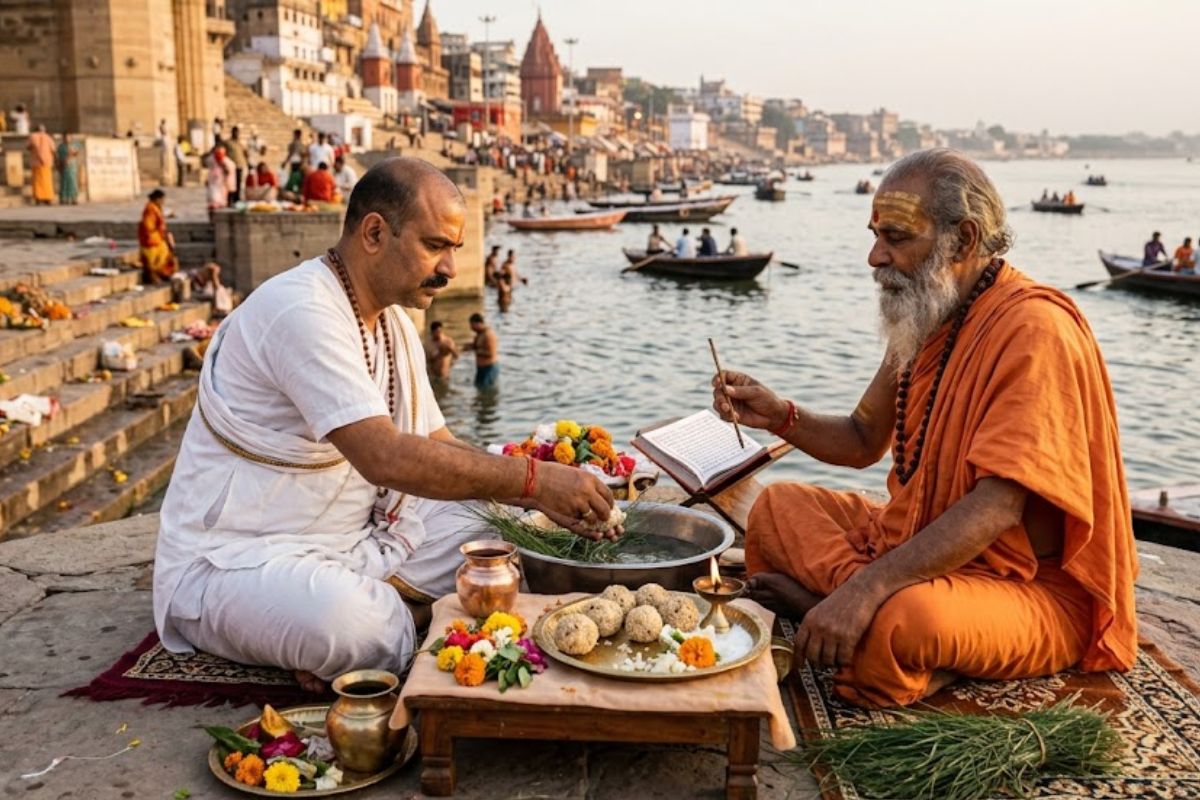

The month of Sawan or Shravan holds immense spiritual importance across India. It is considered to be an auspicious month that is dedicated to Lord Shiva and is marked by devotion, prayers, and fasting rituals. However, if you happen to travel across the country during this month, you will notice that there is no standard definition of fasting in India. Every single state has a different upwas food based on the culture and agrarian roots. So this Sawan, let’s know what is on the Shravan upwas plate of every state and why.
The Spiritual And Culinary Philosophy Of Shravan Fasting
Fasting during Shravan is deeply linked with the monsoon season. Traditionally and scientifically, the rainy season actually weakens digestion. This makes the consumption of light, wholesome, and non-processed meals very essential. Beyond the spiritual devotion of observing fast on Shravan Somwar, fasting actually acts as a seasonal detox.
Talking about this, a common question arises: Why do different states have different fasting foods? Well, India’s geography is very vast and varied, which is why different regions grow different crops. Before we had access to modern supply chains, fasting rules were based on local foods like grains, root veggies, fruits, and dairy.
Hence, observing fasts on Shravan Somwar reveals the incredible culinary diversity of India. While the West depends on starch-heavy energy meals, the north depends on the unique grain delicacies and the south depends on milk-centric diets and fruits.
Also Read: Shravan In North India Vs Shravan In West & South India: How Are They Different?
State-Wise Shravan Upwas Food List
1. Maharashtra: Sabudana and Rajgira
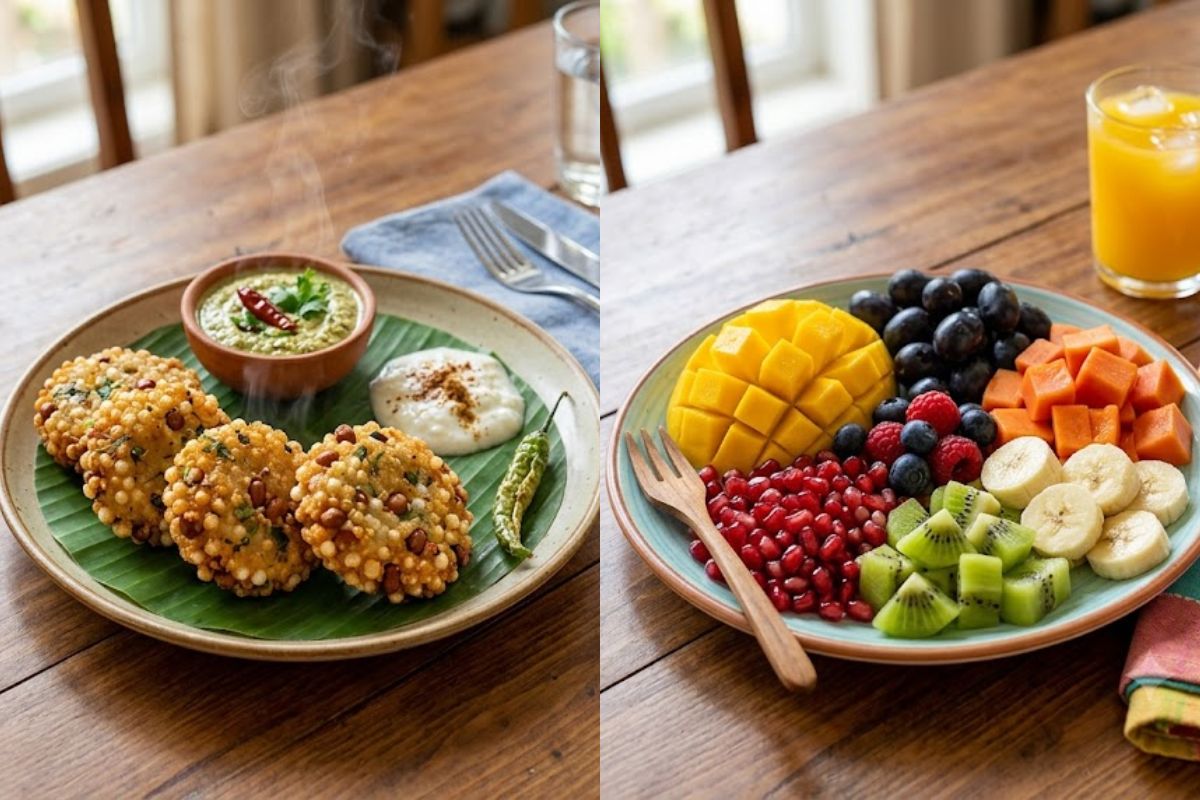
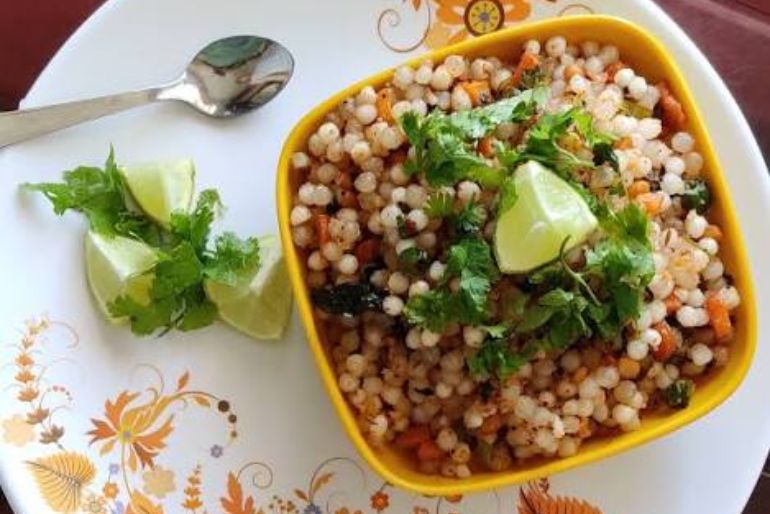
Fasting is looked at as a culinary art in Maharashtra. Tapioca pearls or sabudana are actually central to Maharashtra’s fasting rituals. A classic Maharashtrian Shravan vrat thali consists of various delicacies like Sabudana khichdi, Sabudana Vada, and Shendana Amti (peanut-based gravy) served with Varai Bhat (barnyard millet). For dessert, sweet potato halwa or lightweight Rajgira Puri is served with fresh Shrikhand.
2. Gujarat: Farali Delicacies
In Gujarat, upwas food is universally known as Farali food. Exploring Shravan special dishes across India is incomplete without Gujarati Farali cuisine. Gujarati households craft delicious, healthy Farali dishes like Farali Pattice (mashed potato balls with fillings), Buff Vada, and Moriya Khichdi cooked with buttermilk. Gujarati fasts balance sour, spicy, and sweet notes, which is unique compared to other states.
3. Uttar Pradesh & Bihar: Pure Sattvic Flavors
Across the Indo-Gangetic plains, the fasts that are observed during Shravan Somwar adhere to pure sattvic guidelines. States like Uttar Pradesh and Bihar eat dishes that heavily include water chestnut and buckwheat flavors. Examples are Singhare ke Pakode or Crispy Kuttu Ki Puri, which are paired with Aloo Vrat Wale or Arbi ki Sabzi cooked in pure ghee. For dessert, they generally serve milk-based sweets like Makhana Kheer (foxnut pudding) provides sustained energy throughout the fasting period.
4. South India (Karnataka, Andhra Pradesh, Tamil Nadu): Fruit & Milk
Southern states in India have preferences different from the West and North. They emphasize lightweight digestion, purity, and minimalism. Many devotees in southern states observe a full fruit-and-milk diet, which is also known as Phalahar. When they consume doos that is cooked, they consume dishes like roasted makhana, steamed sweet potatoes, Sabudana Payasam, cooked Sabudana with grated coconut and coconut water.
5. Punjab & Haryana: Rich Dairy
In northern states of India like Haryana and Punjab, dairy is what takes center stage. A typical Shravan fasting plate here includes dishes that offer heavy-duty nutrition like Kuttu Parathas served with fresh paneer cooked with rock salt and black pepper or homemade curd. During humid monsoon days, to stay hydrated, they consume cooling beverages like almond-infused Thandai, sweet lassi, and milk-popped lotus seed puddings regularly.
6. West Bengal & Odisha: Sattvic & Fruits
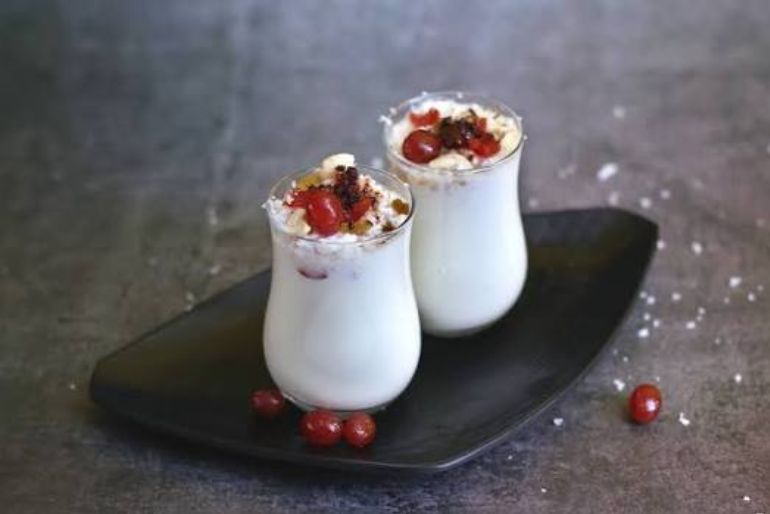
In eastern India, observing Shravan fast involves observing a strict vegetarian diet or Niramish. Devotees offer Saboo Makha to Lord Shiva, which is a wholesome mixture of soaked tapioca pearls, milk, coconut, cottage cheese, and fresh banana, and later consume it as prasad. Other food options consumed during Shravan fasting in eastern states include raw banana curry, sweet tubers, and fruit platters.
Healthy Shravan Fasting Meal Plan
While traditional snacks are delicious, modern nutritionists highlight that balance is the key for fasting. You must focus on clean proteins and complex carbohydrates. Here are some tips to help you fast in a healthy manner:
- Drink coconut water, mint-infused water, coconut water, herbal teas like tulsi, ginger, or mint tea, and buttermilk to prevent acidity during long fasts.
- Add almonds, walnuts, paneer, makhana, and roasted peanuts into your daily diet.
- Add seasonal fruits like pomegranates, bananas, and apples for natural sugars.
- Choose sweet potatoes, kuttu or buckwheat, Rajgira, and barnyard millet over any other deep-fried snacks.
- Eat smaller, frequent meals or phalahar instead of starving yourself for extended hours. Consuming a large meal in the evening will overload and affect your digestive system.
- Use rock salt or sendha namak
Also Read: Why Are Onions And Garlic Avoided During Shravan?
Summing Up
Shravan fasting is far more than just a simple spiritual tradition. It is a thoughtful blend of regional biodiversity, ancient wisdom, and culinary creativity. Each region or state offers a delicious way to honor the mind and body. By keeping your meals balanced and nutrient-dense, and by staying hydrated, you can celebrate Shravan in the best way.