

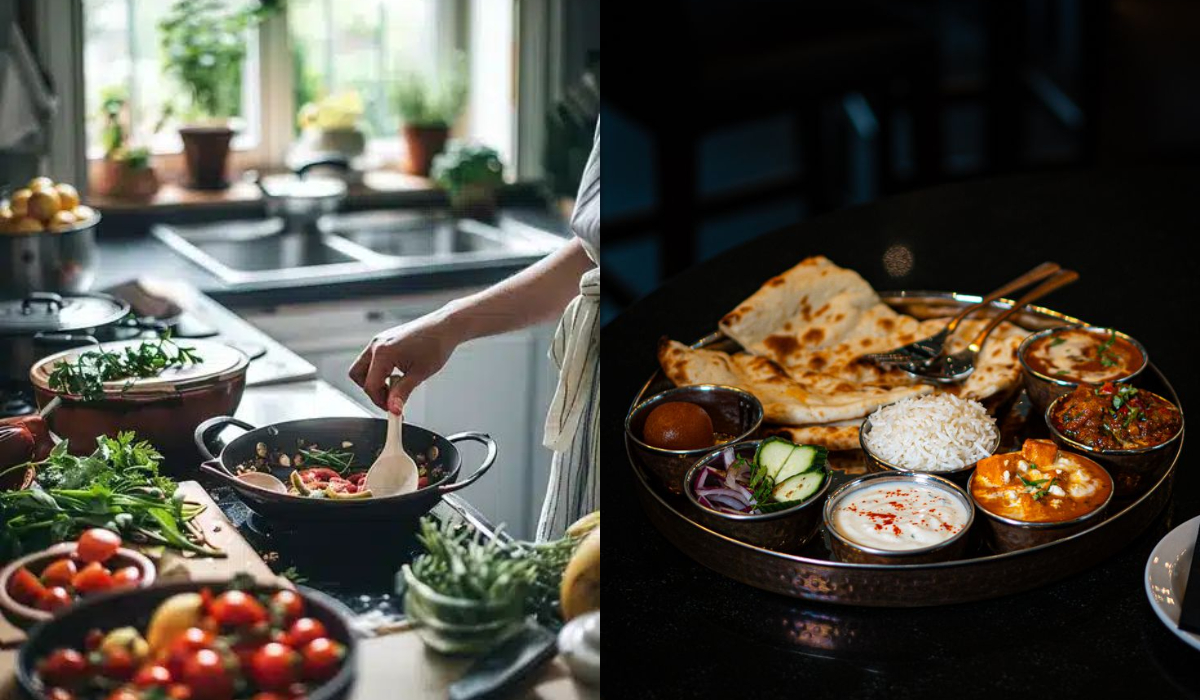
Every year during Shravan, you’ll notice something interesting in many Indian homes and even restaurant menus. Meat and eggs often disappear from meals, onion and garlic are set aside, and simple, home-cooked dishes take center stage. Plates are filled with fresh vegetables, lentils, fruits, milk, and ghee instead of rich, heavily spiced foods.
If you’ve ever wondered why eating habits change so much during this month, the answer isn’t just religion. It also has a lot to do with Ayurveda and seasonal eating. Shravan falls during the monsoon, a time when traditional Ayurvedic practices recommend lighter, freshly prepared meals that are easier to digest. At the heart of this approach is the Sattvic diet, a way of eating that focuses on fresh, wholesome foods believed to nourish both the body and the mind.
What Is Sattvic Food?
Sattvic food comes from Ayurveda, India’s traditional system of wellness, where food is seen as more than just fuel. Instead of looking only at calories or nutrients, Ayurveda also considers how different foods affect your energy, digestion, mood, and overall well-being.
A Sattvic diet focuses on foods that are fresh, seasonal, minimally processed, and easy to digest. Meals are usually prepared fresh and cooked using simple methods that preserve the natural qualities of the ingredients. The idea is to eat food that feels nourishing rather than heavy.
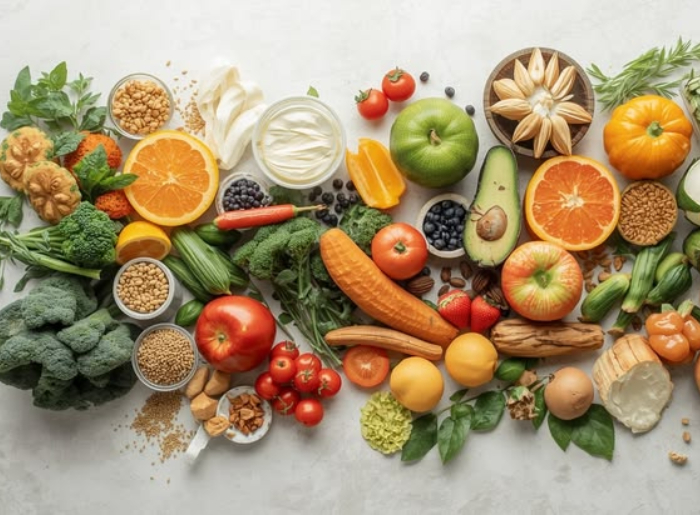
Some of the most common Sattvic foods include:
- Fresh fruits
- Seasonal vegetables
- Whole grains like rice, wheat, barley, and millets
- Lentils such as moong dal and toor dal
- Fresh milk, homemade curd, and ghee
- Nuts and seeds
- Herbal teas
- Natural sweeteners like honey and jaggery
Also Read: Sawan Month 2026: Fasting Rules, Puja Vidhi & Benefits
The Three Types Of Food In Ayurveda
Ayurveda groups foods into three categories, known as gunas, based on the qualities they are believed to have.
Sattvic Foods
Sattvic foods are considered fresh, light, and naturally nourishing. They include fruits, vegetables, legumes, whole grains, dairy, nuts, and seeds. These foods form the foundation of the Sattvic diet and are often associated with balanced eating.
Rajasic Foods
Rajasic foods are more stimulating in nature. They’re often spicy, oily, salty, or heavily seasoned and include ingredients like onion, garlic, tea, coffee, fried foods, and processed snacks. While they’re perfectly common in everyday cooking, Ayurveda suggests eating them in moderation.
Tamasic Foods
Tamasic foods are generally heavier and include items such as meat, fish, eggs, alcohol, leftovers, frozen meals, and heavily processed foods. Ayurveda considers these more difficult to digest, especially during certain seasons.
Why Do People Eat Sattvic Food During Shravan?
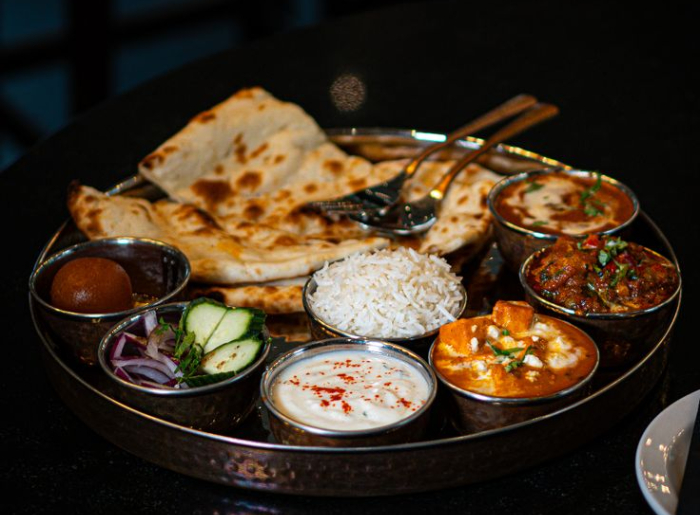
For many people, eating Sattvic food during Shravan is a long-standing family tradition connected to fasting and religious observances. Shravan falls during Varsha Ritu, or the monsoon season. According to Ayurvedic principles, digestion tends to slow down during this time because of increased humidity and changes in the weather. Rich, oily, or heavily processed foods can feel heavier on the stomach, while lighter meals made with fresh ingredients are believed to be easier to digest. This is why many households naturally shift toward vegetables, lentils, whole grains, fruits, and dairy during Shravan. Whether someone is observing the month for religious reasons or simply following seasonal eating habits, the result is often the same: simpler meals made with fresh ingredients.
Also Read: Shravan In North India Vs Shravan In West & South India: How Are They Different?
Why Are Onion And Garlic Avoided?
In Ayurveda, both ingredients are classified as Rajasic, meaning they are considered stimulating rather than calming. During Shravan, many people choose foods that are believed to encourage a simpler, lighter way of eating, so onion and garlic are often left out. That doesn’t mean they’re unhealthy, as outside of Shravan, onion and garlic are widely used in Indian cooking and are known for their nutritional value. Their omission during this month is primarily based on traditional dietary practices rather than modern nutrition.
Benefits Of Eating Sattvic Food During Shravan
It’s Easier On Digestion
Fresh vegetables, seasonal fruits, whole grains, and lentils are generally lighter than fried or heavily processed foods. Ayurveda recommends these foods during the monsoon because digestion is believed to be naturally weaker during this season.
It Encourages Seasonal Eating
Many foods that naturally grow during Shravan, including bottle gourd, pumpkin, sweet potato, leafy greens, and amaranth, fit perfectly into a Sattvic diet. Eating seasonal produce also means you’re choosing ingredients that are fresher and more widely available.
It Promotes Simpler Meals
One of the biggest advantages of a Sattvic diet is its simplicity. Instead of relying on packaged foods or elaborate recipes, meals are usually prepared using fresh ingredients and straightforward cooking methods.
It Supports A Balanced Diet
A typical Sattvic meal includes fruits, vegetables, legumes, whole grains, nuts, and seeds. These are the same foods commonly recommended as part of a healthy, balanced diet. Research referenced in the source material also notes that plant-forward diets are associated with better heart health, improved weight management, and a lower risk of certain lifestyle diseases.
It Encourages Mindful Eating
The Sattvic approach isn’t only about what you eat. It also emphasizes how you eat. Meals are cooked fresh, eaten in moderation, and enjoyed without distractions, encouraging people to slow down and pay more attention to their eating habits.

What Can You Eat On A Sattvic Diet?
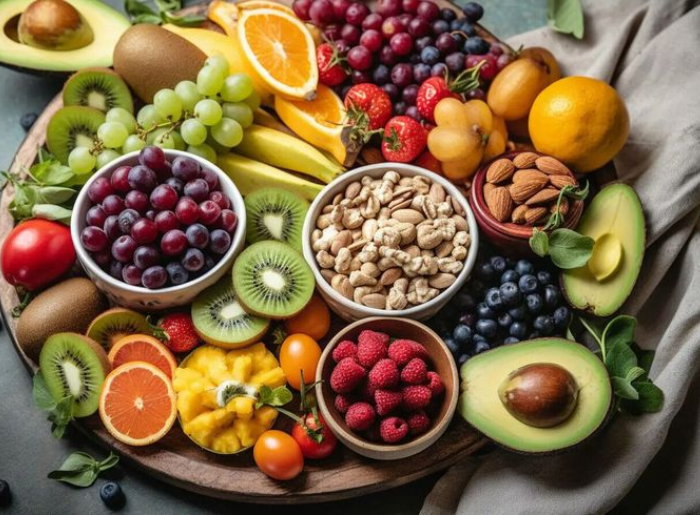
A Sattvic diet is centered around fresh, seasonal, and minimally processed foods that are easy to digest. While the exact menu may vary, these are some of the most commonly included foods:
- Fruits: Apples, bananas, papaya, mangoes, grapes, pomegranate, oranges, sweet lime, and tender coconut.
- Vegetables: Bottle gourd, pumpkin, spinach, carrots, beetroot, cucumber, green beans, and sweet potato.
- Whole Grains: Rice, whole wheat, barley, ragi, bajra, jowar, and other millets that provide lasting energy.
- Other Staples: Fresh milk, homemade curd, ghee, lentils, along with nuts and seeds like almonds, walnuts, flaxseeds, pumpkin seeds, and chia seeds.
Foods Commonly Avoided During Shravan
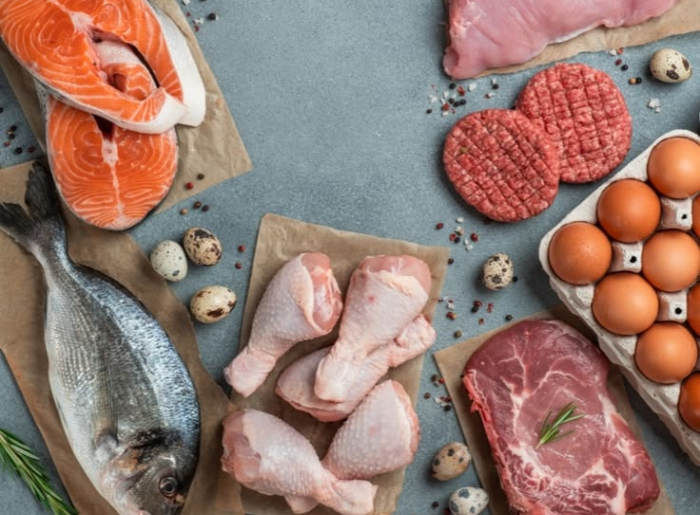
During Shravan, many people choose to avoid foods that are considered heavy, overly stimulating, or highly processed. Commonly avoided foods include:
- Meat, fish, and eggs
- Onion and garlic
- Alcohol, tea, and coffee
- Fast food, deep-fried snacks, and packaged foods
- Frozen meals and leftovers
Tips For Trying A Sattvic Diet
If you’d like to follow a Sattvic diet during Shravan, you don’t need to completely change your lifestyle overnight. A few simple habits can make the transition easier.
- Cook fresh meals whenever possible.
- Include more seasonal fruits and vegetables.
- Choose whole grains instead of refined ones.
- Eat slowly and avoid distractions during meals.
- Skip heavily processed foods when you can.
- Eat moderate portions instead of overeating.
- Stay hydrated with water or herbal teas.
Summing Up
For many people, Shravan is a time to simplify not just their routines but also their meals. The Sattvic diet reflects that idea by focusing on fresh, seasonal ingredients that are easy to prepare and easy to digest. While its roots lie in Ayurveda and traditional practices, many of its principles, like eating more whole foods, reducing processed ingredients, and choosing seasonal produce, continue to make sense today. Whether you’re observing Shravan or simply looking for healthier eating habits, adding a few more Sattvic meals to your week can be an easy way to enjoy fresh, wholesome food while embracing the flavors of the season.