

Shravan (also known as Sawan) is considered one of the holiest months in the Hindu lunar calendar and is especially dedicated to the worship of Lord Shiva. Falling during the Indian monsoon, this sacred period is marked by daily prayers, temple visits, fasting (Vrat), chanting of Shiva mantras, and acts of self-discipline.
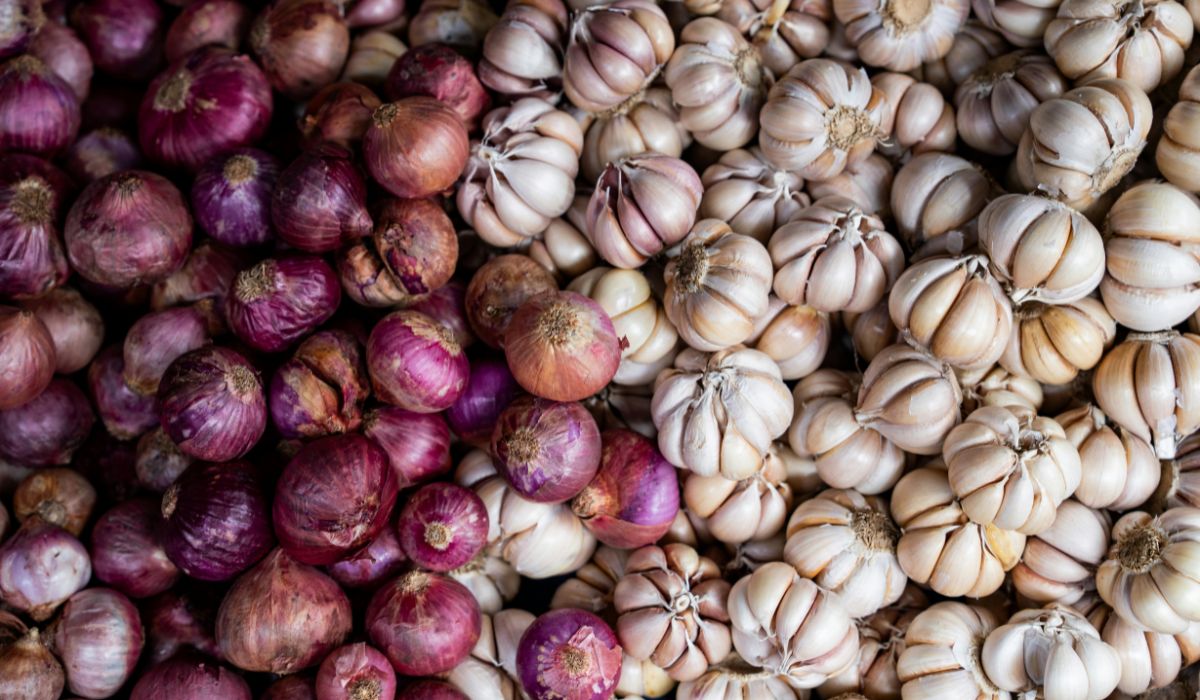
Millions of devotees observe dietary restrictions throughout the month to cultivate purity, devotion, and self-control. Among the most common customs is the complete avoidance of onions and garlic in Shravan, despite these ingredients being staples in everyday Indian cooking. Why do such commonly consumed ingredients suddenly become prohibited during this sacred month? The answer lies in a combination of Hindu spiritual philosophy, Ayurvedic dietary principles, traditional mythological narratives, and practical seasonal considerations associated with the monsoon.
Why Are Onions And Garlic Avoided During Shravan
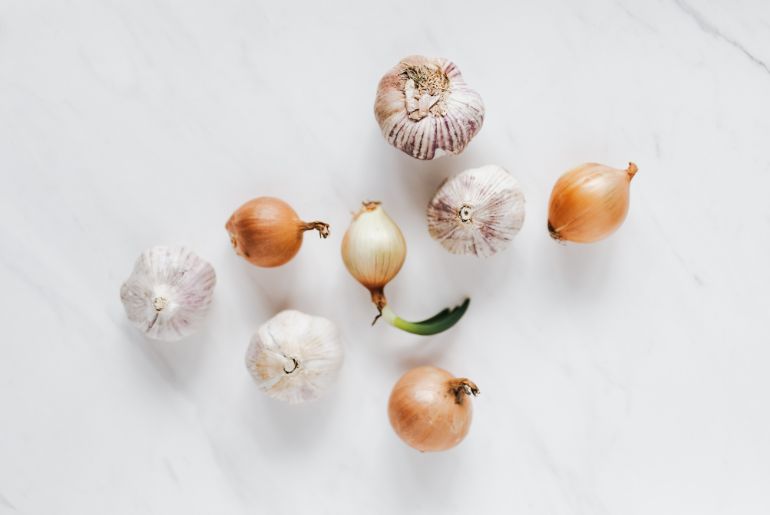
Ayurveda views food as more than nourishment and believes it influences both physical health and mental states. Classical Ayurvedic philosophy categorizes foods according to the type of energy they are thought to promote. Drawing from the broader concept of the three Gunas (qualities) described in Indian philosophical traditions, the categories are Sattva, Rajas, and Tamas. For many households, meals during Shravan are prepared without any allium vegetables, while fasting foods follow a predominantly Sattvic pattern.
The Three Gunas (Sattva, Rajas, And Tamas)
- Sattva (Sattvic Food): Sattvic foods are associated with purity, balance, clarity and calmness. Fresh fruits, vegetables, milk, whole grains and nuts are traditionally regarded as Sattvic because they are believed to support mental stability and spiritual awareness.
- Rajas (Rajasic Food): Rajasic foods are considered stimulating and activating. They are thought to encourage ambition, restlessness, passion and heightened sensory activity.
- Tamas (Tamasic Food): Tamasic foods are traditionally associated with heaviness, inertia and dullness, and are believed to reduce mental clarity when consumed excessively.
Why Are Onions And Garlic Considered As Rajasic And Tamasic
Within this framework, garlic is generally classified in many Ayurvedic and yogic traditions as predominantly Rajasic, while onions are often described as possessing both Rajasic and Tamasic qualities, depending on their preparation and stage of maturity. Traditional texts and later commentaries suggest that garlic’s pungent nature may stimulate the senses and increase internal heat, whereas onions are believed to encourage lethargy in some contexts while also exciting the senses in others.
It is important to note that Ayurveda simultaneously recognizes garlic as a valuable medicinal herb. Classical Ayurvedic literature describes garlic as being used therapeutically under professional guidance for specific health conditions. Thus, its exclusion during Shravan is not because it is considered universally harmful, but because the goals of fasting differ from those of medical treatment.
During Shravan, devotees aim to cultivate a predominantly Sattvic lifestyle, believing that lighter, simpler foods support meditation (Sadhana), emotional restraint, and uninterrupted devotion to Lord Shiva. From this traditional perspective, avoiding stimulating ingredients helps create a calmer state of mind that is considered conducive to prayer and spiritual discipline.
Spiritual And Mythological Origins
The Samudra Manthan Tale
Another widely shared explanation comes from Hindu mythology, particularly stories associated with the Samudra Manthan (Churning of the Ocean). This story is narrated in several Puranic texts.
According to the legend, the Devas (gods) and Asuras (demons) churned the cosmic ocean to obtain Amrit, the nectar of immortality. After the nectar emerged, Lord Vishnu assumed the enchanting form of Mohini to distribute it exclusively among the Devas. One Asura, later known as Rahu, disguised himself and secretly consumed a portion of the nectar. Before it could pass through his entire body, Lord Vishnu severed his head with the Sudarshana Chakra. However, since Rahu had already tasted the Amrit, both the severed head (Rahu) and body (Ketu) became immortal.
How Are Onions And Garlic Connected To Samudra Manthan Tale?
A popular traditional belief, which isn’t explicitly stated in the principal Puranic narratives but widely repeated in later folklore, holds that drops of Amrit mixed with Rahu’s blood fell upon the earth, giving rise to garlic and onions. Because of their association with Amrit, these plants are believed to possess medicinal properties. At the same time, their connection with an Asura symbolically associates them with energies considered unsuitable for sacred worship.
For this reason, many Hindu traditions exclude onions and garlic from offerings made during Puja. During Shravan, when ritual purity (Pavitrata) is especially emphasized in Shiva worship, devotees often prepare food without these ingredients as an expression of reverence and spiritual discipline.
Modern Science And Seasonal Health Factors
Although modern medicine does not classify foods as Sattvic, Rajasic or Tamasic, some seasonal observations offer practical context for why lighter diets have traditionally been favored during Shravan.
Monsoon, Gut Health, And Immunity
The month generally coincides with the peak of India’s monsoon season. The season is characterized by high humidity, fluctuations in temperature, and increased exposure to food- and water-borne microorganisms. These factors can contribute to a greater incidence of gastrointestinal infections during this period. Public health authorities therefore recommend consuming freshly prepared food, maintaining hygiene, and avoiding spoiled or contaminated ingredients.
From an Ayurvedic perspective, digestive strength (Agni) is believed to weaken during the rainy season. While this concept is not directly recognised in modern physiology, many people report reduced appetite or digestive discomfort during humid weather.
Link To Body And Temperature Regulation
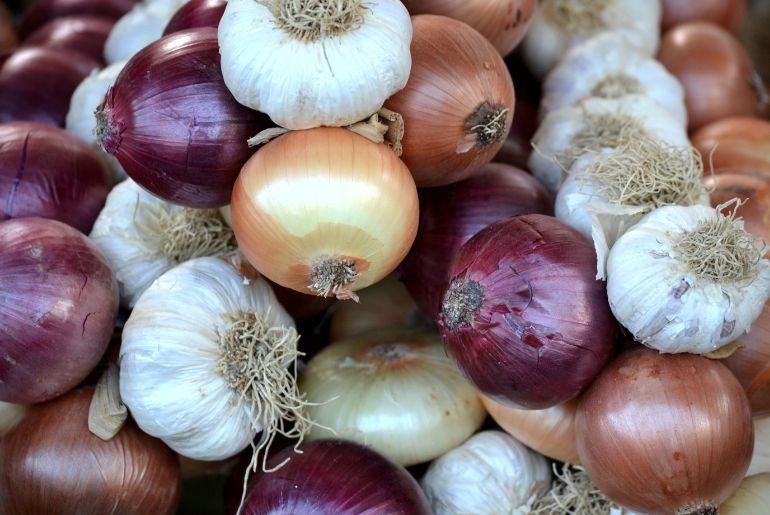
Onions and garlic belong to the Allium family and have sulfur-containing compounds that contribute to their distinctive flavor and aroma. They also contain fructans, a type of fermentable carbohydrate (FODMAP).
Scientific research shows that fructans can trigger bloating, abdominal discomfort, and gas in susceptible individuals, particularly those with irritable bowel syndrome (IBS) or other digestive sensitivities. However, these effects are not universal and most healthy people tolerate onions and garlic well.
Claims that onions and garlic significantly “heat the body” or inherently disrupt seasonal detoxification are rooted primarily in Ayurvedic theory rather than established biomedical evidence. Likewise, there is no scientific consensus that avoiding these foods during Shravan improves immunity in healthy individuals.
Nevertheless, fasting itself often leads people to consume simpler, lighter meals. Reducing rich, oily, or heavily seasoned foods during periods of intermittent fasting may help some individuals feel more comfortable digestively. In this context, avoiding pungent ingredients such as garlic and onions may complement the overall objective of eating modest, easily digestible meals while observing religious discipline.
What To Eat In Shravan Instead?
Traditional Shravan meals emphasize fresh, minimally processed Sattvic ingredients that are considered gentle and nourishing. Common fasting foods include fresh fruits, milk, curd, Sendha Namak (rock salt), sabudana (sago pearls), kuttu (buckwheat flour), and singhara (water chestnut flour). Regional customs and the type of fast being observed also influence this list.
To add flavor without onions or garlic, many households rely on ginger, cumin seeds, coriander leaves, green chillies, and asafoetida (hing). It is worth noting that some commercially available hing powders contain wheat flour, so individuals following strict fasting rules often choose pure compounded asafoetida where permitted by their tradition.
Also Read: Shravan in North India vs Shravan in West & South India: How Are They Different?
Summing Up
Avoiding onions and garlic during Shravan reflects a combination of spiritual discipline, Ayurvedic philosophy, longstanding religious traditions, and seasonal dietary habits. While modern science supports some digestive considerations associated with lighter monsoon meals, many of the deeper reasons remain matters of faith and cultural tradition.