
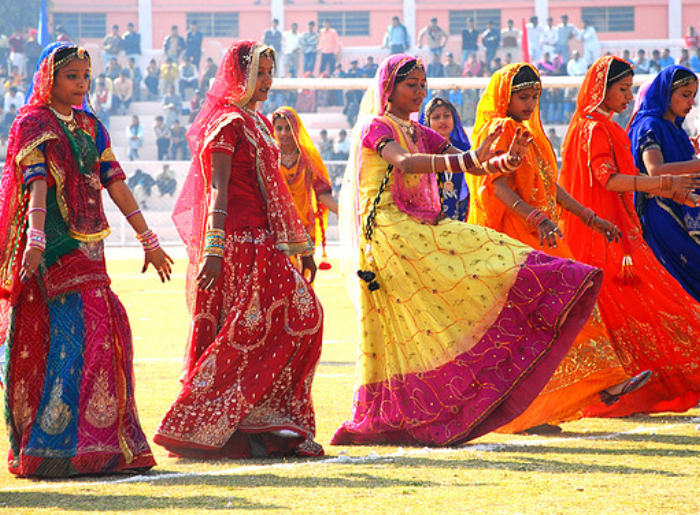
For centuries, the arrival of the monsoon has been celebrated across India’s villages as more than just the beginning of the rainy season. The first showers bring relief after scorching summers, nourish fields, replenish rivers, and mark the start of a new agricultural cycle. In many rural communities, this seasonal transformation is welcomed through rituals that blend faith, folklore, music, and community participation. While modern life has changed many traditions, several villages continue to observe these fascinating monsoon rituals, passing them from one generation to the next. Many of these customs also involve children, helping them understand the importance of water, nature, and gratitude from an early age. Here are some of the most unique monsoon rituals that continue to thrive in different parts of India.
Why Monsoon Rituals Hold A Special Place In Rural India
For farming communities, the monsoon has always determined the success of crops and, in turn, everyday life. Over time, villages developed rituals that celebrated the arrival of rain while expressing gratitude for nature’s abundance. These customs often brought entire communities together through songs, prayers, games, and shared celebrations.
Beyond their spiritual significance, many of these traditions also teach children to value rivers, wells, forests, and rainfall. By involving younger generations in these rituals, villages continue to preserve cultural heritage while encouraging respect for natural resources.
Also Read: Padmini Ekadashi 2026: Rituals For The Rare Adhik Maas Fast
1. Jhulelal Puja, Sindhi Communities
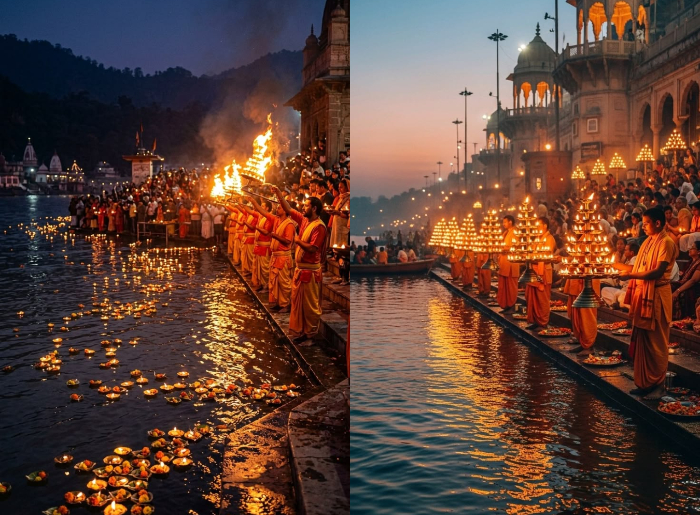
Among Sindhi communities, Jhulelal Puja is closely associated with gratitude for water, which is regarded as the source of life. Families gather near rivers, ponds, or wells, carrying flowers, grains, lamps, and other offerings. Children often take an active role by joining devotional songs and helping prepare the offerings before releasing floating diyas onto the water.
Watching the lamps drift across the surface creates a memorable experience for young participants while reinforcing the importance of protecting rivers and water bodies. Rather than simply observing the ceremony, children become part of a tradition that celebrates the life-giving role of water in everyday life.
2. Ganga Aarti, Uttarakhand
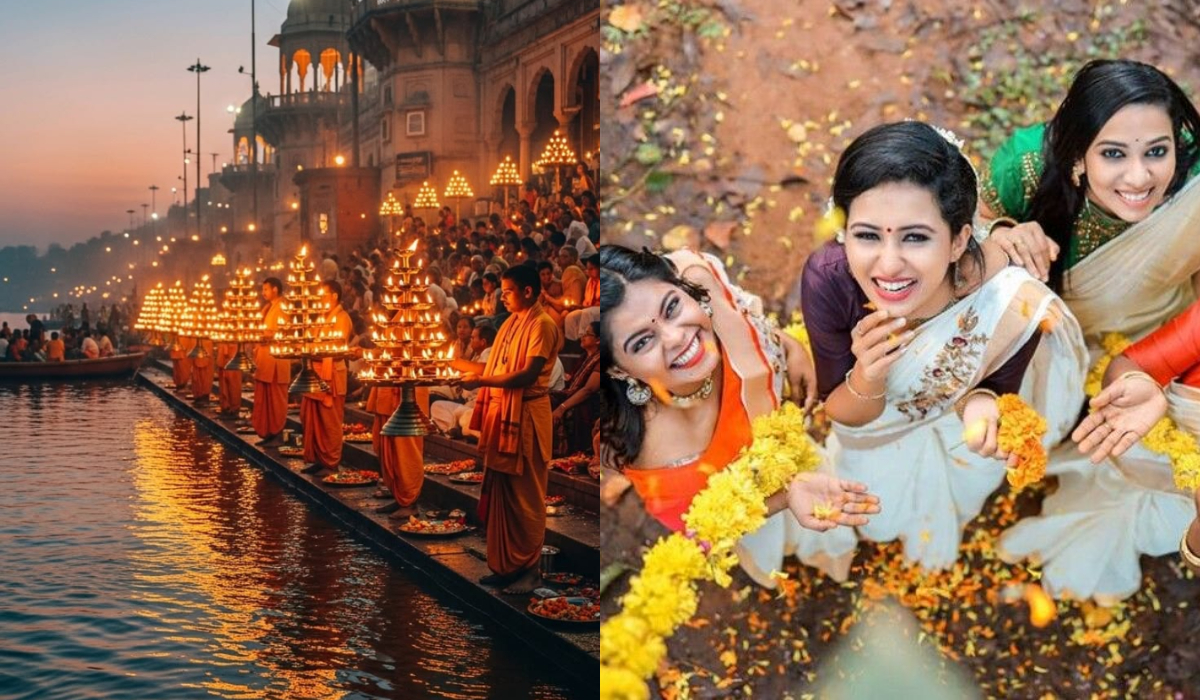
As evening falls in Uttarakhand’s temple towns, the banks of the Ganga come alive with devotional music and the glow of hundreds of lamps. Families gather along the ghats, where children sit beside their elders holding small diyas placed inside leaf bowls.
When the time comes, they gently release the lamps into the flowing river, creating a breathtaking display of light. For many children, this moment becomes their first lesson in respecting rivers as sacred lifelines that sustain communities. The ritual combines faith with a deep appreciation for nature, making it one of the region’s most cherished monsoon traditions.
3. Oonjal Attam During Aadi, Tamil Nadu
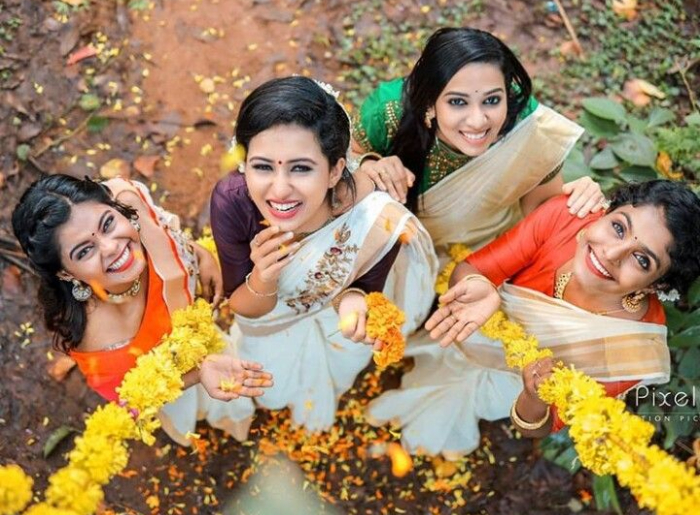
With the arrival of the Tamil month of Aadi, village trees are decorated with swings for Oonjal Attam, a joyful tradition celebrated during the monsoon season. Young girls dressed in colorful attire take turns swinging while singing traditional Aadi Paadalgal, songs that celebrate rainfall, fertile land, and prosperous harvests.
The celebration may appear playful, but it also reflects the close relationship between farming communities and the rains. Through music and shared festivities, children grow up understanding that a successful harvest depends on the arrival of timely monsoon showers.
4. Barse Ki Kheliyan, Madhya Pradesh
In parts of Madhya Pradesh, the first monsoon showers are welcomed with Barse Ki Kheliyan, a collection of traditional games played outdoors by children. Children gather in open fields, singing playful rain songs, pretending to sow seeds, and carrying small earthen pots to collect rainwater.
The games often end with children running through muddy fields, celebrating the arrival of the rains with laughter and excitement. Beyond the fun, the activities introduce children to farming traditions and help them understand how closely village life depends on a healthy monsoon.
5. Kuan Poojan, Rajasthan
In Rajasthan’s desert villages, where every drop of water is precious, wells are honored through Kuan Poojan at the beginning of the monsoon. Families decorate village wells with marigold garlands, colorful rangoli, and flowers while offering sweets and prayers for a season of abundant water.
Children proudly contribute by creating rangoli, carrying flowers, and singing folk songs around the well. The ritual reminds younger generations that groundwater is a valuable resource deserving of care and gratitude, especially in regions where water scarcity has shaped everyday life for centuries.
6. Frog Weddings In Eastern And Central India
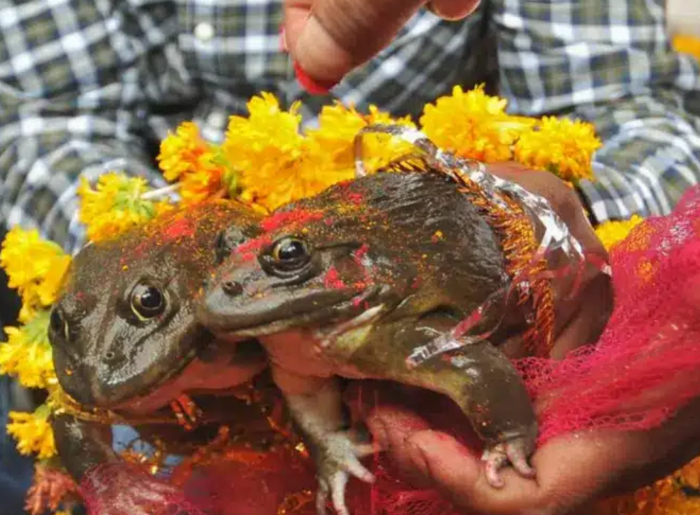
One of India’s most unusual monsoon traditions is the symbolic frog wedding, popularly known as Bhekuli Biya in some regions. Practiced in parts of Odisha, Assam, and Madhya Pradesh, villagers ceremonially “marry” two frogs before the rainy season while offering prayers for timely rainfall.
The custom is rooted in local folklore and has been observed for generations as a community ritual marking hope for a good monsoon. While the ceremony varies from region to region, it continues to reflect the deep cultural connection between rural communities and the rhythms of nature.
7. Rain Dance Of The Bhil Community
Among the Bhil tribal communities of western and central India, traditional rain dances are performed to welcome the monsoon and pray for balance in nature. Dressed in traditional attire and carrying bows and arrows, community members dance together while singing songs dedicated to nature and their ancestors.
These performances celebrate the arrival of rain while expressing gratitude for forests, fertile land, and the natural resources that sustain village life. The dances continue to be an important part of the community’s cultural identity and monsoon celebrations.
8. Parjanya Yagna, Telangana
In certain parts of Telangana, communities perform Parjanya Yagna, a traditional fire ritual dedicated to seeking timely rainfall. Priests chant Vedic hymns and perform prayers associated with Lord Varuna, who is revered in Hindu tradition as the deity connected with water and rain.
For villagers, the ritual represents hope for balanced rainfall and a successful farming season. Although practices may differ from one region to another, the ceremony continues to be observed as a collective expression of faith during the monsoon.
Also Read: Jagannath Puri Rath Yatra: History, Sacred Rituals, And Unknown Facts
What These Monsoon Rituals Teach Us Today
Many of these traditions have survived because they carry lessons that remain relevant even today. They encourage communities to respect rivers, protect wells, appreciate rainfall, and recognize nature’s role in sustaining life. By involving children through songs, games, and simple acts of participation, these rituals also ensure that cultural values are passed on naturally across generations.
At a time when conversations around water conservation and environmental awareness are becoming increasingly important, these age-old village customs offer a meaningful reminder that gratitude for natural resources has long been woven into India’s cultural heritage.
Summing Up
Indian villages continue to preserve the monsoon festive traditions that celebrate far more than seasonal rainfall. From floating lamps on rivers and decorating village wells to joyful rain songs and symbolic community rituals, each custom reflects a deep respect for nature and the life it sustains. As these practices continue to be passed from one generation to the next, they serve as enduring reminders that the monsoon has always been a season of gratitude, togetherness, and hope across rural India.