
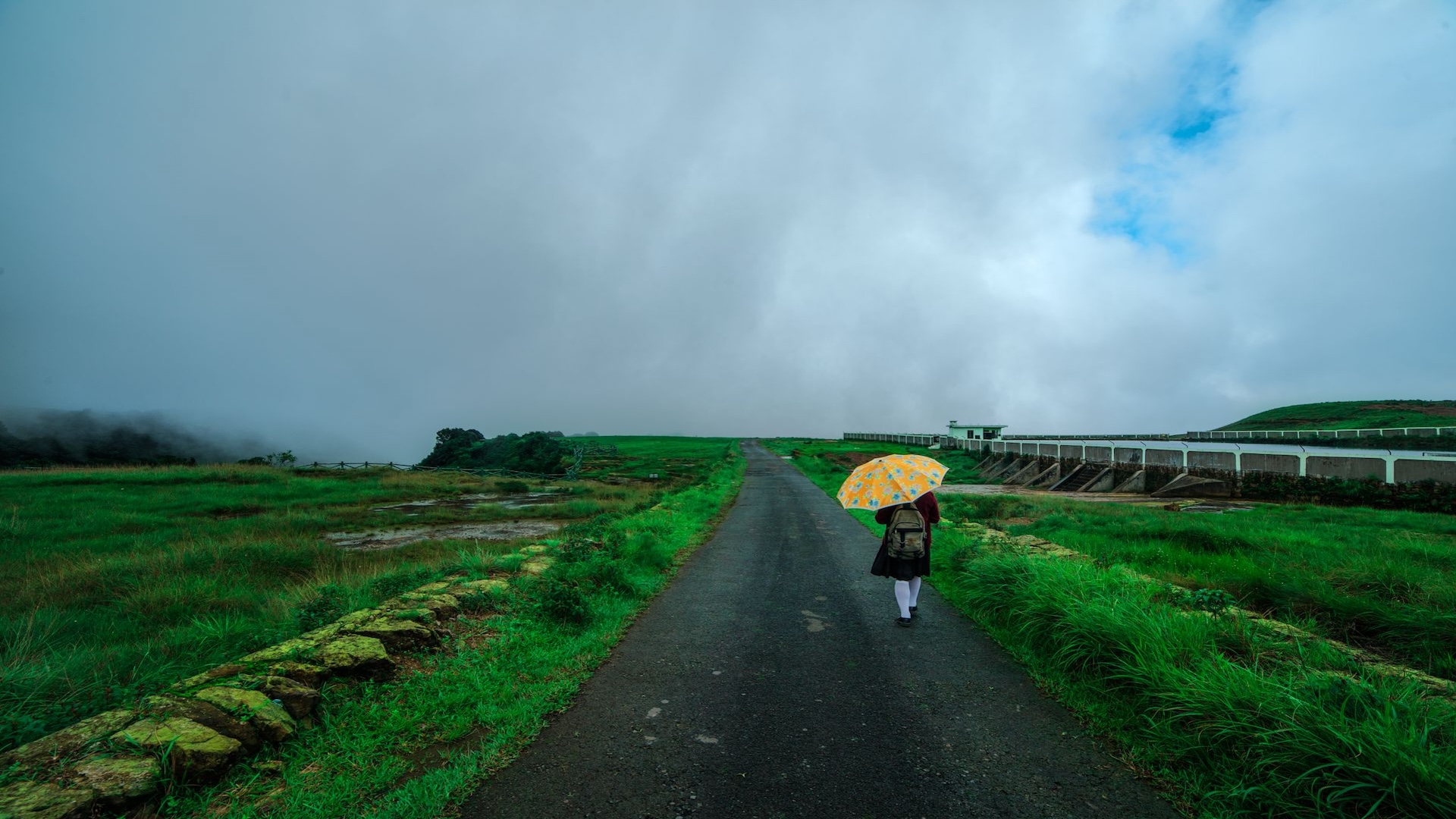
Meghalaya, literally meaning the abode of clouds, is the most aptly named place ever! Home to the wettest place on Earth, this Indian state is for true nature enthusiasts who are unafraid of its unrestrained, brute force. However, there are many who want to visit Meghalaya during the monsoon season but are faced with the question: Is it safe? The answer is an emphatic yes! Meghalaya is a safe place for you to visit as long as you heed the official warnings, keep an eye out for sudden weather changes, and go prepared. Here is a monsoon guide for Meghalaya and what to expect at the wettest place on earth during its rainiest season.
Meghalaya During Monsoon: What To Expect
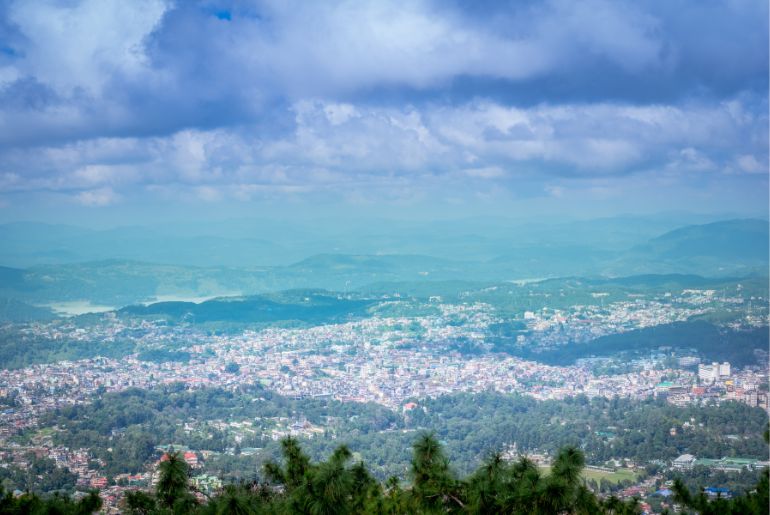
The peak monsoon season of Meghalaya is during the months of June, July, August, and September. The waterfalls are roaring, the rivers are gushing, and the temperature is a pleasant 17° C to 25° C. The air is also cool, refreshing, and damp.
It is perfect for escaping the warmer temperatures of the major cities in India. Since you will be visiting during the rainy season in one of the wettest places on Earth, expect A LOT of rain. This goes doubly if your itinerary includes places like Cherrapunji and Mawsynram.
However, this should not discourage you! Far from it, this results in an intricate interplay of thick, mystical fog, interrupted by heavy spells of rain, which give way to equally sudden and beautiful but brief clear skies! This interplay is worth witnessing at least once in your lifetime!
Other parts of Meghalaya have their own separate microclimates that are ultimately influenced by the larger climate trends of the state. While the southern plateaus are rain-heavy, hilly regions like Shillong are not as impacted by rain. Travelers looking for a bit of urban comfort can head to Shillong for a bit more vibrancy and relatively less rain.
Also Read: First Glass House Restaurant Inaugurated In Mawrah, Meghalaya
How Safe Is Meghalaya During Monsoon?
Meghalaya, during the monsoon season, is mostly very safe. While certain parts of the region can be dangerous, especially during bouts of heavy rain, if you are cautious, smart, and stick to the safer regions, traveling to Meghalaya during the monsoon season can be an adventurous experience.
Having said that, heavy rains in Meghalaya often bring landslides, especially on highways built on or near mountains. As such, it is better to avoid landslide-prone zones in the region. Furthermore, the misty fog of the region can also be a nuisance while driving. Avoid areas with extremely low visibility, especially if they also have hairpin turns.
The same tips are advised to those planning on trekking deep into the dense forests of Meghalaya. If you are new to trekking and directionally challenged, it is highly recommended that you trek with a local guide. Avoid slippery trails and make sure you wear high-grip shoes!
Also Read: Explore Khaddum Falls & The Hidden Krem Chympe Caves Of Meghalaya
Best Places To Visit In Meghalaya During Monsoon
- Cherrapunji: One of the wettest places in Meghalaya, it is perfect for trekking and people who love chasing waterfalls. Both the Nohsngithiang (Seven Sisters Waterfalls) and the Nohkalikai Waterfall are in full glory during the monsoon season.
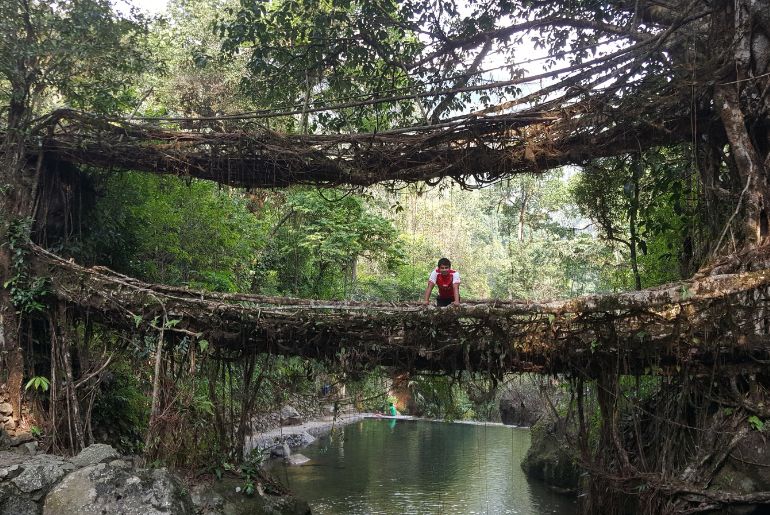
- Nongriat Village: If what drove you to visit Meghalaya was the super Instagrammable living root bridge, Nongriat Village is its home. During the high-humidity season, this bridge is at its lushest.
- Mawlynnong Village: Famed as the cleanest village in India, it is a prime destination for those seeking sustainable travel destinations. Expect forests draped with moss, seasonal flowers in full bloom, and rain-washed pathways.
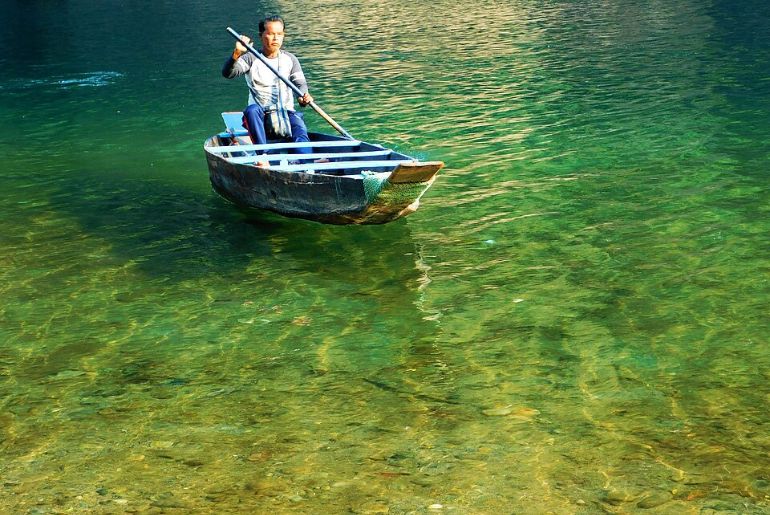
Note: You may have noticed a conspicuous lack of the Dawki (Umngot) River. This is not an oversight but a deliberate move. If you’re visiting Dawki in the monsoon and expecting crystal clear water and the ‘floating boat’ effect, you’ll be disappointed. During the monsoon, the dawki is murky owing to the gushing flow of the river that disturbs the river bed and muddies the water.
Also Read: Wangala Festival Of Meghalaya: The Dance Of 100 Drums
Essential Meghalaya Monsoon Travel Tips
- If you’re driving in or to Meghalaya, make sure you do so strictly during the daytime. Driving at night can be extremely risky.
- If you’re using a car to get around town, make sure you hire an experienced local driver. They are the ones who are most familiar with the terrain, making them a reliable resource.
- Make sure you carry heavy-duty raincoats, wind-cheaters, or ponchos. If you take an umbrella, you can reliably and miserably expect it to fail.
- Make sure you carry anti-fungal powder. The weather here is very humid, and it may aid in developing fungal infections.
- For connectivity, it is better to stick to a provider like Airtel or Jio that offers reliable connectivity even in the remotest parts of the state.
- High-quality, high-grip shoes are a must, not a suggestion. Many places are slick with rain. Slipping and injuring yourself is always a danger. And given how far-flung Meghalaya is, there are very few reliable hospitals that are readily accessible.
- Always check the weather forecast for any place you’re visiting. If extremely heavy rainfall is predicted at a high-risk location, it is better to avoid or postpone visiting it.
- Lastly, make sure you plan your itinerary flexibly enough to account for weather-related delays.
Also Read: Meghalaya Travel Guide
Summing Up
One thing is crystal clear (obviously not the water in the Umngot River), Meghalaya during the monsoon is not about chasing clear skies with an occasional light shower. It is about witnessing the raw, powerful majesty of nature, unrestrained by human influence. This experience is for those who are willing to accept nature in its wildest form and are willing to surrender to it. While journeying through this mystical land of clouds is unforgettable, it is equally important to stay safe. High-grip socks and rain-resistant clothing are your best friends. And don’t forget to keep an eye on the weather forecast the entire time you’re there.