

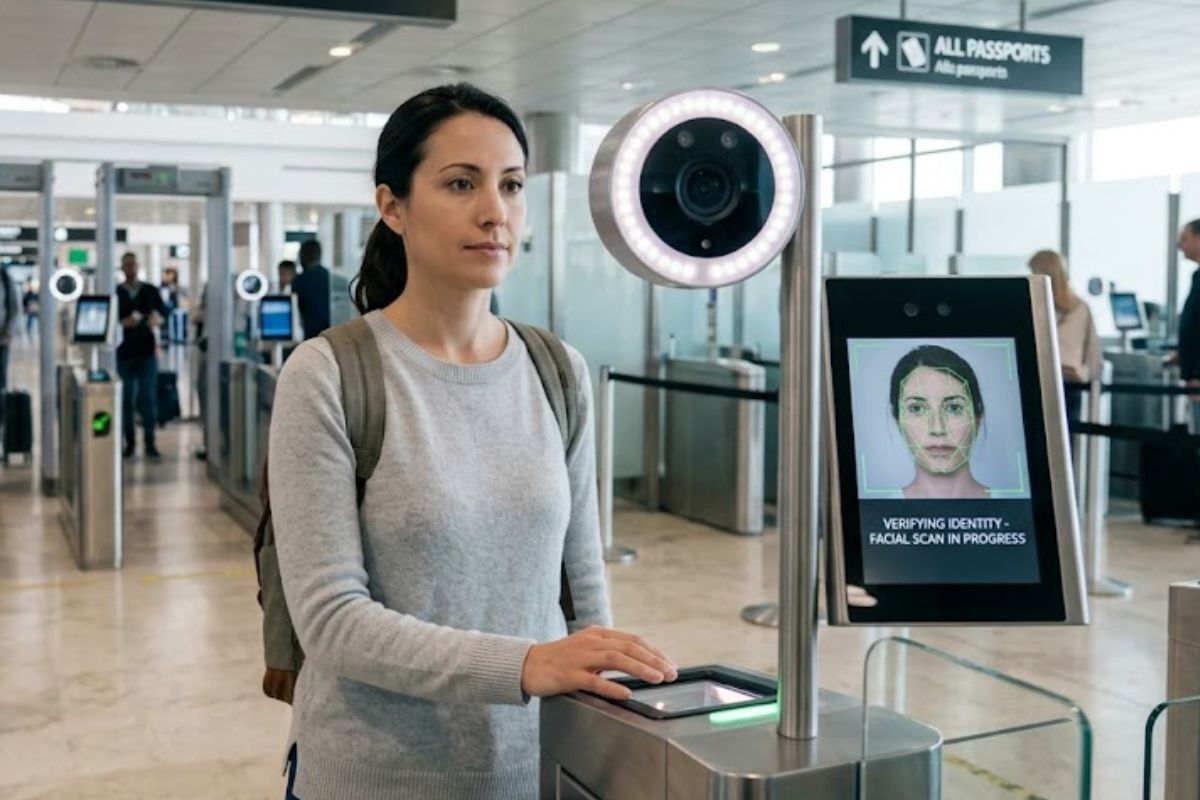
The Ministry of Civil Aviation (MoCA) has now made using the DigiYatra biometric transit system mandatory for international passengers. Using this system is imperative at four key Indian airports. These airports are the ones located in India’s metro cities, namely Bengaluru, Delhi, Mumbai, and Hyderabad. This move is set to streamline the movement of passengers using facial recognition technology. Here’s everything you must know about this new development.
DigiYatra Biometric Transit Mandatory At Indian Airports
Under this system, the face of every passenger will serve as their unique digital identity token. It will enable seamless access to the passengers without repeated document verification through the airport’s security checkpoints, entry gates, and boarding areas.
The Indian government is also planning to expand DigiYatra coverage to about 27 more airports by the upcoming year. This initiative by MoCA is a part of India’s broader aviation modernisation strategy. This strategy is aimed at offering a seamless, contactless, and paperless travel experience to all passengers.
Also Read: Mumbai Airport Sees 6.3M DigiYatra Users As Passengers Shift To Self-Check-In And Baggage Drop
Various airlines like Air India, Vistara, and IndiGo have already updated their pre-departure emails with information about the DigiYatra biometric transit system. Along with this, the global carriers have issued operational bulletins for mandatory implementation to ground staff.
This system came into practice on 1st June and is currently operational across dozens of airports across the nation. It has also recorded over 10 crore passenger journeys.
View this post on Instagram
Also Read: DGCA Issues Stricter Rules For Shooting Content Across Indian Airports
Details Of The DigiYatra Biometric Transit System
Here’s how the DigiYatra Biometric Transit System exactly works:
- The passengers must upload their boarding pass and an Aadhaar-verified selfie on the DigiYatra app. This process must be completed at least 48 hours before departure by the passenger themselves.
- They can access the dedicated biometric e-gates after arriving at Delhi, Mumbai, Bengaluru, or Hyderabad airports.
- Their image gets stored in the DigiYatra cloud in the form of an encrypted biometric template. Now, the facial recognition cameras at the biometric e-gates will match the live image of the passenger with the encrypted biometric template stored in the DigiYatra cloud.
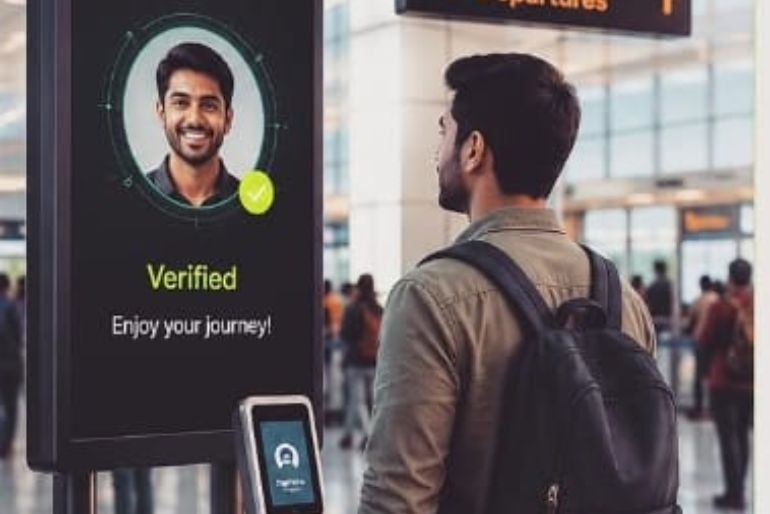
- After successfully verifying the candidate’s image, the e-gate will automatically grant access to the international transit corridor.
- Passengers, with this new system, will no longer have to repeatedly scan their paper boarding passes during the transit process. In this way, this transit system will help in speeding up the movement of passengers. It will also help in reducing congestion at key checkpoints.
Also Read: IGI Airport In Delhi To Introduce India’s First Driverless Air Train
Summing Up
The MoCA has made the use of the DigiYatra biometric transit system mandatory at four key airports in India. This system will help in reducing the number of passengers at checkpoints by speeding up the movement of the passengers.