


Every year on June 5, World Environment Day is a reminder that encourages people around the world to think about the impact human activity has on our planet. From climate change and biodiversity loss to pollution and unsustainable agricultural practices, the day serves as a reminder that environmental protection requires long-term commitment rather than short-term solutions.
Sikkim, nestled in the Eastern Himalayas, is an Indian state that has become globally recognized for achieving something few regions have managed on such a large scale. It is now recognized as the only fully organic state in India, and it continues to be one of the strongest examples of how sustainable environmental policy, agriculture, and community participation can work together and create lasting change.
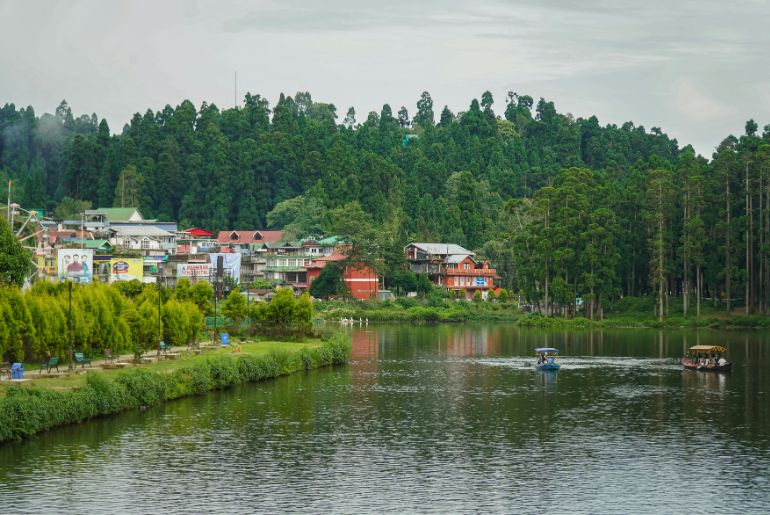
How Sikkim Became The World’s First Fully Organic State
In 2003, the Sikkim state government announced a plan to move away from chemical-intensive farming and towards entirely organic agriculture. While this decision was considered ambitious at first, mainly because agriculture remained an important source of income for thousands of families.
As the government gradually phased out chemical fertilizers and pesticides, rather than pursuing a rapid transition, authorities adopted a phased approach that included farmer training programs, organic certification support, awareness campaigns, and financial assistance. Institutions such as the Sikkim Organic Mission and the Sikkim State Organic Board played a crucial role in helping farmers adapt to new agricultural methods.
Thousands of farmers across the state have had to learn alternative farming techniques, while agricultural systems that had relied on synthetic inputs for years needed to be redesigned. By 2016, the state successfully completed the certification of all its agricultural land, becoming the world’s first fully organic state. Today, more than 76,000 hectares of farmland are cultivated without synthetic fertilizers or pesticides.

What Makes Sikkim Different From Other Indian Destinations
Many destinations promote eco-tourism initiatives or sustainable travel experiences; however, Sikkim operates on an entirely different scale. Sustainability is not confined to a few hotels, farms, or tourism projects but rather is embedded within the state’s agricultural framework and influences everyday life across communities.
The use and sale of chemical fertilizers and pesticides have been banned throughout the state. Farmers rely on composting, organic manure, crop rotation, natural pest-control methods, and biodiversity-friendly farming practices. This means that visitors are not simply experiencing isolated organic farms. They are visiting a destination where environmental stewardship has become part of the larger identity of the region.
The Environmental Benefits Of Going Organic
One of the most visible outcomes has been improved the health of the soil. Without the repeated use of chemical fertilizers, soil ecosystems began to recover and maintain long-term fertility. This reduction in synthetic chemicals has also contributed to cleaner water systems and healthier ecosystems. Sikkim’s mountainous geography makes environmental conservation particularly important because agricultural runoff can directly affect rivers, streams, and fragile Himalayan landscapes.
Organic farms often support a wider variety of insects, birds, and beneficial organisms than conventional agricultural systems. In a biodiversity-rich region such as the Eastern Himalayas, preserving these ecological relationships plays an important role in maintaining environmental balance.
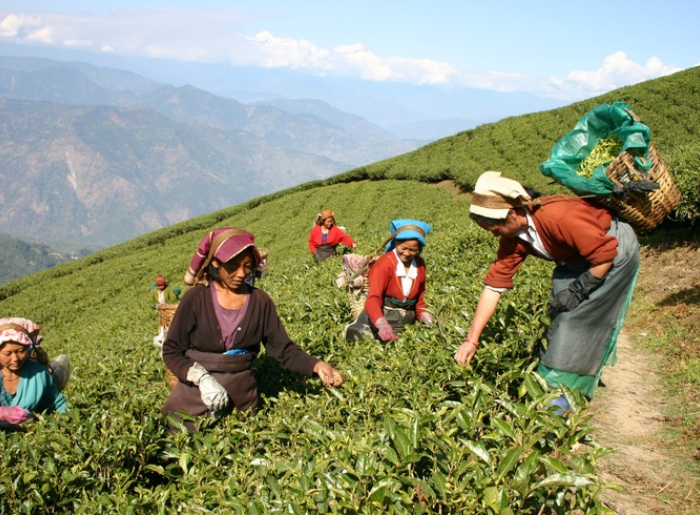
How Organic Farming Shapes Everyday Life In Sikkim
Unlike destinations where sustainability exists primarily within tourism spaces, organic farming remains closely connected to local communities and livelihoods. Agriculture continues to support a significant portion of the population, and many families cultivate crops such as large cardamom, ginger, turmeric, maize, buckwheat, vegetables, and fruits using organic methods. Local markets across the state showcase how the produce grown without synthetic chemicals creates a direct connection between farmers and consumers.
Visitors often encounter organic farming not through organized tours but simply through everyday experiences, whether that involves visiting local markets, interacting with farming communities, or enjoying meals prepared with locally grown ingredients.
What Travelers Can Experience In Organic Sikkim
The state remains one of India’s most beautiful destinations, offering dramatic mountain landscapes, Buddhist monasteries, alpine valleys, and vibrant local culture. People can explore places like Gangtok, Pelling, Namchi, Ravangla, Yumthang Valley, Tsomgo Lake, and Yuksom while experiencing a region that has actively prioritized environmental conservation and the well-being of their people.
The state’s relatively clean environment, lower chemical dependency, and focus on sustainability contribute to an experience that feels noticeably different from many other destinations. For those interested in responsible travel, Sikkim offers an opportunity to see how environmental policies can help create real influence for communities rather than simply using it as a tourism gimmick.
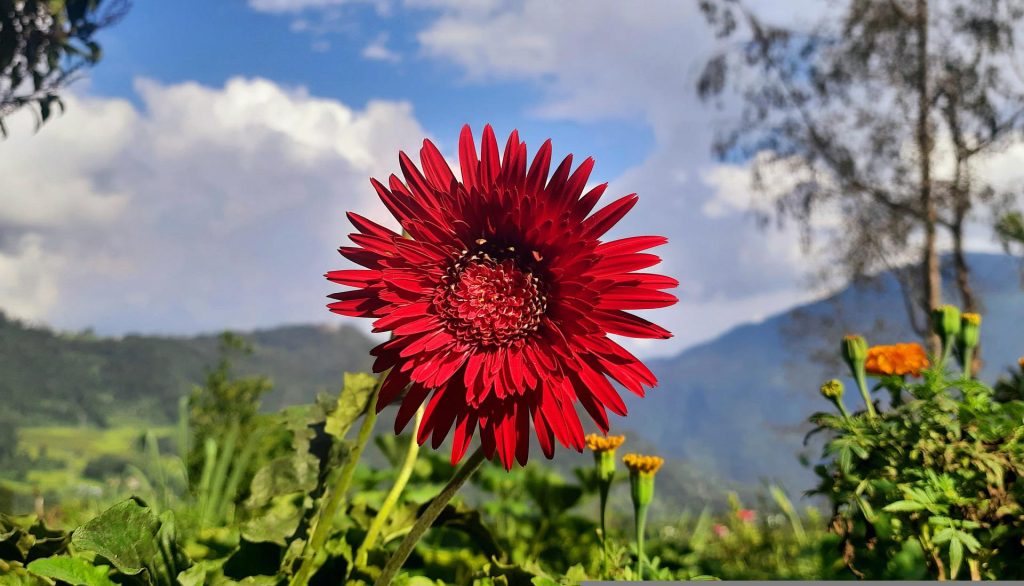
The Challenges Behind Maintaining Organic Status
While the initiative has been a success, it has not come without its drawbacks. One of the biggest challenges has been maintaining agricultural productivity during the shift away from conventional farming methods. Initially, farmers experienced lower yields as they adapted to organic practices and learned to manage crops without chemical inputs.
While organic products often command higher prices, certification processes, transportation costs, and limited access to premium markets tend to create challenges for farmers. Reports have also highlighted concerns around profitability and the long-term economic sustainability of organic farming for certain agricultural communities.
Climate change presents another major factor to consider as mountain ecosystems are particularly vulnerable to changing weather patterns, unpredictable rainfall, and extreme weather events. Ensuring that organic agriculture remains resilient in the face of these challenges will continue to require policy support and innovation.
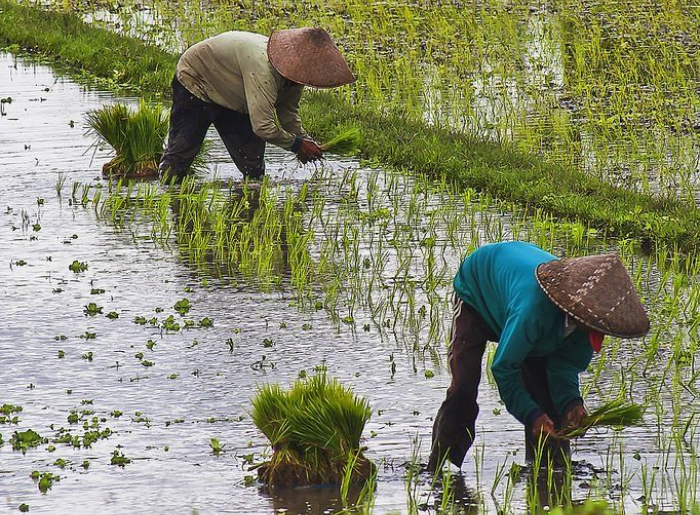
Why Sikkim Matters Beyond India
Sikkim’s achievement has attracted international attention because it demonstrates that large-scale organic agriculture is possible when supported by long-term political commitment and community participation. The state’s efforts have been recognized globally, including receiving the Future Policy Gold Award from the Food and Agriculture Organization of the United Nations.
More importantly, Sikkim has become a case study for governments, environmental organizations, and agricultural experts looking to understand how sustainable farming can be implemented at scale. While not every region can replicate Sikkim’s model exactly, its experience provides valuable lessons about environmental leadership, policy consistency, and community engagement.
As countries around the world search for ways to create more sustainable food systems, Sikkim continues to offer an example of what long-term commitment can achieve.

Summing Up
World Environment Day often encourages people to imagine what a more sustainable future could look like. In many ways, Sikkim provides a glimpse of that future today. Through years of planning, policy reform, farmer participation, and environmental commitment, the state successfully transformed its agricultural landscape while preserving its natural heritage.
For travelers, Sikkim offers far more than scenic mountain views and cultural experiences. It provides an opportunity to visit a destination where sustainability is not simply an aspiration but an established way of life. As environmental awareness continues to shape how people travel and interact with the world, Sikkim remains one of the most compelling examples of responsible development anywhere in India.