
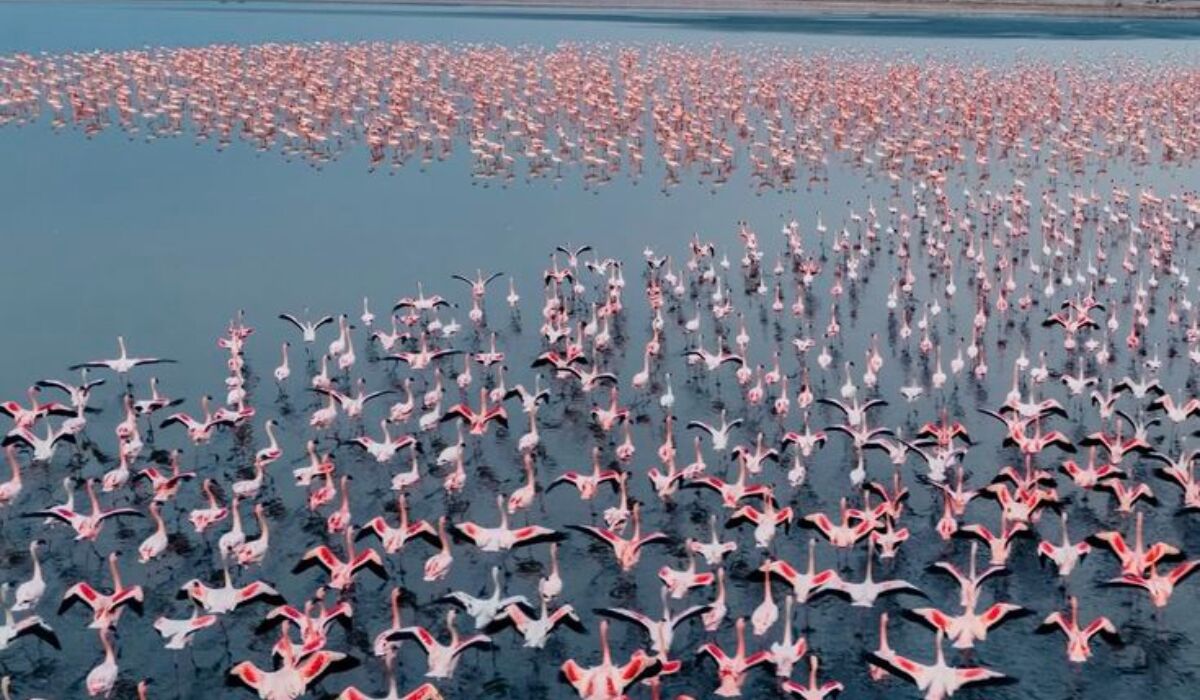
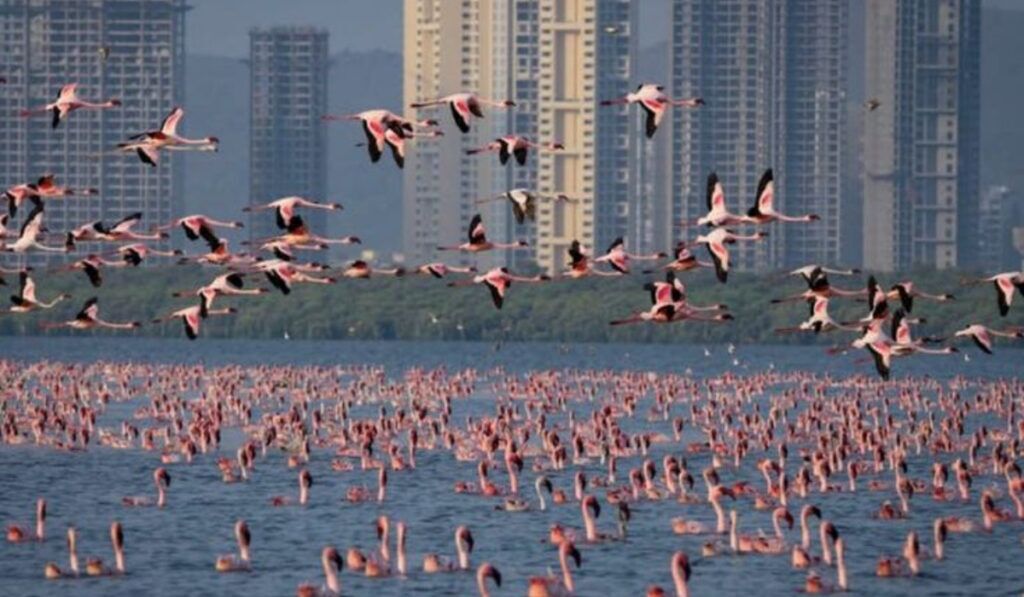
Mumbai transforms into an unexpected paradise for birdwatchers every year as thousands of flamingos migrate towards the creeks, mudflats, and wetlands in and around the city.
As of May 2026, flamingo sightings across the Mumbai Metropolitan Region are once again at their peak, especially around the Thane Creek mudflats. From Navi Mumbai’s wetlands and Palm Beach Road stretches to Sewri’s mangrove zones and Airoli’s protected sanctuary, several areas have become major hotspots for birdwatchers, photographers, and nature lovers.
The flamingo migration season typically runs from November to May, with the best sightings happening during high tide in the early morning hours.
Why Do Flamingos Migrate To Mumbai?
The coastal wetlands, mangroves, mudflats, and creek systems create a natural feeding ground for migratory flamingos. The Thane Creek region in particular has become one of the most important flamingo habitats in India because of its nutrient-rich waters and shallow tidal ecosystem.
The yearly arrival of flamingos is also a reminder of the ecological importance and need to preserve wetlands and mangrove ecosystems against rapid urbanization.
How Did The 2020 Lockdown Impact Flamingo Migration In Mumbai?
During the 2020 lockdown, flamingos unexpectedly became one of Mumbai’s most talked-about sights. As the roads emptied due to pandemic restrictions, thousands of flamingos were spotted across wetlands in Sewri, Thane Creek, and Navi Mumbai in much larger numbers than usual. For many residents stuck indoors, the sudden appearance of these bright pink birds felt strangely calming during an otherwise uncertain time.
Environmentalists and birdwatchers believed the increase in flamingo activity was linked to quieter surroundings, reduced pollution, and less human disturbance around the wetlands. Photos of flamingos standing against Mumbai’s unusually empty skyline quickly spread across social media and became one of the defining visuals of 2020. More than anything, their arrival reminded people how closely nature and urban life are connected, even in a fast-moving city like Mumbai.
Where Can You Watch Flamingos In Navi Mumbai?
Seawoods Flamingo Point (NRI Wetlands)
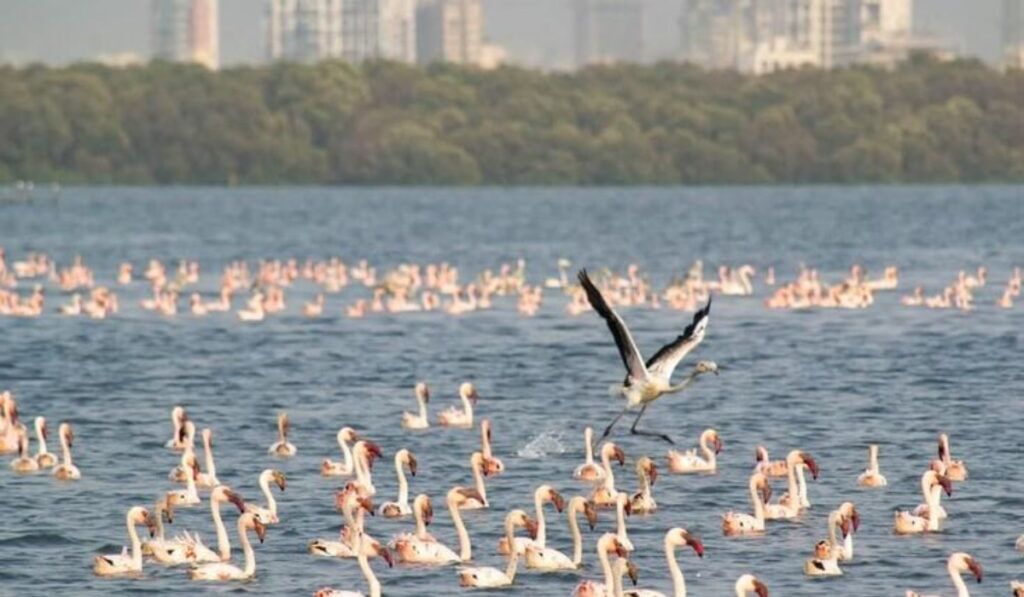
One of the most accessible flamingo-viewing spots in Navi Mumbai is the Seawoods Flamingo Point near Delhi Public School. The area features a wooden bridge walkway extending into the wetlands, allowing visitors to observe flamingos feeding peacefully across the mudflats. Since the spot is free to access and easy to reach, it has become one of the most popular locations for photographers and casual visitors alike.
Karave Flamingo Point / T.S. Chanakya
Located near Nerul jetty, Karave Flamingo Point is considered one of the most important habitats for both Lesser and Greater flamingos. The creekside area attracts large flocks throughout the migration season, especially during sunrise. Several birdwatchers prefer this location because of its quieter atmosphere and uninterrupted wetland views.
Palm Beach Road Wetlands
The mudflats and creek stretches along Palm Beach Road frequently attract thousands of flamingos during peak migration season. What makes this location unique is the dramatic visual contrast between urban infrastructure and wildlife. It is one of the few places where visitors can witness large congregations of flamingos against the backdrop of Navi Mumbai’s skyline.
Thane Creek Flamingo Sanctuary, Airoli
Among the most organized flamingo experiences in the city, the Thane Creek Flamingo Sanctuary in Airoli remains one of Mumbai’s best birdwatching destinations. Managed through the Coastal and Marine Biodiversity Centre, the sanctuary offers guided flamingo boat safaris that take visitors deep into the mangrove ecosystem for close-up sightings. Along with flamingos, visitors often spot kingfishers, egrets, herons, and several migratory bird species.
Where Can You Watch Flamingos In Mumbai?
Sewri Mangrove Park
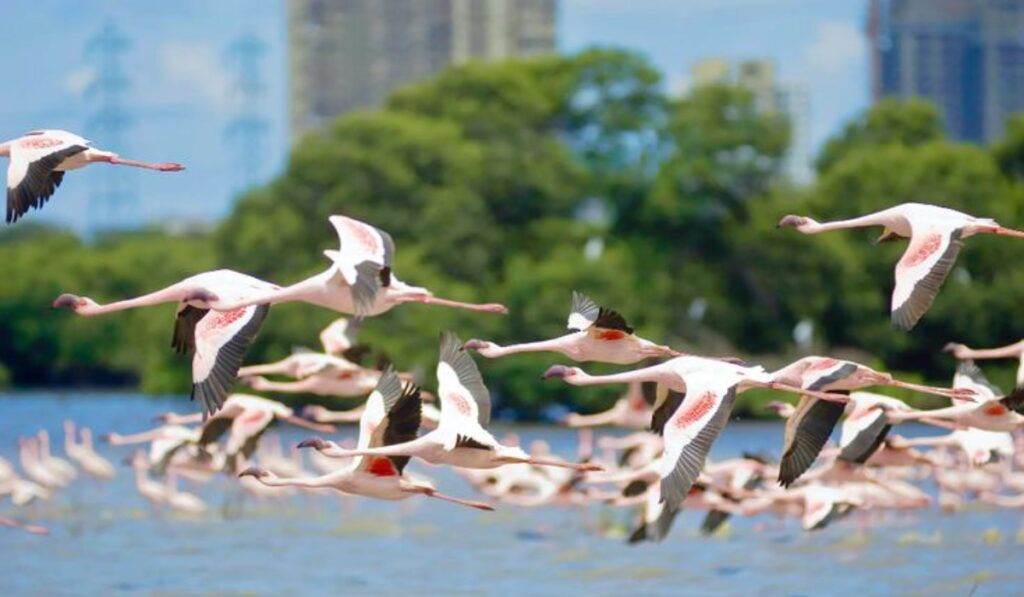
Located near the eastern waterfront of Mumbai, Sewri has traditionally been one of the city’s oldest flamingo-viewing spots. The mudflats near Sewri Mangrove Park attract large flamingo populations every year, especially during peak migration months. For South Mumbai residents, Sewri remains one of the easiest places to experience flamingo sightings without traveling far into Navi Mumbai.
Bhandup Pumping Station
For visitors looking for a quieter birdwatching experience, Bhandup Pumping Station offers a peaceful alternative.
The wetland area surrounding the pumping station often hosts guided birdwatching walks and attracts flamingos along with several other migratory species. The relatively calm environment makes it ideal for nature enthusiasts who prefer slower, more immersive birding experiences.
When Is The Best Time To Watch Flamingos In 2026?
The flamingo season in Mumbai generally lasts from November to May, although sightings are strongest between January and May.
Catching the high tide is important for successful flamingo spotting. Birds stay much closer to the shoreline while feeding. The best time to try and spot them is between 6:00 AM and 10:00 AM or during the late afternoon before sunset.
Visitors planning flamingo-watching trips should carry binoculars or zoom lenses for a better viewing experience. Comfortable footwear is also recommended since several wetland areas involve walking on uneven or muddy terrain.
Summing Up
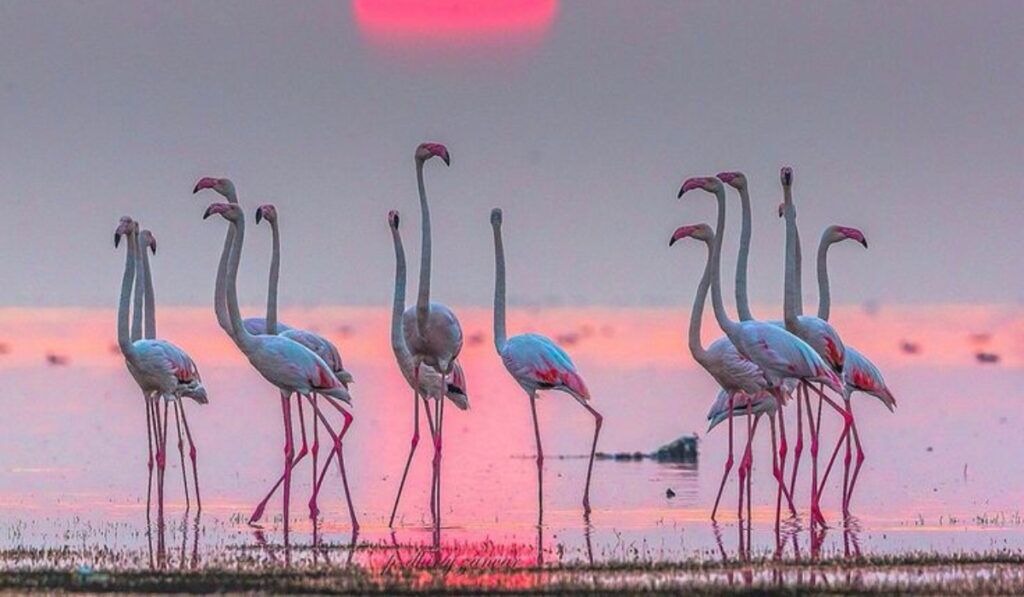
Mumbai’s flamingo migration is one of the rare moments when nature quietly takes over the city. Watching thousands of pink flamingos gather across the creeks and wetlands of Mumbai and Navi Mumbai feels almost unreal against the chaos of urban life.