

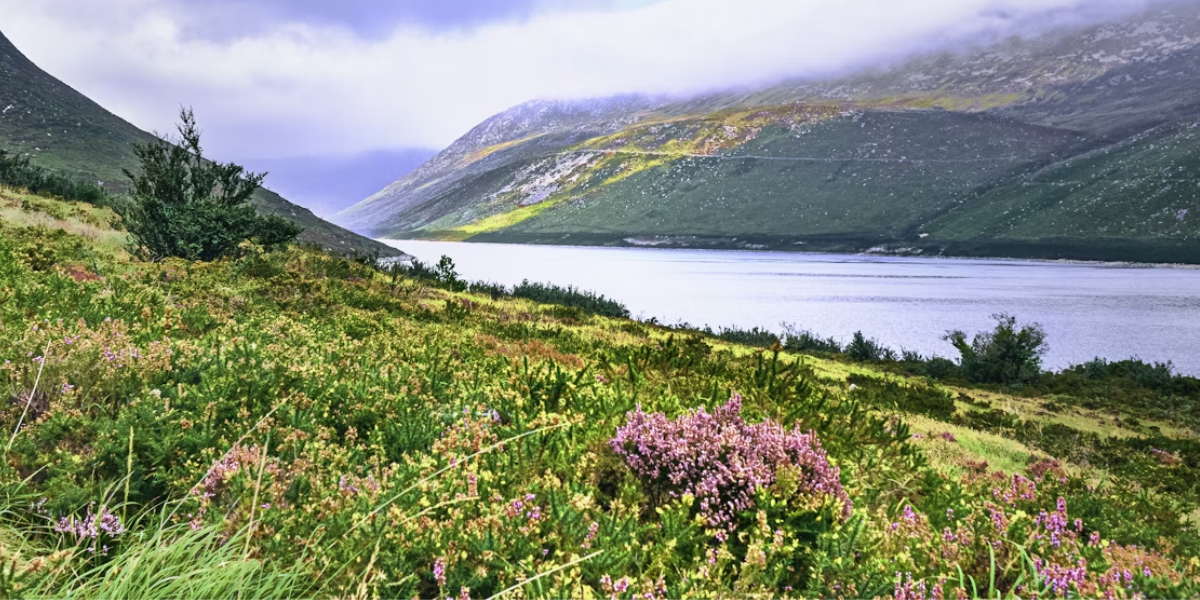
The Valley of Flowers National Park in Chamoli, Uttarakhand, is one of India’s most iconic monsoon treks, known for its surreal alpine meadows, waterfalls, and rare Himalayan flora. But planning it right for 2026 requires more than just picking dates. From permits to routes and travel logistics, here is a complete, updated guide that covers everything in detail.
Valley Of Flowers Trek 2026 Guide
Valley of Flowers 2026 Opening Dates
The park officially opens every year on June 1 and remains accessible till the end of October, depending on weather conditions.
For 2026, the expected season is:
Opening date: June 1, 2026
Closing window: Late October 2026
However, not all months offer the same experience. While June marks the beginning of access, the valley is not in full bloom yet.
Also Read: Best Treks Near Rishikesh For Beginners: No Experience Needed, Just 2 Free Days
Best Time To Visit (Month-by-Month Breakdown)
The best time depends on what you want to see.
June (Early Season)
Fresh greenery, melting snow patches, and fewer crowds. Flowers are just starting to bloom.
July to September (Peak Season)
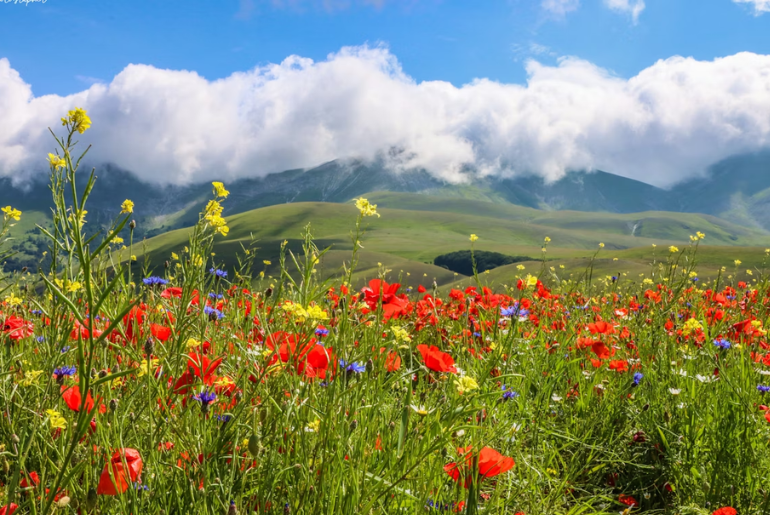
This is the best time to visit. The valley transforms into a carpet of colourful flowers, thanks to the monsoon. Expect lush landscapes, waterfalls, and the highest biodiversity.
October (End Season)
Flowers fade, but the landscape turns golden and quiet. Weather becomes colder, and the trek feels more peaceful.
Permit Details 2026 (Latest Process)
Entry to the Valley is strictly regulated to protect its fragile ecosystem.
Permit is mandatory for all visitors and is issued by the Forest Department at Ghangaria or online. The price for permit is as follows-
Indian citizens: approx INR 200 per day
Foreign nationals: approx INR 800 per day
Also Read: Best Time For Kashmir Great Lakes Trek: Complete Guide 2026
Key rules you should know:
Entry allowed only between 7 AM and 2 PM
Exit required before evening
No overnight stay inside the valley
No camping allowed inside the park
Permits are date-specific, so you must plan your itinerary in advance. You will need a valid government ID to obtain one.
Trek Route Explained (Step-by-Step)
The trek is around 37 km in total and usually takes 5 to 6 days including travel.
Day 1: Rishikesh to Govindghat
Start from Rishikesh and drive to Govindghat. The journey takes about 9 to 10 hours via scenic mountain roads.
Day 2: Govindghat to Ghangaria
Drive to Pulna, then begin the 13 to 14 km trek to Ghangaria.
This is the base village for both Valley of Flowers and Hemkund Sahib.
Day 3: Ghangaria to Valley of Flowers
A 3 to 4 km trek leads you into the valley. Once inside, you can explore a stretch of 6 to 7 km filled with alpine flowers and streams.
Day 4: Optional Hemkund Sahib Trek
A steep 6 km climb takes you to Hemkund Sahib at over 14,000 ft.
Day 5-6: Return Journey
Descend back to Govindghat and drive to Rishikesh.
How To Reach From Rishikesh
Reaching the trek base is a journey in itself.
By Road
Rishikesh to Govindghat is about 270 km and takes 9 to 10 hours. You can take:
Shared taxis
Private cabs
Uttarakhand state buses
The route passes through Devprayag, Rudraprayag, and Joshimath, offering stunning Himalayan views.
By Train
Nearest railway station: Rishikesh
From there, continue by road.
By Air
Nearest airport: Jolly Grant Airport, Dehradun
Then travel by road to Govindghat.
Difficulty Level And Altitude
The trek is considered moderate. It is not technical but requires good stamina.
Starting altitude: 6,000 ft (Govindghat)
Valley altitude: 12,000 ft
Hemkund Sahib: 14,100 ft
Expect long walking hours and gradual ascents.
What Makes This Trek Special
The valley lies inside the Nanda Devi Biosphere Reserve and is a UNESCO World Heritage Site. It is home to hundreds of species of flowers, including rare Himalayan blooms.
During peak season, the valley feels almost unreal, with rivers cutting through endless fields of blooms, mist rolling in, and waterfalls appearing after every turn.
Summing Up
The Valley of Flowers trek in 2026 is not just about reaching a destination. It is about timing it right, planning permits in advance, and understanding the route in detail. From Rishikesh to Ghangaria and into the valley, every step builds up to a landscape that feels untouched and almost dreamlike.
If you plan it well, especially between July and September, this trek easily becomes one of the most rewarding travel experiences in India.


2 Responses