

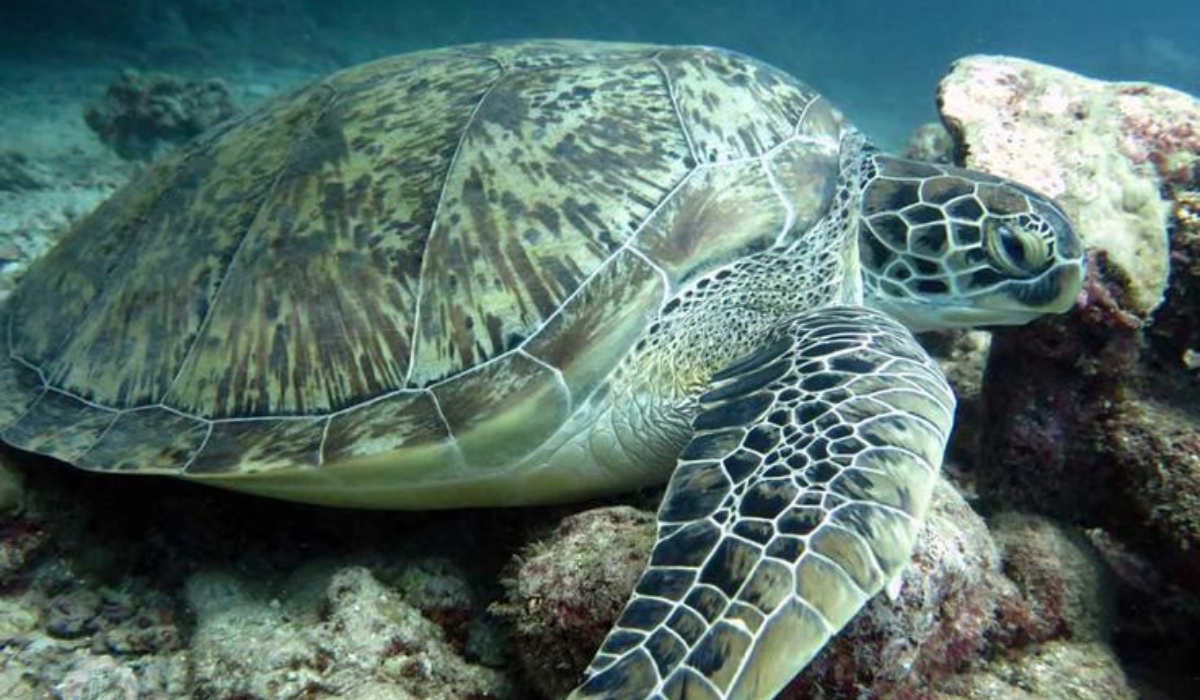
World Turtle Day, celebrated on May 23rd annually, is a day dedicated to the safety and protection of turtles and tortoises. Raising awareness about their rapidly disappearing habitats.
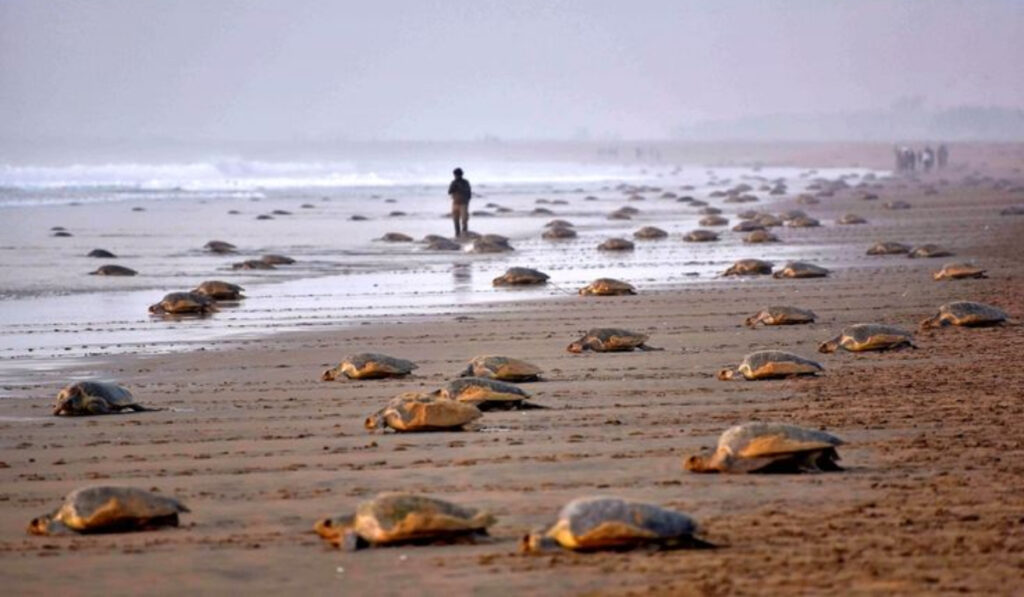
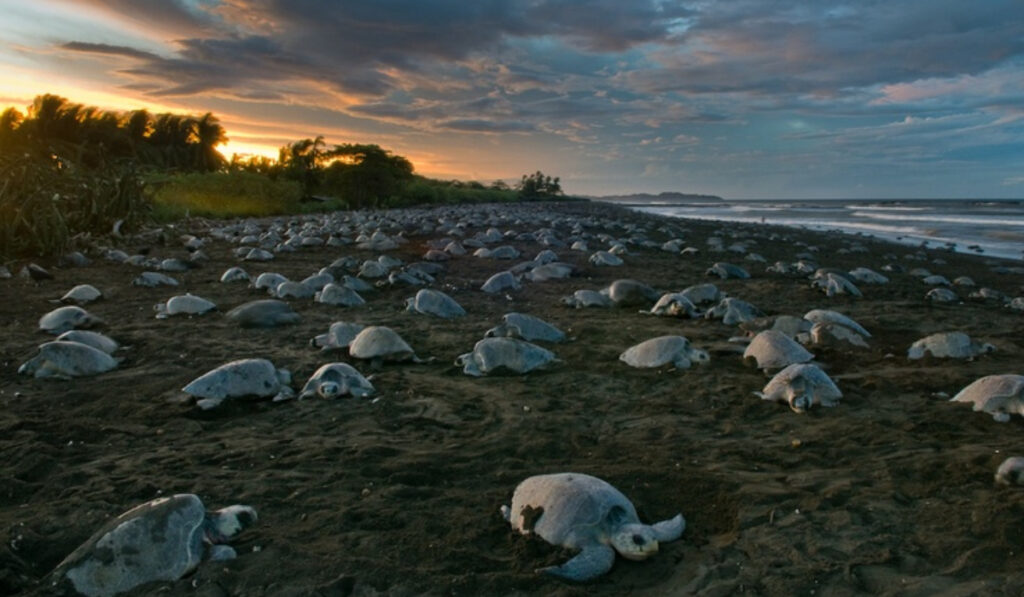
In India, the day also draws attention to Olive Ridley turtles, which arrive along parts of the country’s coastline between January and May for nesting season, especially along Odisha’s coast. These turtles are known for arribada, a mass nesting phenomenon where thousands of females return to the same beach to lay eggs together, usually at night. Along the west coast, nesting is more scattered, but beaches in Maharashtra, Goa, Karnataka, and Tamil Nadu continue to remain important conservation zones for the species.
Watching hundreds, sometimes thousands, of Olive Ridley turtles slowly make their way toward the shore to nest feels almost unreal the first time you see it. It’s one of those rare wildlife experiences that feels quiet and dramatic at the same time. Hatchlings emerge roughly 45 to 60 days after nesting and instinctively move toward the ocean.
Why Odisha Remains The Heart Of Olive Ridley Nesting In India
When people talk about Olive Ridley turtles in India, Odisha is almost always the first place mentioned. The state is home to some of the world’s largest nesting grounds and remains one of the most important regions globally for turtle conservation.
1. Gahirmatha Marine Sanctuary, Odisha
Located near the Bhitarkanika mangrove ecosystem, Gahirmatha Marine Sanctuary is considered the world’s largest Olive Ridley nesting site. During peak nesting season, hundreds of thousands of turtles arrive here for arribada, turning the coastline into one of India’s most extraordinary wildlife spectacles. Due to its ecological importance, public access remains heavily restricted during nesting periods to minimise disturbance around eggs and hatchlings.
2. Rushikulya Rookery, Odisha
Rushikulya in Odisha’s Ganjam district is another major arribada site and one of the most active nesting beaches in India. In several seasons, the beach has recorded over 250,000 hatchlings emerging during a single cycle. In comparison to Gahirmatha, Rushikulya has become slightly more accessible for wildlife enthusiasts
3. Devi River Mouth, Odisha
The Devi River is one of Odisha’s oldest Olive Ridley nesting sites. While nesting activity here is more scattered compared to Gahirmatha and Rushikulya, conservationists continue to monitor the region closely because of increasing environmental pressure and coastal disturbances. Researchers have repeatedly emphasized the importance of keeping these beaches free from excessive human activity during nesting season.

Where Can You Watch Olive Ridley Turtles On India’s West Coast?
4. Velas Beach, Maharashtra
The village is famous for its annual turtle festival, where visitors can watch hatchlings being safely released into the Arabian Sea. What makes Velas special is how strongly the local community participates in conservation efforts. Villagers and volunteers work together to protect nests, reduce egg poaching, and safely release hatchlings during the season.
5. Morjim And Galgibaga Beaches, Goa
From November to March, sections of these beaches are monitored closely to protect nesting turtles from excessive tourism, artificial lighting, and nighttime disturbances. Conservation groups coordinate with local authorities to maintain protected nesting zones during the breeding season.
6. Sasihithlu And Tannerbavi Beaches, Karnataka
Forest departments and conservation volunteers regularly monitor nests here and help release hatchlings into the sea safely. Like several coastal regions in India, these beaches also face growing concerns around marine pollution, coastal development, and habitat disruption.
7. Marina Beach, Chennai
Unlike the quieter nesting beaches found in Odisha or Maharashtra, Marina Beach in Chennai presents a completely different challenge for conservationists. Even though it is one of the busiest urban coastlines in India, the beach continues to house Olive Ridley nesting activity every year. Conservation volunteers patrol the shoreline during nesting season, rescue vulnerable eggs, and relocate nests away from high-risk areas affected by lighting, pollution, and crowds.
The work done here has become an important example of urban wildlife conservation in India.
The Best Time To Watch Olive Ridley Turtles In India
Late February to March is considered the peak nesting period for arribada, especially in Odisha. Meanwhile, March to early May is usually the best time to witness hatchlings emerging from nests and moving toward the ocean.
Hatchlings tend to emerge at night; any visitor is advised to keep lights and noise levels to a minimum near nesting beaches. Several protected nesting zones also restrict entry during mass nesting periods to reduce stress on turtles.
Why Turtle Conservation Matters
Olive Ridley turtles face several threats, including fishing nets, coastal construction, pollution, artificial lighting, and habitat destruction. Even small disturbances during nesting season can affect hatchling survival rates.
Over the years, local communities, forest departments, researchers, and conservation volunteers across India have played a major role in protecting these beaches and spreading awareness around marine conservation.
Summing Up
World Turtle Day 2026 serves as a reminder that conservation is not just about protecting a single species. It is about preserving fragile marine environments that countless species depend on for survival. Watching Olive Ridley turtles nest or hatch remains one of the most unique wildlife experiences in India. Whether it is the massive arribada events in Odisha or community-led conversational efforts carried out across Goa or Maharashtra, these beaches highlight how important coastal ecosystems are.