
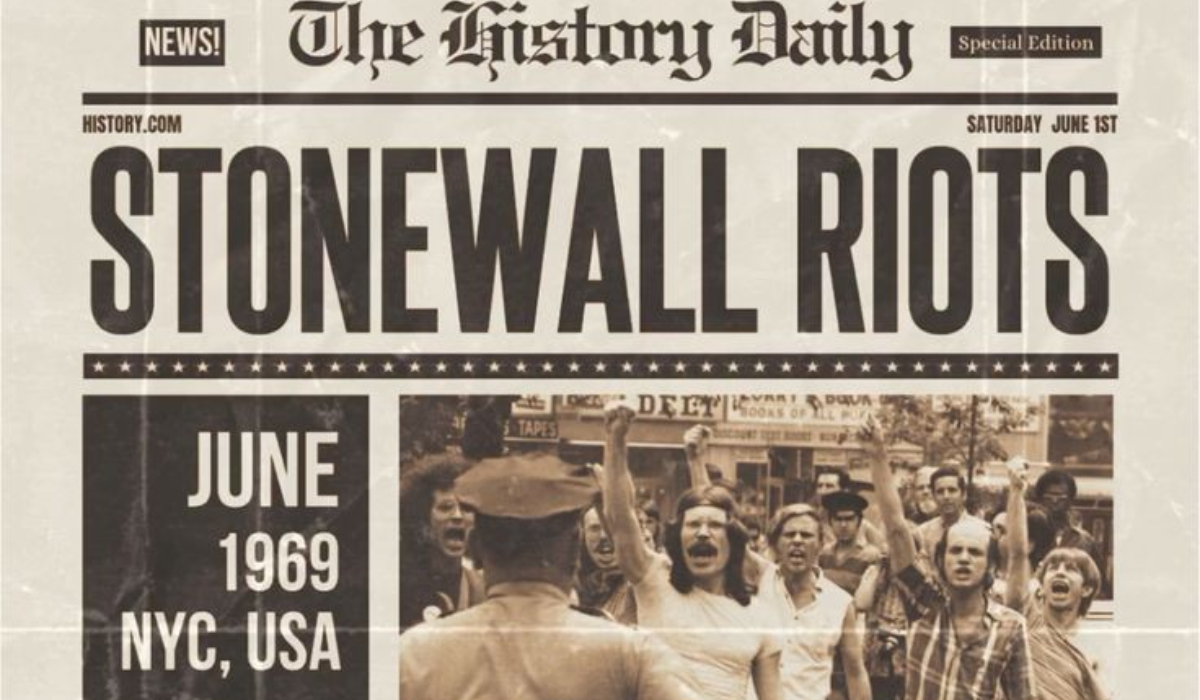
Every June, cities around the world come alive with pride parades, festivals, community events, and celebrations of LGBTQ+ identity. While these events have become a global tradition, many people are unaware of the historical event that inspired them. The reason Pride Month is celebrated in June can be traced back to a single location in New York City: the Stonewall Inn.
Today, the Stonewall Inn is recognized as one of the most important landmarks in LGBTQ+ history. What began as a local act of resistance in 1969 eventually grew into a movement that transformed conversations around equality, representation, and civil rights across the world.
What Was The Stonewall Inn?
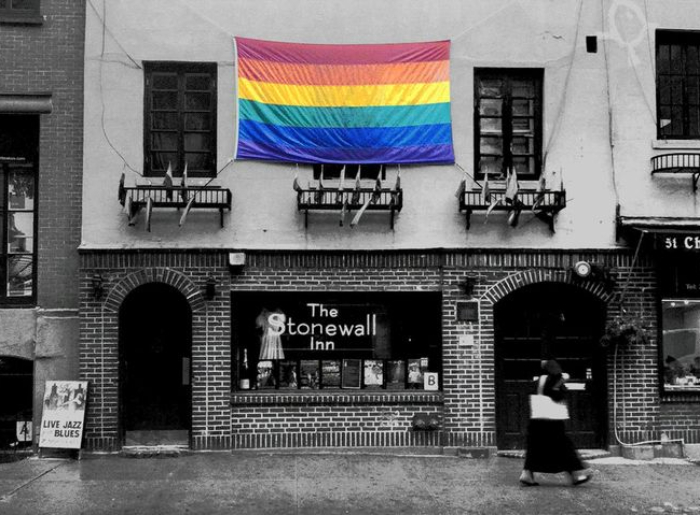
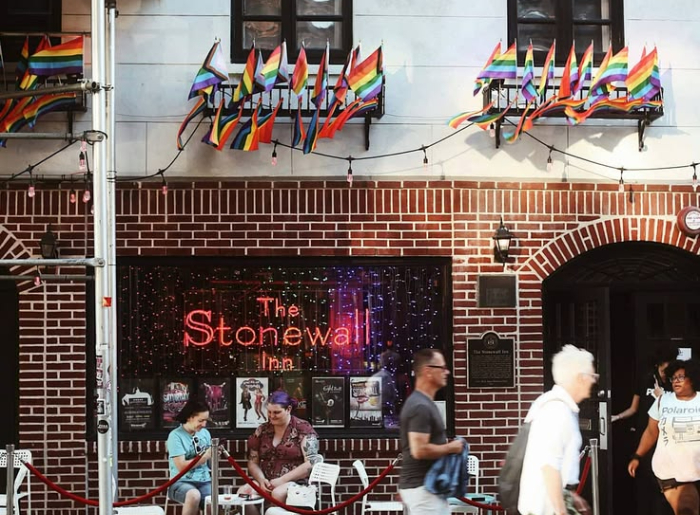
The Stonewall Inn is a historic gay bar located in Greenwich Village, a neighborhood in Lower Manhattan, New York City. During the 1960s, LGBTQ+ individuals faced widespread discrimination, and many aspects of their lives were criminalized. Gay bars often served as some of the few spaces where people could gather, socialize, and express themselves freely.
However, these establishments were frequently targeted by law enforcement. Police raids on gay bars were common, and patrons often faced arrests, harassment, and public humiliation. Despite these challenges, the Stonewall Inn became an important gathering place for members of the LGBTQ+ community, including drag queens, transgender individuals, and homeless youth who often had few safe spaces elsewhere.
What Happened During The Stonewall Riots?
In the early hours of June 28, 1969, police officers raided the Stonewall Inn. Similar raids had happened before, and authorities expected patrons to comply quietly. This time, however, the response was different. As people were arrested and forced out of the bar, those gathered outside began resisting the police rather than dispersing.
What started as frustration quickly escalated into a larger confrontation. Crowds gathered, protests erupted, and clashes between demonstrators and police continued for several days. The unrest, now known as the Stonewall Riots or Stonewall Uprising, lasted for nearly a week and became one of the most significant moments in LGBTQ+ history.
Why Were The Stonewall Riots So Significant?
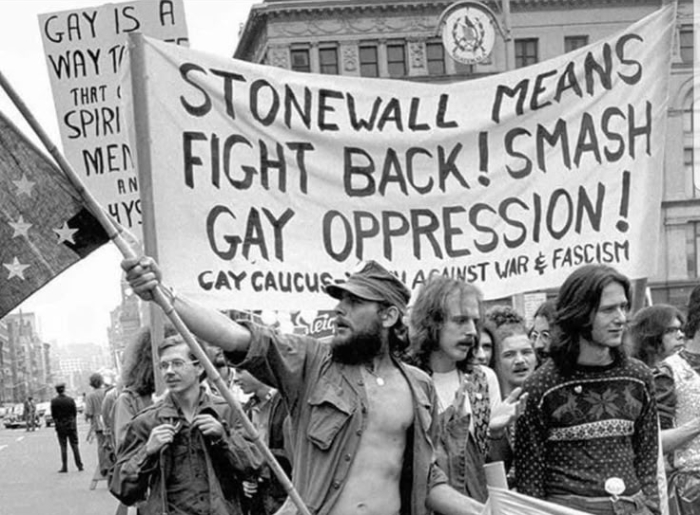
The Stonewall Riots did not mark the beginning of the LGBTQ+ rights movement, but they became a powerful catalyst for change. At a time when many LGBTQ+ individuals lived under constant fear of discrimination and legal persecution, Stonewall demonstrated the power of collective resistance.
In the months and years that followed, new advocacy groups emerged across the United States. Organizations such as the Gay Liberation Front and the Gay Activists Alliance began demanding equal rights, greater visibility, and legal protections. Stonewall helped transform LGBTQ+ activism from a relatively small movement into a larger and more organized campaign for civil rights.
Who Were Marsha P. Johnson And Sylvia Rivera?
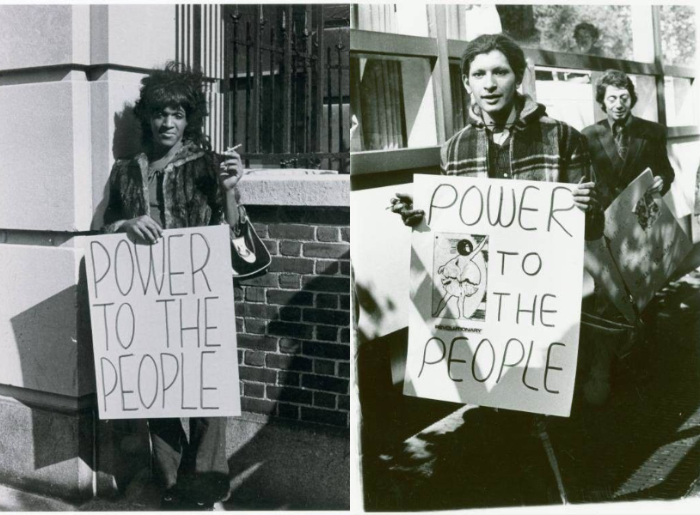
Two of the most influential figures associated with the Stonewall era were Marsha P. Johnson and Sylvia Rivera. Both became prominent activists who advocated for LGBTQ+ individuals, particularly transgender people, homeless youth, and members of marginalized communities.
Following the Stonewall Uprising, Johnson and Rivera co-founded Street Transvestite Action Revolutionaries (STAR), an organization focused on providing support and shelter for young transgender people who had been rejected by their families. Their work helped broaden the movement’s focus and ensured that some of its most vulnerable members were not overlooked.
How Did Stonewall Lead To Pride Month?
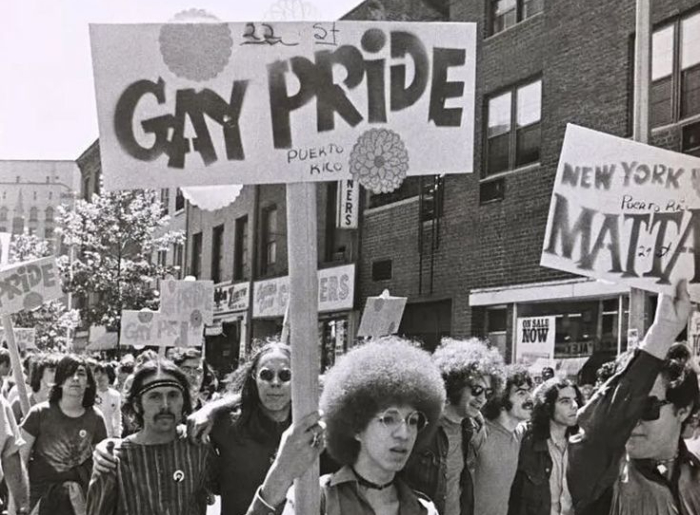
One year after the uprising, activists organized the Christopher Street Liberation Day March on June 28, 1970, to commemorate the anniversary of Stonewall. The event is widely considered the first Pride parade and attracted thousands of participants who marched through New York City in support of LGBTQ+ rights.
Similar events soon appeared in cities across the United States and eventually around the world. Over time, these marches evolved into the Pride celebrations recognized today. This is why Pride Month takes place every June, serving both as a celebration of LGBTQ+ identity and a reminder of the struggles that helped secure greater rights and visibility.
Also Read: Pride In Safety: Top 5 Safest LGBTQ-Friendly Countries For Travel In 2025
What Is The Legacy Of The Stonewall Inn Today?
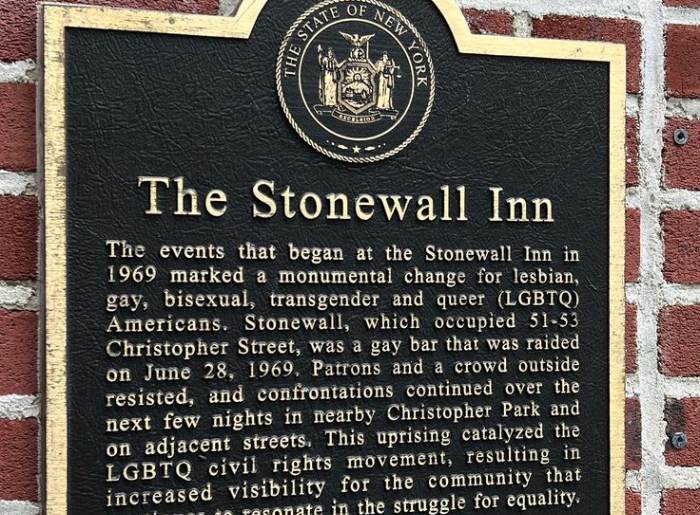
The Stonewall Inn remains one of the most important symbols of LGBTQ+ history and resilience. In 1999, the site was added to the National Register of Historic Places, and in 2016, President Barack Obama designated the Stonewall Inn and the surrounding area as the Stonewall National Monument. It became the first LGBTQ+ historic site in the United States to receive this recognition.
Today, the Stonewall Inn continues to operate while also serving as a reminder of the movement’s origins. Visitors from around the world come to learn about its history, pay tribute to those involved in the uprising, and reflect on the progress that has been made since 1969.
Why Does Stonewall Still Matter Today?
Although significant progress has been made in many countries, conversations around equality, representation, and LGBTQ+ rights continue. The story of Stonewall serves as a reminder that many of the freedoms enjoyed today were achieved through decades of activism, advocacy, and resistance.
Understanding Stonewall helps provide context for why Pride Month exists and why it continues to be celebrated. It is not only a celebration of identity and community but also a recognition of those who fought for the rights and visibility that many people benefit from today.
Also Read: Kashish Pride Film Festival 2026: Where & What To Watch
Summing Up
The Stonewall Inn may appear to be just another building in New York City, but its place in history extends far beyond its walls. What happened there in June 1969 helped spark a movement that would influence generations of activists and reshape conversations around LGBTQ+ rights across the world.
Every Pride parade, community event, and celebration held in June can trace its roots back to Stonewall. More than five decades later, it remains a symbol of courage, resilience, and the ongoing pursuit of equality, reminding people why Pride Month is both a celebration of progress and a tribute to those who made that progress possible.