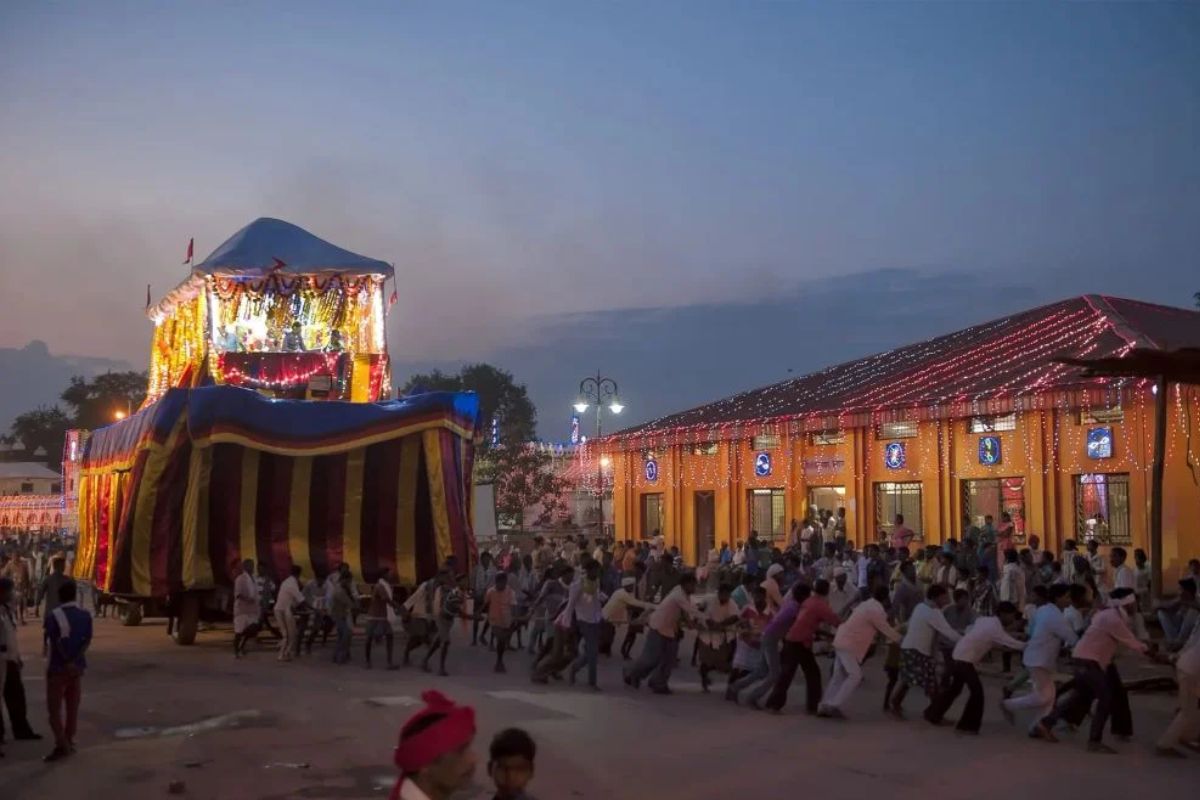

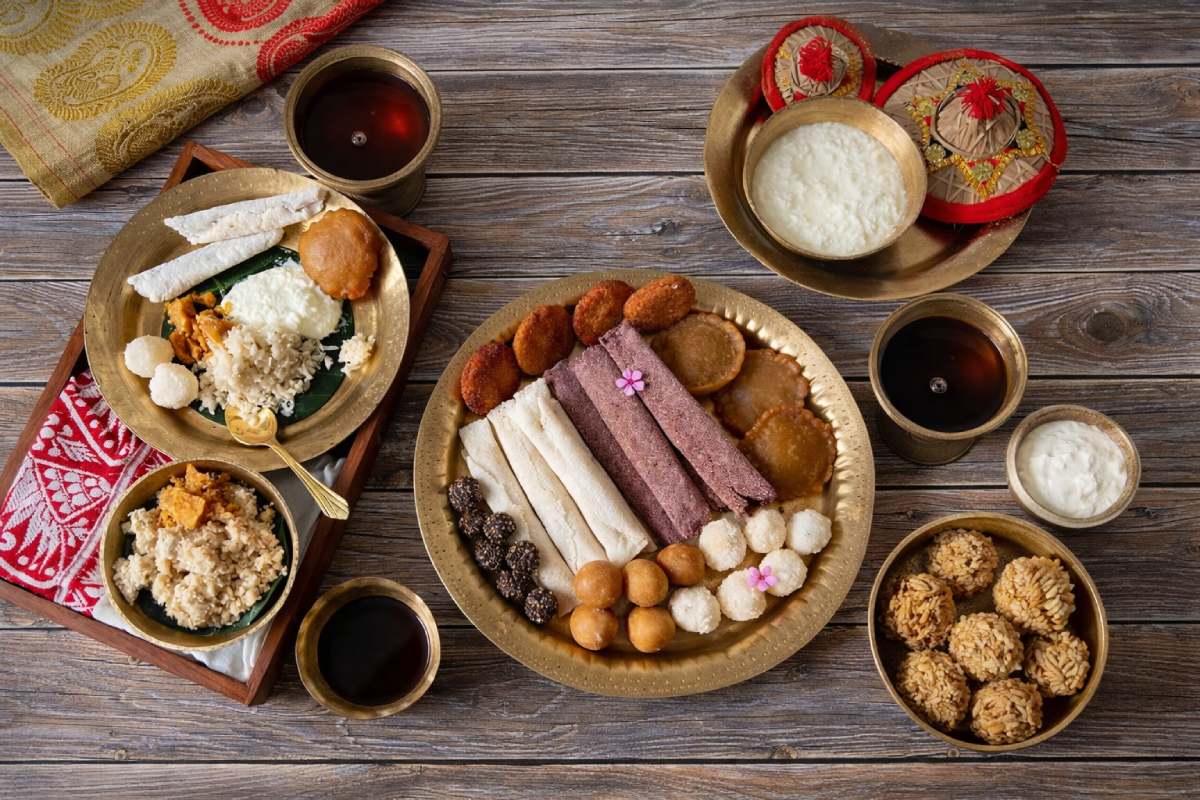
If you have already experienced the energy of Bihu, the music, the dances, and the celebrations, the next layer of the festival reveals itself through food. Understanding the dishes served is not just about the food, but what it represents in terms of celebrating community, hospitality, and the changing season.
Traditional Bihu food revolves around freshly harvested rice, coconut, and jaggery, ingredients that come together to create a menu that feels both comforting and symbolic.
The Heart of Bihu Food Culture
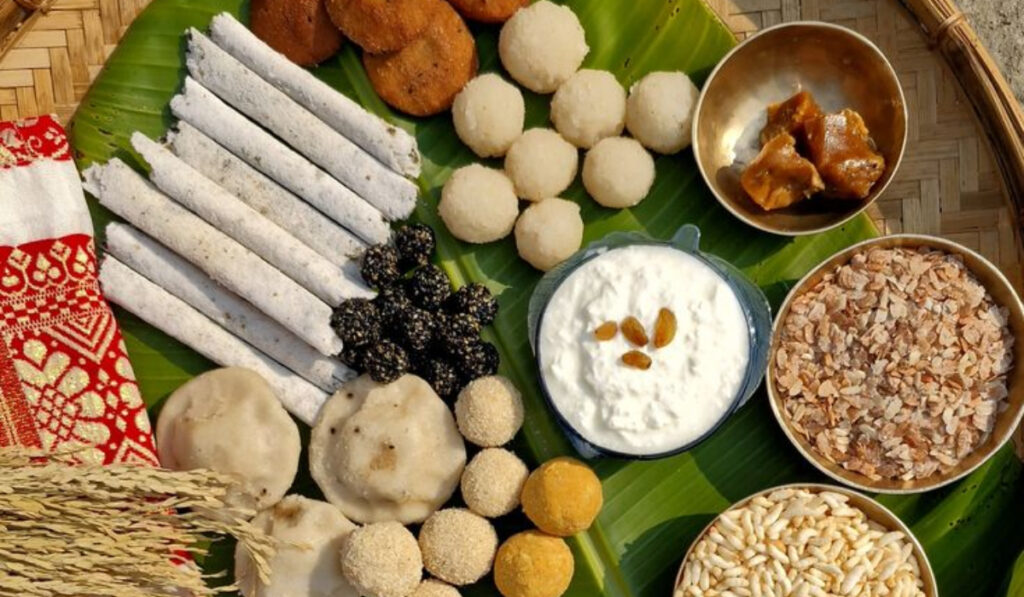
At its core, Bihu food is built around rice. Different forms and techniques are used to create a variety of dishes, each with its own texture and purpose. The preparation itself is often a shared activity with families coming together to make pithas and sweets in large batches. There is a sense of care in every step, from preparing ingredients to serving them to guests.
Pitha: The Centerpiece of Bihu
No Bihu celebration is complete without pitha. These traditional rice cakes come in different forms, each with a distinct taste and method of preparation.
Some of the most popular variations include:
- Til Pitha
A thin rice roll filled with roasted black sesame seeds and jaggery. It is slightly crisp on the outside and sweet inside, making it one of the most recognizable Bihu treats. - Narikol Pitha
A softer version filled with grated coconut and jaggery. It has a gentle sweetness and a more delicate texture. - Ghila Pitha
Deep-fried rice dumplings that are crispy on the outside and soft within. These are often served warm and feel more indulgent. - Tekeli Pitha
A steamed version that is light and airy, traditionally cooked using a kettle-like setup.
Laru: Simple Sweets with Meaning
Laru, or laddoos, are another mainstay on the Bihu menu. These are easy to prepare in large quantities and are often offered to guests.
The most common varieties include:
- Narikolor Laru
Made from freshly grated coconut and jaggery, these are soft, slightly sticky, and rich in flavor. - Til Laru
Made using roasted sesame seeds and jaggery, these have a nutty taste and are often associated with winter Bihu celebrations.
These sweets are not elaborate, but they carry a sense of warmth and generosity that defines the festival.
Jolpan: The Traditional Bihu Breakfast
This is one of the most distinctive parts of Assamese cuisine. A light and nutritious meal that is usually served in the mornings.
A typical platter includes:
- Flattened rice or puffed rice
- Komol saul, a special rice that softens with soaking and requires no cooking
- Curd and jaggery for added flavor
- Sometimes fresh bananas or cream
What makes Jolpan unique is its simplicity. It does not rely on heavy cooking, yet it feels complete and satisfying.
The Complete Assamese Festive Menu
While sweets and breakfast items are central, Bihu meals extend beyond them into full festive spreads.
A typical Bihu menu usually consists of the following dishes:
- Rice-based staples are the foundation of the meal
- Duck meat curry, often cooked with ash gourd
- Pork with bamboo shoot, a flavorful regional favorite
- Masor Tenga, a light and tangy fish curry
- Khar, a unique alkaline dish made using banana peel extract
More Than Just Food
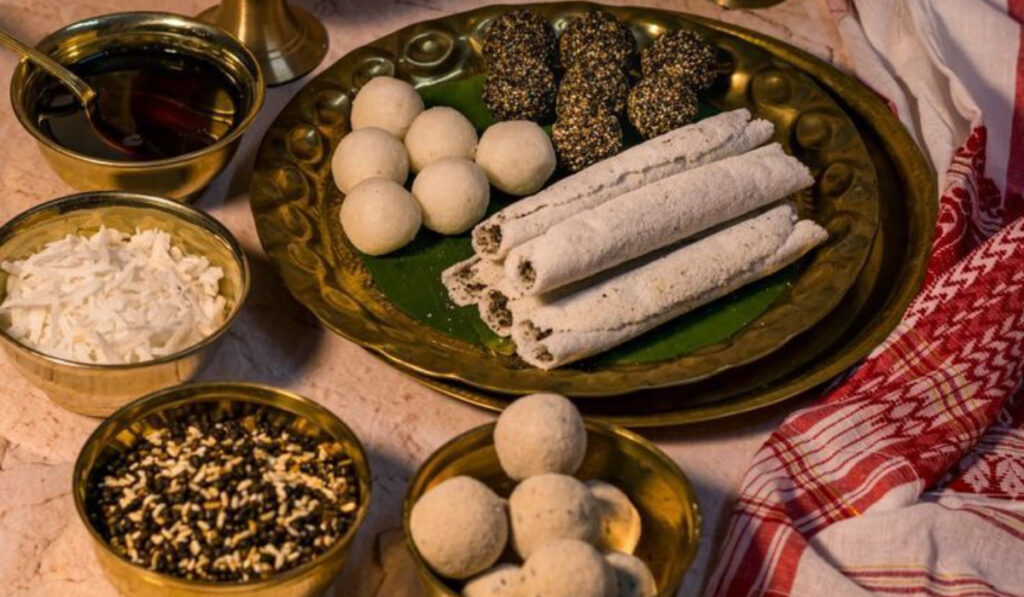
What makes Bihu food memorable is not just the taste, but the manner in which the meals are served and shared. Traditional utensils, often made from bell metals, are offered to the guest and family. The act of cooking and eating together becomes a celebration in itself, making even the simplest dishes carry meaning. The combination of sweet, sour, and earthy flavors reflects the idea that life, much like food, is a mix of experiences.
Summing Up
Bihu food is about tradition, seasonality, and the joy of sharing. From the careful preparation of pithas to the simplicity of Jolpan, every dish plays a role in the larger story of the festival. Experiencing Bihu in one of its cultural hubs can often lead to you witnessing a grand celebration of food, dance, and music. Making this experience one to share, love, and remember.