
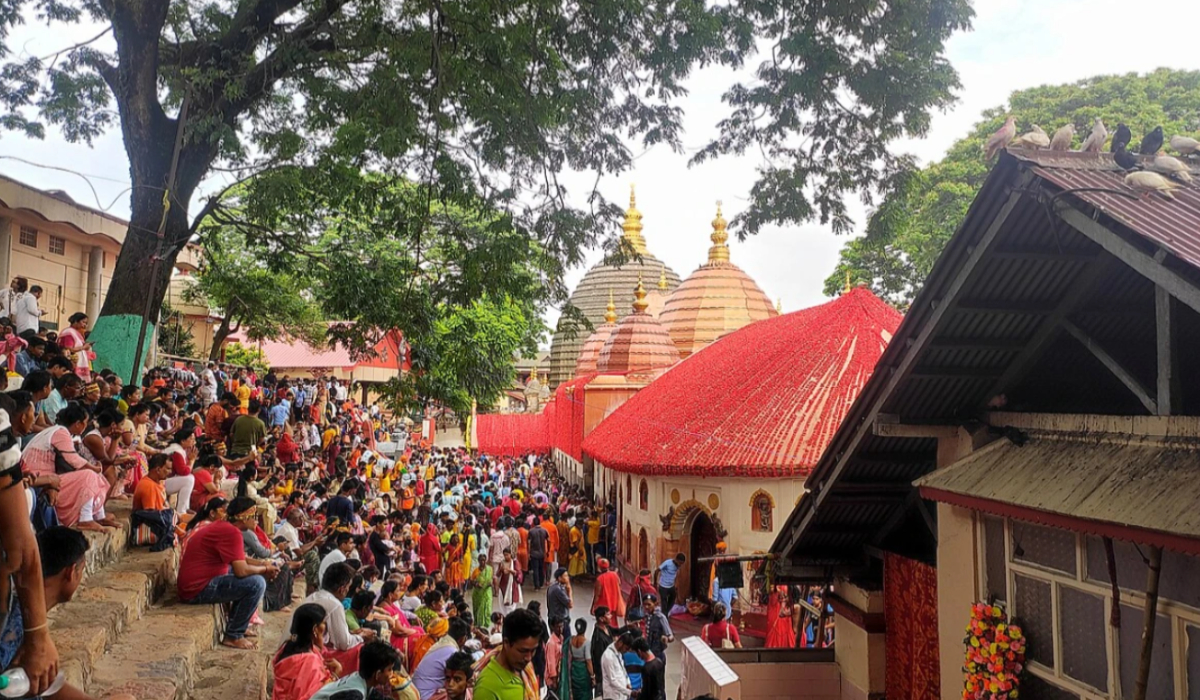
Every year, thousands of devotees, saints, spiritual seekers, and travelers gather at the Kamakhya Temple in Guwahati, Assam, to participate in Ambubachi Mela, one of India’s most unique and spiritually significant festivals. Often referred to as the “Mahakumbh of the East,” the festival is deeply rooted in Shakta and Tantric traditions and celebrates the annual menstruation cycle of Goddess Kamakhya, symbolizing fertility, creation, and the regenerative power of nature.
Unlike many religious festivals that commemorate mythological victories or seasonal celebrations, Ambubachi Mela centres around the Divine Feminine and the belief that menstruation is a sacred and life-giving process. The festival attracts lakhs of pilgrims from across India and abroad who come to seek blessings, witness ancient rituals, and experience the spiritual atmosphere surrounding the temple.
Ambubachi Mela 2026 Dates And Schedule
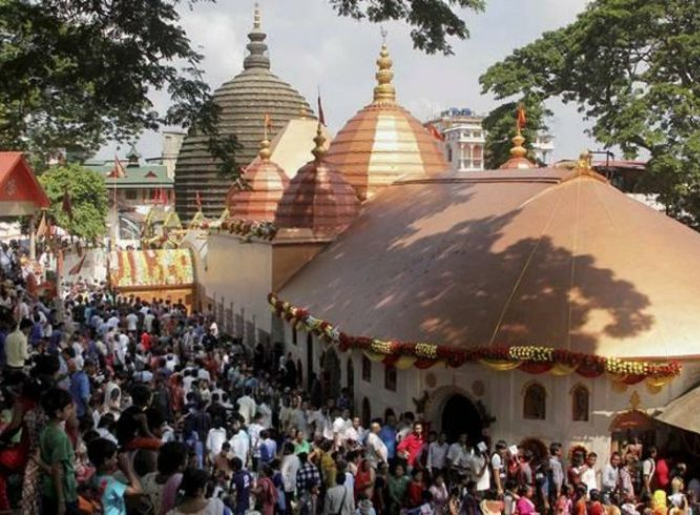
Ambubachi Mela is expected to begin on June 22, 2026, coinciding with the arrival of the monsoon season in Assam. During this period, the Kamakhya Temple closes its doors for the first three days, marking the Goddess’s annual menstrual cycle. The temple is expected to reopen on June 25 following purification rituals performed by temple priests.
Expected Schedule
- June 22, 2026: Ambubachi Mela begins and temple doors close
- June 22-24, 2026: Sacred observance period
- June 25, 2026: Ritual purification ceremonies & Temple reopens for public darshan
- June 25 onwards: Distribution of Angodak and Angavastra
Dates are subject to official confirmation by temple authorities.
What Is Ambubachi Mela?
Ambubachi Mela is built around a belief that is unique in Hindu traditions. It is believed that Goddess Kamakhya undergoes her annual menstrual cycle during this period, making the festival a celebration of fertility, creation, and feminine energy. To honor this sacred observance, the temple remains closed for three days, and all regular worship is suspended.
On the fourth day, the temple reopens following elaborate purification rituals. This reopening is one of the most anticipated moments of the festival, drawing thousands of devotees who gather to seek blessings from the Goddess. The atmosphere is filled with devotional chants, prayers, and a sense of spiritual renewal.
Also Read: Bohag Bihu 2026: Assam’s Spring Festival of New Beginnings
History And Mythological Significance
The origins of Ambubachi Mela are closely linked to the story of Goddess Sati and Lord Shiva. According to Hindu mythology, Sati immolated herself after her father Daksha insulted Lord Shiva during a grand yagna. Devastated by her death, Shiva carried her body across the universe while performing the Tandava, the cosmic dance of destruction.
To restore balance, Lord Vishnu used his Sudarshan Chakra to dismember Sati’s body. The various body parts fell across the Indian subcontinent and became sacred pilgrimage sites known as Shakti Peethas. It is believed that the yoni of Goddess Sati fell at the site of present-day Kamakhya Temple, making it one of the most important Shakti Peethas in India. This connection to fertility and feminine energy is what makes Kamakhya Temple unique, with the Goddess worshipped as a symbol of creation, abundance, and the life-giving power of nature.
Major Rituals And Traditions
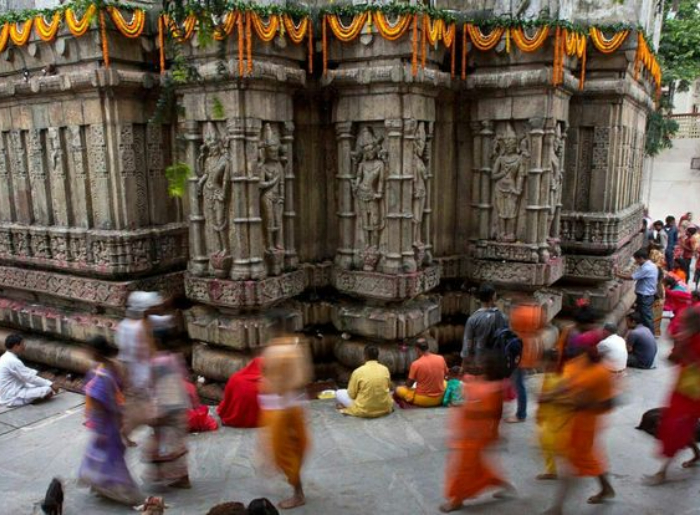
The most distinctive aspect of Ambubachi Mela is the closure of the Kamakhya Temple for three days, during which devotees are not allowed to enter the sanctum and regular temple activities remain suspended. While priests continue to perform restricted rituals within the temple premises, pilgrims gather outside to pray and meditate
One of the most important traditions associated with the festival is the distribution of sacred offerings, Angodak, which is a water sanctified during the festival, and Angavastra, which is a sacred red cloth believed to carry the blessings of the Goddess. Devotees often preserve these offerings as symbols of protection, prosperity, and spiritual well-being.
Importance In Tantric Traditions
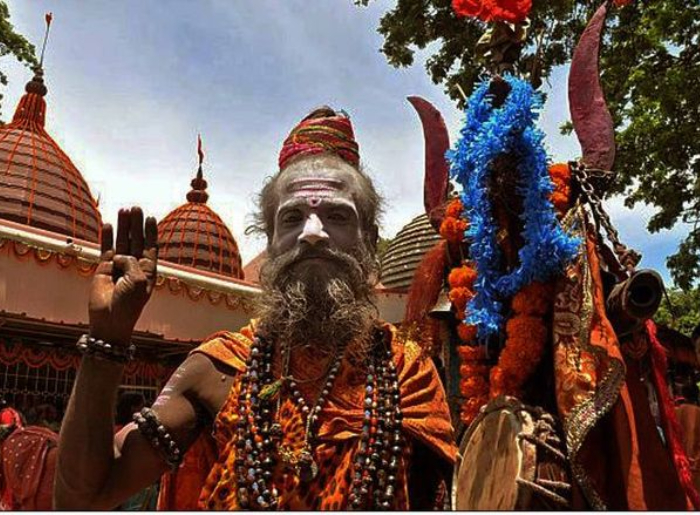
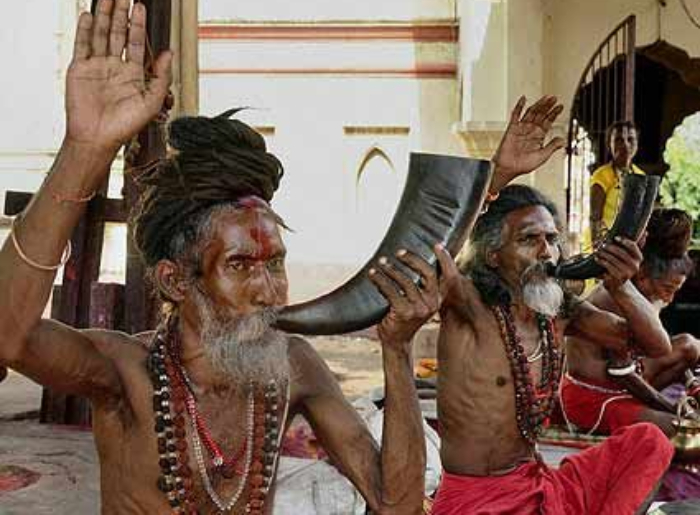
The Ambubachi Mela attracts a large number of sadhus, ascetics, Aghoris, and Tantric practitioners from across the country. Many believe that the spiritual energy of the temple reaches its peak during the festival. This makes Ambubachi Mela an especially significant period for meditation, spiritual disciplines, and the pursuit of higher knowledge. For scholars and spiritual seekers, the festival offers a rare opportunity to witness living Tantric traditions that have been practised for centuries.
Travel Guide To Ambubachi Mela 2026
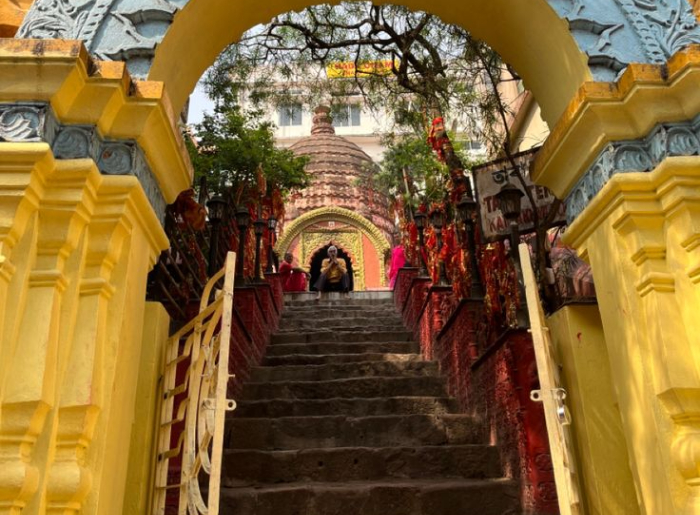
Located atop Nilachal Hill in Guwahati, the Kamakhya Temple is easily accessible from major cities across India. The city serves as the primary gateway for pilgrims attending the festival.
How To Reach
- Nearest Airport: Lokpriya Gopinath Bordoloi International Airport
- Nearest Railway Station: Guwahati Railway Station
- Local Transport: Taxis, auto-rickshaws, city buses, and app-based cabs
Since lakhs of devotees visit during Ambubachi Mela, accommodation demand increases significantly during the festival period. Hotels, guesthouses, and dharamshalas often get booked well in advance, making early reservations highly recommended.
Visitor Tips
- Book accommodations several weeks in advance
- Wear modest and comfortable clothing
- Carry drinking water and essential supplies
- Expect long queues during temple reopening
- Follow temple customs and security guidelines
Cultural Significance Of Ambubachi Mela
As one of the few major festivals that openly celebrates menstruation as a natural and sacred process, highlighting the importance of feminine energy, fertility, and creation within Hindu philosophy. The festival’s unique perspective has made it an important symbol of the reverence for womanhood and the life-giving power of nature. Beyond its spiritual impact, Ambubachi Mela plays a major role in promoting tourism in Assam, benefiting local businesses, artisans, transportation providers, and hospitality services while showcasing the region’s rich cultural heritage to visitors from across the world.
Summing Up
For centuries, the festival has drawn devotees, spiritual seekers, and curious travellers to the Kamakhya Temple, where ancient traditions continue to be observed with remarkable devotion and reverence. The Ambubachi Mela offers a unique glimpse into Assam’s spiritual and cultural heritage, right from its history and faith to its people’s culture. The festival provides the chance to witness one of India’s most distinctive traditions and experiences.